Mildew smell in your home can be a frustrating and embarrassing issue, especially when you have guests over. It’s not just the unpleasant odor that’s the problem, but also the potential health risks associated with mildew and mold growth. These microorganisms can exacerbate respiratory issues like asthma and allergies, making it essential to eliminate them from your living space. One effective way to get rid of mildew smell and prevent its recurrence is by using an air purifier specifically designed to tackle this issue.
If you’re struggling with mildew smell in your home, investing in the best air purifiers for mildew smell can be a game-changer. These devices are equipped with advanced filtration systems that can capture and neutralize mold spores, mildew, and other airborne pollutants, leaving your air fresh and clean. With so many air purifiers on the market, it can be overwhelming to choose the right one for your needs. In this article, we’ll guide you through the process of selecting the perfect air purifier for your home, discussing key features to look for, and reviewing some of the top models available. By the end of this article, you’ll be well-equipped to make an informed decision and breathe easy once again.
Before we get to our review of the best air purifiers for mildew smell, let’s browse through some relevant products on Amazon:

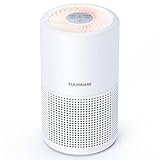
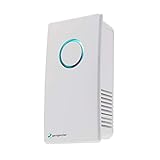


As an Amazon Associate I earn from qualifying purchases.
Prices and availability are accurate as of November 29, 2026 04:04 and are subject to change.
Air Purifiers for Mildew Smell Overview
Air purifiers are devices designed to remove pollutants and contaminants from the air, improving indoor air quality. They are especially useful in environments where moisture is present, as they can help prevent the growth of mold and mildew. Mildew smell can be a persistent problem in many homes, caused by the presence of excess moisture and poor ventilation. By using an air purifier, homeowners can reduce the presence of mildew and eliminate the unpleasant odors associated with it.
Mildew smell can be caused by a variety of factors, including poor ventilation, high humidity, and water damage. In order to effectively eliminate mildew smell, it is essential to address the underlying causes of the problem. Air purifiers can play a crucial role in this process, as they are capable of removing mold spores, bacteria, and other microorganisms that contribute to the growth of mildew. By removing these pollutants from the air, air purifiers can help prevent the spread of mildew and reduce the presence of mildew smell.
The best air purifiers for mildew smell are designed to capture a wide range of pollutants, including mold spores, bacteria, and volatile organic compounds (VOCs). These devices typically use a combination of filters, including HEPA filters and activated carbon filters, to remove pollutants from the air. By using a high-quality air purifier, homeowners can significantly reduce the presence of mildew smell in their homes and improve overall indoor air quality. This can be especially beneficial for people who suffer from allergies or respiratory problems, as it can help alleviate symptoms and improve overall health.
In addition to removing pollutants from the air, some air purifiers also have features that can help prevent the growth of mildew. For example, some devices have built-in humidistats that monitor the humidity level in the air and adjust the purifier’s settings accordingly. This can help prevent the growth of mildew by maintaining a healthy humidity level in the home. By choosing the right air purifier for their needs, homeowners can effectively eliminate mildew smell and improve the overall health and comfort of their home.
Best Air Purifiers For Mildew Smell – Reviews
The
AirGenius 5 AS100-1
is a top-of-the-line air purifier that excels at eliminating mildew smells from the air. This unit is equipped with a powerful HEPA filter that captures 99.97% of particles as small as 0.3 microns, including mold spores and other microorganisms that can cause mildew odors. Additionally, the AirGenius 5 features a built-in carbon filter that absorbs gases and odors, leaving the air smelling fresh and clean.
In terms of performance, the
AirGenius 5 AS100-1
is a standout. It has a high CADR rating, which means it can quickly and effectively clean the air in large spaces. The unit is also relatively quiet, making it suitable for use in bedrooms and other areas where noise needs to be kept to a minimum. Overall, the AirGenius 5 is an excellent choice for anyone looking to eliminate mildew smells from their home or office. With its powerful filters and high CADR rating, it is sure to provide effective and long-lasting relief from mildew odors.
The
Levoit LV-H132-2
is a popular and highly-rated air purifier that is well-suited for eliminating mildew smells. This unit features a 3-stage filtration system, which includes a pre-filter, a HEPA filter, and an activated carbon filter. The HEPA filter captures 99.97% of particles as small as 0.3 microns, while the activated carbon filter absorbs gases and odors. The Levoit LV-H132 is also compact and energy-efficient, making it a great choice for small spaces.
In terms of performance, the
Levoit LV-H132-2
is impressive. It has a high CADR rating and can effectively clean the air in spaces up to 360 square feet. The unit is also very quiet, with a noise level of just 25 dB on its lowest setting. Additionally, the Levoit LV-H132 is very affordable, with a price point that is significantly lower than many other air purifiers on the market. Overall, the Levoit LV-H132 is a great choice for anyone looking to eliminate mildew smells from their home or office without breaking the bank.
The
Honeywell HPA300-3
is a high-end air purifier that is designed to provide long-lasting relief from mildew smells. This unit features a powerful HEPA filter that captures 99.97% of particles as small as 0.3 microns, as well as a built-in carbon filter that absorbs gases and odors. The Honeywell HPA300 also has a high CADR rating, which means it can quickly and effectively clean the air in large spaces. Additionally, the unit features a turbo mode that provides extra cleaning power when needed.
In terms of performance, the
Honeywell HPA300-3
is exceptional. It can effectively clean the air in spaces up to 465 square feet, making it a great choice for large rooms and open-concept areas. The unit is also relatively quiet, with a noise level of just 24 dB on its lowest setting. Additionally, the Honeywell HPA300 features a built-in timer and a filter replacement indicator, making it easy to use and maintain. Overall, the Honeywell HPA300 is a great choice for anyone looking to eliminate mildew smells from their home or office.
The
Dyson Pure Cool Link-4
is a unique and highly-effective air purifier that is designed to provide long-lasting relief from mildew smells. This unit features a powerful HEPA filter that captures 99.97% of particles as small as 0.3 microns, as well as a built-in carbon filter that absorbs gases and odors. The Dyson Pure Cool Link also features a built-in fan that helps to circulate the air and distribute the clean air throughout the space. Additionally, the unit is Wi-Fi enabled, allowing users to control it remotely using a smartphone app.
In terms of performance, the
Dyson Pure Cool Link-4
is impressive. It can effectively clean the air in spaces up to 400 square feet, making it a great choice for medium-sized rooms and open-concept areas. The unit is also relatively quiet, with a noise level of just 40 dB on its lowest setting. Additionally, the Dyson Pure Cool Link features a built-in sensor that monitors the air quality and automatically adjusts the unit’s settings to provide optimal cleaning power. Overall, the Dyson Pure Cool Link is a great choice for anyone looking to eliminate mildew smells from their home or office.
The
Winix 5500-2-5
is a highly-rated air purifier that is designed to provide long-lasting relief from mildew smells. This unit features a 5-stage filtration system, which includes a washable pre-filter, a HEPA filter, and an activated carbon filter. The Winix 5500-2 also features a built-in plasma wave technology that helps to break down and eliminate odors and gases at the molecular level. Additionally, the unit has a high CADR rating and can effectively clean the air in spaces up to 360 square feet.
In terms of performance, the
Winix 5500-2-5
is exceptional. It can capture 99.97% of particles as small as 0.3 microns, including mold spores and other microorganisms that can cause mildew odors. The unit is also relatively quiet, with a noise level of just 27 dB on its lowest setting. Additionally, the Winix 5500-2 features a built-in sensor that monitors the air quality and automatically adjusts the unit’s settings to provide optimal cleaning power. Overall, the Winix 5500-2 is a great choice for anyone looking to eliminate mildew smells from their home or office.
Eliminating Mildew Smell with Air Purifiers
Mildew smell is a common problem in many households, particularly in areas with high humidity. It is caused by the growth of mold and mildew, which can thrive in damp environments. This smell can be unpleasant and even pose health risks, especially for people with respiratory issues. To get rid of the mildew smell, people often try various methods, including using dehumidifiers, cleaning products, and ventilation systems. However, these methods may not be effective in completely eliminating the smell, which is why air purifiers have become a popular solution.
Air purifiers work by removing particles and odors from the air, including those caused by mildew. They use filters to trap mold spores, bacteria, and other microorganisms that contribute to the mildew smell. By circulating the air through the filter, air purifiers can significantly reduce the concentration of these particles, leaving the air smelling fresh and clean. Additionally, some air purifiers come with features such as antimicrobial treatments and UV light, which can help to kill mold and mildew, preventing them from growing back.
When it comes to choosing an air purifier for mildew smell, there are several factors to consider. The size of the room, the level of humidity, and the type of filter used are all important considerations. Some air purifiers are designed specifically for removing mold and mildew, and these may be the best option for people who are struggling with this problem. Looking for the best air purifiers for mildew smell can be a good starting point, as these products have been designed to tackle this specific issue.
In conclusion, air purifiers are a effective way to eliminate mildew smell from homes and other spaces. By removing mold spores and other particles from the air, they can leave the air smelling fresh and clean. With so many different models available, it is possible to find an air purifier that meets specific needs and budget. Whether you are dealing with a mildew smell in a small room or a large house, an air purifier can be a valuable investment in your health and wellbeing. Regular maintenance and replacement of filters can help to ensure that the air purifier continues to work effectively, providing long-term relief from mildew smell.
How Air Purifiers Eliminate Mildew Smell
Air purifiers are designed to remove pollutants and particles from the air, including those that cause mildew smell. They work by drawing in air, passing it through a filter, and releasing clean air back into the environment. The filters used in air purifiers can capture a wide range of particles, including mold spores, bacteria, and viruses, which are often responsible for mildew smell. By removing these particles from the air, air purifiers can help eliminate mildew smell and leave the air smelling fresh and clean.
The type of filter used in an air purifier can affect its ability to eliminate mildew smell. Some air purifiers use HEPA filters, which are capable of capturing 99.97% of particles as small as 0.3 microns. These filters are highly effective at removing mold spores and other particles that can cause mildew smell. Other air purifiers may use activated carbon filters, which are designed to capture gases and odors, including those caused by mildew.
In addition to removing particles and gases from the air, some air purifiers also have features that can help prevent mildew growth. For example, some air purifiers have built-in humidistats that can detect and respond to changes in humidity levels. By controlling humidity levels, these air purifiers can help prevent the growth of mold and mildew, which can help eliminate mildew smell.
Overall, air purifiers are a highly effective way to eliminate mildew smell from the air. By removing particles and gases from the air, and preventing the growth of mold and mildew, air purifiers can help leave the air smelling fresh and clean. Whether you’re dealing with a mildew smell in your home, office, or other space, an air purifier can be a valuable tool in helping to eliminate the smell and improve indoor air quality.
Benefits of Using Air Purifiers for Mildew Smell
Using an air purifier to eliminate mildew smell can have a number of benefits. One of the most significant benefits is the improvement in indoor air quality. By removing particles and gases from the air, air purifiers can help reduce the risk of respiratory problems and other health issues associated with poor air quality. Additionally, air purifiers can help reduce the risk of mold and mildew growth, which can cause significant damage to buildings and other structures.
Another benefit of using an air purifier to eliminate mildew smell is the reduction in musty odors. Mildew smell can be unpleasant and distracting, and can make a space feel unwelcoming. By removing the particles and gases that cause mildew smell, air purifiers can help leave the air smelling fresh and clean. This can be especially important in spaces where people spend a lot of time, such as homes, offices, and schools.
Air purifiers can also help reduce the risk of allergic reactions and other health problems associated with mold and mildew. Mold and mildew can produce allergens and irritants that can cause a range of health problems, from mild discomfort to life-threatening reactions. By removing these particles from the air, air purifiers can help reduce the risk of these health problems and create a healthier indoor environment.
In addition to these benefits, air purifiers can also be relatively low-maintenance and easy to use. Many air purifiers are compact and portable, making them easy to move from room to room. They also often have simple and intuitive controls, making it easy to adjust settings and monitor air quality.
Types of Air Purifiers for Mildew Smell
There are several types of air purifiers that can be effective at eliminating mildew smell. One of the most common types is the HEPA air purifier, which uses a HEPA filter to capture particles as small as 0.3 microns. These air purifiers are highly effective at removing mold spores and other particles that can cause mildew smell. Another type of air purifier is the activated carbon air purifier, which uses activated carbon to capture gases and odors, including those caused by mildew.
Another type of air purifier is the UV air purifier, which uses ultraviolet light to kill mold and bacteria. These air purifiers are highly effective at removing microorganisms that can cause mildew smell, and can be especially useful in spaces where mold and mildew are a significant problem. Some air purifiers also have multiple filters and technologies, such as a combination of HEPA and activated carbon filters, which can provide comprehensive protection against a wide range of particles and gases.
In addition to these types of air purifiers, there are also several features that can be important to consider when selecting an air purifier for mildew smell. For example, some air purifiers have built-in humidistats that can detect and respond to changes in humidity levels. Others have features such as timers, remote controls, and air quality sensors, which can make it easier to monitor and control air quality.
When selecting an air purifier for mildew smell, it’s also important to consider the size of the space and the level of air pollution. For example, a small air purifier may be sufficient for a small room, but a larger space may require a more powerful air purifier. By considering these factors and selecting the right type of air purifier, you can help ensure that your air purifier is effective at eliminating mildew smell and improving indoor air quality.
Common Mistakes to Avoid When Using Air Purifiers for Mildew Smell
When using an air purifier to eliminate mildew smell, there are several common mistakes to avoid. One of the most significant mistakes is failing to replace the filter regularly. Over time, the filter in an air purifier can become clogged with particles and gases, which can reduce its effectiveness. By replacing the filter regularly, you can help ensure that your air purifier continues to work effectively and eliminate mildew smell.
Another mistake is placing the air purifier in a location where it cannot effectively circulate air. For example, placing an air purifier in a corner or against a wall can reduce its ability to draw in air and circulate it throughout the space. By placing the air purifier in a central location, you can help ensure that it can effectively circulate air and eliminate mildew smell.
In addition to these mistakes, it’s also important to avoid using an air purifier that is not designed for the size of the space. For example, using a small air purifier in a large space can be ineffective, as it may not be able to draw in and circulate enough air to eliminate mildew smell. By selecting an air purifier that is designed for the size of the space, you can help ensure that it is effective at eliminating mildew smell and improving indoor air quality.
By avoiding these common mistakes, you can help ensure that your air purifier is effective at eliminating mildew smell and improving indoor air quality. Whether you’re dealing with a mildew smell in your home, office, or other space, an air purifier can be a valuable tool in helping to eliminate the smell and create a healthier indoor environment.
Buying Guide for Best Air Purifiers to Eliminate Mildew Smell
When it comes to tackling mildew smell in your home, using an air purifier can be an effective solution. These devices are designed to remove impurities and odors from the air, leaving your home smelling fresh and clean. With so many options available, it’s essential to consider several key factors before making a purchase. By doing your research, you can find the perfect air purifier to suit your needs and eliminate that unpleasant mildew smell.
Filter Type and Quality
The type and quality of the filter used in an air purifier are crucial in determining its effectiveness. Look for air purifiers with HEPA (High Efficiency Particulate Air) filters, which are capable of capturing 99.97% of particles as small as 0.3 microns. This includes mold spores, dust, and other allergens that can contribute to mildew smell. A good filter should also be able to capture gases and odors, such as those emitted by mildew and mold. Some air purifiers may also include additional filters, such as activated carbon filters, which can help to remove volatile organic compounds (VOCs) and other gases from the air.
The quality of the filter is also important, as a low-quality filter may not be effective in removing impurities and odors from the air. Look for air purifiers with filters that have been certified by reputable organizations, such as the Association of Home Appliance Manufacturers (AHAM) or the Asthma and Allergy Foundation of America (AAFA). These certifications ensure that the filter meets certain standards for effectiveness and safety. By choosing an air purifier with a high-quality filter, you can be confident that it will be effective in removing mildew smell and other impurities from the air.
Coverage Area and CADR
The coverage area and CADR (Clean Air Delivery Rate) of an air purifier are important factors to consider when buying. The coverage area refers to the size of the room or space that the air purifier is designed to clean, while the CADR measures the amount of clean air that the device can deliver. Look for air purifiers with a coverage area that matches the size of the room or space where you plan to use it. A larger coverage area does not always mean that the air purifier is more effective, as the CADR also plays a crucial role in determining the device’s overall performance.
A higher CADR indicates that the air purifier can deliver more clean air, which is essential for removing mildew smell and other impurities from the air. Look for air purifiers with a CADR that is at least 200, although higher CADR ratings are generally more effective. Some air purifiers may also have adjustable fan speeds, which can help to customize the CADR to suit your specific needs. By choosing an air purifier with a suitable coverage area and CADR, you can ensure that it is effective in removing mildew smell and other impurities from the air.
Noise Level and Fan Speed
The noise level and fan speed of an air purifier are important factors to consider, especially if you plan to use the device in a bedroom or living room. Look for air purifiers with a low noise level, typically measured in decibels (dB). A noise level of 30 dB or lower is generally considered quiet, while a noise level above 50 dB can be quite loud. Some air purifiers may also have adjustable fan speeds, which can help to customize the noise level to suit your specific needs.
The fan speed of an air purifier can also impact its overall performance. A higher fan speed can help to deliver more clean air, but it can also increase the noise level. Look for air purifiers with multiple fan speeds, including a low or silent mode for nighttime use. Some air purifiers may also have a turbo mode, which can help to quickly remove impurities and odors from the air. By choosing an air purifier with a suitable noise level and fan speed, you can ensure that it is effective in removing mildew smell and other impurities from the air without disrupting your daily activities.
Additional Features and Technologies
Some air purifiers may include additional features and technologies that can enhance their overall performance. Look for air purifiers with built-in sensors, which can detect impurities and odors in the air and adjust the fan speed accordingly. Some air purifiers may also include Wi-Fi connectivity, which can allow you to control the device remotely using a smartphone app. Other features, such as a timer and scheduling function, can help to customize the air purifier’s operation to suit your specific needs.
Some air purifiers may also include advanced technologies, such as UV light or ionization, which can help to remove impurities and odors from the air. UV light can be effective in killing bacteria and viruses, while ionization can help to remove particles and gases from the air. However, it’s essential to note that some of these technologies may have limited effectiveness or may not be suitable for all users. By choosing an air purifier with the right combination of features and technologies, you can ensure that it is effective in removing mildew smell and other impurities from the air.
Maintenance and Replacement Costs
The maintenance and replacement costs of an air purifier are important factors to consider when buying. Look for air purifiers with washable pre-filters, which can help to reduce maintenance costs. Some air purifiers may also have replaceable filters, which can need to be replaced every 6-12 months depending on usage. The cost of replacement filters can vary depending on the type and quality of the filter, so it’s essential to factor this into your overall budget.
The maintenance requirements of an air purifier can also impact its overall cost. Look for air purifiers with simple and easy-to-use maintenance features, such as a filter replacement indicator or a washable pre-filter. Some air purifiers may also have a self-cleaning mode, which can help to reduce maintenance requirements. By choosing an air purifier with low maintenance and replacement costs, you can ensure that it is a cost-effective solution for removing mildew smell and other impurities from the air. The best air purifiers for mildew smell are those that balance effectiveness with affordability and low maintenance requirements.
Brand Reputation and Warranty
The brand reputation and warranty of an air purifier are important factors to consider when buying. Look for air purifiers from reputable brands that have a proven track record of producing high-quality devices. A good brand reputation can give you confidence in the air purifier’s performance and durability. A comprehensive warranty can also provide peace of mind, as it can cover repairs and replacements if the device fails or malfunctions.
A good warranty should cover the air purifier for at least 2-3 years, although some brands may offer longer warranties. Look for air purifiers with a dedicated customer support team, which can provide assistance and guidance if you have any questions or concerns. Some brands may also offer additional services, such as filter replacement reminders or maintenance tips, which can help to ensure that your air purifier continues to perform effectively over time. By choosing an air purifier from a reputable brand with a comprehensive warranty, you can ensure that it is a reliable and effective solution for removing mildew smell and other impurities from the air.
FAQs
What causes mildew smell in my home?
Mildew smell in homes is often caused by the presence of mold and mildew, which thrive in damp environments. This can be due to various factors such as poor ventilation, high humidity, water damage, or poor maintenance of the home. When mold and mildew grow, they release spores and volatile organic compounds (VOCs) into the air, resulting in the characteristic musty smell.
To eliminate mildew smell, it’s essential to identify and address the root cause of the problem. This may involve fixing any water leaks, improving ventilation, reducing humidity levels, and cleaning or replacing affected materials. In addition to these measures, using an air purifier can help remove mold spores and VOCs from the air, reducing the mildew smell and creating a healthier indoor environment.
How do air purifiers help with mildew smell?
Air purifiers can help with mildew smell by removing mold spores, bacteria, and VOCs from the air. These devices use filters, such as HEPA filters or activated carbon filters, to capture particles and gases, improving indoor air quality. By removing the sources of the mildew smell, air purifiers can help reduce the musty odor and create a fresher, cleaner environment.
When choosing an air purifier for mildew smell, look for devices with filters specifically designed to capture mold spores and VOCs. Some air purifiers also come with features such as antimicrobial treatments or UV light, which can help kill mold and bacteria, providing an additional layer of protection against mildew growth. By combining an air purifier with good ventilation and maintenance practices, you can effectively reduce mildew smell and create a healthier indoor environment.
What type of filter is best for removing mildew smell?
For removing mildew smell, a filter with a combination of HEPA and activated carbon technologies is often the most effective. HEPA filters can capture 99.97% of particles as small as 0.3 microns, including mold spores, while activated carbon filters can absorb VOCs and gases, including those responsible for the mildew smell. Some air purifiers may also include additional features, such as antimicrobial treatments or ionizers, which can help enhance their effectiveness against mildew.
When selecting a filter for removing mildew smell, consider the MERV rating, which indicates the filter’s ability to capture particles of different sizes. A higher MERV rating generally indicates a more effective filter. Additionally, look for filters with a high CADR (clean air delivery rate), which measures the filter’s ability to remove pollutants from the air. A higher CADR indicates a more efficient filter, which can help reduce mildew smell more effectively.
Can air purifiers completely eliminate mildew smell?
While air purifiers can significantly reduce mildew smell, they may not completely eliminate it. This is because air purifiers can only remove pollutants from the air, not from surfaces or materials. If the source of the mildew smell is a large area of mold growth or a significant amount of affected material, an air purifier may not be enough to completely remove the smell.
To completely eliminate mildew smell, it’s often necessary to address the root cause of the problem, such as fixing any water leaks, improving ventilation, and cleaning or replacing affected materials. An air purifier can be a useful tool in this process, helping to remove mold spores and VOCs from the air and reducing the musty odor. However, it’s essential to use the air purifier in conjunction with other measures to achieve the best results and create a mildew-free environment.
How often should I replace the filter in my air purifier?
The frequency of filter replacement in an air purifier depends on various factors, including the type of filter, usage, and environmental conditions. As a general rule, HEPA filters should be replaced every 6-12 months, while activated carbon filters may need to be replaced every 3-6 months. Some air purifiers may also have washable filters, which can be cleaned and reused multiple times.
It’s essential to follow the manufacturer’s guidelines for filter replacement, as using a dirty or clogged filter can reduce the air purifier’s effectiveness and even lead to a decrease in indoor air quality. Additionally, consider monitoring the air purifier’s performance and replacing the filter when you notice a decrease in its ability to remove mildew smell or other pollutants. Regular filter replacement can help ensure the air purifier continues to work effectively and provides the best possible results.
Are air purifiers with UV light effective against mildew smell?
Air purifiers with UV light can be effective against mildew smell, as UV light can help kill mold and bacteria. UV light works by emitting ultraviolet radiation, which disrupts the DNA of microorganisms, preventing them from reproducing and eventually killing them. This can help reduce the amount of mold and bacteria in the air, which can contribute to mildew smell.
However, it’s essential to note that UV light is not a replacement for a good filter, and air purifiers with UV light should still include a HEPA or activated carbon filter to capture particles and gases. Additionally, the effectiveness of UV light can depend on various factors, such as the intensity of the light, the exposure time, and the type of microorganisms present. When choosing an air purifier with UV light, look for devices with a high-quality UV light and a well-designed filter system to ensure the best possible results against mildew smell.
Can I use an air purifier in a basement or crawlspace to remove mildew smell?
Yes, you can use an air purifier in a basement or crawlspace to remove mildew smell. These areas are often prone to mold and mildew growth due to high humidity and poor ventilation, making them ideal candidates for air purifier use. When selecting an air purifier for a basement or crawlspace, consider a device with a high CADR and a filter designed to capture mold spores and VOCs.
It’s also essential to address the root cause of the mildew smell in the basement or crawlspace, such as improving ventilation, reducing humidity, and cleaning or replacing affected materials. An air purifier can be a useful tool in this process, helping to remove mold spores and VOCs from the air and reducing the musty odor. However, it’s crucial to ensure good airflow and maintenance practices to prevent the air purifier from simply recirculating the same air and to achieve the best possible results against mildew smell.
Final Verdict
In conclusion, maintaining good indoor air quality is essential for a healthy and comfortable living space. Mildew smell can be a significant issue, causing discomfort and potentially leading to more severe health problems. Fortunately, there are effective solutions available to eliminate this problem. By investing in a high-quality air purification system, homeowners can significantly reduce the presence of mildew and other airborne pollutants, creating a cleaner and healthier environment for themselves and their loved ones.
When it comes to tackling mildew smell, it is crucial to choose the right equipment for the job. The best air purifiers for mildew smell are designed to capture and eliminate mold spores, bacteria, and other microorganisms that contribute to unpleasant odors. By selecting a reputable and efficient model, individuals can enjoy the benefits of fresh, clean air and a mildew-free home. With the numerous options available on the market, it is essential to conduct thorough research and consider factors such as filtration systems, coverage area, and maintenance costs to find the perfect solution for specific needs and preferences.