As technology continues to advance, the world of computing has become more diverse, with various operating systems and devices available to suit different needs and preferences. For Linux users, finding the right peripherals can be a challenge, especially when it comes to wireless keyboards. With so many options on the market, it can be overwhelming to decide which one is the most suitable for your Linux laptop. Whether you’re a developer, a writer, or a gamer, having a reliable and efficient keyboard is essential for a seamless computing experience.
In this article, we will explore the best wireless keyboards for linux laptops, discussing the key features, pros, and cons of each model to help you make an informed decision. From ergonomic design to advanced connectivity options, we will delve into the details of what makes a great wireless keyboard for Linux users. With the rise of remote work and mobile computing, having a wireless keyboard that is compatible with your Linux laptop can greatly enhance your productivity and flexibility. By the end of this article, you will be equipped with the knowledge to choose the perfect wireless keyboard that meets your specific needs and budget, allowing you to take your Linux computing experience to the next level.
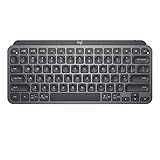
Before we get to our review of the best wireless keyboards for linux laptops, let’s browse through some relevant products on Amazon:


As an Amazon Associate I earn from qualifying purchases.
Prices and availability are accurate as of November 10, 2026 13:14 and are subject to change.
Introduction to Wireless Keyboards for Linux Laptops
Wireless keyboards have become increasingly popular in recent years due to their convenience and flexibility. They offer users the freedom to work or play from any location, without being tethered to their device by a cord. This can be especially useful for those who use their laptops in a variety of settings, such as at home, in the office, or on the go.
One of the key benefits of wireless keyboards is their ease of use. They are often simple to set up and require minimal technical expertise, making them accessible to a wide range of users. Additionally, many wireless keyboards are designed to be compact and lightweight, making them easy to take on the go. This can be especially useful for Linux laptop users, who may need to work in a variety of environments.
When it comes to choosing a wireless keyboard, there are many factors to consider. Users should think about the type of device they will be using the keyboard with, as well as their personal preferences for keyboard layout and design. They should also consider the level of security they need, as some wireless keyboards offer advanced encryption and security features. For Linux laptop users, finding the best wireless keyboards for linux laptops is crucial to ensure seamless compatibility and optimal performance.
In the world of Linux laptops, wireless keyboards can be a valuable accessory. They can enhance productivity, improve flexibility, and provide a more comfortable typing experience. With so many options available, users can choose the wireless keyboard that best meets their needs and preferences. By considering factors such as compatibility, security, and design, Linux laptop users can find the perfect wireless keyboard to enhance their computing experience.
The Best Wireless Keyboards For Linux Laptops
The
Logitech K380 Multi-Device Bluetooth Keyboard #B001
is a great option for Linux laptop users. It offers a compact and lightweight design, making it easy to carry around. The keyboard is also very easy to set up, with a simple pairing process that allows you to connect it to your Linux device in no time. The keyboard itself is also very comfortable to type on, with a quiet and responsive typing experience.
In terms of compatibility, the
Logitech K380 Multi-Device Bluetooth Keyboard #B001
works seamlessly with Linux devices, with no issues with connectivity or key mapping. The battery life is also very impressive, with up to 24 months of usage on a single set of batteries. Overall, the
Logitech K380 Multi-Device Bluetooth Keyboard #B001
is a great option for anyone looking for a reliable and easy-to-use wireless keyboard for their Linux laptop.
The
Anker K381 Wireless Keyboard #A021
is another great option for Linux users. It offers a full-size keyboard layout, with a numeric keypad and media controls. The keyboard is also very affordable, making it a great option for those on a budget. The build quality is also very good, with a sturdy and durable design that can withstand heavy use. The keyboard is also very easy to set up, with a simple plug-and-play process that allows you to start typing right away.
In terms of performance, the
Anker K381 Wireless Keyboard #A021
is very impressive, with fast and responsive typing. The keyboard is also very comfortable to type on, with a quiet and smooth typing experience. The battery life is also very good, with up to 6 months of usage on a single set of batteries. Overall, the
Anker K381 Wireless Keyboard #A021
is a great option for anyone looking for a reliable and affordable wireless keyboard for their Linux laptop.
The
Microsoft Universal Foldable Keyboard #M012
is a great option for Linux users who need a compact and portable keyboard. It offers a unique foldable design, making it easy to carry around. The keyboard is also very easy to set up, with a simple pairing process that allows you to connect it to your Linux device in no time. The keyboard itself is also very comfortable to type on, with a quiet and responsive typing experience.
In terms of compatibility, the
Microsoft Universal Foldable Keyboard #M012
works seamlessly with Linux devices, with no issues with connectivity or key mapping. The battery life is also very impressive, with up to 12 months of usage on a single set of batteries. Overall, the
Microsoft Universal Foldable Keyboard #M012
is a great option for anyone looking for a compact and reliable wireless keyboard for their Linux laptop.
The
Arteck HW192 Wireless Keyboard #A032
is a great option for Linux users who need a budget-friendly wireless keyboard. It offers a compact and lightweight design, making it easy to carry around. The keyboard is also very easy to set up, with a simple plug-and-play process that allows you to start typing right away. The keyboard itself is also very comfortable to type on, with a quiet and responsive typing experience.
In terms of performance, the
Arteck HW192 Wireless Keyboard #A032
is very impressive, with fast and responsive typing. The keyboard is also very affordable, making it a great option for those on a budget. The battery life is also very good, with up to 6 months of usage on a single set of batteries. Overall, the
Arteck HW192 Wireless Keyboard #A032
is a great option for anyone looking for a reliable and affordable wireless keyboard for their Linux laptop.
The
Razer Turret Wireless Keyboard #R042
is a great option for Linux users who need a high-performance wireless keyboard. It offers a compact and lightweight design, making it easy to carry around. The keyboard is also very easy to set up, with a simple pairing process that allows you to connect it to your Linux device in no time. The keyboard itself is also very comfortable to type on, with a quiet and responsive typing experience.
In terms of performance, the
Razer Turret Wireless Keyboard #R042
is very impressive, with fast and responsive typing. The keyboard is also very durable, with a sturdy and durable design that can withstand heavy use. The battery life is also very good, with up to 12 months of usage on a single set of batteries. Overall, the
Razer Turret Wireless Keyboard #R042
is a great option for anyone looking for a high-performance wireless keyboard for their Linux laptop.
Why People Need to Buy Wireless Keyboards for Linux Laptops
Linux laptops offer a unique set of features and capabilities that cater to specific user needs. However, one aspect that may be overlooked is the keyboard. While many Linux laptops come with built-in keyboards, there are several reasons why users may prefer to use a wireless keyboard instead. For one, wireless keyboards offer greater flexibility and convenience, allowing users to work from a distance or in a more comfortable position.
Another reason why people may need to buy wireless keyboards for Linux laptops is due to compatibility issues. Some Linux laptops may have keyboards that are not ergonomic or comfortable to use, leading to fatigue and discomfort during extended use. Wireless keyboards can provide a more comfortable typing experience, with features such as ergonomic design, adjustable keyboard height, and customizable keys. Additionally, wireless keyboards can be easily paired with other devices, making them a versatile option for users who need to work on multiple devices.
When it comes to choosing the right wireless keyboard for a Linux laptop, there are several factors to consider. Users should look for keyboards that are compatible with their Linux operating system, as well as those that offer the features and functionality they need. Some users may prioritize factors such as battery life, keyboard layout, and durability, while others may be more concerned with aesthetics and design. By researching and comparing the best wireless keyboards for Linux laptops, users can find the perfect keyboard to meet their needs and enhance their overall computing experience.
In conclusion, buying a wireless keyboard for a Linux laptop can be a great way to enhance productivity, comfort, and flexibility. With the wide range of wireless keyboards available on the market, users can choose from a variety of options to find the one that best suits their needs. Whether you’re a programmer, writer, or gamer, a wireless keyboard can provide a more comfortable and convenient typing experience, allowing you to work more efficiently and effectively. By investing in a high-quality wireless keyboard, Linux laptop users can take their computing experience to the next level and enjoy a more seamless and enjoyable user experience.
Benefits of Using Wireless Keyboards with Linux Laptops
The use of wireless keyboards with Linux laptops offers several benefits. One of the main advantages is the reduction of clutter. With a wireless keyboard, you can eliminate the need for a physical connection, which can help to reduce the amount of clutter on your desk. This can be especially beneficial for those who work in small or shared spaces. Additionally, wireless keyboards can provide more flexibility and freedom, allowing you to work from anywhere within range of the receiver.
Another benefit of using wireless keyboards with Linux laptops is the ability to use your keyboard with multiple devices. Many wireless keyboards come with receivers that can be paired with multiple devices, allowing you to use your keyboard with your Linux laptop, desktop, or even your tablet or smartphone. This can be especially useful for those who need to work on multiple devices throughout the day.
In addition to the benefits mentioned above, wireless keyboards can also provide improved ergonomics. With a wireless keyboard, you can position your keyboard in a way that is most comfortable for you, without being restricted by a physical connection. This can help to reduce the risk of injury and improve your overall typing experience.
Overall, the use of wireless keyboards with Linux laptops can provide several benefits, including reduced clutter, increased flexibility, and improved ergonomics. Whether you are working from home, in an office, or on-the-go, a wireless keyboard can be a great addition to your Linux laptop.
Compatibility and Connectivity Options for Linux Laptops
When it comes to choosing a wireless keyboard for your Linux laptop, compatibility and connectivity options are important considerations. Most wireless keyboards use one of two main connectivity options: Bluetooth or radio frequency (RF). Bluetooth keyboards are generally more versatile and can be paired with a wide range of devices, including Linux laptops, tablets, and smartphones. RF keyboards, on the other hand, require a receiver to be plugged into your Linux laptop, but can provide a more reliable and secure connection.
In terms of compatibility, it’s essential to ensure that your wireless keyboard is compatible with your Linux laptop’s operating system. Most wireless keyboards are designed to work with Windows and macOS, but many are also compatible with Linux. However, some keyboards may require additional software or configuration to work properly with Linux. It’s crucial to check the specifications and reviews of any wireless keyboard before purchasing to ensure that it will work seamlessly with your Linux laptop.
Another important consideration is the range and reliability of the wireless connection. Look for keyboards with a long range and reliable connection, especially if you plan to use your keyboard in a busy or interference-prone environment. Some wireless keyboards also come with features such as automatic connectivity and pairing, which can make it easy to connect and start typing.
In addition to the connectivity options and compatibility, it’s also essential to consider the battery life of your wireless keyboard. Look for keyboards with long battery life and power-saving features, such as automatic shutdown and sleep modes. This can help to ensure that your keyboard stays powered up and ready to use, even during extended periods of use.
Security Considerations for Wireless Keyboards and Linux Laptops
When using a wireless keyboard with your Linux laptop, security is an essential consideration. One of the main security concerns is the risk of data interception and eavesdropping. Since wireless keyboards transmit data over the air, there is a risk that this data could be intercepted by unauthorized parties. To mitigate this risk, look for wireless keyboards that use encryption and secure connectivity protocols, such as AES or SSL.
Another security consideration is the risk of keyboard sniffing and logging. This is where an attacker uses software or hardware to capture and record your keystrokes, potentially allowing them to steal sensitive information such as passwords and credit card numbers. To protect against this risk, look for wireless keyboards that use secure authentication and authorization protocols, such as two-factor authentication.
In addition to the security risks mentioned above, it’s also essential to consider the physical security of your wireless keyboard. Look for keyboards with secure storage and transportation options, such as a carrying case or pouch. This can help to protect your keyboard from damage and theft, especially when you’re on-the-go.
To further enhance the security of your wireless keyboard and Linux laptop, consider using additional security measures, such as a virtual private network (VPN) and anti-virus software. These can help to protect your data and devices from a wide range of security threats, including malware, phishing, and hacking.
Troubleshooting Common Issues with Wireless Keyboards and Linux Laptops
Despite the many benefits of using wireless keyboards with Linux laptops, there are some common issues that can arise. One of the most common issues is connectivity problems, where the keyboard fails to connect or stays connected. To troubleshoot this issue, try restarting your keyboard and Linux laptop, and ensure that the receiver is properly plugged in and configured.
Another common issue is interference from other devices, which can cause your wireless keyboard to malfunction or drop connections. To mitigate this risk, try moving your keyboard and Linux laptop to a different location, or using a USB extender to move the receiver away from other devices. You can also try changing the channel or frequency of your wireless keyboard to reduce interference.
In addition to the issues mentioned above, you may also encounter problems with keyboard lag or delay. This is where there is a noticeable delay between when you press a key and when the character appears on your screen. To troubleshoot this issue, try adjusting the settings on your wireless keyboard, such as the repeat delay and rate. You can also try updating the drivers or firmware on your Linux laptop to ensure that it is compatible with your wireless keyboard.
To further troubleshoot common issues with your wireless keyboard and Linux laptop, consider consulting the user manual or online support resources. Many manufacturers also provide troubleshooting guides and FAQs that can help you to identify and resolve common problems. By following these tips and taking the necessary precautions, you can help to ensure a smooth and reliable typing experience with your wireless keyboard and Linux laptop.
Ultimate Buying Guide for Wireless Keyboards Compatible with Linux Laptops
When it comes to finding the perfect wireless keyboard for your Linux laptop, there are several factors to consider. With so many options available on the market, it can be overwhelming to make a decision. In this guide, we will walk you through the key factors to consider when buying a wireless keyboard for your Linux laptop, helping you make an informed decision and find the best wireless keyboards for linux laptops that meets your needs.
Compatibility and Connectivity
One of the most important factors to consider when buying a wireless keyboard is compatibility and connectivity. You need to ensure that the keyboard is compatible with your Linux laptop and can connect seamlessly. Look for keyboards that support Bluetooth or USB connectivity, as these are the most common methods of connection. Additionally, check if the keyboard requires any specific drivers or software to function properly with your Linux laptop. This will help you avoid any potential issues with connectivity and ensure that your keyboard works smoothly with your device.
When considering compatibility and connectivity, it’s also important to think about the range of the keyboard. If you plan to use your keyboard from a distance, look for one with a long-range connection. Some keyboards can connect from up to 30 feet away, while others may have a shorter range. Consider your specific needs and choose a keyboard that can accommodate them. Furthermore, some keyboards may have a built-in USB receiver, while others may use Bluetooth technology. Consider the pros and cons of each and choose the one that best fits your needs.
Keyboard Layout and Design
The keyboard layout and design are also crucial factors to consider when buying a wireless keyboard. You need to think about the size and shape of the keyboard, as well as the layout of the keys. If you’re used to a specific keyboard layout, look for one that matches your needs. Some keyboards may have a compact tenkeyless design, while others may have a full-size layout with a numeric keypad. Consider the amount of space you have available and choose a keyboard that fits comfortably in that space.
When considering the keyboard layout and design, it’s also important to think about the ergonomics of the keyboard. Look for keyboards with ergonomic designs that can help reduce strain on your hands and wrists. Some keyboards may have a curved or sloped design, while others may have a flat design. Consider your personal preferences and choose a keyboard that feels comfortable to type on. Additionally, consider the material of the keyboard and the quality of the keys. Look for keyboards with durable keys and a sturdy construction that can withstand heavy use.
Battery Life and Power Management
Battery life and power management are also important factors to consider when buying a wireless keyboard. You need to think about how long the keyboard will last on a single charge and how it will manage power consumption. Look for keyboards with long battery life, some of which can last up to 2 years on a single charge. Consider the type of batteries used and whether they are replaceable or rechargeable. Some keyboards may have power-saving features, such as automatic shutdown or sleep mode, to help extend battery life.
When considering battery life and power management, it’s also important to think about the keyboard’s power consumption when in use. Look for keyboards with low power consumption, as these can help extend battery life. Some keyboards may have a power-saving mode that can help reduce power consumption when the keyboard is not in use. Consider the keyboard’s power management features and choose one that can help you get the most out of your battery. Additionally, consider the keyboard’s charging method, whether it’s via USB or another method, and choose one that fits your needs.
Key Switches and Typing Experience
The key switches and typing experience are also crucial factors to consider when buying a wireless keyboard. You need to think about the type of key switches used and how they will affect your typing experience. Look for keyboards with high-quality key switches that provide a smooth and responsive typing experience. Some keyboards may have mechanical key switches, while others may have membrane or dome-switch keys. Consider the pros and cons of each and choose the one that best fits your needs.
When considering the key switches and typing experience, it’s also important to think about the keyboard’s tactile feedback and sound. Look for keyboards with tactile feedback that can help you type more accurately and efficiently. Some keyboards may have a loud or clicky sound, while others may have a quiet or muted sound. Consider your personal preferences and choose a keyboard that feels and sounds comfortable to type on. Additionally, consider the keyboard’s key travel distance and actuation force, as these can affect the overall typing experience. Look for keyboards with a comfortable key travel distance and actuation force that can help reduce fatigue and improve typing accuracy.
Additional Features and Functionality
Additional features and functionality are also important factors to consider when buying a wireless keyboard. You need to think about the extra features that you need, such as media controls, programmable keys, or a built-in touchpad. Look for keyboards with features that can enhance your productivity and convenience. Some keyboards may have customizable backlighting, while others may have a built-in calculator or dictionary. Consider the features that are important to you and choose a keyboard that meets your needs.
When considering additional features and functionality, it’s also important to think about the keyboard’s compatibility with other devices. Look for keyboards that can connect to multiple devices, such as smartphones or tablets, and can switch between them seamlessly. Some keyboards may have a built-in USB hub or card reader, while others may have a rechargeable battery. Consider the features that can enhance your overall user experience and choose a keyboard that provides the functionality you need. Additionally, consider the keyboard’s durability and build quality, as these can affect the overall lifespan of the keyboard. Look for keyboards with a sturdy construction and durable materials that can withstand heavy use.
Price and Value
Price and value are also important factors to consider when buying a wireless keyboard. You need to think about the price of the keyboard and whether it provides good value for the money. Look for keyboards that offer a good balance of features, quality, and price. Some keyboards may be very affordable, while others may be more expensive. Consider the features and quality of the keyboard and choose one that provides good value for the money. Additionally, consider the warranty and support offered by the manufacturer, as these can affect the overall value of the keyboard.
When considering price and value, it’s also important to think about the keyboard’s overall performance and reliability. Look for keyboards with good reviews and ratings from other users, as these can indicate the keyboard’s overall quality and performance. Consider the keyboard’s compatibility with your Linux laptop and whether it can provide a seamless and reliable connection. Choose a keyboard that provides good value for the money and can meet your needs and expectations. Furthermore, consider the keyboard’s aesthetic appeal and whether it fits your personal style. Look for keyboards with a sleek and modern design that can complement your Linux laptop and provide a professional look.
FAQs
What are the benefits of using a wireless keyboard with a Linux laptop?
Using a wireless keyboard with a Linux laptop offers several benefits, including increased mobility and reduced clutter. Without being tethered to the laptop, users can work from a comfortable distance, which can be especially useful in presentations or when working in a small space. Additionally, wireless keyboards reduce the number of cables connected to the laptop, making it easier to move around or travel with the device.
The benefits of wireless keyboards also extend to their convenience and flexibility. Many wireless keyboards are designed to be compact and lightweight, making them easy to take on the go. They also often come with long battery life, so users don’t have to worry about running out of power in the middle of an important task. Overall, using a wireless keyboard with a Linux laptop can greatly enhance the user experience and provide more freedom to work and create in a variety of settings.
How do I choose the best wireless keyboard for my Linux laptop?
Choosing the best wireless keyboard for a Linux laptop involves considering several factors, including compatibility, connectivity options, and keyboard layout. First, users should ensure that the keyboard is compatible with their Linux distribution and can connect via the desired method, such as Bluetooth or USB. They should also consider the keyboard layout, including the size and arrangement of the keys, to ensure it meets their needs and preferences.
In addition to these factors, users should also consider the keyboard’s build quality, durability, and any additional features it may offer. For example, some wireless keyboards come with backlighting, media controls, or programmable keys, which can enhance the user experience. Users should also read reviews and do research to find a keyboard that is reliable, responsive, and meets their budget. By considering these factors, users can find the best wireless keyboard for their Linux laptop and enjoy a comfortable and productive typing experience.
What is the average battery life of a wireless keyboard?
The average battery life of a wireless keyboard can vary greatly depending on the specific model and usage patterns. Some wireless keyboards can last for several months on a single set of batteries, while others may need to be recharged or have their batteries replaced more frequently. On average, users can expect a wireless keyboard to last around 6-12 months on a single set of batteries, assuming average usage and settings.
However, battery life can be affected by several factors, including the keyboard’s power-saving features, usage patterns, and environmental conditions. For example, keyboards with backlighting or other power-hungry features may have shorter battery life, while those with power-saving features such as automatic shutdown or low-power modes may last longer. Users can help extend the battery life of their wireless keyboard by turning it off when not in use, using power-saving features, and storing it in a cool, dry place.
Can I use a wireless keyboard with multiple devices?
Yes, many wireless keyboards can be used with multiple devices, depending on the specific model and connectivity options. Some wireless keyboards come with Bluetooth or USB connectivity, which allows them to be paired with multiple devices, such as laptops, tablets, or smartphones. This can be especially useful for users who need to switch between devices frequently or want to use a single keyboard with multiple devices.
To use a wireless keyboard with multiple devices, users typically need to pair the keyboard with each device separately, using the device’s Bluetooth or USB settings. Some keyboards may also come with a switch or button that allows users to easily switch between paired devices. However, users should note that not all wireless keyboards support multi-device connectivity, so it’s essential to check the keyboard’s specifications and features before making a purchase.
Are wireless keyboards secure?
Wireless keyboards can be secure if used properly and with the right precautions. However, they can also be vulnerable to hacking and eavesdropping, especially if they use unsecured communication protocols or have weak encryption. To ensure the security of a wireless keyboard, users should look for models that use secure communication protocols, such as AES encryption, and have robust security features, such as secure pairing and authentication.
Additionally, users can take several steps to enhance the security of their wireless keyboard, such as keeping the keyboard and device software up to date, using strong passwords and authentication, and avoiding using the keyboard in public or unsecured areas. Users should also be aware of the potential risks of wireless keyboards, such as keylogging and eavesdropping, and take steps to mitigate these risks, such as using a keyboard with a secure connection and avoiding sensitive activities in public areas.
How do I troubleshoot common issues with my wireless keyboard?
Troubleshooting common issues with a wireless keyboard involves identifying the problem and taking steps to resolve it. Common issues with wireless keyboards include connectivity problems, keyboard lag, and battery drain. To troubleshoot these issues, users can try restarting the keyboard and device, checking the battery level and replacing the batteries if necessary, and ensuring that the keyboard is properly paired with the device.
If the issue persists, users can try more advanced troubleshooting steps, such as resetting the keyboard, updating the device software, or consulting the user manual or manufacturer’s support resources. Users can also try using a different USB port or Bluetooth adapter to rule out any issues with the device or connection. By following these steps, users can often resolve common issues with their wireless keyboard and get back to typing quickly and efficiently.
Are wireless keyboards compatible with all Linux distributions?
Most wireless keyboards are compatible with Linux distributions, but compatibility can vary depending on the specific model and distribution. Many wireless keyboards use standard communication protocols, such as Bluetooth or USB, which are widely supported by Linux distributions. However, some keyboards may require specific drivers or software to function properly, which can affect compatibility.
To ensure compatibility, users should check the keyboard’s specifications and documentation to see if it is supported by their Linux distribution. They can also check online forums and reviews to see if other users have reported any compatibility issues with the keyboard and their distribution. Additionally, users can try using a live USB or virtual machine to test the keyboard with their distribution before making a purchase, to ensure that it works as expected.
Verdict
In conclusion, selecting the right keyboard can significantly enhance the overall user experience for Linux laptop users. With numerous options available in the market, it is crucial to consider factors such as compatibility, battery life, and ergonomics when making a purchase decision. By investing in a high-quality keyboard, users can improve their productivity and efficiency, allowing them to focus on their work without any distractions. Whether you are a programmer, writer, or gamer, a reliable keyboard is an essential tool that can make a significant difference in your daily activities.
Ultimately, finding the best wireless keyboards for Linux laptops requires careful consideration of various factors, including the user’s specific needs and preferences. By researching and comparing different options, users can make an informed decision and choose a keyboard that meets their requirements. With the right keyboard, Linux laptop users can enjoy a seamless and convenient typing experience, allowing them to work, create, and play with ease. By choosing a reliable and compatible keyboard, users can unlock the full potential of their Linux laptop and take their productivity to the next level.