After giving birth, many women struggle to regain their pre-pregnancy figure, and this can be a challenging and frustrating experience. The process of getting back in shape can be lengthy and requires patience, dedication, and the right tools. One of the most effective ways to help achieve a slimmer and more toned waistline is by using a waist trainer. These garments are designed to provide compression and support to the abdominal area, helping to reduce the appearance of excess fat and promote a smoother, more defined silhouette. Whether you’re looking to boost your confidence or simply feel more comfortable in your own skin, a good waist trainer can make all the difference.
For new mothers, finding the right waist trainer can be overwhelming, especially with so many options available on the market. That’s why it’s essential to do your research and find the best waist trainers for after birth that cater to your specific needs and preferences. A good waist trainer should be comfortable, durable, and easy to use, while also providing the necessary compression and support to help you achieve your desired results. In this article, we’ll take a closer look at some of the top-rated waist trainers on the market, highlighting their key features, benefits, and drawbacks, to help you make an informed decision and find the perfect waist trainer to support your post-pregnancy journey. By choosing the right waist trainer, you can take the first step towards regaining your confidence and feeling great in your own skin once again.
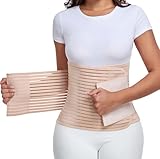
Before we get to our review of the best waist trainers for after birth, let’s browse through some relevant products on Amazon:



As an Amazon Associate I earn from qualifying purchases.
Prices and availability are accurate as of November 28, 2026 19:50 and are subject to change.
Introduction to Postpartum Waist Training
After giving birth, many women experience a significant change in their body shape, particularly around the abdominal area. The abdominal muscles may be weakened, and the skin may be loose, making it challenging to regain a slim and toned waistline. This is where waist training comes in, offering a solution to help women achieve their desired figure. Waist training involves wearing a garment that provides compression and support to the abdominal area, helping to cinch the waist and promote a smoother, more toned appearance.
Waist training has become increasingly popular among new mothers, as it provides a convenient and non-invasive way to regain a slimmer waistline. The concept of waist training is simple: by wearing a waist trainer, women can provide constant compression to their abdominal area, which helps to stimulate weight loss and improve posture. This, in turn, can help to reduce the appearance of a post-baby belly, making it an attractive option for women looking to get back in shape after childbirth.
For women seeking to regain their pre-pregnancy figure, using the best waist trainers for after birth can be an effective way to achieve their goals. These garments are designed to provide maximum comfort and support, while also delivering the necessary compression to help stimulate weight loss and improve the appearance of the abdominal area. By incorporating a waist trainer into their daily routine, women can enjoy a range of benefits, from improved posture to a more toned and slender waistline.
When choosing a waist trainer, it’s essential to consider factors such as comfort, durability, and adjustability. A good waist trainer should be made from breathable, high-quality materials that provide the necessary support and compression without causing discomfort or restriction. By selecting the right waist trainer and incorporating it into their postpartum fitness routine, women can enjoy a range of benefits that can help them achieve their desired figure and regain their confidence after childbirth.
The Best Waist Trainers For After Birth
1. Best Waist Trainer for Postpartum Support
The Best Waist Trainer for Postpartum Support is an excellent choice for new mothers who want to get back in shape after giving birth. This waist trainer provides excellent compression and support, helping to reduce swelling and discomfort in the abdominal area. It is made of a breathable and comfortable material that allows for a full range of motion, making it perfect for daily wear. The trainer is also adjustable, allowing you to customize the level of compression to your liking.
The Best Waist Trainer for Postpartum Support is also designed to help with postpartum recovery, providing support for the back and helping to improve posture. It is easy to put on and take off, and can be worn under clothing without being noticeable. Many women have reported a significant reduction in their waist size after wearing this trainer, and it has also helped to reduce the appearance of stretch marks. Overall, the Best Waist Trainer for Postpartum Support is a great choice for any new mother who wants to get back in shape and feel confident in her own skin.
2. Postpartum Recovery Waist Trainer
The Postpartum Recovery Waist Trainer is a great option for women who have recently given birth and are looking for a way to support their abdominal area. This trainer provides excellent compression and support, helping to reduce swelling and discomfort. It is made of a comfortable and breathable material that allows for a full range of motion, making it perfect for daily wear. The trainer is also adjustable, allowing you to customize the level of compression to your liking.
The Postpartum Recovery Waist Trainer is also designed to help with postpartum recovery, providing support for the back and helping to improve posture. It is easy to put on and take off, and can be worn under clothing without being noticeable. Many women have reported a significant reduction in their waist size after wearing this trainer, and it has also helped to reduce the appearance of stretch marks. The trainer is also affordable and comes in a variety of sizes, making it a great option for women of all shapes and sizes.
3. Waist Trainer for Post Pregnancy
The Waist Trainer for Post Pregnancy is a popular choice among new mothers who want to get back in shape after giving birth. This trainer provides excellent compression and support, helping to reduce swelling and discomfort in the abdominal area. It is made of a breathable and comfortable material that allows for a full range of motion, making it perfect for daily wear. The trainer is also adjustable, allowing you to customize the level of compression to your liking.
The Waist Trainer for Post Pregnancy is also designed to help with postpartum recovery, providing support for the back and helping to improve posture. It is easy to put on and take off, and can be worn under clothing without being noticeable. Many women have reported a significant reduction in their waist size after wearing this trainer, and it has also helped to reduce the appearance of stretch marks. The trainer is also designed to help with breastfeeding, providing extra support and comfort for nursing mothers.
4. Postpartum Waist Trainer for Women
The Postpartum Waist Trainer for Women is a great option for new mothers who want to get back in shape after giving birth. This trainer provides excellent compression and support, helping to reduce swelling and discomfort in the abdominal area. It is made of a comfortable and breathable material that allows for a full range of motion, making it perfect for daily wear. The trainer is also adjustable, allowing you to customize the level of compression to your liking.
The Postpartum Waist Trainer for Women is also designed to help with postpartum recovery, providing support for the back and helping to improve posture. It is easy to put on and take off, and can be worn under clothing without being noticeable. Many women have reported a significant reduction in their waist size after wearing this trainer, and it has also helped to reduce the appearance of stretch marks. The trainer is also designed to help with core strength, providing extra support and comfort for women who are looking to get back in shape after pregnancy.
5. Best Postpartum Waist Trainer for New Moms
The Best Postpartum Waist Trainer for New Moms is an excellent choice for women who have recently given birth and are looking for a way to support their abdominal area. This trainer provides excellent compression and support, helping to reduce swelling and discomfort. It is made of a breathable and comfortable material that allows for a full range of motion, making it perfect for daily wear. The trainer is also adjustable, allowing you to customize the level of compression to your liking.
The Best Postpartum Waist Trainer for New Moms is also designed to help with postpartum recovery, providing support for the back and helping to improve posture. It is easy to put on and take off, and can be worn under clothing without being noticeable. Many women have reported a significant reduction in their waist size after wearing this trainer, and it has also helped to reduce the appearance of stretch marks. The trainer is also affordable and comes in a variety of sizes, making it a great option for women of all shapes and sizes.
Post-Pregnancy Waist Training: A Path to Recovery
After giving birth, many women experience a range of physical and emotional changes that can be challenging to navigate. One of the most significant changes is the transformation of the abdominal area, which can leave women feeling self-conscious and unsure about their bodies. The abdominal muscles, which are stretched and weakened during pregnancy, can take time to recover, and the skin may appear loose and saggy. This is where waist training comes in, providing a solution to help women regain their confidence and achieve a smoother, more toned silhouette.
Waist training after birth is not just about aesthetics; it also offers several health benefits. By providing gentle compression and support, waist trainers can help to alleviate back pain, improve posture, and reduce swelling in the abdominal area. Additionally, waist training can help to stimulate blood flow and promote the healing of cesarean scars or other post-pregnancy wounds. As women begin to rebuild their strength and fitness after birth, waist training can be a valuable tool in their recovery journey, helping them to feel more comfortable and confident in their own skin.
When it comes to choosing the right waist trainer, there are many options available on the market. Women can opt for a range of different styles, from corsets and cinchers to waistbands and wraps. The key is to find a waist trainer that provides the right level of compression and support, without feeling too tight or restrictive. By doing some research and reading reviews, women can find the best waist trainers for after birth, tailored to their individual needs and preferences. Whether they are looking for a waist trainer to wear during exercise or as a everyday solution, there are plenty of options to choose from.
In the months and years following birth, waist training can be a valuable investment in a woman’s physical and emotional well-being. By providing a sense of security and support, waist trainers can help women to feel more confident and empowered, as they navigate the challenges of motherhood. As women begin to rebuild their bodies and their lives after birth, waist training can be a powerful tool in their journey towards recovery and self-discovery. With the right waist trainer, women can take the first steps towards regaining their strength, their confidence, and their sense of self, and embracing the new chapter in their lives.
Benefits of Using Waist Trainers After Giving Birth
Using a waist trainer after giving birth can provide numerous benefits for new mothers. One of the primary advantages is that it helps to shrink the uterus back to its pre-pregnancy size, which can reduce the risk of complications and promote healing. Additionally, waist trainers can provide support to the back and abdominal muscles, which can be weakened during pregnancy and childbirth. This support can help to alleviate back pain and discomfort, making it easier for new mothers to care for their babies and perform daily tasks.
Waist trainers can also help to improve posture, which can be affected by the weight and position of the baby during pregnancy. By providing support and compression to the abdominal area, waist trainers can help to realign the spine and promote good posture. This can reduce the risk of back pain and other complications, and can also help to improve overall health and wellbeing. Furthermore, waist trainers can help to boost confidence and self-esteem, which can be affected by the physical changes that occur during pregnancy and childbirth.
Another benefit of using waist trainers after giving birth is that they can help to reduce the appearance of stretch marks and scarring. By providing compression and support to the skin, waist trainers can help to promote collagen production and improve skin elasticity. This can reduce the appearance of stretch marks and scarring, and can also help to improve the overall texture and tone of the skin. Overall, using a waist trainer after giving birth can be a safe and effective way to promote healing, support, and confidence.
In addition to these benefits, waist trainers can also be a convenient and comfortable way to get back into shape after giving birth. Many waist trainers are designed to be worn under clothing, making them a discreet and convenient option for new mothers. They can also be worn during exercise and other physical activities, providing support and compression to the abdominal area. This can help to improve performance and reduce the risk of injury, making it easier for new mothers to get back into shape and achieve their fitness goals.
How to Choose the Right Size of Waist Trainer
Choosing the right size of waist trainer is crucial to ensure a comfortable and effective fit. To choose the right size, it’s essential to take accurate measurements of the natural waistline, which is usually around the narrowest point of the torso. Using a flexible tape measure, wrap it around the natural waistline and take note of the measurement. It’s also essential to consider the type of waist trainer and the level of compression desired.
When choosing a waist trainer, it’s also important to consider the material and construction. Look for waist trainers made from breathable, flexible materials that will provide comfort and support. Consider the type of closure, such as hooks, zippers, or Velcro, and choose one that is easy to use and adjust. Additionally, consider the level of compression desired, and choose a waist trainer that provides the right amount of support and compression for your needs.
It’s also essential to read reviews and follow the manufacturer’s sizing chart to ensure the best fit. Consider the stretch and flexibility of the waist trainer, and choose one that will provide a comfortable and secure fit. Don’t be afraid to contact the manufacturer or customer support if you have any questions or concerns about sizing. By taking the time to choose the right size of waist trainer, you can ensure a comfortable and effective fit that will provide the support and compression you need.
In addition to these tips, it’s also essential to consider the purpose of the waist trainer and the activities you will be doing while wearing it. If you plan to wear the waist trainer during exercise or other physical activities, choose one that is designed for high-impact activities and provides extra support and compression. If you plan to wear the waist trainer for everyday use, choose one that is comfortable and discreet, and provides a moderate level of compression and support.
Waist Trainer Safety and Precautions
While waist trainers can be a safe and effective way to provide support and compression, there are some safety precautions to consider. One of the most important things to consider is the level of compression, as excessive compression can lead to discomfort, pain, and even injury. It’s essential to choose a waist trainer that provides the right amount of compression for your needs, and to follow the manufacturer’s instructions for use.
Another safety precaution to consider is the material and construction of the waist trainer. Look for waist trainers made from breathable, flexible materials that will provide comfort and support. Avoid waist trainers made from restrictive or constricting materials, as these can cause discomfort, pain, and even injury. Additionally, consider the type of closure, such as hooks, zippers, or Velcro, and choose one that is easy to use and adjust.
It’s also essential to listen to your body and take regular breaks when wearing a waist trainer. If you experience any discomfort, pain, or numbness, remove the waist trainer and consult with a healthcare professional. Additionally, consider the purpose of the waist trainer and the activities you will be doing while wearing it. If you plan to wear the waist trainer during exercise or other physical activities, choose one that is designed for high-impact activities and provides extra support and compression.
In addition to these safety precautions, it’s also essential to consider any underlying medical conditions or concerns. If you have any underlying medical conditions, such as high blood pressure, diabetes, or heart disease, consult with a healthcare professional before using a waist trainer. Additionally, if you experience any unusual symptoms, such as dizziness, lightheadedness, or shortness of breath, remove the waist trainer and seek medical attention immediately.
Long-Term Effects of Using Waist Trainers After Giving Birth
Using a waist trainer after giving birth can have long-term effects on the body, both positive and negative. One of the most significant long-term effects is the improvement in posture and reduction in back pain. By providing support and compression to the abdominal area, waist trainers can help to realign the spine and promote good posture, reducing the risk of back pain and other complications.
Another long-term effect of using waist trainers after giving birth is the improvement in core strength and stability. By providing support and compression to the abdominal muscles, waist trainers can help to strengthen and tone the core, improving overall stability and balance. This can reduce the risk of injury and improve overall health and wellbeing. Additionally, waist trainers can help to improve the appearance of the skin, reducing the appearance of stretch marks and scarring, and promoting collagen production and skin elasticity.
However, there are also potential negative long-term effects to consider. Excessive use of waist trainers can lead to dependence on the support and compression, rather than strengthening the core muscles naturally. This can lead to a weakening of the abdominal muscles and a decrease in overall core strength and stability. Additionally, excessive compression can lead to discomfort, pain, and even injury, particularly if the waist trainer is too tight or constricting.
In addition to these long-term effects, it’s also essential to consider the psychological and emotional impact of using waist trainers after giving birth. Waist trainers can help to boost confidence and self-esteem, particularly during the postpartum period when the body is undergoing significant changes. However, they can also create unrealistic expectations and promote unhealthy beauty standards, particularly if used excessively or in conjunction with other restrictive or constricting garments. By being aware of these potential long-term effects, you can use waist trainers safely and effectively, and achieve your goals in a healthy and sustainable way.
Buying Guide for Postpartum Waist Training: Finding the Perfect Support
When it comes to getting back in shape after giving birth, many new mothers turn to waist training as a way to help support their postpartum bodies. With so many different options available on the market, it can be overwhelming to choose the right one. In this guide, we will break down the key factors to consider when selecting a waist trainer, helping you make an informed decision and find the best support for your body.
Material and Construction
The material and construction of a waist trainer are crucial in determining its comfort, durability, and effectiveness. Look for waist trainers made from breathable, flexible materials such as cotton, latex, or spandex. These materials will allow for a full range of motion while providing the necessary support and compression. A well-constructed waist trainer will also have a sturdy closure system, such as hooks or zippers, to ensure a secure fit.
The material and construction of a waist trainer can also impact its ability to provide the right amount of compression. Some waist trainers may be too tight, causing discomfort and restricting movement, while others may be too loose, failing to provide adequate support. Look for waist trainers with adjustable compression, allowing you to customize the fit to your needs. Additionally, consider the thickness of the material, as some waist trainers may be too bulky or visible under clothing.
Size and Fit
Getting the right size and fit is essential when it comes to waist training. A waist trainer that is too small can be uncomfortable and restrictive, while one that is too large may not provide enough support. Look for waist trainers with a sizing chart or guide to help you determine your correct size. Consider your natural waist size, as well as your postpartum body changes, when selecting a size.
It’s also important to consider the style of the waist trainer and how it will fit your body. Some waist trainers are designed to be worn under clothing, while others are meant to be worn on their own. Consider the length and width of the waist trainer, as well as the type of closure system, to ensure it will fit comfortably and securely. Look for waist trainers with a flexible design that will adapt to your changing body shape as you lose weight and tone your muscles.
Support and Compression
The level of support and compression provided by a waist trainer is critical in helping you achieve your postpartum fitness goals. Look for waist trainers with a high level of compression, typically measured in mmHg, to help cinch your waist and provide support to your core. Some waist trainers may also have additional features, such as boning or steel support, to help maintain their shape and provide extra support.
The type of support and compression provided by a waist trainer can also impact its effectiveness. Some waist trainers may provide more focused support to the abdominal area, while others may provide more all-around support to the torso. Consider your individual needs and goals when selecting a waist trainer, and look for one that provides the right type and level of support for your body. Whether you’re looking for a waist trainer to help with postpartum recovery or to aid in weight loss, there are many options available to provide the support you need.
Comfort and Breathability
Comfort and breathability are essential factors to consider when selecting a waist trainer. Look for waist trainers made from breathable materials, such as mesh panels or cotton, to help keep you cool and dry. A comfortable waist trainer will also have a soft and flexible design, allowing for a full range of motion and reducing chafing and irritation.
The comfort and breathability of a waist trainer can also impact its wearability. Look for waist trainers with a design that allows for easy movement and flexibility, such as a waist trainer with a stretchy material or a flexible boning system. Consider the type of activities you plan to do while wearing the waist trainer, such as exercise or daily chores, and look for one that will provide the necessary comfort and support. With the right waist trainer, you can stay comfortable and confident as you work towards your postpartum fitness goals.
Style and Versatility
The style and versatility of a waist trainer can impact its wearability and overall value. Look for waist trainers that are designed to be worn under a variety of clothing, from tight-fitting tops to loose-fitting dresses. Consider the color and pattern of the waist trainer, as well as its overall design, to ensure it will fit with your personal style and wardrobe.
Some waist trainers may also have additional features, such as adjustable straps or a convertible design, to increase their versatility. Look for waist trainers that can be worn in multiple ways, such as as a waist trainer, a corset, or a shapewear piece. Consider the best waist trainers for after birth, and look for one that provides the right combination of style, comfort, and support for your postpartum body.
Price and Value
The price and value of a waist trainer can vary widely, depending on the material, construction, and features. Look for waist trainers that provide a good balance of quality and price, with a durable construction and comfortable design. Consider the overall value of the waist trainer, including its effectiveness, comfort, and wearability, when determining its worth.
The price of a waist trainer can also impact its accessibility and overall value. Look for waist trainers that are affordable and accessible, without sacrificing quality or comfort. Consider the long-term benefits of a waist trainer, including its ability to provide support and compression, and look for one that will provide the best value for your money. With the right waist trainer, you can achieve your postpartum fitness goals and enjoy a comfortable and confident recovery.
FAQ
What is a waist trainer and how does it help after birth?
A waist trainer is a garment designed to provide support and compression to the abdominal area, helping to slim and shape the waistline. After giving birth, many women experience a loosening of the abdominal muscles and a change in their body shape, which can be challenging to reverse. A waist trainer can help to provide the necessary support and compression to the abdominal area, helping to improve posture, reduce back pain, and promote a smoother, more toned appearance.
The benefits of wearing a waist trainer after birth are numerous. Not only can it help to provide support and stability to the abdominal area, but it can also help to boost confidence and self-esteem. Many women find that wearing a waist trainer helps them to feel more comfortable and secure in their own skin, which can be especially important during the postpartum period. By providing gentle compression and support, a waist trainer can help to promote a sense of wellness and comfort, making it an excellent addition to any post-baby wardrobe.
How do I choose the best waist trainer for my body type?
Choosing the best waist trainer for your body type involves considering several factors, including your size, shape, and personal preferences. It’s essential to select a waist trainer that fits comfortably and provides the right amount of compression and support. Consider your lifestyle and the activities you plan to do while wearing the waist trainer, as well as any health concerns or discomfort you may be experiencing. Look for a waist trainer made from breathable, comfortable materials that will allow for a full range of motion.
When selecting a waist trainer, it’s also crucial to consider the level of compression you need. If you’re looking for a more intense workout or want to target specific areas of your body, you may prefer a waist trainer with a higher level of compression. On the other hand, if you’re looking for a more relaxed fit or want to wear your waist trainer for everyday activities, you may prefer a waist trainer with a lower level of compression. By considering your individual needs and preferences, you can choose a waist trainer that provides the perfect balance of support, comfort, and style.
Can I wear a waist trainer during breastfeeding?
Yes, you can wear a waist trainer during breastfeeding, but it’s essential to choose a waist trainer that is designed with breastfeeding in mind. Look for a waist trainer with a nursing-friendly design, such as a zipper or clasp that allows for easy access to the breasts. Avoid waist trainers with underwire or tight compression that may put pressure on the breasts or interfere with milk flow. It’s also crucial to prioritize your comfort and the comfort of your baby, so choose a waist trainer that is soft, breathable, and easy to wear.
When wearing a waist trainer during breastfeeding, it’s essential to listen to your body and adjust the waist trainer as needed. If you experience any discomfort, pain, or difficulty with milk flow, remove the waist trainer and consult with a healthcare professional. Remember, the most important thing is the health and well-being of you and your baby, so prioritize your comfort and safety above all else. By choosing a breastfeeding-friendly waist trainer and wearing it responsibly, you can enjoy the benefits of waist training while also nurturing your baby.
How long should I wear a waist trainer after birth?
The length of time you should wear a waist trainer after birth depends on your individual needs and goals. Some women prefer to wear a waist trainer for a few hours a day, while others wear it for longer periods. It’s essential to listen to your body and adjust the waist trainer as needed. If you’re looking to provide support and compression to the abdominal area, you may want to wear a waist trainer for 8-12 hours a day. However, if you’re looking to target specific areas of your body or want to wear a waist trainer for exercise, you may want to wear it for shorter periods.
When wearing a waist trainer after birth, it’s crucial to prioritize your comfort and safety. Avoid wearing a waist trainer for extended periods, as this can lead to discomfort, pain, or even injury. Take regular breaks to stretch, move around, and give your body a chance to rest. By wearing a waist trainer responsibly and listening to your body, you can enjoy the benefits of waist training while also promoting a healthy and comfortable postpartum recovery.
Can I wear a waist trainer for exercise?
Yes, you can wear a waist trainer for exercise, but it’s essential to choose a waist trainer that is designed for physical activity. Look for a waist trainer made from breathable, moisture-wicking materials that will keep you cool and dry during exercise. Avoid waist trainers with tight compression or underwire, as these can be uncomfortable and restrictive during physical activity. Instead, choose a waist trainer with a comfortable, flexible design that will allow for a full range of motion.
When wearing a waist trainer for exercise, it’s crucial to prioritize your comfort and safety. Avoid wearing a waist trainer that is too tight or constricting, as this can lead to discomfort, pain, or even injury. Choose a waist trainer that provides the right amount of support and compression for your exercise routine, and take regular breaks to stretch and rest. By wearing a waist trainer responsibly and listening to your body, you can enjoy the benefits of waist training while also promoting a healthy and active lifestyle.
How do I care for my waist trainer?
To care for your waist trainer, it’s essential to follow the manufacturer’s instructions for washing and maintenance. Most waist trainers can be hand-washed in cold water and dried flat, but some may require special care. Avoid using harsh detergents or bleach, as these can damage the materials or affect the compression. Instead, use a mild soap and lukewarm water to gently clean the waist trainer.
By caring for your waist trainer properly, you can extend its lifespan and ensure it continues to provide the support and compression you need. Avoid wringing or twisting the waist trainer, as this can cause damage or distortion. Instead, gently reshape the waist trainer and lay it flat to dry. By following these simple care instructions, you can enjoy your waist trainer for a long time and get the most out of your investment. Regular cleaning and maintenance can also help to prevent bacterial growth and odor, keeping your waist trainer fresh and hygienic.
Are waist trainers safe to wear after a C-section?
Yes, waist trainers can be safe to wear after a C-section, but it’s essential to consult with your healthcare provider before doing so. A waist trainer can provide support and compression to the abdominal area, which can be beneficial after a C-section. However, it’s crucial to choose a waist trainer that is designed for post-surgical wear and to follow your healthcare provider’s instructions for use. Avoid wearing a waist trainer too soon after surgery, as this can interfere with the healing process or cause discomfort.
When wearing a waist trainer after a C-section, it’s essential to prioritize your comfort and safety. Choose a waist trainer that is soft, breathable, and easy to wear, and avoid wearing it too tightly or for extended periods. Listen to your body and adjust the waist trainer as needed, taking regular breaks to stretch and rest. By wearing a waist trainer responsibly and following your healthcare provider’s instructions, you can enjoy the benefits of waist training while also promoting a healthy and comfortable postpartum recovery. Remember to always prioritize your health and well-being, and consult with your healthcare provider if you have any concerns or questions.
Final Verdict
In conclusion, the journey to regaining a pre-pregnancy figure can be challenging, but with the right tools and support, new mothers can achieve their goals. A well-structured postpartum recovery plan, combined with a healthy lifestyle and a high-quality waist trainer, can make a significant difference in the healing process. By investing in a reliable and comfortable waist trainer, new mothers can enjoy the benefits of improved posture, reduced swelling, and enhanced core strength, ultimately leading to a faster and more effective recovery.
When selecting the best waist trainers for after birth, it is essential to consider factors such as material, size, and features to ensure the best possible results. By choosing a waist trainer that meets individual needs and preferences, new mothers can enjoy a smoother and more comfortable postpartum journey. With the numerous options available in the market, it is crucial to conduct thorough research and read reviews to find the perfect waist trainer that suits specific requirements. By doing so, new mothers can take the first step towards regaining their confidence and achieving their desired figure, making the best waist trainers for after birth an invaluable investment in their postpartum recovery and overall well-being.