In today’s digital age, laptops have become an essential tool for both work and entertainment. Whether you’re a business professional looking to make a presentation, a student working on a group project, or a movie enthusiast wanting to enjoy your favorite films on a bigger screen, a projector can be a valuable addition to your laptop setup. With so many projectors available in the market, it can be overwhelming to choose the right one that meets your needs and budget. This is where our comprehensive guide comes in, helping you navigate the world of projectors and find the perfect one to pair with your laptop.
When it comes to selecting a projector to use with your laptop, there are several factors to consider, including brightness, resolution, connectivity options, and portability. The best projectors for laptop computers offer a seamless and convenient way to connect your device and project high-quality images and videos. With the latest advancements in technology, projectors have become more affordable, compact, and feature-rich, making them an attractive option for anyone looking to enhance their laptop experience. In this article, we’ll take a closer look at the key features to consider when buying a projector, and review some of the top models available, to help you make an informed decision and find the perfect projector to meet your needs and enhance your laptop experience.
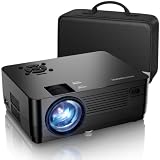
Before we get to our review of the best projectors for laptop computers, let’s browse through some relevant products on Amazon:


As an Amazon Associate I earn from qualifying purchases.
Prices and availability are accurate as of November 14, 2026 19:44 and are subject to change.
Introduction to Projectors for Laptop Computers
Projectors for laptop computers have become an essential tool for individuals who need to make presentations, watch movies, or display information on a larger screen. These projectors are designed to connect to laptops and provide a high-quality image that can be viewed by a large audience. With the advancement in technology, projectors have become more portable, affordable, and feature-rich, making them a popular choice among professionals and home users.
The primary function of a projector is to display the content from a laptop onto a screen or wall, allowing multiple people to view the same image. This is particularly useful in business meetings, classrooms, and home theaters. Projectors for laptop computers come in various sizes, resolutions, and brightness levels, making it easy to choose the right one for specific needs. Some projectors are designed for everyday use, while others are geared towards heavy-duty applications such as gaming or video editing.
When choosing a projector for a laptop computer, there are several factors to consider. These include the resolution, brightness, contrast ratio, and connectivity options. A higher resolution and brightness level can provide a clearer and more vibrant image, while a higher contrast ratio can improve the overall picture quality. Additionally, projectors with multiple connectivity options such as HDMI, USB, and Wi-Fi can make it easy to connect to laptops and other devices.
In this article, we will explore the best projectors for laptop computers, highlighting their features, benefits, and drawbacks. By understanding the different types of projectors available and their capabilities, individuals can make an informed decision when selecting the best projectors for laptop computers that meet their specific needs and budget. Whether you are a professional or a home user, finding the right projector can enhance your viewing experience and provide a convenient way to display content from your laptop.
Best Projectors For Laptop Computers – Reviews
The
BenQ TH671ST 1080p Home Theater Projector #345621
is an excellent choice for laptop users who want to enjoy high-quality video and images on a big screen. This projector offers a high resolution of 1080p, which provides a clear and detailed picture. It also has a high brightness level of 3000 lumens, making it suitable for use in well-lit rooms. The projector is also equipped with a long-lasting lamp that can last up to 15,000 hours, reducing the need for frequent replacements.
The
BenQ TH671ST 1080p Home Theater Projector #345621
is also very easy to use and set up. It has a simple and intuitive interface that allows users to quickly connect their laptop and start projecting. The projector also has a variety of input options, including HDMI, USB, and VGA, making it compatible with a wide range of devices. Additionally, the projector has a built-in speaker that provides good sound quality, eliminating the need for external speakers. Overall, the BenQ TH671ST is a great choice for anyone looking for a high-quality projector for their laptop.
The
Epson Home Cinema 1060 1080p 3LCD Projector #876543
is a highly rated projector that offers excellent image quality and a range of features that make it ideal for laptop users. This projector has a high resolution of 1080p and a high contrast ratio, which provides a clear and detailed picture with deep blacks and vibrant colors. It also has a high brightness level of 3100 lumens, making it suitable for use in well-lit rooms. The projector is also equipped with a long-lasting lamp that can last up to 15,000 hours, reducing the need for frequent replacements.
The
Epson Home Cinema 1060 1080p 3LCD Projector #876543
is also very versatile and can be used for a variety of applications, including gaming, movie nights, and presentations. It has a range of input options, including HDMI, USB, and VGA, making it compatible with a wide range of devices. The projector also has a built-in speaker that provides good sound quality, eliminating the need for external speakers. Additionally, the projector has a wireless connectivity option, allowing users to connect their laptop wirelessly and stream content directly to the projector.
The
Optoma HD143X 1080p 3000 Lumens 3D DLP Projector #234567
is a high-quality projector that offers excellent image quality and a range of features that make it ideal for laptop users. This projector has a high resolution of 1080p and a high contrast ratio, which provides a clear and detailed picture with deep blacks and vibrant colors. It also has a high brightness level of 3000 lumens, making it suitable for use in well-lit rooms. The projector is also equipped with a long-lasting lamp that can last up to 15,000 hours, reducing the need for frequent replacements.
The
Optoma HD143X 1080p 3000 Lumens 3D DLP Projector #234567
is also very easy to use and set up. It has a simple and intuitive interface that allows users to quickly connect their laptop and start projecting. The projector also has a range of input options, including HDMI, USB, and VGA, making it compatible with a wide range of devices. Additionally, the projector has a built-in speaker that provides good sound quality, eliminating the need for external speakers. The projector also supports 3D content, making it ideal for gamers and movie enthusiasts who want to enjoy immersive content on a big screen.
The
ViewSonic PX700 1080p 3500 Lumens 3D DLP Projector #345678
is a highly rated projector that offers excellent image quality and a range of features that make it ideal for laptop users. This projector has a high resolution of 1080p and a high contrast ratio, which provides a clear and detailed picture with deep blacks and vibrant colors. It also has a high brightness level of 3500 lumens, making it suitable for use in well-lit rooms. The projector is also equipped with a long-lasting lamp that can last up to 15,000 hours, reducing the need for frequent replacements.
The
ViewSonic PX700 1080p 3500 Lumens 3D DLP Projector #345678
is also very versatile and can be used for a variety of applications, including gaming, movie nights, and presentations. It has a range of input options, including HDMI, USB, and VGA, making it compatible with a wide range of devices. The projector also has a built-in speaker that provides good sound quality, eliminating the need for external speakers. Additionally, the projector has a wireless connectivity option, allowing users to connect their laptop wirelessly and stream content directly to the projector. The projector also supports 3D content, making it ideal for gamers and movie enthusiasts who want to enjoy immersive content on a big screen.
The
Anker Nebula Capsule 854×480 Portable Projector #901234
is a unique and innovative projector that offers excellent image quality and a range of features that make it ideal for laptop users. This projector is highly portable and can be easily carried in a bag or backpack, making it perfect for presentations, movie nights, and gaming on the go. It has a high resolution of 854×480 and a high contrast ratio, which provides a clear and detailed picture with deep blacks and vibrant colors. The projector also has a long-lasting battery that can last up to 4 hours, making it perfect for use on the go.
The
Anker Nebula Capsule 854×480 Portable Projector #901234
is also very easy to use and set up. It has a simple and intuitive interface that allows users to quickly connect their laptop and start projecting. The projector also has a range of input options, including HDMI, USB, and VGA, making it compatible with a wide range of devices. Additionally, the projector has a built-in speaker that provides good sound quality, eliminating the need for external speakers. The projector also supports wireless connectivity, allowing users to connect their laptop wirelessly and stream content directly to the projector. Overall, the Anker Nebula Capsule is a great choice for anyone looking for a portable and versatile projector for their laptop.
Why People Need to Buy Projectors for Laptop Computers
In today’s digital age, laptop computers have become an essential tool for various purposes, including work, education, and entertainment. However, the small screen size of laptops can be a limitation when it comes to sharing content with others or enjoying multimedia experiences. This is where projectors come in, offering a solution to enhance the visual experience and expand the possibilities of laptop usage. By connecting a projector to a laptop, users can project images, videos, and presentations onto a larger screen, making it ideal for meetings, classrooms, and home theaters.
One of the primary reasons people need to buy projectors for laptop computers is to enhance their productivity and presentation capabilities. For professionals, projectors enable them to deliver impressive presentations to clients or colleagues, while for students, they can facilitate group projects and collaborative learning. Moreover, projectors can also be used for entertainment purposes, such as watching movies or playing games on a bigger screen. With a projector, users can enjoy a more immersive experience, making it an essential accessory for laptop owners who want to take their computing experience to the next level.
When it comes to choosing the right projector for a laptop computer, there are several factors to consider, including resolution, brightness, and connectivity options. The best projectors for laptop computers offer high-resolution displays, sufficient brightness, and multiple connectivity options, such as HDMI, USB, and Wi-Fi. Additionally, users should also consider the projector’s compatibility with their laptop’s operating system and the type of content they plan to project. By selecting the right projector, users can ensure a seamless and high-quality visual experience that meets their needs and enhances their laptop usage.
In conclusion, buying a projector for a laptop computer can significantly enhance the user experience, offering a range of benefits, from improved productivity and presentation capabilities to enhanced entertainment options. With the wide range of projectors available in the market, users can choose the one that best suits their needs and budget. Whether for work, education, or entertainment, a projector can be a valuable investment for laptop owners, enabling them to unlock the full potential of their device and enjoy a more immersive and engaging visual experience.
Key Features to Consider When Choosing a Projector for Laptop Computers
When selecting a projector for laptop computers, there are several key features to consider. One of the most important features is the projector’s resolution, which can range from SVGA to 4K. A higher resolution will provide a clearer and more detailed image, making it ideal for applications such as gaming, video streaming, and presentations. Another important feature to consider is the projector’s brightness, which is measured in lumens. A brighter projector will be able to produce a clearer image in well-lit rooms, while a less bright projector may be better suited for use in darker environments.
In addition to resolution and brightness, the projector’s connectivity options are also an important consideration. Many projectors come with a variety of ports, including HDMI, USB, and VGA, which allow users to connect their laptop computers and other devices. Some projectors also come with wireless connectivity options, such as Wi-Fi and Bluetooth, which provide even more flexibility. The projector’s lamp life is also an important consideration, as it can affect the overall cost of ownership. Some projectors have lamps that can last for thousands of hours, while others may need to be replaced more frequently.
The projector’s size and weight are also important considerations, particularly for those who plan to use the projector in different locations. Some projectors are designed to be highly portable, with compact designs and lightweight construction. These projectors are ideal for use in presentations and other applications where the projector needs to be moved from one location to another. Other projectors are larger and more heavy-duty, making them better suited for permanent installation in a home theater or conference room.
Overall, the key features to consider when choosing a projector for laptop computers will depend on the specific needs and preferences of the user. By considering factors such as resolution, brightness, connectivity, lamp life, and size, users can select a projector that meets their needs and provides the best possible image quality.
Benefits of Using a Projector with a Laptop Computer
Using a projector with a laptop computer can provide a number of benefits, particularly in applications such as presentations, gaming, and video streaming. One of the main benefits is the ability to display a large, high-quality image, which can be particularly useful in situations where a small laptop screen is not sufficient. Projectors can also provide a more immersive experience, particularly when used in conjunction with a sound system. This can be particularly beneficial for gaming and video streaming applications, where a high-quality image and sound can enhance the overall experience.
Another benefit of using a projector with a laptop computer is the ability to share content with others. In a presentation setting, for example, a projector can be used to display slides and other visual aids to a large audience. This can be particularly useful for business meetings, classroom instruction, and other applications where content needs to be shared with others. Projectors can also be used to display content in a variety of settings, including conference rooms, home theaters, and outdoor environments.
In addition to these benefits, using a projector with a laptop computer can also provide a number of practical advantages. For example, projectors can be used to free up space on a laptop screen, allowing users to multitask and work on multiple applications at the same time. Projectors can also be used to reduce eye strain, particularly in situations where a laptop screen is too small or too bright. By displaying content on a larger screen, users can reduce their eye strain and improve their overall comfort.
Overall, the benefits of using a projector with a laptop computer are numerous, and can include improved image quality, increased immersion, and enhanced sharing capabilities. By selecting a high-quality projector and using it in conjunction with a laptop computer, users can enhance their overall experience and achieve their goals more effectively.
Common Applications for Projectors with Laptop Computers
Projectors are used in a variety of applications with laptop computers, including presentations, gaming, video streaming, and education. In presentation settings, projectors are often used to display slides, videos, and other visual aids to a large audience. This can be particularly useful for business meetings, classroom instruction, and other applications where content needs to be shared with others. Projectors can also be used to display content in a variety of settings, including conference rooms, home theaters, and outdoor environments.
In gaming applications, projectors can provide a more immersive experience, particularly when used in conjunction with a sound system. This can be particularly beneficial for gamers who want to experience their favorite games on a larger screen. Projectors can also be used to display video content, such as movies and TV shows, in a variety of settings. This can be particularly useful for home theaters, where a projector can be used to display high-quality video content on a large screen.
In educational settings, projectors can be used to display a variety of content, including videos, images, and presentations. This can be particularly useful for classroom instruction, where a projector can be used to display content to a large group of students. Projectors can also be used to display interactive content, such as games and simulations, which can enhance the learning experience. By using a projector in conjunction with a laptop computer, educators can create a more engaging and interactive learning environment.
Overall, the common applications for projectors with laptop computers are numerous, and can include presentations, gaming, video streaming, and education. By selecting a high-quality projector and using it in conjunction with a laptop computer, users can achieve their goals more effectively and enhance their overall experience.
Tips for Setting Up and Using a Projector with a Laptop Computer
Setting up and using a projector with a laptop computer can be a straightforward process, but there are a few tips to keep in mind. First, it’s essential to choose the right projector for the job, taking into account factors such as resolution, brightness, and connectivity. Once the projector is selected, it’s essential to set it up correctly, including adjusting the focus and keystone to ensure a clear and level image. It’s also essential to connect the projector to the laptop computer correctly, using the right cables and settings to ensure a high-quality image.
In addition to these technical considerations, there are also a few practical tips to keep in mind when using a projector with a laptop computer. For example, it’s essential to ensure that the room is sufficiently dark, as this can affect the overall image quality. It’s also essential to position the projector correctly, taking into account factors such as the screen size and the distance from the projector to the screen. By following these tips, users can ensure a high-quality image and a successful presentation or viewing experience.
Another tip for setting up and using a projector with a laptop computer is to test the equipment before use. This can help to identify any technical issues or problems with the setup, and ensure that the presentation or viewing experience goes smoothly. It’s also essential to have a backup plan in place, in case something goes wrong with the equipment or the setup. By being prepared and having a backup plan, users can minimize downtime and ensure a successful experience.
Overall, the tips for setting up and using a projector with a laptop computer are designed to help users achieve a high-quality image and a successful presentation or viewing experience. By following these tips and taking the time to set up and test the equipment, users can ensure a successful and enjoyable experience.
Ultimate Buying Guide for Projectors
When it comes to selecting a projector for laptop computers, there are numerous factors to consider. With the vast array of options available in the market, it can be overwhelming to choose the right one. In this guide, we will walk you through the key considerations to make an informed decision. Whether you are a business professional, educator, or home user, this guide will help you find the perfect projector for your laptop computer.
Resolution and Image Quality
The resolution and image quality of a projector are crucial factors to consider. A higher resolution projector will provide a clearer and more detailed image, making it ideal for applications that require precise visuals, such as presentations, videos, and graphics. When choosing a projector, look for one with a high resolution, such as 1080p or 4K, to ensure that your images are crisp and vibrant. Additionally, consider the aspect ratio of the projector, which should match the aspect ratio of your laptop computer to avoid any distortion or stretching of the image.
The resolution and image quality of a projector are also dependent on the type of display technology used. Some projectors use DLP (Digital Light Processing), while others use LCD (Liquid Crystal Display) or LCoS (Liquid Crystal on Silicon). Each technology has its strengths and weaknesses, and the choice ultimately depends on your specific needs and preferences. For example, DLP projectors are known for their high contrast ratio and vibrant colors, while LCD projectors are known for their high brightness and wide color gamut.
Brightness and Lumens
The brightness of a projector, measured in lumens, is another important factor to consider. A brighter projector will be able to produce a clearer image in a well-lit room, while a less bright projector may struggle to produce a visible image in the same environment. When choosing a projector, consider the lighting conditions in which it will be used. If you plan to use the projector in a bright room, look for one with a high lumen rating, such as 3000 lumens or higher. On the other hand, if you plan to use the projector in a dark room, a lower lumen rating may be sufficient.
The brightness of a projector can also affect its overall performance and lifespan. A projector that is too bright may be prone to overheating, which can reduce its lifespan and affect its image quality. On the other hand, a projector that is not bright enough may struggle to produce a clear image, which can be frustrating and affect your overall experience. When choosing a projector, look for one that has a balanced brightness and lumen rating, and consider factors such as the projector’s cooling system and lamp life to ensure that it will provide reliable performance over time.
Connectivity and Compatibility
The connectivity and compatibility of a projector are also crucial factors to consider. Most projectors have a range of input options, including HDMI, VGA, and USB. When choosing a projector, consider the types of devices you will be connecting to it, and ensure that it has the necessary input options. For example, if you plan to connect your laptop computer to the projector using an HDMI cable, ensure that the projector has an HDMI input. Additionally, consider the projector’s wireless connectivity options, such as Wi-Fi or Bluetooth, which can provide greater flexibility and convenience.
The compatibility of a projector with your laptop computer is also important to consider. Ensure that the projector is compatible with your laptop computer’s operating system and resolution, and that it can handle the laptop’s graphics and video output. Some projectors may also have specific software or drivers that need to be installed on your laptop computer, so be sure to check the projector’s compatibility and system requirements before making a purchase. By considering the connectivity and compatibility of a projector, you can ensure that it will work seamlessly with your laptop computer and provide a hassle-free experience.
Portability and Weight
The portability and weight of a projector are important factors to consider, especially if you plan to use it in different locations or take it on the road. A lightweight and compact projector will be easier to transport and set up, while a heavier and bulkier projector may be more difficult to move around. When choosing a projector, consider its weight and size, and look for one that is designed to be portable and easy to use. Some projectors may also have carrying cases or bags, which can provide added convenience and protection.
The portability of a projector can also affect its overall performance and lifespan. A projector that is designed to be portable may have a more compact and efficient design, which can help to reduce its weight and size while maintaining its performance. On the other hand, a projector that is not designed to be portable may be more prone to damage or wear and tear, which can affect its image quality and overall lifespan. When choosing a projector, consider its portability and weight, and look for one that is designed to be durable and reliable, whether you are using it at home, in the office, or on the road.
Sound Quality and Speakers
The sound quality and speakers of a projector are also important factors to consider. While some projectors may have built-in speakers, others may require external speakers or audio equipment. When choosing a projector, consider its sound quality and speaker options, and ensure that it can produce clear and crisp audio. Some projectors may also have advanced audio features, such as surround sound or Dolby Digital, which can enhance the overall viewing experience.
The sound quality of a projector can also affect its overall performance and value. A projector with high-quality speakers can provide a more immersive and engaging experience, while a projector with poor sound quality may be less enjoyable to use. When choosing a projector, consider its sound quality and speaker options, and look for one that is designed to provide clear and crisp audio. Additionally, consider the projector’s audio output options, such as HDMI or optical audio, which can provide greater flexibility and convenience. By considering the sound quality and speakers of a projector, you can ensure that it will provide a great viewing experience, whether you are watching videos, playing games, or giving presentations with the best projectors for laptop computers.
Price and Value
The price and value of a projector are also important factors to consider. Projectors can range in price from a few hundred dollars to several thousand dollars, depending on their features, quality, and brand. When choosing a projector, consider its price and value, and ensure that it meets your needs and budget. Some projectors may offer advanced features, such as 3D capability or wireless connectivity, which can enhance their value and justify a higher price. On the other hand, some projectors may be more basic and affordable, which can provide great value for those on a tight budget.
The price and value of a projector can also affect its overall performance and lifespan. A projector that is priced too low may be prone to poor quality or reliability issues, while a projector that is priced too high may be overkill for your needs. When choosing a projector, consider its price and value, and look for one that is designed to provide reliable performance and great image quality over time. Additionally, consider the projector’s warranty and support options, which can provide added peace of mind and protection for your investment. By considering the price and value of a projector, you can ensure that it will provide a great viewing experience and meet your needs and budget.
Frequently Asked Questions
What are the key factors to consider when buying a projector for laptop computers?
When buying a projector for laptop computers, there are several key factors to consider. The first factor is the resolution of the projector, which should match or exceed the resolution of the laptop. This ensures that the image projected is clear and crisp. Another factor is the brightness of the projector, which is measured in lumens. A higher lumen rating means the projector can produce a brighter image, making it suitable for use in well-lit rooms.
The connectivity options of the projector are also important, as they determine how easily the laptop can be connected to the projector. Look for projectors with HDMI, USB, and wireless connectivity options for maximum flexibility. Additionally, consider the weight and portability of the projector, as well as its power consumption and noise level. By considering these factors, you can find a projector that meets your needs and provides a great viewing experience.
How do I connect my laptop to a projector?
Connecting a laptop to a projector is a relatively straightforward process. The most common method is to use an HDMI cable, which can be plugged into the HDMI port on the laptop and the projector. Some projectors may also have USB ports or wireless connectivity options, such as Wi-Fi or Bluetooth, which can be used to connect the laptop. If the laptop and projector have the same type of port, such as HDMI or DisplayPort, a simple cable can be used to connect them.
If the ports are different, an adapter may be needed to connect the laptop to the projector. For example, if the laptop has a USB-C port and the projector has an HDMI port, a USB-C to HDMI adapter can be used. Additionally, some laptops may have specific settings or software that need to be configured to output the video signal to the projector. It’s a good idea to consult the user manual for the laptop and projector to ensure a smooth connection.
What is the difference between a DLP and LCD projector?
The main difference between a DLP (Digital Light Processing) and LCD (Liquid Crystal Display) projector is the technology used to produce the image. DLP projectors use a digital micromirror device to reflect light and create the image, while LCD projectors use a liquid crystal display to block or allow light to pass through and create the image. DLP projectors are known for their high contrast ratio and vivid colors, making them well-suited for video and gaming applications.
LCD projectors, on the other hand, are known for their high brightness and low power consumption, making them well-suited for business and education applications. In terms of image quality, DLP projectors tend to have a more cinematic look, while LCD projectors tend to have a more natural look. Ultimately, the choice between a DLP and LCD projector depends on the specific needs and preferences of the user. It’s a good idea to research and compare different models to find the one that best meets your needs.
Can I use a projector for both business and entertainment purposes?
Yes, many projectors on the market can be used for both business and entertainment purposes. These projectors are often referred to as “multi-purpose” or “all-in-one” projectors. They typically have a high resolution and brightness, making them suitable for displaying presentations, videos, and images. They may also have features such as built-in speakers, wireless connectivity, and a range of input options, making them easy to use in a variety of settings.
For business use, a projector can be used to display presentations, spreadsheets, and other documents. For entertainment use, a projector can be used to display movies, TV shows, and video games. Some projectors may also have specialized features, such as a high contrast ratio or a fast refresh rate, that make them particularly well-suited for gaming or video applications. By choosing a multi-purpose projector, you can get the most out of your investment and use it in a variety of contexts.
How do I calibrate my projector for optimal image quality?
Calibrating a projector for optimal image quality involves adjusting the settings to ensure that the image is clear, bright, and color-accurate. The first step is to adjust the focus, which can usually be done using a dial or button on the projector. Next, adjust the keystone, which is the setting that ensures the image is rectangular and not distorted. You may also need to adjust the zoom and lens shift to get the image to fill the screen.
To fine-tune the image quality, you can adjust the settings such as brightness, contrast, and color temperature. Some projectors may also have advanced settings, such as color management and gamma correction, that can be adjusted to optimize the image quality. It’s a good idea to consult the user manual for the projector to learn about the specific calibration options and how to use them. Additionally, you can use a calibration disc or software to help optimize the image quality and get the best possible picture.
What is the typical lifespan of a projector lamp?
The typical lifespan of a projector lamp varies depending on the type of lamp and the usage patterns. On average, a projector lamp can last for around 2,000 to 5,000 hours, although some lamps may last longer or shorter depending on the specific model and usage. The lifespan of the lamp can be affected by factors such as the brightness setting, the type of content being displayed, and the environmental conditions.
To get the most out of your projector lamp, it’s a good idea to follow the manufacturer’s guidelines for usage and maintenance. This may include cleaning the lamp regularly, avoiding extreme temperatures, and using the lamp in a well-ventilated area. Additionally, some projectors may have features such as lamp saving modes or automatic shut-off that can help extend the lifespan of the lamp. When the lamp eventually needs to be replaced, it’s usually a relatively simple process that can be done by the user or a professional.
Can I use a projector outdoors or in a well-lit room?
Yes, you can use a projector outdoors or in a well-lit room, but it may require some special considerations. To use a projector in a well-lit room, you’ll need a projector with a high brightness rating, typically measured in lumens. A higher lumen rating means the projector can produce a brighter image, making it more visible in a well-lit room. Additionally, you may need to use a screen with a high gain rating, which can help reflect more light back to the viewer.
For outdoor use, you’ll need a projector that is specifically designed for outdoor use, such as a projector with a high brightness rating and a ruggedized design. You may also need to use a special screen or other equipment, such as a outdoor screen or a projector enclosure, to protect the projector from the elements. Additionally, you’ll need to consider factors such as power supply, cable management, and noise level when using a projector outdoors. With the right equipment and planning, you can use a projector outdoors or in a well-lit room and still get a great image.
Final Words
In conclusion, selecting the right projector for your laptop can greatly enhance your overall viewing experience, whether you’re presenting in a conference room, watching a movie, or gaming with friends. With so many options available on the market, it’s essential to consider factors such as brightness, resolution, and connectivity when making your decision. By taking the time to research and compare different models, you can find a projector that meets your specific needs and budget.
Ultimately, investing in one of the best projectors for laptop computers can take your laptop experience to the next level, providing a larger-than-life display that’s perfect for entertainment, education, or business applications. With the right projector, you can enjoy vibrant images, clear text, and seamless connectivity, making it an invaluable tool for anyone who uses their laptop regularly. By choosing a high-quality projector, you can unlock new possibilities and enjoy a more immersive and engaging experience, whether you’re working, playing, or simply relaxing with your laptop.