When it comes to painting, having the right tools can make all the difference in achieving a professional-looking finish. A good paint brush is an essential component of any painting project, and with so many options available on the market, it can be overwhelming to choose the right one. Whether you’re a seasoned painter or a DIY enthusiast, selecting the best overall paint brushes can greatly impact the quality of your work. From synthetic to natural fibers, and various brush sizes, the choices can be daunting, especially for those who are new to painting.
In this article, we will guide you through the process of selecting the perfect paint brush for your needs. We will review some of the top-rated paint brushes, considering factors such as brush type, size, and material, to help you make an informed decision. With our expert advice and comprehensive reviews, you’ll be able to find the ideal paint brush that suits your painting style and budget. Whether you’re working on a small touch-up project or a large-scale renovation, our goal is to provide you with the knowledge and insights necessary to choose the perfect paint brush, ensuring a smooth and successful painting experience.
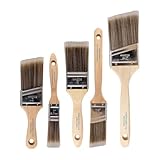
Before we get to our review of the best overall paint brushes, let’s browse through some relevant products on Amazon:



As an Amazon Associate I earn from qualifying purchases.
Prices and availability are accurate as of November 24, 2026 10:30 and are subject to change.
Introduction to Paint Brushes
Paint brushes have been a crucial tool in the painting industry for centuries, providing a means to apply paint, varnish, and other coatings to surfaces. The primary function of a paint brush is to hold and transfer paint to a surface, allowing for smooth, even coverage. With the vast array of paint brushes available, it can be overwhelming to choose the right one for a specific project.
The history of paint brushes dates back to ancient civilizations, where they were made from natural fibers such as animal hair and plant fibers. Over time, the materials used to make paint brushes have evolved, with synthetic fibers becoming increasingly popular. Today, paint brushes are made from a variety of materials, including natural and synthetic fibers, each with its own unique characteristics and advantages.
When it comes to selecting the right paint brush for a project, there are several factors to consider. The type of paint being used, the surface being painted, and the desired finish all play a role in determining the best brush for the job. With so many options available, it can be difficult to know where to start. However, by understanding the different types of paint brushes and their uses, individuals can make informed decisions and choose the best overall paint brushes for their needs.
In addition to the type of paint brush, the quality of the brush is also an important consideration. A high-quality paint brush will provide a smooth, even finish and will last longer than a lower-quality brush. By investing in a good paint brush, individuals can achieve professional-looking results and ensure that their paint job lasts for years to come. Whether you’re a seasoned painter or a DIY enthusiast, having the right paint brush can make all the difference in the success of your project.
Best Overall Paint Brushes – Reviews
The
1. Purdy Nylox Brush 1
is a top choice among painters due to its exceptional quality and performance. It features synthetic filaments that are resistant to wear and tear, making it ideal for use with a variety of paints and coatings. The brush is also well-balanced, allowing for smooth and even strokes that result in a professional-looking finish.
One of the standout features of the
1. Purdy Nylox Brush 1
is its ability to hold a large amount of paint, reducing the need for frequent dips into the paint tray. This not only saves time but also helps to prevent drips and spills. Additionally, the brush is easy to clean and maintain, making it a great investment for painters who use it regularly. Overall, the
1. Purdy Nylox Brush 1
is a reliable and high-quality tool that is sure to meet the needs of even the most discerning painters.
The
2. Wooster Ultra-Pro Brush 2
is a favorite among professional painters due to its excellent balance and control. The brush features a unique blend of synthetic and natural fibers that provide a smooth, even finish and excellent paint pickup. The handle is also ergonomic, reducing fatigue and discomfort during extended use. Whether you’re working on a large commercial project or a small residential job, the
2. Wooster Ultra-Pro Brush 2
is a great choice.
The
2. Wooster Ultra-Pro Brush 2
is also durable and long-lasting, withstanding the rigors of heavy use and harsh environmental conditions. The brush is resistant to shedding and wear, and it can be easily cleaned and maintained to extend its lifespan. Additionally, the
2. Wooster Ultra-Pro Brush 2
is versatile, working well with a variety of paints and coatings, including latex, oil-based, and epoxy. Overall, the
2. Wooster Ultra-Pro Brush 2
is a high-quality tool that is sure to meet the needs of professional painters.
The
3. Zinsser Paint Brush 3
is a high-quality brush that is designed to provide a smooth, even finish on a variety of surfaces. It features synthetic filaments that are resistant to wear and tear, and it is well-balanced for easy use. The brush is also affordable, making it a great choice for DIYers and professional painters who are on a budget. Whether you’re working on a small residential project or a large commercial job, the
3. Zinsser Paint Brush 3
is a great option.
The
3. Zinsser Paint Brush 3
is also easy to clean and maintain, making it a great investment for painters who use it regularly. The brush is resistant to shedding and wear, and it can be easily washed with soap and water to extend its lifespan. Additionally, the
3. Zinsser Paint Brush 3
is versatile, working well with a variety of paints and coatings, including latex, oil-based, and epoxy. Overall, the
3. Zinsser Paint Brush 3
is a reliable and affordable tool that is sure to meet the needs of painters.
The
4. Benjamin Moore Microfiber Brush 4
is a top-of-the-line brush that is designed to provide a smooth, even finish on a variety of surfaces. It features microfiber filaments that are resistant to wear and tear, and it is well-balanced for easy use. The brush is also durable and long-lasting, withstanding the rigors of heavy use and harsh environmental conditions. Whether you’re working on a small residential project or a large commercial job, the
4. Benjamin Moore Microfiber Brush 4
is a great choice.
The
4. Benjamin Moore Microfiber Brush 4
is also easy to clean and maintain, making it a great investment for painters who use it regularly. The brush is resistant to shedding and wear, and it can be easily washed with soap and water to extend its lifespan. Additionally, the
4. Benjamin Moore Microfiber Brush 4
is versatile, working well with a variety of paints and coatings, including latex, oil-based, and epoxy. Overall, the
4. Benjamin Moore Microfiber Brush 4
is a high-quality tool that is sure to meet the needs of professional painters.
The
5. Corona Brush 5
is a high-quality brush that is designed to provide a smooth, even finish on a variety of surfaces. It features synthetic filaments that are resistant to wear and tear, and it is well-balanced for easy use. The brush is also affordable, making it a great choice for DIYers and professional painters who are on a budget. Whether you’re working on a small residential project or a large commercial job, the
5. Corona Brush 5
is a great option.
The
5. Corona Brush 5
is also durable and long-lasting, withstanding the rigors of heavy use and harsh environmental conditions. The brush is resistant to shedding and wear, and it can be easily cleaned and maintained to extend its lifespan. Additionally, the
5. Corona Brush 5
is versatile, working well with a variety of paints and coatings, including latex, oil-based, and epoxy. Overall, the
5. Corona Brush 5
is a reliable and affordable tool that is sure to meet the needs of painters.
Why Invest in Quality Paint Brushes
Painting is a task that requires the right tools to achieve professional-looking results. One of the most essential tools for any painting project is a good paint brush. While it may be tempting to opt for cheap, low-quality brushes, investing in quality paint brushes can make a significant difference in the outcome of the project. Quality paint brushes are designed to hold more paint, apply it evenly, and create a smooth finish.
When it comes to painting, having the right brush for the job is crucial. Different types of paint and surfaces require different types of brushes. For example, natural bristle brushes are best for oil-based paints, while synthetic brushes are better suited for water-based paints. Having a variety of brushes on hand can ensure that you have the right tool for the job, regardless of the type of paint or surface you are working with.
In addition to the type of paint and surface, the size and shape of the brush are also important considerations. Larger brushes are best for covering large areas quickly, while smaller brushes are better suited for detail work and trim. Angled brushes are ideal for cutting in and painting corners, while flat brushes are better for large, flat surfaces. By having a selection of brushes in different sizes and shapes, you can tackle any painting project with confidence.
Investing in the best overall paint brushes may seem like an unnecessary expense, but it can actually save you time and money in the long run. Quality brushes will last longer and perform better, reducing the need for frequent replacements and touch-ups. With the right brushes, you can achieve professional-looking results and enjoy a beautiful, long-lasting finish. Whether you are a seasoned painter or a DIY novice, having quality paint brushes on hand is essential for any painting project.
Types of Overall Paint Brushes
Overall paint brushes come in various types, each designed for specific painting tasks. Natural bristle brushes are ideal for oil-based paints, while synthetic brushes work well with water-based paints. Blended brushes, which combine natural and synthetic fibers, offer versatility and can be used with both types of paints. The choice of brush type depends on the painting project and personal preference.
When selecting a paint brush, consider the type of paint you will be using. If you’re working with oil-based paints, natural bristle brushes are the best choice. They have excellent paint-holding capacity and produce a smooth finish. For water-based paints, synthetic brushes are a better option. They are more durable and resistant to wear and tear.
In addition to natural and synthetic brushes, there are also specialty brushes designed for specific tasks. Angled brushes are perfect for cutting in and painting trim, while flat brushes are ideal for large surfaces. Round brushes are great for detail work and painting small areas. By choosing the right type of brush for the job, you can achieve professional-looking results.
The quality of the brush also plays a significant role in the overall painting experience. Look for brushes with high-quality fibers, sturdy ferrules, and comfortable handles. A good paint brush will make the painting process easier and more efficient, allowing you to focus on achieving a beautiful finish.
Benefits of Using Overall Paint Brushes
Using overall paint brushes offers several benefits, including improved paint flow and coverage. High-quality brushes allow for smooth, even strokes, resulting in a professional-looking finish. They also help to prevent brush marks and streaks, ensuring a uniform appearance.
Another benefit of using overall paint brushes is increased efficiency. With the right brush, you can cover large areas quickly and easily, saving time and effort. This is especially important for large painting projects, where time is of the essence. Additionally, overall paint brushes are designed to work with a variety of paints, making them a versatile tool for any painting project.
Overall paint brushes are also durable and long-lasting, withstanding the rigors of repeated use. With proper care and maintenance, they can be used for multiple painting projects, making them a cost-effective option. Furthermore, they are easy to clean and maintain, allowing you to focus on the painting process rather than brush upkeep.
The use of overall paint brushes also allows for greater control and precision. With a high-quality brush, you can achieve crisp, clean lines and smooth, even surfaces. This is especially important for detail work and painting small areas, where precision is key. By using overall paint brushes, you can take your painting projects to the next level and achieve professional-looking results.
Common Mistakes to Avoid When Using Overall Paint Brushes
When using overall paint brushes, there are several common mistakes to avoid. One of the most significant mistakes is using the wrong type of brush for the job. This can result in poor paint flow, uneven coverage, and a subpar finish. To avoid this, choose a brush that is specifically designed for the type of paint you are using.
Another mistake is not properly preparing the brush before use. This includes failing to clean and dry the brush, as well as not shaping the bristles to the correct angle. Improperly prepared brushes can lead to brush marks, streaks, and uneven coverage. To avoid this, take the time to properly clean and prepare your brush before each use.
Using too much paint on the brush is another common mistake. This can result in drips, runs, and uneven coverage. To avoid this, load the brush with the right amount of paint, and work in small sections to maintain even coverage. Additionally, avoid applying too much pressure, as this can cause the brush to leave behind brush marks and streaks.
Finally, failing to properly clean and maintain the brush after use is a common mistake. This can lead to the brush becoming clogged and unusable, resulting in the need for frequent replacements. To avoid this, take the time to properly clean and dry the brush after each use, and store it in a cool, dry place.
Tips for Choosing the Right Overall Paint Brush
When choosing the right overall paint brush, there are several factors to consider. One of the most important factors is the type of paint you will be using. As mentioned earlier, natural bristle brushes are ideal for oil-based paints, while synthetic brushes work well with water-based paints. Consider the specific needs of your painting project and choose a brush that is designed for the task.
Another factor to consider is the size and shape of the brush. Larger brushes are ideal for covering large areas, while smaller brushes are better suited for detail work and painting small areas. Consider the specific needs of your project and choose a brush that is the right size and shape for the job.
The quality of the brush is also an important factor to consider. Look for brushes with high-quality fibers, sturdy ferrules, and comfortable handles. A good paint brush will make the painting process easier and more efficient, allowing you to focus on achieving a beautiful finish. Additionally, consider the price and value of the brush, as well as any additional features that may be important to you.
Finally, consider the brand and reputation of the manufacturer. Look for brands that are known for producing high-quality paint brushes, and read reviews from other customers to get a sense of the brush’s performance and durability. By taking the time to consider these factors, you can choose the right overall paint brush for your needs and achieve professional-looking results.
Buying Guide for the Best Paint Brushes
When it comes to painting, having the right tools can make all the difference in achieving a professional-looking finish. One of the most essential tools for any painting project is a good quality paint brush. With so many options available in the market, choosing the right paint brush can be overwhelming, especially for beginners. In this guide, we will discuss the key factors to consider when buying paint brushes, helping you make an informed decision and find the best overall paint brushes for your needs.
Brush Material
The material of the brush is one of the most critical factors to consider when buying paint brushes. Natural bristles, such as those made from animal hair, are ideal for oil-based paints, while synthetic bristles are better suited for water-based paints. Natural bristles have a unique ability to hold and release paint evenly, resulting in a smooth finish. However, they can be more expensive than synthetic bristles and may require more maintenance. Synthetic bristles, on the other hand, are more durable and easier to clean, but may not provide the same level of finish as natural bristles.
The choice of brush material also depends on the type of paint being used. For example, if you are using a high-quality oil-based paint, a natural bristle brush may be the best choice. However, if you are using a water-based paint, a synthetic bristle brush may be more suitable. It’s also worth considering the blend of natural and synthetic fibers, which can offer the benefits of both types of bristles. Ultimately, the choice of brush material will depend on the specific needs of your painting project and your personal preference.
Brush Size
The size of the brush is another important factor to consider when buying paint brushes. The size of the brush will depend on the area being painted and the level of detail required. Larger brushes are ideal for covering large areas quickly, while smaller brushes are better suited for detailed work and trim painting. It’s also worth considering the width of the brush, as this will affect the amount of paint that can be held and the level of coverage achieved. A wider brush will hold more paint and provide better coverage, but may be more difficult to maneuver in tight spaces.
The size of the brush will also depend on the type of paint being used. For example, if you are using a thick, high-build paint, a larger brush may be required to achieve the desired level of coverage. On the other hand, if you are using a thin, low-build paint, a smaller brush may be more suitable. It’s also worth considering the shape of the brush, as this can affect the level of control and precision achieved. A brush with a flat edge, for example, is ideal for painting trim and edges, while a brush with a rounded edge is better suited for painting large areas.
Brush Shape
The shape of the brush is also an important factor to consider when buying paint brushes. The shape of the brush will affect the level of control and precision achieved, as well as the type of painting being done. A brush with a flat edge, for example, is ideal for painting trim and edges, while a brush with a rounded edge is better suited for painting large areas. A brush with an angled edge, on the other hand, is ideal for painting corners and tight spaces. The shape of the brush will also depend on the type of paint being used, as well as the surface being painted.
The shape of the brush will also affect the level of comfort and ergonomics achieved. A brush with a comfortable handle and balanced design will be easier to use for extended periods, reducing fatigue and improving overall performance. It’s also worth considering the type of ferrule, which is the metal band that holds the bristles in place. A ferrule that is securely attached to the handle will provide better stability and control, while a ferrule that is loose or poorly attached can cause the bristles to become dislodged or the handle to become detached.
Handle Material
The material of the handle is another important factor to consider when buying paint brushes. The handle material will affect the level of comfort and ergonomics achieved, as well as the durability of the brush. A handle made from a high-quality material, such as wood or fiberglass, will be more durable and resistant to wear and tear, while a handle made from a low-quality material, such as plastic, may be more prone to cracking or breaking. The handle material will also affect the level of grip and control achieved, with a handle that is textured or contoured providing better grip and control.
The handle material will also depend on the type of paint being used, as well as the environment in which the brush will be used. For example, if you are using a water-based paint, a handle made from a water-resistant material, such as fiberglass, may be more suitable. On the other hand, if you are using an oil-based paint, a handle made from a material that is resistant to solvents, such as wood, may be more suitable. It’s also worth considering the length of the handle, as this will affect the level of leverage and control achieved. A longer handle will provide more leverage and control, but may be more difficult to maneuver in tight spaces.
Brush Quality
The quality of the brush is also an important factor to consider when buying paint brushes. A high-quality brush will be made from high-quality materials and will be constructed with attention to detail and craftsmanship. A high-quality brush will have bristles that are evenly spaced and securely attached to the ferrule, as well as a handle that is durable and comfortable to use. A high-quality brush will also be more durable and resistant to wear and tear, with bristles that will not become dislodged or the handle that will not crack or break.
The quality of the brush will also depend on the brand and manufacturer. A reputable brand that is known for producing high-quality brushes will be more likely to produce a brush that meets your needs and expectations. It’s also worth considering the price of the brush, as this will often reflect the quality of the materials and construction. A higher-priced brush may be more expensive, but it will also be more durable and resistant to wear and tear, making it a better value in the long run. Ultimately, the quality of the brush will depend on the specific needs of your painting project and your personal preference.
Price
The price of the brush is also an important factor to consider when buying paint brushes. The price of the brush will depend on the quality of the materials and construction, as well as the brand and manufacturer. A higher-priced brush may be more expensive, but it will also be more durable and resistant to wear and tear, making it a better value in the long run. On the other hand, a lower-priced brush may be more affordable, but it may also be less durable and more prone to wear and tear. It’s also worth considering the cost of replacement, as a lower-priced brush may need to be replaced more frequently, making it more expensive in the long run.
The price of the brush will also depend on the specific needs of your painting project. If you are working on a large-scale project that requires a high-volume of paint, a more expensive brush may be more cost-effective in the long run. On the other hand, if you are working on a small-scale project that requires a low-volume of paint, a less expensive brush may be more suitable. It’s also worth considering the value of the brush, as a high-quality brush will provide better results and last longer, making it a better value in the long run. Ultimately, the price of the brush will depend on your budget and the specific needs of your painting project.
FAQ
What are the key factors to consider when buying paint brushes?
When buying paint brushes, there are several key factors to consider. The type of paint being used is one of the most important considerations, as different types of paint require different types of brushes. For example, natural bristle brushes are best suited for oil-based paints, while synthetic brushes are better suited for water-based paints. Additionally, the size and shape of the brush, as well as the type of bristles used, can affect the quality of the finish.
The quality of the brush is also an important consideration, as a high-quality brush will produce a smoother, more even finish. Look for brushes with sturdy ferrules, which are the metal bands that hold the bristles in place, and bristles that are securely attached to the ferrule. The handle of the brush is also important, as it should be comfortable to hold and balanced for easy maneuverability. By considering these factors, you can choose the best paint brush for your specific needs and achieve a professional-looking finish.
What are the different types of paint brushes available?
There are several different types of paint brushes available, each with its own unique characteristics and uses. Natural bristle brushes, for example, are made from animal hair and are best suited for oil-based paints. They have a natural texture that allows them to hold a lot of paint and produce a smooth, even finish. Synthetic brushes, on the other hand, are made from nylon or polyester and are better suited for water-based paints. They are more durable than natural bristle brushes and can be used with a wide range of paints.
Angled brushes, flat brushes, and round brushes are also available, each with its own specific use. Angled brushes are best for cutting in and painting trim, while flat brushes are best for painting large, flat surfaces. Round brushes are best for painting curved or irregular surfaces. Additionally, there are also specialty brushes available, such as foam brushes and brush sets, which can be used for specific tasks or projects. By choosing the right type of brush for the job, you can achieve a professional-looking finish and get the best results.
How do I choose the right size paint brush for my project?
Choosing the right size paint brush for your project depends on the size of the surface you are painting and the level of detail you need to achieve. For large surfaces, such as walls and ceilings, a larger brush is usually best. These brushes can hold more paint and cover more surface area, making them ideal for big jobs. For smaller surfaces, such as trim and molding, a smaller brush is usually best. These brushes are more precise and allow for more detailed work.
The size of the brush is usually measured in inches, and common sizes range from 1 inch to 4 inches. A 1-inch brush is best for small, detailed work, while a 4-inch brush is best for large surfaces. It’s also important to consider the type of paint being used, as well as the texture of the surface being painted. For example, a brush with synthetic bristles may be better suited for smooth surfaces, while a brush with natural bristles may be better suited for rough surfaces. By choosing the right size brush for the job, you can achieve a smooth, even finish and get the best results.
What is the difference between natural and synthetic paint brushes?
Natural paint brushes are made from animal hair, such as hog or sable, and are best suited for oil-based paints. They have a natural texture that allows them to hold a lot of paint and produce a smooth, even finish. Synthetic paint brushes, on the other hand, are made from nylon or polyester and are better suited for water-based paints. They are more durable than natural bristle brushes and can be used with a wide range of paints.
Synthetic brushes are also less prone to shedding and are easier to clean than natural bristle brushes. However, they may not produce the same level of finish as natural bristle brushes, and may leave behind brush strokes or other imperfections. Natural bristle brushes, on the other hand, may shed or lose their shape over time, and may require more maintenance than synthetic brushes. By choosing the right type of brush for the job, you can achieve a professional-looking finish and get the best results.
How do I care for and maintain my paint brushes?
To care for and maintain your paint brushes, it’s essential to clean them thoroughly after each use. For natural bristle brushes, use mineral spirits or turpentine to clean the brush, and then shape the bristles back to their original form. For synthetic brushes, use soap and water to clean the brush, and then rinse thoroughly. It’s also important to store your brushes properly, either in a dry place or in a container filled with mineral spirits or water.
Regular maintenance is also important to extend the life of your paint brushes. Check your brushes regularly for signs of wear and tear, such as frayed or broken bristles, and replace them as needed. It’s also a good idea to use a brush cleaner or conditioner to keep your brushes in good condition. By caring for and maintaining your paint brushes, you can extend their life and ensure they continue to produce a high-quality finish. This will also save you money in the long run, as you won’t need to replace your brushes as often.
Can I use the same paint brush for different types of paint?
While it’s technically possible to use the same paint brush for different types of paint, it’s not always recommended. Natural bristle brushes, for example, are best suited for oil-based paints, and using them with water-based paints can cause the bristles to become damaged or discolored. Synthetic brushes, on the other hand, can be used with a wide range of paints, but may not produce the same level of finish as natural bristle brushes.
If you do choose to use the same paint brush for different types of paint, make sure to clean the brush thoroughly between uses. This will help prevent the buildup of paint residue and ensure the brush continues to produce a high-quality finish. It’s also a good idea to use a brush cleaner or conditioner to keep your brushes in good condition. However, it’s generally best to use a separate brush for each type of paint to ensure the best results and extend the life of your brushes. By using the right brush for the job, you can achieve a professional-looking finish and get the best results.
Final Words
In conclusion, selecting the right tools for a painting project can make all the difference in achieving a professional-looking finish. A good set of paint brushes can elevate the quality of the work, ensuring smooth, even strokes and a beautiful final result. Whether you’re a seasoned painter or a DIY enthusiast, investing in high-quality brushes is essential for success. By considering factors such as brush material, size, and handle comfort, you can find the perfect set to suit your needs and preferences.
Ultimately, the best overall paint brushes will provide a perfect balance of quality, performance, and value. With the right set of brushes, you’ll be able to tackle any painting project with confidence, knowing that you have the tools you need to achieve a stunning finish. By choosing the best overall paint brushes, you’ll be able to enjoy a superior painting experience, with results that exceed your expectations. With the information and recommendations provided in this article, you’ll be well on your way to finding the perfect set of brushes to help you create beautiful, professional-looking results.