Learning a trade or skill at a young age can be incredibly beneficial, and for those interested in woodworking or carpentry, having the right tools is essential. As a young student, it can be overwhelming to navigate the numerous options available in the market, especially when it comes to something as fundamental as a hand saw. With so many different types and brands to choose from, it’s easy to get confused about what to look for in a quality hand saw. However, with the right guidance, young students can find the perfect tool to help them hone their skills and bring their projects to life.
When it comes to finding the ideal tool for young learners, it’s crucial to consider factors such as safety, ease of use, and durability. The best hand saws for young students should be designed with these factors in mind, providing a comfortable and secure grip, a sharp and efficient blade, and a sturdy construction that can withstand regular use. By investing in a high-quality hand saw, young students can develop the skills and confidence they need to succeed in their chosen trade or hobby. In this article, we’ll take a closer look at the key features to consider when selecting a hand saw, and provide reviews of some of the top options available, to help young students make an informed decision and get started on their woodworking journey.
Before we get to our review of the best hand saws for young students, let’s browse through some relevant products on Amazon:
| # | Preview | Product | Price | |
|---|---|---|---|---|
| 1 | REXBETI 11-Inch Folding Saw, Heavy Duty Hand Saw, Wood & Camping, SK5 Steel… | $16.14 | View on Amazon | |
| 2 | Idle Hands | $0.00 | View on Amazon | |
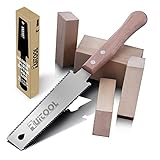
| 3 | RUITOOL Japanese Hand Saw 6 Inch Double Edge Ryoba Pull Saw for Flush Cuts… | $10.05 | View on Amazon | |
| 4 | CRAFTSMAN Hand Saw, 12-Inch Hacksaw (CMHT20138) | $9.99 | View on Amazon | |
| 5 | The Things Our Fathers Saw—The Untold Stories of the World War II… | $12.99 | View on Amazon |


As an Amazon Associate I earn from qualifying purchases.
Prices and availability are accurate as of November 28, 2026 02:00 and are subject to change.
Introduction to Hand Saws for Young Students
Hand saws are essential tools for young students who are learning various skills such as woodworking, carpentry, and DIY projects. These tools help students develop their fine motor skills, hand-eye coordination, and problem-solving abilities. With the right hand saw, young students can learn to make precise cuts, shape wood, and create various projects.
When it comes to choosing the right hand saw for young students, there are several factors to consider. The saw should be safe, easy to use, and durable. It should also be suitable for the type of project the student is working on. For example, a saw with a coarse tooth blade is ideal for cutting thick wood, while a saw with a fine tooth blade is better suited for cutting thin wood.
The best hand saws for young students are those that are designed with safety and ease of use in mind. These saws typically have ergonomic handles, comfortable grips, and secure locking mechanisms. They are also made from high-quality materials that can withstand regular use. By choosing the right hand saw, young students can learn to work safely and effectively, and develop a lifelong love of woodworking and DIY projects.
In this article, we will explore the best hand saws for young students, including their features, benefits, and uses. We will also provide tips and advice for choosing the right hand saw for young students, and discuss the importance of safety and proper technique when using these tools. Whether you are a teacher, parent, or student, this article will provide you with the information you need to make informed decisions about hand saws and help young students get the most out of their woodworking and DIY experiences.
Best Hand Saws For Young Students – Reviews
1. DeWalt DWHT20200U 20-Inch Hand Saw
The DeWalt DWHT20200U 20-Inch Hand Saw is a great tool for young students to learn the basics of woodworking and carpentry. It features a high-carbon steel blade that is durable and resistant to wear and tear, making it perfect for cutting through various types of wood. The ergonomic handle provides a comfortable grip, reducing fatigue and allowing students to work for extended periods without feeling strained.
The DeWalt DWHT20200U 20-Inch Hand Saw is also relatively affordable, making it an excellent choice for schools and educational institutions with limited budgets. Additionally, it is easy to maintain and clean, which is essential for a tool that will be used by multiple students. Overall, the DeWalt DWHT20200U 20-Inch Hand Saw is an excellent choice for young students who are just starting to learn about woodworking and carpentry, and it is sure to provide them with a solid foundation for their future projects.
2. Stanley 15-202 26-Inch FatMax Hand Saw 202
The Stanley 15-202 26-Inch FatMax Hand Saw 202 is a high-quality tool that is designed to make cutting easier and more efficient for young students. It features a unique blade design that allows for faster cutting and reduced fatigue, making it perfect for students who are just starting to learn about woodworking. The handle is also designed to provide a comfortable grip, reducing the risk of accidents and injuries.
The Stanley 15-202 26-Inch FatMax Hand Saw 202 is also very durable and can withstand the rigors of frequent use, making it an excellent choice for schools and educational institutions. Additionally, it is easy to use and maintain, which is essential for young students who are still learning the basics of woodworking and carpentry. Overall, the Stanley 15-202 26-Inch FatMax Hand Saw 202 is an excellent choice for young students who want to learn about woodworking and carpentry, and it is sure to provide them with the skills and confidence they need to succeed.
3. Bahco 10-24-23 24-Inch Ergo Hand Saw 23
The Bahco 10-24-23 24-Inch Ergo Hand Saw 23 is a high-quality tool that is designed to provide young students with a comfortable and efficient cutting experience. It features a unique ergonomic handle that reduces fatigue and provides a secure grip, making it perfect for students who are just starting to learn about woodworking. The blade is also designed to provide smooth and accurate cuts, making it easy for students to achieve professional-looking results.
The Bahco 10-24-23 24-Inch Ergo Hand Saw 23 is also very durable and can withstand the rigors of frequent use, making it an excellent choice for schools and educational institutions. Additionally, it is easy to maintain and clean, which is essential for a tool that will be used by multiple students. Overall, the Bahco 10-24-23 24-Inch Ergo Hand Saw 23 is an excellent choice for young students who want to learn about woodworking and carpentry, and it is sure to provide them with the skills and confidence they need to succeed.
4. Vaughan & Bushnell 16-Inch Pull Stroke Hand Saw 442
The Vaughan & Bushnell 16-Inch Pull Stroke Hand Saw 442 is a unique tool that is designed to provide young students with a comfortable and efficient cutting experience. It features a pull-stroke design that reduces fatigue and provides a secure grip, making it perfect for students who are just starting to learn about woodworking. The blade is also designed to provide smooth and accurate cuts, making it easy for students to achieve professional-looking results.
The Vaughan & Bushnell 16-Inch Pull Stroke Hand Saw 442 is also very durable and can withstand the rigors of frequent use, making it an excellent choice for schools and educational institutions. Additionally, it is easy to use and maintain, which is essential for young students who are still learning the basics of woodworking and carpentry. Overall, the Vaughan & Bushnell 16-Inch Pull Stroke Hand Saw 442 is an excellent choice for young students who want to learn about woodworking and carpentry, and it is sure to provide them with the skills and confidence they need to succeed.
5. IRWIN 218HP200 20-Inch Hand Saw 200
The IRWIN 218HP200 20-Inch Hand Saw 200 is a high-quality tool that is designed to provide young students with a comfortable and efficient cutting experience. It features a high-carbon steel blade that is durable and resistant to wear and tear, making it perfect for cutting through various types of wood. The ergonomic handle provides a comfortable grip, reducing fatigue and allowing students to work for extended periods without feeling strained.
The IRWIN 218HP200 20-Inch Hand Saw 200 is also relatively affordable, making it an excellent choice for schools and educational institutions with limited budgets. Additionally, it is easy to maintain and clean, which is essential for a tool that will be used by multiple students. Overall, the IRWIN 218HP200 20-Inch Hand Saw 200 is an excellent choice for young students who are just starting to learn about woodworking and carpentry, and it is sure to provide them with a solid foundation for their future projects.
Importance of Hand Saws for Young Students
Hand saws are essential tools for various activities, including woodworking, carpentry, and other DIY projects. For young students, having a hand saw can be a great way to introduce them to these skills and help them develop their creativity and problem-solving abilities. By using hand saws, students can learn about measurements, safety precautions, and the importance of patience and attention to detail.
In educational settings, hand saws can be used to teach students about different types of materials, such as wood, metal, and plastic. Students can learn how to properly handle and maintain hand saws, which can help them develop a sense of responsibility and ownership. Additionally, hand saws can be used in various projects, such as building birdhouses, picture frames, and other small items, which can help students develop their fine motor skills and hand-eye coordination.
When it comes to choosing the right hand saw for young students, there are several factors to consider, including the type of material being cut, the level of difficulty, and the safety features. The best hand saws for young students are those that are designed with safety and ease of use in mind, such as those with blunt tips and comfortable grips. By providing students with the right tools and guidance, educators can help them develop a strong foundation in woodworking and other DIY skills.
In conclusion, hand saws are a valuable tool for young students, offering a range of benefits that can help them develop their skills, creativity, and confidence. By introducing hand saws into educational settings, educators can provide students with a unique and engaging way to learn about woodworking, safety, and problem-solving. With the right guidance and support, young students can learn to use hand saws safely and effectively, setting them up for success in a variety of fields and activities.
Types of Hand Saws Suitable for Young Students
Hand saws come in various types, each designed for specific tasks and skill levels. For young students, it’s essential to choose a saw that is easy to handle and safe to use. One popular type is the coping saw, which is ideal for curved cuts and intricate designs. Another type is the dovetail saw, which is perfect for making precise cuts in wood. These saws are great for young students who are just starting to learn woodworking skills.
When choosing a hand saw for young students, consider the type of projects they will be working on. If they will be doing a lot of curved cuts, a coping saw is a good choice. If they will be making precise cuts, a dovetail saw is a better option. It’s also important to consider the size and weight of the saw, as young students may not have the strength or dexterity to handle large or heavy saws.
In addition to coping and dovetail saws, there are other types of hand saws that are suitable for young students. These include rip saws, crosscut saws, and backsaws. Rip saws are designed for making straight cuts in wood, while crosscut saws are used for cutting across the grain. Backsaws are similar to dovetail saws but have a rigid spine that helps to keep the saw straight.
Young students can benefit from learning about the different types of hand saws and how to use them properly. By starting with simple projects and gradually moving on to more complex ones, they can develop their skills and build confidence in their ability to use hand saws. With the right saw and proper instruction, young students can create a wide range of projects, from simple birdhouses to intricate furniture pieces.
Benefits of Using Hand Saws for Young Students
Using hand saws can be beneficial for young students in many ways. One of the most significant benefits is the development of fine motor skills and hand-eye coordination. Hand saws require precise movements and control, which can help young students improve their dexterity and coordination. Additionally, using hand saws can help young students develop their problem-solving skills and critical thinking.
Another benefit of using hand saws is the opportunity for young students to learn about different types of wood and how to work with them. By using hand saws, young students can learn about the grain and texture of various woods, as well as how to make precise cuts and joints. This knowledge can be applied to a wide range of projects, from woodworking to carpentry.
Hand saws can also be a great way for young students to learn about safety and responsibility. By using hand saws, young students can learn about the importance of wearing protective gear, such as safety glasses and gloves, and how to properly handle and store tools. This can help them develop a sense of responsibility and respect for the tools and materials they are working with.
In addition to these benefits, using hand saws can be a fun and rewarding experience for young students. By creating their own projects and seeing the results of their hard work, young students can develop a sense of pride and accomplishment. This can help to build their confidence and motivation, and encourage them to continue learning and exploring their creativity.
Safety Precautions for Young Students Using Hand Saws
Safety is a top priority when it comes to young students using hand saws. There are several precautions that can be taken to ensure a safe and enjoyable experience. One of the most important precautions is to wear protective gear, such as safety glasses and gloves. This can help to prevent injuries from flying debris or sharp edges.
Another important precaution is to properly handle and store hand saws. Young students should be taught how to hold the saw correctly, with a firm grip and a straight arm. They should also be taught how to store the saw, either in a toolbox or on a hook, where it can be kept out of reach of younger siblings or pets.
In addition to these precautions, it’s essential to supervise young students when they are using hand saws. This can help to prevent accidents and ensure that they are using the saw correctly. Supervisors can also provide guidance and feedback, helping young students to improve their skills and build their confidence.
Young students should also be taught about the importance of maintaining their hand saws. This includes cleaning and oiling the saw, as well as checking for any damage or wear. By properly maintaining their hand saws, young students can help to extend the life of the tool and ensure that it continues to perform well.
Teaching Young Students to Use Hand Saws Effectively
Teaching young students to use hand saws effectively requires patience, guidance, and practice. One of the most important things to teach is the proper grip and stance. Young students should be taught to hold the saw with a firm grip, but not too tightly, and to stand with their feet shoulder-width apart.
Another important thing to teach is the proper technique for making cuts. Young students should be taught to start with a gentle, smooth motion, and to gradually increase the pressure as needed. They should also be taught how to use their body weight to help guide the saw, rather than relying solely on their arm strength.
In addition to these techniques, it’s essential to provide young students with plenty of practice and feedback. This can help them to build their skills and confidence, and to develop their own unique style and approach. Supervisors can also provide guidance on how to troubleshoot common problems, such as a saw that is binding or skipping.
By teaching young students to use hand saws effectively, supervisors can help them to develop a wide range of skills, from fine motor skills to problem-solving and critical thinking. With patience, guidance, and practice, young students can become proficient in using hand saws and create a wide range of projects, from simple to complex.
Buying Guide for Hand Saws Suitable for Young Students
When it comes to introducing young students to woodworking or carpentry, having the right tools is essential. Hand saws are a fundamental part of any woodworking project, and choosing the right one can make a significant difference in the learning experience. With so many options available in the market, selecting the best hand saws for young students can be a daunting task. In this guide, we will discuss the key factors to consider when buying hand saws for young students.
Blade Material and Quality
The blade material and quality are crucial factors to consider when buying hand saws for young students. A good quality blade will ensure that the saw cuts smoothly and efficiently, making it easier for young students to learn and practice their skills. The blade material should be durable and resistant to wear and tear, as young students may not always handle the saw with care. A high-carbon steel blade is a good option, as it is durable and resistant to corrosion.
The quality of the blade will also affect the overall performance of the saw. A well-made blade will have a consistent tooth pattern, which will ensure that the saw cuts smoothly and evenly. A blade with a consistent tooth pattern will also be less likely to bind or stick, making it easier for young students to use. When evaluating the blade material and quality, look for saws with blades that are made from high-quality materials and have a consistent tooth pattern.
Handle Design and Comfort
The handle design and comfort are essential factors to consider when buying hand saws for young students. A comfortable handle will make it easier for young students to hold and use the saw, reducing fatigue and discomfort. The handle should be designed to fit comfortably in the hand, with a contoured shape that allows for a secure grip. The material used for the handle should also be durable and resistant to wear and tear.
A well-designed handle will also provide a secure grip, even when the hands are wet or slippery. This is especially important for young students, as they may not always have the best grip or control. Look for saws with handles that are made from durable materials, such as wood or fiberglass, and have a contoured shape that provides a secure grip. The handle should also be designed to reduce vibration and shock, making it easier for young students to use the saw for extended periods.
Teeth Per Inch (TPI) and Tooth Pattern
The teeth per inch (TPI) and tooth pattern are critical factors to consider when buying hand saws for young students. The TPI will determine the smoothness of the cut, with higher TPI saws producing smoother cuts. However, higher TPI saws may be more difficult to use, especially for young students who are just starting out. A saw with a lower TPI may be easier to use, but it may not produce as smooth a cut.
The tooth pattern is also essential, as it will affect the performance of the saw. A saw with a consistent tooth pattern will cut more smoothly and evenly, making it easier for young students to use. Look for saws with a tooth pattern that is designed for the type of cutting that will be done. For example, a saw with a rip tooth pattern is designed for cutting with the grain, while a saw with a crosscut tooth pattern is designed for cutting across the grain. When evaluating the TPI and tooth pattern, consider the type of cutting that will be done and the level of skill of the young students.
Saw Length and Weight
The saw length and weight are important factors to consider when buying hand saws for young students. A shorter saw may be easier to handle and maneuver, especially for young students who are just starting out. However, a shorter saw may not be as effective for cutting longer pieces of wood. A longer saw may be more effective, but it may be more difficult to handle and maneuver.
The weight of the saw is also essential, as it will affect the ease of use and maneuverability. A lighter saw may be easier to use, especially for young students who are just starting out. However, a lighter saw may not be as durable or effective as a heavier saw. Look for saws that are designed to be balanced and ergonomic, with a weight that is suitable for young students. When evaluating the saw length and weight, consider the level of skill and strength of the young students, as well as the type of cutting that will be done.
Adjustability and Maintenance
The adjustability and maintenance of the saw are critical factors to consider when buying hand saws for young students. A saw that is easy to adjust and maintain will be less frustrating for young students to use. Look for saws with adjustable handles and blades, which will allow young students to customize the fit and performance of the saw. A saw with a removable blade will also be easier to maintain and clean.
The maintenance requirements of the saw should also be considered. A saw that requires frequent maintenance or cleaning may be more frustrating for young students to use. Look for saws with low-maintenance requirements, such as saws with rust-resistant blades or handles. When evaluating the adjustability and maintenance of the saw, consider the level of skill and responsibility of the young students, as well as the type of cutting that will be done. A saw that is easy to adjust and maintain will be more suitable for young students who are just starting out.
Price and Brand Reputation
The price and brand reputation are essential factors to consider when buying hand saws for young students. A high-quality saw from a reputable brand may be more expensive, but it will also be more durable and effective. Look for brands that specialize in making hand saws for young students or beginners, as they will have a better understanding of the needs and requirements of this group. A saw from a reputable brand will also be more likely to have a warranty or guarantee, which will provide peace of mind for the buyer.
The price of the saw should also be considered, as it will affect the overall value and suitability of the saw. A high-quality saw may be more expensive, but it will also be more durable and effective. Look for saws that offer a good balance of quality and price, and consider the level of skill and experience of the young students. A more expensive saw may be suitable for advanced young students, while a less expensive saw may be more suitable for beginners. When evaluating the price and brand reputation, consider the overall value and suitability of the saw, as well as the level of skill and experience of the young students.
Frequently Asked Questions
What are the benefits of using hand saws for young students?
Using hand saws can be highly beneficial for young students as it helps develop their fine motor skills and hand-eye coordination. It also allows them to understand the basics of woodworking and carpentry, which can be a valuable skill in the long run. By using hand saws, students can learn about the different types of cuts, such as rip cuts and crosscuts, and how to safely operate a saw.
Additionally, hand saws are a great way to introduce young students to the world of woodworking without exposing them to the dangers of power tools. Hand saws are generally safer and more forgiving, making them an ideal choice for students who are just starting out. They also allow students to work at their own pace, which can help build confidence and patience. With the right guidance and supervision, young students can learn to use hand saws effectively and safely, setting them up for success in their future woodworking endeavors.
What are the key features to look for when buying a hand saw for a young student?
When buying a hand saw for a young student, there are several key features to look for. One of the most important features is the type of teeth the saw has. A saw with coarse teeth is best for cutting through thick wood, while a saw with fine teeth is better suited for making precise cuts. The length and width of the saw are also important considerations, as a saw that is too large or too small can be difficult for a young student to handle.
Another important feature to consider is the material the saw is made of. A saw with a durable handle and a high-carbon steel blade is ideal, as it will be able to withstand regular use and maintain its sharpness over time. The weight and balance of the saw are also important, as a saw that is too heavy or unbalanced can be difficult for a young student to maneuver. By considering these features, you can find a hand saw that is well-suited to the needs of your young student, helping them to learn and grow as a woodworker.
How do I choose the right hand saw for my young student’s skill level?
Choosing the right hand saw for your young student’s skill level is crucial to their success and safety. For beginners, a saw with a simple design and a comfortable grip is best. Look for a saw with a straight or slightly curved blade, as these are easier to maneuver and require less technique. A saw with a shorter length, typically around 10-12 inches, is also a good choice for beginners, as it is easier to control and less intimidating.
As your young student becomes more confident and skilled, you can consider graduating them to a more advanced saw. A saw with a longer length, typically around 20-24 inches, and a more curved or angled blade can be used for more complex cuts and projects. However, it’s essential to remember that every student is different, and some may need more time and practice to master the basics before moving on to more advanced saws. By choosing a saw that is tailored to your young student’s skill level, you can help them build confidence and develop their skills at a pace that is comfortable and safe for them.
What safety precautions should I take when teaching a young student to use a hand saw?
When teaching a young student to use a hand saw, safety should always be the top priority. One of the most important safety precautions is to ensure that the student is wearing proper protective gear, including safety glasses and a dust mask. You should also make sure that the student is standing in a safe and stable position, with their feet shoulder-width apart and their dominant foot forward.
Additionally, you should always supervise your young student when they are using a hand saw, and provide guidance and feedback as needed. Teach them how to properly hold the saw, with a firm but not overly tight grip, and how to make smooth, controlled cuts. It’s also essential to teach your young student how to safely store and maintain their hand saw, including how to clean and sharpen the blade. By taking these safety precautions, you can help minimize the risk of injury and ensure that your young student has a positive and enjoyable experience learning to use a hand saw.
Can I use a hand saw for other tasks besides woodworking?
While hand saws are typically associated with woodworking, they can be used for a variety of other tasks as well. For example, a hand saw can be used to cut through plastic pipes, drywall, or even metal tubing. They can also be used for pruning and trimming plants, or for cutting through rope or other types of cordage. With the right type of blade and a bit of practice, a hand saw can be a versatile and useful tool to have in your toolbox.
However, it’s essential to note that not all hand saws are created equal, and some may be better suited to certain tasks than others. For example, a saw with a coarse tooth blade may be better suited to cutting through thick wood, while a saw with a fine tooth blade may be better suited to cutting through metal or plastic. By choosing the right hand saw for the task at hand, you can ensure that you are able to complete the job safely and effectively. Whether you are a woodworker, a gardener, or a DIY enthusiast, a hand saw can be a valuable addition to your toolkit.
How do I properly maintain and store my hand saw?
Properly maintaining and storing your hand saw is essential to extending its lifespan and keeping it in good working condition. One of the most important things you can do is to keep the saw clean and dry. After each use, wipe the saw down with a dry cloth to remove any debris or dust, and apply a light coat of oil to the blade to prevent rust. You should also store the saw in a dry, cool place, away from direct sunlight and moisture.
Additionally, you should regularly inspect the saw for signs of wear and tear, such as a dull or damaged blade, or a loose or cracked handle. If you notice any of these issues, you should take the saw to a professional for repair or replacement. It’s also a good idea to store the saw in a protective case or scabbard, to prevent damage or injury. By properly maintaining and storing your hand saw, you can ensure that it remains a reliable and trustworthy tool for years to come. Whether you are a professional woodworker or a DIY enthusiast, a well-maintained hand saw is an essential part of any toolkit.
What are some common mistakes to avoid when using a hand saw?
When using a hand saw, there are several common mistakes to avoid. One of the most common mistakes is applying too much pressure, which can cause the saw to bind or kickback. Another mistake is using the wrong type of saw for the job, such as using a rip saw to make a crosscut. You should also avoid using a hand saw that is dull or damaged, as this can make the saw more difficult to use and increase the risk of injury.
Additionally, you should avoid using a hand saw in a way that is uncomfortable or awkward, such as sawing above your head or in a cramped space. This can cause fatigue and increase the risk of injury. You should also avoid distractions while sawing, such as listening to music or talking on the phone, as this can cause you to lose focus and make a mistake. By avoiding these common mistakes, you can ensure that you are able to use your hand saw safely and effectively, and get the most out of your woodworking or DIY project. Whether you are a beginner or an experienced woodworker, being aware of these common mistakes can help you to work more efficiently and safely.
The Bottom Line
In conclusion, introducing young students to the world of woodworking and carpentry can be a highly rewarding experience, fostering creativity, patience, and practical skills that will benefit them throughout their lives. By providing them with the right tools, we can ensure their safety and encourage their enthusiasm for these crafts. Among the essential tools for any woodworking project, a good saw is paramount. It is the foundation upon which other skills are built, and its quality can significantly impact the learning experience.
When selecting the best hand saws for young students, it is crucial to consider factors such as safety, durability, and ease of use. The reviews and buying guide provided aim to assist educators and parents in making informed decisions, ensuring that young learners are equipped with the best possible tools to thrive in their woodworking endeavors. By investing in high-quality, appropriate tools, we invest in the future of these young individuals, empowering them to explore their creativity and develop valuable skills. With the right saw in hand, the possibilities are endless, and the journey to mastering woodworking can be both enjoyable and rewarding.