Phlox is a stunning and fragrant perennial flower that adds a pop of color and vibrancy to any garden. With over 60 species to choose from, phlox has become a favorite among gardeners and flower enthusiasts alike. To ensure these beautiful flowers thrive and bloom to their full potential, providing them with the right nutrients is essential. This is where the right fertilizer comes in – a good fertilizer can make all the difference in promoting healthy growth, encouraging blooming, and enhancing the overall appearance of your phlox plants.
When it comes to selecting the ideal fertilizer for your phlox, the options can be overwhelming. With so many different types and brands available on the market, it can be difficult to know which one to choose. That’s why we’ve put together this comprehensive guide to help you find the best fertilizers for phlox. Whether you’re a seasoned gardener or just starting out, our reviews and buying guide will provide you with the information you need to make an informed decision and give your phlox the care they deserve. By choosing the right fertilizer, you’ll be rewarded with lush, vibrant blooms and a thriving garden that will be the envy of all your friends and neighbors.
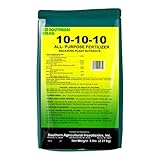
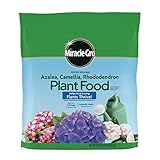
Before we get to our review of the best fertilizers for phlox, let’s browse through some relevant products on Amazon:


As an Amazon Associate I earn from qualifying purchases.
Prices and availability are accurate as of November 27, 2026 18:24 and are subject to change.
Introduction to Fertilizers for Phlox
Phlox is a beautiful and fragrant flowering plant that can add color and vibrancy to any garden. To ensure that phlox plants grow and thrive, it is essential to provide them with the necessary nutrients. Fertilizers play a crucial role in promoting healthy growth and blooming in phlox plants. With so many different types of fertilizers available, it can be overwhelming to choose the right one for your phlox plants.
Phlox plants require a balanced diet of nutrients to grow and bloom well. A good fertilizer should provide the necessary macronutrients such as nitrogen, phosphorus, and potassium, as well as micronutrients like iron and magnesium. The type of fertilizer used can affect the overall health and appearance of the phlox plants. It is essential to choose a fertilizer that is specifically formulated for flowering plants like phlox.
When it comes to fertilizing phlox plants, it is crucial to use the best fertilizers for phlox to ensure optimal growth and blooming. The right fertilizer can make a significant difference in the health and appearance of the plants. Fertilizers can be applied at different stages of growth, from planting to blooming, and can be in the form of granules, liquids, or organic matter.
Using the right fertilizer can help to promote healthy growth, increase blooming, and enhance the overall appearance of phlox plants. By choosing a high-quality fertilizer that is specifically formulated for phlox, gardeners can enjoy beautiful and fragrant blooms throughout the growing season. Whether you are a seasoned gardener or just starting out, understanding the role of fertilizers in promoting healthy growth and blooming in phlox plants is essential for achieving success in your garden.
5 Best Fertilizers For Phlox
The
1. Miracle-Gro Phlox Food
is a great option for those looking to promote healthy growth and blooming in their phlox plants. This fertilizer is specifically designed to provide the necessary nutrients for phlox, including nitrogen, phosphorus, and potassium. It is easy to apply and can be used on a variety of phlox species, making it a versatile option for gardeners.
One of the key benefits of the
1. Miracle-Gro Phlox Food
is its ability to promote vibrant blooms and healthy foliage. It is also relatively inexpensive compared to other fertilizers on the market, making it a great value for gardeners on a budget. However, some users have reported that it can be too rich for young or sensitive plants, so be sure to follow the instructions carefully and start with a small amount to avoid burning your plants.
The
2. Espoma Organic Phlox Tone
is a popular choice among organic gardeners, as it is made from all-natural ingredients and is free of synthetic chemicals. This fertilizer is designed to provide long-term nutrition to phlox plants, promoting healthy growth and blooming over time. It is also safe for use around pets and children, making it a great option for families.
One of the key benefits of the
2. Espoma Organic Phlox Tone
is its ability to improve soil health and structure, which can lead to healthier and more resilient phlox plants. It is also relatively easy to apply, and can be used on a variety of phlox species. However, some users have reported that it can be more expensive than other fertilizers on the market, and that it may not provide the same level of immediate results as synthetic options.
The
3. Scotts Osmocote Phlox Food
is a slow-release fertilizer that provides long-term nutrition to phlox plants. This fertilizer is designed to release nutrients slowly over time, promoting healthy growth and blooming without the need for frequent reapplication. It is also relatively easy to apply, and can be used on a variety of phlox species.
One of the key benefits of the
3. Scotts Osmocote Phlox Food
is its ability to provide consistent and reliable nutrition to phlox plants. It is also relatively inexpensive compared to other slow-release fertilizers on the market, making it a great value for gardeners. However, some users have reported that it can be difficult to find in stores, and that it may not be suitable for use in extreme weather conditions.
The
4. E.B. Stone Organics Phlox Bloom
is a popular choice among gardeners looking to promote vibrant blooms in their phlox plants. This fertilizer is designed to provide a boost of phosphorus, which is essential for blooming, and is made from all-natural ingredients. It is also safe for use around pets and children, making it a great option for families.
One of the key benefits of the
4. E.B. Stone Organics Phlox Bloom
is its ability to promote vibrant and abundant blooms in phlox plants. It is also relatively easy to apply, and can be used on a variety of phlox species. However, some users have reported that it can be more expensive than other fertilizers on the market, and that it may not provide the same level of long-term nutrition as other options.
The
5. Schultz Phlox Food Plus
is a versatile fertilizer that provides a range of nutrients to phlox plants, including nitrogen, phosphorus, and potassium. This fertilizer is designed to promote healthy growth and blooming, and is relatively easy to apply. It is also safe for use around pets and children, making it a great option for families.
One of the key benefits of the
5. Schultz Phlox Food Plus
is its ability to provide a range of nutrients to phlox plants, making it a great option for gardeners who want a single fertilizer that can meet all of their needs. It is also relatively inexpensive compared to other fertilizers on the market, making it a great value for gardeners. However, some users have reported that it can be too rich for young or sensitive plants, so be sure to follow the instructions carefully and start with a small amount to avoid burning your plants.
Why Phlox Needs Fertilization
Phlox is a popular perennial flower known for its vibrant colors and fragrant blooms. It is often used in gardens and landscapes to add beauty and attract pollinators. However, like all living plants, phlox requires proper nutrition to grow and thrive. The soil in which phlox is planted may not always provide the necessary nutrients, which is why fertilization is essential.
Phlox plants require a balanced diet of nutrients, including nitrogen, phosphorus, and potassium. These nutrients help promote healthy growth, blooming, and root development. Without adequate nutrients, phlox plants may become weak and susceptible to disease, or they may not produce the desired blooms. Fertilization helps to supplement the soil with the necessary nutrients, ensuring that the phlox plants receive what they need to grow and flourish.
When it comes to choosing the right fertilizer for phlox, there are several options available. The best fertilizers for phlox are those that are specifically formulated for flowering plants and contain a balanced mix of nutrients. These fertilizers can be applied at various times of the year, depending on the specific needs of the plant. For example, a fertilizer high in phosphorus can be applied in the spring to promote blooming, while a fertilizer high in nitrogen can be applied in the summer to promote leaf growth.
Regular fertilization can make a significant difference in the health and appearance of phlox plants. By providing the necessary nutrients, fertilization can help promote vigorous growth, abundant blooming, and improved disease resistance. Additionally, fertilization can help to enhance the overall color and fragrance of the blooms, making them even more attractive to pollinators and garden enthusiasts. With proper fertilization, phlox plants can thrive and provide beauty and enjoyment for years to come.
Types of Fertilizers Suitable for Phlox
Phlox plants require a balanced diet of nutrients to thrive, and the right fertilizer can make all the difference. There are several types of fertilizers that are suitable for phlox, including organic and inorganic options. Organic fertilizers, such as compost or manure, release nutrients slowly and can help improve soil structure. Inorganic fertilizers, on the other hand, provide a quick burst of nutrients but may need to be reapplied more frequently.
When choosing a fertilizer for phlox, it’s essential to consider the plant’s specific needs. Phlox requires a slightly acidic to neutral soil pH, ranging from 6.0 to 7.0. Fertilizers with a high acid content can lower the soil pH, while those with a high alkaline content can raise it. It’s also crucial to select a fertilizer that is rich in phosphorus, as this nutrient promotes healthy root development and flowering.
In addition to considering the type of fertilizer, it’s also important to think about the method of application. Phlox can be fertilized using a variety of methods, including granular fertilizers, liquid fertilizers, and foliar sprays. Granular fertilizers are easy to apply and can be worked into the soil, while liquid fertilizers provide a quick boost of nutrients. Foliar sprays, on the other hand, are applied directly to the leaves and can help promote healthy growth.
Overall, the type of fertilizer used can have a significant impact on the health and well-being of phlox plants. By choosing a fertilizer that is rich in phosphorus and has a balanced pH, gardeners can help promote healthy growth and flowering. It’s also essential to consider the method of application and to follow the manufacturer’s instructions carefully to avoid over-fertilizing.
Benefits of Using Fertilizers on Phlox
Using fertilizers on phlox can have numerous benefits, including promoting healthy growth and flowering. Fertilizers provide essential nutrients that phlox plants need to thrive, such as nitrogen, phosphorus, and potassium. These nutrients help promote cell division, root development, and flower production, resulting in healthier and more vibrant plants.
One of the primary benefits of using fertilizers on phlox is that they can help promote blooming. Phlox plants that receive adequate nutrients are more likely to produce an abundance of flowers, which can add color and beauty to the garden. Fertilizers can also help improve the overall health of phlox plants, making them more resistant to disease and pests.
In addition to promoting healthy growth and flowering, fertilizers can also help improve the soil structure. Organic fertilizers, such as compost, can add organic matter to the soil, which can help improve its water-holding capacity and aeration. This can result in healthier roots and a more robust plant.
Overall, using fertilizers on phlox can have a significant impact on the plant’s health and well-being. By providing essential nutrients, fertilizers can help promote healthy growth and flowering, making them an essential tool for gardeners.
Common Mistakes to Avoid When Fertilizing Phlox
When fertilizing phlox, there are several common mistakes to avoid. One of the most significant mistakes is over-fertilizing, which can damage the plant and even kill it. Phlox plants require a balanced diet of nutrients, and too much fertilizer can cause an overabundance of certain nutrients, leading to nutrient burn.
Another mistake to avoid is fertilizing at the wrong time. Phlox plants typically require fertilization during the growing season, which is in the spring and summer. Fertilizing in the fall or winter can cause the plant to produce new growth, which can be damaged by frost.
It’s also essential to avoid using the wrong type of fertilizer. Phlox plants require a fertilizer that is high in phosphorus, as this nutrient promotes healthy root development and flowering. Using a fertilizer that is too high in nitrogen can promote leaf growth at the expense of flowering.
Finally, it’s crucial to follow the manufacturer’s instructions when fertilizing phlox. This includes applying the fertilizer at the recommended rate and following any specific application instructions. By avoiding these common mistakes, gardeners can help ensure that their phlox plants receive the nutrients they need to thrive.
Organic and Inorganic Fertilizer Options for Phlox
When it comes to fertilizing phlox, there are several organic and inorganic options to choose from. Organic fertilizers, such as compost or manure, are made from natural materials and can help improve soil structure. These fertilizers release nutrients slowly, providing a long-term source of nutrition for phlox plants.
Inorganic fertilizers, on the other hand, are made from synthetic materials and provide a quick burst of nutrients. These fertilizers can be more convenient to use than organic options, but they may need to be reapplied more frequently. Some popular inorganic fertilizers for phlox include granular fertilizers and liquid fertilizers.
In addition to these options, there are also several specialty fertilizers available for phlox. These fertilizers are designed to provide specific nutrients that phlox plants need to thrive, such as phosphorus or potassium. By choosing the right fertilizer, gardeners can help promote healthy growth and flowering in their phlox plants.
Overall, the choice between organic and inorganic fertilizers will depend on the gardener’s personal preferences and the specific needs of their phlox plants. By considering the pros and cons of each option, gardeners can make an informed decision and choose the best fertilizer for their phlox.
Best Fertilizers For Phlox Buying Guide
When it comes to growing phlox, choosing the right fertilizer is crucial for promoting healthy growth, vibrant blooms, and a strong root system. With so many options available on the market, selecting the best fertilizer for your phlox can be overwhelming. In this buying guide, we will discuss the key factors to consider when buying fertilizers for your phlox, helping you make an informed decision and achieve the best results for your garden.
Type of Fertilizer
The type of fertilizer you choose for your phlox depends on your personal preference, gardening style, and the specific needs of your plants. Organic fertilizers, such as compost or manure, release nutrients slowly and promote soil health, while synthetic fertilizers provide a quick boost of nutrients. If you’re looking for a more natural approach, organic fertilizers might be the way to go. However, if you need faster results, synthetic fertilizers could be a better option. It’s essential to consider the pros and cons of each type and choose the one that best suits your gardening goals.
When selecting a type of fertilizer, it’s also important to think about the potential environmental impact. Organic fertilizers tend to be more environmentally friendly, as they are made from natural materials and can help improve soil structure. On the other hand, synthetic fertilizers can contribute to soil degradation and water pollution if not used properly. By considering the type of fertilizer and its potential effects on the environment, you can make a more informed decision and choose a product that aligns with your values and gardening philosophy.
Nutrient Content
The nutrient content of a fertilizer is critical for promoting healthy growth and development in phlox. A balanced fertilizer that contains a mix of nitrogen, phosphorus, and potassium (NPK) is usually the best option. Nitrogen promotes leaf growth, phosphorus supports root development and flower production, and potassium helps with overall plant health. Look for a fertilizer with a balanced NPK ratio, such as 10-10-10 or 20-20-20, to provide your phlox with the necessary nutrients for optimal growth.
When evaluating the nutrient content of a fertilizer, it’s also important to consider the presence of other essential micronutrients, such as iron, zinc, and magnesium. These micronutrients play a crucial role in plant development and can help prevent deficiencies and disorders. Some fertilizers may also contain additional ingredients, such as soil conditioners or plant growth regulators, which can provide extra benefits for your phlox. By carefully reviewing the nutrient content and ingredient list, you can choose a fertilizer that provides a comprehensive range of nutrients and supports the overall health and well-being of your plants.
Application Method
The application method of a fertilizer can affect its efficacy and convenience. Granular fertilizers are easy to apply and can be sprinkled around the base of the plants, while liquid fertilizers are often more concentrated and need to be mixed with water before application. Slow-release fertilizers, on the other hand, release nutrients over an extended period and can provide long-term benefits. Consider the application method that works best for your gardening schedule and preferences, and choose a fertilizer that fits your needs.
When selecting a fertilizer with a specific application method, it’s also important to think about the potential for over-fertilization. Some fertilizers, especially those with high nitrogen content, can burn plant roots or leaves if applied excessively. To avoid this, always follow the recommended application rates and take care to avoid over-fertilizing your phlox. Additionally, consider the timing of fertilizer application, as phlox typically benefit from fertilization during the growing season, from spring to summer. By choosing a fertilizer with a suitable application method and following the recommended usage guidelines, you can minimize the risk of over-fertilization and ensure the best results for your plants.
Soil pH
Phlox prefer slightly acidic to neutral soil pH, ranging from 6.0 to 7.0. When choosing a fertilizer, consider the pH level of your soil and select a product that is suitable for your soil conditions. Some fertilizers are formulated to acidify or alkalize the soil, so it’s essential to choose a product that won’t disrupt the pH balance of your soil. If you’re unsure about your soil pH, consider getting a soil test to determine the best fertilizer for your specific conditions.
When evaluating the soil pH requirements of a fertilizer, it’s also important to think about the potential for soil pH fluctuations. Some fertilizers, especially those with high sulfur or aluminum content, can acidify the soil over time, while others may raise the pH. To maintain optimal soil pH, consider using a fertilizer that is specifically formulated for phlox and has a pH-balanced formula. Additionally, be aware of the potential for soil pH to affect nutrient availability, as some nutrients may become more or less available at different pH levels. By choosing a fertilizer that takes into account the soil pH requirements of your phlox, you can create an optimal growing environment and promote healthy plant development.
Brand and Quality
The brand and quality of a fertilizer can significantly impact its effectiveness and safety. Look for reputable brands that have a proven track record of producing high-quality fertilizers. Check the ingredient list and ensure that the fertilizer contains the necessary nutrients for phlox growth. Also, consider the manufacturing process and whether the fertilizer is made from sustainable and environmentally friendly materials. By choosing a high-quality fertilizer from a reputable brand, you can trust that you’re getting a product that will provide the best results for your plants.
When evaluating the brand and quality of a fertilizer, it’s also important to read reviews and ask for recommendations from other gardeners. Online reviews and gardening forums can provide valuable insights into the performance and reliability of different fertilizers. Additionally, consider the customer support and warranty offered by the manufacturer, as this can indicate their commitment to quality and customer satisfaction. By doing your research and choosing a high-quality fertilizer from a reputable brand, you can ensure that you’re getting the best fertilizers for phlox and providing your plants with the necessary nutrients for optimal growth and development.
Price and Value
The price and value of a fertilizer are important considerations for gardeners on a budget. While it’s tempting to opt for the cheapest option, consider the long-term benefits and potential cost savings of choosing a higher-quality fertilizer. A more expensive fertilizer may provide better results, last longer, or require less frequent application, making it a better value in the long run. On the other hand, a cheaper fertilizer may need to be reapplied more frequently, which can add up in cost over time. By considering the price and value of a fertilizer, you can make a more informed decision and choose a product that provides the best results for your budget.
FAQs
What is the best type of fertilizer for Phlox plants?
The best type of fertilizer for Phlox plants depends on the specific needs of the plant. Phlox plants are perennials that require a balanced diet of nutrients to thrive. A fertilizer that is high in phosphorus is ideal for promoting healthy root growth and blooming. Additionally, a fertilizer that contains other essential micronutrients such as potassium and magnesium can help to promote overall plant health.
When choosing a fertilizer for Phlox plants, it’s also important to consider the pH level of the soil. Phlox plants prefer slightly acidic to neutral soil, so a fertilizer that is formulated for acidic soils may be the best choice. It’s also important to follow the instructions on the fertilizer package and not overfertilize, as this can damage the plant. By choosing the right type of fertilizer and following the instructions, you can help your Phlox plants to thrive and produce beautiful blooms.
How often should I fertilize my Phlox plants?
The frequency of fertilization for Phlox plants depends on the type of fertilizer being used and the specific needs of the plant. As a general rule, Phlox plants should be fertilized in the early growing season, when the plants are producing new growth. This is usually in the spring, after the last frost. A balanced fertilizer can be applied at this time to promote healthy growth and blooming.
In addition to the initial spring fertilization, Phlox plants may also benefit from a second application of fertilizer in the summer, after the plants have finished blooming. This can help to promote healthy root growth and prepare the plant for the next growing season. It’s also important to note that Phlox plants that are grown in containers may require more frequent fertilization, as the soil in containers can quickly become depleted of nutrients. By fertilizing your Phlox plants at the right time, you can help to promote healthy growth and beautiful blooms.
Can I use organic fertilizers on my Phlox plants?
Yes, organic fertilizers can be a great choice for Phlox plants. Organic fertilizers are made from natural ingredients such as compost, manure, and bone meal, and they can provide a slow release of nutrients to the plant. This can be beneficial for Phlox plants, as it can help to promote healthy growth and blooming without the risk of burning the roots with too much fertilizer.
Some examples of organic fertilizers that can be used on Phlox plants include compost tea, fish emulsion, and alfalfa meal. These fertilizers are all high in nutrients and can help to promote healthy growth and blooming. Additionally, organic fertilizers can help to improve the overall health of the soil, which can benefit not just the Phlox plants, but all of the plants in the garden. By using organic fertilizers, you can create a healthy and sustainable garden ecosystem that will thrive for years to come.
What are the benefits of using a slow-release fertilizer on Phlox plants?
Using a slow-release fertilizer on Phlox plants can have several benefits. One of the main benefits is that it can provide a steady supply of nutrients to the plant over a long period of time. This can help to promote healthy growth and blooming, and can also help to reduce the need for frequent fertilization. Slow-release fertilizers can also help to reduce the risk of overfertilization, which can damage the plant and contaminate the soil and water.
Another benefit of using a slow-release fertilizer on Phlox plants is that it can help to improve the overall health of the soil. Slow-release fertilizers can help to promote the growth of beneficial microorganisms in the soil, which can help to break down organic matter and make nutrients available to the plant. This can create a healthy and sustainable garden ecosystem that will thrive for years to come. By using a slow-release fertilizer, you can help to promote healthy growth and blooming in your Phlox plants, while also improving the overall health of the soil.
Can I fertilize my Phlox plants in the fall?
Yes, fertilizing your Phlox plants in the fall can be beneficial. Fall is a great time to fertilize Phlox plants, as it can help to promote healthy root growth and prepare the plant for the next growing season. A balanced fertilizer can be applied in the fall, after the plants have finished blooming, to provide a boost of nutrients to the plant.
When fertilizing Phlox plants in the fall, it’s best to use a fertilizer that is high in phosphorus, as this can help to promote healthy root growth. It’s also important to follow the instructions on the fertilizer package and not overfertilize, as this can damage the plant. By fertilizing your Phlox plants in the fall, you can help to promote healthy growth and blooming in the next growing season. Additionally, fall fertilization can help to improve the overall health of the soil, which can benefit not just the Phlox plants, but all of the plants in the garden.
How do I choose the best fertilizer for my Phlox plants?
Choosing the best fertilizer for your Phlox plants depends on several factors, including the specific needs of the plant, the pH level of the soil, and the type of fertilizer being used. It’s a good idea to start by reading the labels on different fertilizers and looking for one that is specifically formulated for perennials like Phlox. You should also consider the N-P-K ratio of the fertilizer, which refers to the amount of nitrogen, phosphorus, and potassium in the fertilizer.
When choosing a fertilizer for your Phlox plants, it’s also a good idea to consider the ingredients and whether they are organic or synthetic. Organic fertilizers can be a great choice for Phlox plants, as they can provide a slow release of nutrients and help to improve the overall health of the soil. Additionally, you should consider the price and value of the fertilizer, as well as any reviews or recommendations from other gardeners. By taking the time to choose the best fertilizer for your Phlox plants, you can help to promote healthy growth and blooming, and create a beautiful and thriving garden.
Verdict
In conclusion, selecting the right fertilizer is crucial for the optimal growth and flowering of phlox plants. With so many options available in the market, it can be overwhelming to choose the most suitable one. However, by considering factors such as the type of phlox, soil pH, and nutrient content, gardeners can make an informed decision. A good fertilizer should provide the necessary nutrients for healthy plant development, promote vibrant blooms, and enhance the overall appearance of the garden.
By choosing the best fertilizers for phlox, gardeners can enjoy a lush and thriving phlox display, filled with colorful flowers that attract pollinators and add beauty to the landscape. Whether you are a seasoned gardener or a beginner, investing in a high-quality fertilizer can make a significant difference in the health and productivity of your phlox plants. With the right fertilizer, you can create a stunning phlox garden that will be the envy of your neighbors and a haven for wildlife, making every effort worthwhile.