In today’s digital age, having a high-quality computer display is essential for anyone who spends a significant amount of time in front of a screen. Whether you’re a gamer, graphic designer, or simply someone who enjoys watching movies and browsing the web, a good display can make all the difference in your overall computing experience. With so many options available on the market, it can be overwhelming to choose the right one, especially with the constant evolution of technology and the numerous features to consider.
When it comes to selecting the perfect monitor, there are several factors to take into account, including resolution, screen size, refresh rate, and connectivity options. To help you make an informed decision, we’ve put together a comprehensive guide to the best computer displays, highlighting the key features and benefits of each model. Our goal is to provide you with the necessary information to find the ideal display that meets your specific needs and budget, ensuring that you can enjoy a seamless and immersive computing experience. By considering your specific requirements and preferences, you’ll be able to find the perfect monitor that enhances your productivity, entertainment, and overall satisfaction.
Before we get to our review of the best computer displays, let’s browse through some relevant products on Amazon:
| # | Preview | Product | Price | |
|---|---|---|---|---|
| 1 | Philips 24 Inch Computer Monitor FHD 100Hz VA VESA Flicker-Free, 241V8LB… | $74.99 | View on Amazon | |
| 2 | Sceptre New 22-Inch Gaming Monitor, FHD 1080p, Up to 144Hz, HDMI, DisplayPort… | $62.97 | View on Amazon | |
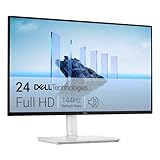
| 3 | Dell 24 Plus Monitor - S2425HSM - 23.8-inch FHD (1920x1080) 144Hz 1ms Display… | $129.99 | View on Amazon | |
| 4 | Dell 24 Monitor - SE2426H - 23.8-inch FHD (1920x1080) 144Hz 1ms Display… | $89.99 | View on Amazon | |
| 5 | Dell 27 Monitor - SE2726H - 27-inch FHD (1920x1080) 144Hz 1ms Display, in-Plane… | $108.99 | View on Amazon |



As an Amazon Associate I earn from qualifying purchases.
Prices and availability are accurate as of November 5, 2026 09:44 and are subject to change.
Introduction to Computer Displays
Computer displays have become an essential part of our daily lives, serving as the primary interface between users and their computers. They come in various shapes, sizes, and technologies, each designed to provide a unique viewing experience. From simple text-based displays to high-resolution graphics and video, computer displays have evolved significantly over the years.
The primary function of a computer display is to show the visual output of a computer’s graphics card, allowing users to interact with their devices. This output can range from basic text and images to complex graphics, videos, and games. Computer displays use various technologies, including LCD, LED, and OLED, each with its strengths and weaknesses. These technologies have led to the development of a wide range of displays, catering to different needs and preferences.
When it comes to choosing the best computer displays, there are several factors to consider, including resolution, refresh rate, response time, and connectivity options. The best computer displays offer a perfect balance between these factors, providing a seamless and immersive viewing experience. Whether you’re a gamer, graphic designer, or simply a computer user, a good display can make a significant difference in your overall computing experience.
In recent years, the market has seen a surge in innovative display technologies, such as 4K, HDR, and curved screens. These advancements have raised the bar for computer displays, offering users a more engaging and interactive experience. As technology continues to evolve, we can expect to see even more exciting developments in the world of computer displays, making it an exciting time to explore the options available for the best computer displays that suit your needs and budget.
Best Computer Displays – Reviews
The
ASUS VG278Q-01
is a highly-regarded computer display that offers exceptional performance and features. It boasts a 27-inch full HD display with a 1920×1080 resolution, making it ideal for gaming and multimedia applications. The display also features a 144Hz refresh rate, which provides a seamless and smooth visual experience. Additionally, it has a 1ms response time, which reduces ghosting and blurring, making it perfect for fast-paced games.
The
ASUS VG278Q-01
also comes with NVIDIA 3D Vision technology, which allows users to enjoy 3D content with compatible hardware and software. The display also features a range of connectivity options, including HDMI, DisplayPort, and USB ports. Overall, the
ASUS VG278Q-01
is an excellent choice for anyone looking for a high-performance computer display. Its impressive features, fast response time, and high refresh rate make it perfect for gaming, video editing, and other graphics-intensive applications.
The
Dell U2419-02
is a high-quality computer display that offers excellent performance and value. It features a 24-inch full HD display with a 1920×1080 resolution, making it ideal for office work, web browsing, and multimedia applications. The display also features a range of connectivity options, including HDMI, DisplayPort, and USB ports. Additionally, it has a thin and sleek design, making it perfect for modern workspaces.
The
Dell U2419-02
also comes with a range of features that enhance user experience, including a built-in USB hub, a height-adjustable stand, and a range of preset modes for different applications. The display also features a high level of color accuracy, making it perfect for graphic designers, photographers, and other professionals who require precise color representation. Overall, the
Dell U2419-02
is an excellent choice for anyone looking for a high-quality computer display that offers great value and performance.
The
ViewSonic XG240R-03
is a highly-regarded computer display that offers exceptional performance and features. It boasts a 24-inch full HD display with a 1920×1080 resolution, making it ideal for gaming and multimedia applications. The display also features a 144Hz refresh rate, which provides a seamless and smooth visual experience. Additionally, it has a 1ms response time, which reduces ghosting and blurring, making it perfect for fast-paced games.
The
ViewSonic XG240R-03
also comes with a range of features that enhance user experience, including a built-in USB hub, a height-adjustable stand, and a range of preset modes for different applications. The display also features a high level of color accuracy, making it perfect for graphic designers, photographers, and other professionals who require precise color representation. Overall, the
ViewSonic XG240R-03
is an excellent choice for anyone looking for a high-performance computer display that offers great value and features.
The
Acer Predator XB273K-04
is a high-end computer display that offers exceptional performance and features. It boasts a 27-inch 4K display with a 3840×2160 resolution, making it ideal for gaming, video editing, and other graphics-intensive applications. The display also features a 144Hz refresh rate, which provides a seamless and smooth visual experience. Additionally, it has a 1ms response time, which reduces ghosting and blurring, making it perfect for fast-paced games.
The
Acer Predator XB273K-04
also comes with a range of features that enhance user experience, including NVIDIA G-Sync technology, which reduces screen tearing and provides a smooth visual experience. The display also features a range of connectivity options, including HDMI, DisplayPort, and USB ports. Overall, the
Acer Predator XB273K-04
is an excellent choice for anyone looking for a high-end computer display that offers exceptional performance and features. Its impressive features, fast response time, and high refresh rate make it perfect for gaming, video editing, and other graphics-intensive applications.
The
BenQ PD2700U-05
is a high-quality computer display that offers excellent performance and value. It features a 27-inch 4K display with a 3840×2160 resolution, making it ideal for graphic designers, photographers, and other professionals who require precise color representation. The display also features a range of connectivity options, including HDMI, DisplayPort, and USB ports. Additionally, it has a thin and sleek design, making it perfect for modern workspaces.
The
BenQ PD2700U-05
also comes with a range of features that enhance user experience, including a built-in USB hub, a height-adjustable stand, and a range of preset modes for different applications. The display also features a high level of color accuracy, making it perfect for professionals who require precise color representation. Overall, the
BenQ PD2700U-05
is an excellent choice for anyone looking for a high-quality computer display that offers great value and performance. Its impressive features, high resolution, and high level of color accuracy make it perfect for graphic designers, photographers, and other professionals.
Why People Need to Buy Computer Displays
In today’s digital age, computer displays have become an essential component of our daily lives. Whether it’s for work, entertainment, or communication, people rely heavily on their computers and laptops to stay connected and productive. A good computer display can make a significant difference in the overall computing experience, providing clear and vibrant visuals that enhance the user’s interaction with their device.
One of the primary reasons people need to buy computer displays is to replace old or outdated monitors that no longer meet their needs. As technology advances, newer displays offer improved features such as higher resolutions, faster response times, and wider viewing angles. Upgrading to a new display can breathe new life into an existing computer setup, allowing users to enjoy a more immersive and engaging experience. Additionally, new displays often come with advanced features such as touchscreens, USB-C connectivity, and built-in webcams, making them a worthwhile investment for those looking to upgrade their computing experience.
For professionals and gamers, a high-quality computer display is not just a luxury, but a necessity. Graphic designers, video editors, and gamers require displays that can accurately render colors, provide fast response times, and offer high levels of detail and clarity. The best computer displays on the market offer these features and more, making them an essential tool for anyone who relies on their computer for work or play. By investing in a high-quality display, users can enjoy a more productive and enjoyable computing experience, with vibrant visuals and seamless performance.
In conclusion, buying a computer display is a necessary investment for anyone who uses a computer regularly. With the wide range of options available, users can choose a display that meets their specific needs and budget. Whether it’s for work, entertainment, or communication, a good computer display can make a significant difference in the overall computing experience. By upgrading to a new display, users can enjoy a more immersive, engaging, and productive experience, with clear and vibrant visuals that bring their digital world to life.
Types of Computer Displays
Computer displays come in various types, each with its unique features and benefits. The most common types include LED, LCD, and OLED displays. LED displays use light-emitting diodes to illuminate the screen, while LCD displays use a layer of liquid crystals to block or allow light to pass through. OLED displays, on the other hand, use organic compounds to produce light, resulting in better contrast and color accuracy.
When choosing a computer display, it’s essential to consider the type of display that suits your needs. For example, if you’re a gamer, you may want to opt for an OLED display for its fast response time and vibrant colors. If you’re a graphic designer, you may prefer an LCD display for its color accuracy and wide viewing angles.
In addition to these types, there are also curved and ultra-wide displays available. Curved displays provide a more immersive experience, while ultra-wide displays offer a wider field of view. These types of displays are ideal for gamers, video editors, and programmers who need to multitask and have multiple windows open at the same time.
The type of display you choose will also depend on your budget and personal preferences. For instance, if you’re on a tight budget, you may want to opt for an LCD display, which is generally more affordable than OLED displays. On the other hand, if you’re willing to invest in a high-quality display, you may want to consider an OLED display for its superior picture quality.
Display Resolution and Size
Display resolution and size are two critical factors to consider when choosing a computer display. The resolution refers to the number of pixels on the screen, with higher resolutions resulting in sharper and more detailed images. Common display resolutions include HD, Full HD, Quad HD, and 4K.
The size of the display is also important, as it will affect the overall viewing experience. Larger displays provide a more immersive experience, but they may also take up more desk space. Smaller displays, on the other hand, are more compact and energy-efficient, but they may not provide the same level of detail and clarity as larger displays.
When choosing a display size, consider the distance between your eyes and the screen. If you’ll be sitting close to the screen, a smaller display may be sufficient. However, if you’ll be sitting farther away, a larger display may be necessary to achieve the same level of detail and clarity.
In addition to resolution and size, you should also consider the aspect ratio of the display. The aspect ratio refers to the ratio of the display’s width to its height. Common aspect ratios include 16:9, 16:10, and 4:3. The aspect ratio will affect the display’s shape and the amount of screen real estate available.
Connectivity and Compatibility
Connectivity and compatibility are essential considerations when choosing a computer display. You’ll want to ensure that the display has the necessary ports and connectors to connect to your computer, as well as any other devices you may want to use, such as gaming consoles or Blu-ray players.
Common display connectors include HDMI, DisplayPort, VGA, and DVI. HDMI is a popular choice for its high-speed data transfer and ability to carry both video and audio signals. DisplayPort is another popular choice, especially for gamers, as it can carry high-resolution video signals and support multiple displays.
In addition to connectors, you should also consider the display’s compatibility with your computer’s graphics card. If you have a high-end graphics card, you’ll want to ensure that the display can take full advantage of its capabilities. You should also consider the display’s compatibility with your computer’s operating system, as some displays may not be optimized for certain operating systems.
When choosing a display, look for one that has multiple connectivity options and is compatible with your computer’s hardware and software. This will ensure that you can connect your display to your computer and other devices without any issues, and that you can take full advantage of the display’s features and capabilities.
Additional Features to Consider
When choosing a computer display, there are several additional features to consider. One of the most important features is the display’s refresh rate, which refers to the number of times the display updates the image per second. A higher refresh rate results in a smoother and more responsive image, making it ideal for gamers and video editors.
Another feature to consider is the display’s response time, which refers to the time it takes for the display to change the color of a pixel. A faster response time results in less ghosting and blurring, making it ideal for fast-paced games and videos.
You should also consider the display’s adjustability and ergonomics. Look for a display that can be adjusted to different heights and angles, and that has a comfortable and intuitive design. This will help reduce eye strain and improve your overall viewing experience.
In addition to these features, you may also want to consider the display’s power consumption and environmental sustainability. Look for a display that is energy-efficient and made from eco-friendly materials. This will help reduce your carbon footprint and save you money on your energy bills.
Ultimate Buying Guide for Computer Displays
When it comes to purchasing a computer display, there are numerous factors to consider. With the vast array of options available in the market, it can be overwhelming to choose the right one. In this guide, we will walk you through the key factors to consider when buying a computer display, helping you make an informed decision.
Screen Size and Resolution
The screen size and resolution of a computer display are crucial factors to consider. The size of the screen will depend on the available space and the intended use of the display. For instance, if you plan to use the display for gaming or video editing, a larger screen size with a high resolution would be ideal. On the other hand, if you plan to use the display for basic tasks such as browsing the internet or checking emails, a smaller screen size with a lower resolution would suffice.
The resolution of a computer display is measured in pixels, with higher pixel densities resulting in sharper and clearer images. When choosing a computer display, consider the resolution that best suits your needs. For example, if you plan to use the display for gaming, a resolution of 1440p or 4K would be ideal. However, if you plan to use the display for basic tasks, a resolution of 1080p would be sufficient. It is essential to note that higher resolutions require more powerful hardware to run smoothly, so ensure that your computer can handle the resolution you choose.
Panel Type
The panel type of a computer display refers to the technology used to produce the images on the screen. The most common panel types are TN, IPS, and VA. TN panels are the most affordable and offer fast response times, making them ideal for gaming. However, they often suffer from limited viewing angles and lower color accuracy. IPS panels, on the other hand, offer better color accuracy and wider viewing angles, making them ideal for graphic design and video editing. VA panels offer the best contrast ratios, making them ideal for watching movies and playing games.
When choosing a computer display, consider the panel type that best suits your needs. If you plan to use the display for gaming, a TN panel would be ideal. However, if you plan to use the display for graphic design or video editing, an IPS panel would be a better choice. It is essential to note that IPS panels are generally more expensive than TN panels, so consider your budget when making a decision. Additionally, some displays may use a combination of panel types, such as a TN panel with IPS technology, so be sure to research the specific panel type used in the display you are considering.
Refresh Rate and Response Time
The refresh rate and response time of a computer display are critical factors to consider, especially for gamers. The refresh rate refers to the number of times the screen is updated per second, measured in Hz. A higher refresh rate results in a smoother image, reducing screen tearing and stuttering. For example, a refresh rate of 144Hz is ideal for fast-paced games, while a refresh rate of 60Hz is sufficient for basic tasks.
The response time of a computer display refers to the time it takes for a pixel to change color. A lower response time results in less ghosting and blurring, making it ideal for fast-paced games. When choosing a computer display, consider the refresh rate and response time that best suits your needs. If you plan to use the display for gaming, look for a display with a high refresh rate and low response time. However, if you plan to use the display for basic tasks, a lower refresh rate and higher response time would be sufficient. It is essential to note that higher refresh rates and lower response times often require more powerful hardware to run smoothly.
Connectivity Options
The connectivity options of a computer display are essential factors to consider. The most common connectivity options are HDMI, DisplayPort, and USB. HDMI is the most widely used connectivity option, while DisplayPort is ideal for multiple monitor setups. USB connectivity options are convenient for connecting peripherals such as keyboards and mice. When choosing a computer display, consider the connectivity options that best suit your needs. If you plan to use the display for gaming, look for a display with multiple HDMI ports and a DisplayPort.
Additionally, consider the version of the connectivity options, as newer versions often offer faster transfer speeds and higher resolutions. For example, HDMI 2.1 offers higher resolutions and faster transfer speeds than HDMI 1.4. It is essential to note that some displays may not have all the connectivity options you need, so be sure to research the specific connectivity options used in the display you are considering. Furthermore, some displays may have additional connectivity options such as wireless connectivity or Ethernet, so consider your specific needs when making a decision.
Ergonomics and Adjustability
The ergonomics and adjustability of a computer display are crucial factors to consider. The display should be adjustable in terms of height, tilt, and swivel to ensure a comfortable viewing experience. Look for a display with a sturdy stand that can be adjusted to fit your needs. Additionally, consider a display with a VESA mount, which allows you to mount the display on a wall or a monitor arm. When choosing a computer display, consider the ergonomics and adjustability that best suit your needs. If you plan to use the display for extended periods, look for a display with a highly adjustable stand and a VESA mount.
The ergonomics of a computer display also extend to the display’s design and build quality. Look for a display with a slim and sleek design that fits your aesthetic preferences. Additionally, consider a display with a durable build quality that can withstand the rigors of daily use. Some displays may have additional features such as built-in speakers or a webcam, so consider your specific needs when making a decision. Furthermore, some displays may have certifications such as TUV or Eyesafe, which ensure that the display meets certain standards for eye care and ergonomics.
Price and Warranty
The price and warranty of a computer display are essential factors to consider. The price of a computer display can vary greatly, depending on the features and specifications. When choosing a computer display, consider your budget and look for a display that offers the best value for your money. Look for the best computer displays that offer a balance of features and price. Additionally, consider the warranty offered by the manufacturer, as a longer warranty can provide peace of mind and protect your investment.
The warranty of a computer display can vary in terms of length and coverage. Look for a display with a comprehensive warranty that covers parts and labor for an extended period. Additionally, consider a display with a good customer support system, which can provide assistance and repairs when needed. Some manufacturers may offer additional services such as on-site repair or dedicated support lines, so consider your specific needs when making a decision. Furthermore, some displays may have a longer warranty period for certain components, such as the panel or the backlight, so be sure to research the specific warranty offered by the manufacturer.
FAQs
What is the importance of a good computer display?
A good computer display is essential for a comfortable and productive computing experience. It can greatly impact the overall performance and usability of a computer, as it is the primary interface between the user and the machine. A high-quality display can provide crisp and clear visuals, accurate colors, and a wide range of viewing angles, making it ideal for various tasks such as gaming, video editing, and office work.
In addition to its functional benefits, a good computer display can also contribute to the aesthetic appeal of a computer setup. With a wide range of designs, sizes, and styles available, users can choose a display that fits their personal preferences and complements their workspace. Furthermore, a good display can also help reduce eye strain and improve overall eye health, making it a worthwhile investment for anyone who spends a significant amount of time in front of a computer.
What are the key factors to consider when buying a computer display?
When buying a computer display, there are several key factors to consider. The first and most important factor is the display’s resolution, which determines the level of detail and clarity of the images. Other important factors include the display’s size, aspect ratio, refresh rate, and response time. Additionally, users should also consider the display’s connectivity options, such as HDMI, DisplayPort, and USB ports, to ensure that it can be easily connected to their computer and other devices.
Another important factor to consider is the display’s panel type, such as TN, IPS, or OLED, which can affect its color accuracy, viewing angles, and overall performance. Users should also consider the display’s adjustability, such as its tilt, swivel, and height adjustment, to ensure that it can be comfortably positioned for optimal viewing. Furthermore, users should also check the display’s warranty, customer support, and reviews from other users to ensure that they are getting a high-quality product that meets their needs and expectations.
What is the difference between TN, IPS, and OLED panels?
The main difference between TN, IPS, and OLED panels lies in their technology and performance. TN (Twisted Nematic) panels are the most common and affordable type of panel, offering good performance and fast response times. However, they often suffer from limited viewing angles and lower color accuracy. IPS (In-Plane Switching) panels, on the other hand, offer wider viewing angles and better color accuracy, making them ideal for tasks that require accurate color representation.
OLED (Organic Light-Emitting Diode) panels, however, offer the best performance and image quality, with true blacks, infinite contrast ratio, and fast response times. They are also more power-efficient and offer wider viewing angles than TN and IPS panels. However, OLED panels are generally more expensive than TN and IPS panels, making them a premium option for users who demand the best image quality. Ultimately, the choice of panel type depends on the user’s specific needs and budget, as well as their intended use of the display.
What is the ideal display size for a computer?
The ideal display size for a computer depends on several factors, including the user’s personal preference, workspace, and intended use. For general office work and web browsing, a display size of 22-24 inches is often sufficient. However, for tasks that require more screen real estate, such as gaming, video editing, and graphics design, a larger display size of 27-32 inches may be more suitable.
Ultimately, the ideal display size will depend on the user’s specific needs and preferences. Users who work with multiple windows and applications simultaneously may prefer a larger display, while those who prioritize portability and compactness may prefer a smaller display. Additionally, users should also consider the display’s resolution and pixel density to ensure that the image remains sharp and clear, regardless of the display size.
What is the importance of refresh rate and response time in a computer display?
The refresh rate and response time of a computer display are critical factors that can greatly impact the user’s experience. The refresh rate, measured in Hz, determines how often the display updates the image, with higher refresh rates resulting in smoother motion and reduced screen tearing. The response time, measured in milliseconds, determines how quickly the display can change the color of a pixel, with faster response times resulting in reduced ghosting and blurring.
A high refresh rate and fast response time are particularly important for users who engage in fast-paced activities such as gaming, video editing, and graphics design. A display with a high refresh rate and fast response time can provide a more immersive and responsive experience, with reduced eye strain and improved overall performance. However, for general office work and web browsing, a lower refresh rate and slower response time may be sufficient, making it a worthwhile consideration for users who prioritize budget and power efficiency.
Can I use a TV as a computer display?
Yes, it is possible to use a TV as a computer display, but it may not always be the best option. While TVs are designed to display video content, they can also be used as computer monitors, especially if they have the necessary input ports such as HDMI. However, TVs are often optimized for video content and may not provide the same level of image quality and responsiveness as a dedicated computer display.
Using a TV as a computer display can also have some drawbacks, such as a higher input lag, lower pixel density, and limited adjustability. Additionally, TVs are often larger and more power-hungry than computer displays, making them less suitable for desktop use. However, for users who want to use their TV as a computer display, it is essential to check the TV’s specifications and capabilities to ensure that it can meet their needs and provide a satisfactory experience.
How do I calibrate my computer display for optimal performance?
Calibrating a computer display involves adjusting its settings to optimize its performance and image quality. The first step is to adjust the display’s brightness and contrast to a comfortable level, taking into account the ambient lighting of the workspace. Next, users should adjust the display’s color temperature and gamma settings to achieve accurate color representation and a natural image.
To further calibrate the display, users can use calibration software or tools, such as the display’s built-in calibration menu or third-party calibration software. These tools can help users fine-tune the display’s settings, such as the color balance, hue, and saturation, to achieve optimal image quality. Additionally, users can also consider using a calibration device, such as a colorimeter, to measure the display’s color accuracy and provide more precise calibration. By calibrating their computer display, users can enjoy a more immersive and engaging experience, with accurate colors and a natural image.
The Bottom Line
In today’s fast-paced digital landscape, having the right computer display can make all the difference in productivity, entertainment, and overall user experience. With numerous options available in the market, it can be overwhelming to choose the perfect one that meets your specific needs and budget. However, by considering key factors such as resolution, refresh rate, and connectivity options, you can narrow down your search and find a display that enhances your computing experience.
Ultimately, investing in one of the best computer displays can revolutionize the way you work, play, and interact with your computer. Whether you’re a gamer, graphic designer, or simply a casual user, a high-quality display can provide unparalleled visuals, faster response times, and a more immersive experience. By following our comprehensive guide and reviews, you can make an informed decision and find the perfect display that suits your lifestyle and preferences, ensuring that you get the most out of your computer and enjoy a superior viewing experience.