Embarking on a thrilling motorcycle tour is an exhilarating experience that many enthusiasts look forward to, and capturing the journey’s essence is just as important as the ride itself. With the advancement of technology, action cameras have become an essential accessory for motorcyclists, allowing them to record their adventures in stunning high definition. Whether you’re cruising down a scenic highway or navigating through challenging terrain, a reliable camera can make all the difference in preserving your memories. For those seeking to document their travels, finding the right camera can be a daunting task, given the numerous options available in the market.
As motorcyclists, we understand the importance of durability, image quality, and ease of use when it comes to choosing a camera for our adventures. The best video cameras for motorcycle touring offer a perfect blend of these features, ensuring that you can focus on the road ahead while your camera captures every moment of your journey. In this article, we’ll delve into the world of motorcycle cameras, exploring the key features to look for, and reviewing some of the top models that have gained popularity among motorcyclists. From budget-friendly options to high-end devices, we’ll provide you with a comprehensive guide to help you make an informed decision and find the perfect camera to complement your next motorcycle tour.
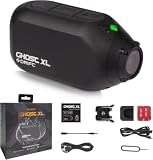
Before we get to our review of the best video cameras for motorcycle touring, let’s browse through some relevant products on Amazon:



As an Amazon Associate I earn from qualifying purchases.
Prices and availability are accurate as of November 28, 2026 05:10 and are subject to change.
Introduction to Video Cameras for Motorcycle Touring
Video cameras have become an essential accessory for many motorcycle enthusiasts, allowing them to capture and share their touring experiences with others. With the advancement of technology, these cameras have become more compact, lightweight, and feature-rich, making them an ideal companion for motorcycle touring. They provide a great way to record the scenic routes, exciting moments, and memorable experiences, and can also serve as a useful tool for tracking progress, monitoring road conditions, and providing evidence in case of an accident.
The use of video cameras for motorcycle touring has gained popularity in recent years, and many manufacturers now offer a range of models specifically designed for this purpose. These cameras are typically designed to be rugged, waterproof, and shockproof, with features such as wide-angle lenses, image stabilization, and high-definition video recording. They can be mounted on the motorcycle helmet, handlebars, or other parts of the bike, providing a unique perspective and capturing the thrill of the ride.
When it comes to choosing the right video camera for motorcycle touring, there are several factors to consider, including image quality, durability, and ease of use. The best video cameras for motorcycle touring should be able to withstand the rigors of the road, provide clear and stable footage, and be easy to operate, even when wearing gloves. Additionally, features such as GPS, Wi-Fi connectivity, and long battery life can be useful for tracking routes, sharing videos, and capturing extended periods of footage.
Overall, video cameras have become an integral part of the motorcycle touring experience, allowing riders to capture and share their adventures with others. By choosing the right camera, riders can ensure that they have a reliable and high-quality device that can withstand the demands of motorcycle touring, and provide them with a unique and exciting way to document their travels. Whether you’re a seasoned rider or just starting out, a video camera can be a valuable addition to your motorcycle touring kit, and can help you to create lasting memories of your time on the road.
Top 5 Best Video Cameras For Motorcycle Touring
The
GoPro Hero8 Black CHDHX-801
is a top choice for motorcycle touring due to its rugged design and excellent video quality. It is waterproof up to 33 feet without the need for an additional housing, making it perfect for riding in various weather conditions. The camera also features HyperSmooth 2.0 stabilization, which helps to reduce camera shake and provide smooth footage even on bumpy roads.
The
GoPro Hero8 Black CHDHX-801
also has a number of other features that make it well-suited for motorcycle touring, including live streaming, time-lapse photography, and a built-in microphone. The camera’s battery life is also impressive, with up to 50 minutes of recording time on a single charge. Additionally, the camera’s small size and lightweight design make it easy to mount on a helmet or bike, allowing riders to capture high-quality footage without obstructing their view.
The
DJI Osmo Action 2 12-001
is another great option for motorcycle touring, offering dual screens and a rugged design that can withstand rough handling. The camera is also waterproof up to 16 feet without the need for an additional housing, making it suitable for riding in wet conditions. The camera’s dual screens allow riders to frame their shots and review their footage easily, and the camera’s RockSteady stabilization helps to reduce camera shake and provide smooth footage.
The
DJI Osmo Action 2 12-001
also has a number of other features that make it well-suited for motorcycle touring, including voice control, live streaming, and a built-in microphone. The camera’s battery life is also impressive, with up to 70 minutes of recording time on a single charge. Additionally, the camera’s modular design allows riders to easily swap out batteries and add additional accessories, such as a microphone or LED light, to enhance their footage.
The
Yi 4K+ 203-001
is a budget-friendly option for motorcycle touring that still offers excellent video quality and a range of features. The camera is waterproof up to 30 feet with the included housing, making it suitable for riding in wet conditions. The camera also features electronic image stabilization, which helps to reduce camera shake and provide smooth footage. The camera’s battery life is also impressive, with up to 2 hours of recording time on a single charge.
The
Yi 4K+ 203-001
also has a number of other features that make it well-suited for motorcycle touring, including live streaming, time-lapse photography, and a built-in microphone. The camera’s small size and lightweight design make it easy to mount on a helmet or bike, allowing riders to capture high-quality footage without obstructing their view. Additionally, the camera’s touchscreen interface makes it easy to navigate and adjust settings on the go, and the camera’s built-in Wi-Fi allows riders to easily transfer their footage to a smartphone or computer.
The
Sony RX0 II DSC-RX0M2 725-001
is a premium option for motorcycle touring that offers excellent video quality and a range of features. The camera is waterproof up to 33 feet without the need for an additional housing, making it perfect for riding in various weather conditions. The camera also features optical image stabilization, which helps to reduce camera shake and provide smooth footage. The camera’s battery life is also impressive, with up to 60 minutes of recording time on a single charge.
The
Sony RX0 II DSC-RX0M2 725-001
also has a number of other features that make it well-suited for motorcycle touring, including live streaming, time-lapse photography, and a built-in microphone. The camera’s small size and lightweight design make it easy to mount on a helmet or bike, allowing riders to capture high-quality footage without obstructing their view. Additionally, the camera’s built-in Wi-Fi allows riders to easily transfer their footage to a smartphone or computer, and the camera’s interval shooting feature allows riders to capture stunning time-lapse footage.
The
Olympus TG-Tracker 201-001
is a rugged and waterproof camera that is perfect for motorcycle touring. The camera is waterproof up to 30 feet without the need for an additional housing, making it suitable for riding in wet conditions. The camera also features electronic image stabilization, which helps to reduce camera shake and provide smooth footage. The camera’s battery life is also impressive, with up to 90 minutes of recording time on a single charge.
The
Olympus TG-Tracker 201-001
also has a number of other features that make it well-suited for motorcycle touring, including live streaming, time-lapse photography, and a built-in microphone. The camera’s small size and lightweight design make it easy to mount on a helmet or bike, allowing riders to capture high-quality footage without obstructing their view. Additionally, the camera’s built-in Wi-Fi allows riders to easily transfer their footage to a smartphone or computer, and the camera’s GPS feature allows riders to track their route and location.
Why People Need to Buy Video Cameras for Motorcycle Touring
When it comes to capturing memories of a motorcycle tour, a video camera is an essential piece of equipment. Not only does it allow riders to relive their experiences, but it also provides a way to share their adventures with others. With the rise of social media, people are increasingly looking for ways to document their travels and share them with friends and family. A video camera is the perfect tool for this, as it allows riders to capture high-quality footage of their journey.
One of the main reasons people need to buy video cameras for motorcycle touring is safety. In the event of an accident, a video camera can provide valuable evidence of what happened. This can be especially important if the rider is involved in a collision with another vehicle, as it can help to determine fault. Additionally, a video camera can provide a record of road conditions, weather, and other factors that may have contributed to the accident.
Another reason people need to buy video cameras for motorcycle touring is to capture the thrill of the ride. Motorcycle touring is all about the experience, and a video camera allows riders to relive that experience whenever they want. Whether it’s the scenic views, the thrill of the open road, or the camaraderie of riding with friends, a video camera can capture it all. When looking for the best video cameras for motorcycle touring, riders should consider factors such as image quality, durability, and ease of use.
In addition to safety and capturing the thrill of the ride, a video camera can also be used to document the journey and provide a record of the trip. This can be especially useful for riders who want to create a travelogue or share their experiences with others. With a video camera, riders can capture footage of the places they visit, the people they meet, and the things they see and do. This can be a great way to relive the memories of the trip and share them with others, and it’s just one more reason why people need to buy video cameras for motorcycle touring.
Key Features to Consider When Choosing a Video Camera for Motorcycle Touring
When selecting a video camera for motorcycle touring, there are several key features to consider. One of the most important features is the camera’s durability and ability to withstand various weather conditions. A camera with a waterproof and shockproof design is essential for withstanding the rigors of the road. Additionally, a camera with a wide-angle lens and image stabilization can help capture smooth and clear footage, even when the road gets bumpy.
Another important feature to consider is the camera’s battery life and storage capacity. A camera with a long battery life and ample storage capacity can ensure that you don’t run out of power or storage space during your tour. Furthermore, a camera with Wi-Fi connectivity and a mobile app can make it easy to transfer and share your footage on the go.
The camera’s mounting system is also an important consideration. A camera with a secure and adjustable mounting system can ensure that it stays in place, even at high speeds. Some cameras come with adhesive mounts, while others have clamp mounts or suction cups. It’s essential to choose a camera with a mounting system that fits your motorcycle’s design and your personal preferences.
In addition to these features, it’s also important to consider the camera’s video quality and resolution. A camera with high-resolution video and a high frame rate can capture detailed and smooth footage. Some cameras also have features like slow-motion and time-lapse, which can add an extra layer of creativity to your videos. By considering these key features, you can choose a video camera that meets your needs and enhances your motorcycle touring experience.
Types of Video Cameras Suitable for Motorcycle Touring
There are several types of video cameras that are suitable for motorcycle touring, each with its own unique features and advantages. Action cameras are one of the most popular types of cameras for motorcycle touring, due to their compact size, durability, and wide-angle lenses. These cameras are designed to be mounted on the motorcycle or the rider’s helmet, and can capture high-quality footage in various weather conditions.
Another type of camera suitable for motorcycle touring is the 360-degree camera. These cameras can capture a 360-degree view of the surroundings, providing a unique and immersive perspective. They are often smaller and more compact than traditional cameras, making them easy to mount on the motorcycle or helmet. However, they may require additional software to stitch the footage together, which can be time-consuming and require technical expertise.
Dash cameras are also a popular option for motorcycle touring, as they can capture footage of the road ahead and provide evidence in case of an accident. These cameras are designed to be mounted on the motorcycle’s dashboard or windshield, and often have features like GPS, Wi-Fi, and collision detection. However, they may not be as durable as action cameras, and may require additional mounting hardware.
In addition to these types of cameras, some riders also use smartphone cameras or mirrorless cameras for motorcycle touring. These cameras can provide high-quality footage and a range of features like image stabilization and manual focus. However, they may not be as compact or durable as action cameras, and may require additional mounting hardware or cases.
Benefits of Using a Video Camera for Motorcycle Touring
Using a video camera for motorcycle touring can have several benefits, both practical and creative. One of the most significant benefits is the ability to capture and relive memories of your tour. With a video camera, you can record your journey and share it with friends and family, providing a unique perspective on your experiences.
Another benefit of using a video camera is the ability to document your route and provide evidence in case of an accident. A dash camera or action camera can capture footage of the road ahead, providing a record of your journey and helping to establish liability in case of an accident. Additionally, a video camera can help you improve your riding skills by providing a unique perspective on your technique and helping you identify areas for improvement.
Using a video camera can also enhance your safety while touring. A camera with features like collision detection and lane departure warning can alert you to potential hazards and help you avoid accidents. Additionally, a camera with a wide-angle lens and night vision can help you see potential hazards and navigate in low-light conditions.
In addition to these practical benefits, using a video camera can also add a creative element to your motorcycle touring experience. With a camera, you can capture stunning footage of the scenery, document your interactions with other riders, and create a unique and engaging narrative of your journey. By combining your footage with music, commentary, and other effects, you can create a compelling and immersive video that showcases your adventure.
Tips for Getting the Most Out of Your Video Camera While Motorcycle Touring
To get the most out of your video camera while motorcycle touring, there are several tips to keep in mind. One of the most important tips is to plan your shots and footage in advance, considering factors like lighting, composition, and battery life. This can help you capture the best possible footage and ensure that you don’t run out of power or storage space during your tour.
Another tip is to experiment with different mounting positions and angles, to capture a range of perspectives and add visual interest to your footage. You can mount your camera on the motorcycle, your helmet, or even your body, to capture unique and immersive footage. Additionally, you can use accessories like gimbals and stabilizers to smooth out your footage and reduce camera shake.
It’s also essential to consider the weather and lighting conditions when shooting with your video camera. Avoid shooting in direct sunlight or harsh weather conditions, as this can affect the quality of your footage. Instead, try to shoot during the golden hour or in overcast conditions, when the light is softer and more flattering.
In addition to these tips, it’s also important to edit and enhance your footage after your tour, to create a compelling and engaging video. You can use video editing software to trim and arrange your clips, add music and commentary, and apply effects like color correction and stabilization. By following these tips and experimenting with different techniques, you can get the most out of your video camera and create stunning footage that showcases your motorcycle touring adventure.
Buying Guide: Best Video Cameras For Motorcycle Touring
When it comes to capturing the thrill and excitement of motorcycle touring, having the right video camera is essential. With so many options available on the market, choosing the perfect camera can be a daunting task. In this buying guide, we will discuss the key factors to consider when selecting a video camera for motorcycle touring, helping you make an informed decision and find the perfect camera to capture your adventures.
Image Quality and Resolution
Image quality and resolution are crucial factors to consider when buying a video camera for motorcycle touring. A high-resolution camera will provide a clearer and more detailed image, allowing you to capture every moment of your journey. Look for cameras with high-resolution sensors, such as 4K or 1080p, and a wide aperture to ensure that your footage is sharp and well-exposed. Additionally, consider cameras with image stabilization, which will help to reduce camera shake and provide a smoother image.
When evaluating image quality and resolution, it’s also important to consider the type of sensor used in the camera. CMOS sensors are commonly used in video cameras and provide excellent image quality, while CCD sensors are often used in higher-end cameras and offer even better image quality. Furthermore, look for cameras with a wide dynamic range, which will help to capture a wider range of tonal values and provide a more natural-looking image. By considering these factors, you can ensure that your video camera captures high-quality footage that meets your needs.
Camera Durability and Weather Resistance
Camera durability and weather resistance are essential factors to consider when buying a video camera for motorcycle touring. Your camera will be exposed to the elements, including rain, wind, and extreme temperatures, so it’s crucial to choose a camera that can withstand these conditions. Look for cameras with a rugged design, such as a waterproof or shockproof housing, and consider cameras with a secure mounting system to ensure that your camera stays in place.
When evaluating camera durability and weather resistance, it’s also important to consider the materials used in the camera’s construction. Look for cameras made with high-quality materials, such as aluminum or stainless steel, which will provide a high level of durability and resistance to corrosion. Additionally, consider cameras with a compact design, which will make them easier to mount and reduce the risk of damage. By choosing a camera with a rugged design and durable construction, you can ensure that your camera will withstand the rigors of motorcycle touring and provide years of reliable service.
Mounting Options and Accessories
Mounting options and accessories are critical factors to consider when buying a video camera for motorcycle touring. You’ll need to mount your camera to your motorcycle, and there are several options available, including handlebar mounts, helmet mounts, and adhesive mounts. Consider cameras with a variety of mounting options, including threaded sockets and clips, to ensure that you can securely attach your camera to your motorcycle. Additionally, look for cameras with a range of accessories, such as remote controls and external microphones, to enhance your filming experience.
When evaluating mounting options and accessories, it’s also important to consider the type of mounting system used. Look for cameras with a quick-release mounting system, which will allow you to easily remove and reattach your camera as needed. Furthermore, consider cameras with a range of power options, including battery packs and external power sources, to ensure that you can keep your camera powered up on long trips. By choosing a camera with a range of mounting options and accessories, you can ensure that you have the flexibility and convenience you need to capture high-quality footage on your motorcycle tours.
Field of View and Lens Type
Field of view and lens type are important factors to consider when buying a video camera for motorcycle touring. A wide field of view will allow you to capture more of the scene, including the road ahead and the surrounding landscape. Look for cameras with a wide-angle lens, such as a 120-degree or 140-degree lens, to ensure that you can capture a broad field of view. Additionally, consider cameras with a vari-angle lens, which will allow you to adjust the angle of the lens to suit your needs.
When evaluating field of view and lens type, it’s also important to consider the type of lens used. Look for cameras with a high-quality lens, such as a glass or aspherical lens, which will provide a sharper and more detailed image. Furthermore, consider cameras with a lens that is resistant to distortion and aberrations, which will help to reduce the risk of image degradation. By choosing a camera with a wide field of view and high-quality lens, you can ensure that your footage is sharp, detailed, and engaging, making it perfect for sharing with friends and family or posting online.
Audio Quality and Microphone Options
Audio quality and microphone options are critical factors to consider when buying a video camera for motorcycle touring. Good audio quality is essential for capturing the sounds of the road, including the rumble of the engine and the wind rushing past. Look for cameras with a high-quality built-in microphone, such as a stereo or surround-sound microphone, to ensure that you can capture clear and detailed audio. Additionally, consider cameras with external microphone options, such as a 3.5mm input or a wireless microphone system, to enhance your audio capabilities.
When evaluating audio quality and microphone options, it’s also important to consider the type of microphone used. Look for cameras with a directional microphone, such as a shotgun or cardioid microphone, which will help to reduce wind noise and capture clear audio. Furthermore, consider cameras with a windscreen or foam cover, which will help to reduce wind noise and protect the microphone from the elements. By choosing a camera with high-quality audio and microphone options, you can ensure that your footage has a professional-sounding soundtrack, making it perfect for sharing with others or using in video productions.
Memory and Battery Life
Memory and battery life are essential factors to consider when buying a video camera for motorcycle touring. You’ll need a camera with enough memory to store your footage, and a battery that can last for several hours of filming. Look for cameras with a range of memory options, including SD cards and internal storage, to ensure that you have enough space to store your footage. Additionally, consider cameras with a long battery life, such as 4-6 hours or more, to ensure that you can film for extended periods without needing to recharge.
When evaluating memory and battery life, it’s also important to consider the type of battery used. Look for cameras with a rechargeable battery, such as a lithium-ion battery, which will provide a long battery life and be environmentally friendly. Furthermore, consider cameras with a range of power-saving options, such as low-power mode or auto-shutoff, to help extend the battery life. By choosing a camera with ample memory and a long battery life, you can ensure that you have the best video cameras for motorcycle touring, and can capture all the excitement and adventure of your motorcycle tours without worrying about running out of power or storage space.
FAQ
What are the key features to look for in a video camera for motorcycle touring?
When choosing a video camera for motorcycle touring, there are several key features to consider. First and foremost, the camera should be durable and able to withstand the rigors of the road, including vibration, wind, and weather. It should also have a wide-angle lens to capture the scenery and a high-resolution sensor to produce clear and detailed footage. Additionally, the camera should have image stabilization to reduce camera shake and blur.
Another important feature to consider is the camera’s mounting system. A camera with a secure and adjustable mounting system will allow you to attach it to your motorcycle and position it to capture the best footage. Some cameras also come with additional features such as GPS, Wi-Fi, and waterproofing, which can be useful for motorcycle touring. It’s also important to consider the camera’s battery life and storage capacity, as you’ll want to be able to record for extended periods without running out of power or storage space.
How do I choose the right resolution and frame rate for my motorcycle touring video camera?
The resolution and frame rate of your video camera will depend on your personal preferences and the type of footage you want to capture. If you want to capture high-quality, detailed footage, you’ll want to look for a camera with a high resolution, such as 4K or 1080p. A higher frame rate, such as 60fps or 120fps, will also help to reduce blur and produce smoother footage. On the other hand, if you’re looking to capture more casual, point-of-view footage, a lower resolution and frame rate may be sufficient.
It’s also worth considering the type of editing you plan to do with your footage. If you plan to edit your footage extensively, you may want to look for a camera that can capture high-quality, high-resolution footage. On the other hand, if you’re just looking to capture some basic footage to share on social media, a lower resolution and frame rate may be sufficient. Ultimately, the right resolution and frame rate will depend on your specific needs and preferences, so it’s worth doing some research and reading reviews to find the best camera for your needs.
What is the best type of camera for motorcycle touring, action camera or dash camera?
The best type of camera for motorcycle touring will depend on your specific needs and preferences. Action cameras, such as GoPros, are small, lightweight, and durable, making them well-suited for capturing point-of-view footage. They’re also often waterproof and have a wide-angle lens, making them ideal for capturing footage in a variety of conditions. On the other hand, dash cameras are designed specifically for use on vehicles and often have features such as GPS, Wi-Fi, and parking mode.
Dash cameras can be a good option for motorcycle touring if you want to capture footage of the road ahead, as well as any incidents that may occur. They’re often mounted on the handlebars or windshield and can provide a clear view of the road. However, they may not be as versatile as action cameras, which can be mounted in a variety of locations and used to capture a wide range of footage. Ultimately, the best type of camera will depend on your specific needs and preferences, so it’s worth considering what type of footage you want to capture and what features are most important to you.
Can I use a smartphone as a video camera for motorcycle touring?
While it’s technically possible to use a smartphone as a video camera for motorcycle touring, it may not be the best option. Smartphones are not designed specifically for use as video cameras, and they may not have the same level of image quality, durability, or features as a dedicated video camera. Additionally, smartphones can be distracting to use while riding, and they may not be as secure or stable as a dedicated camera.
However, if you do decide to use a smartphone as a video camera, there are some accessories and apps that can help to improve the quality of your footage. For example, you can use a smartphone mount to attach your phone to your motorcycle, and there are also apps that can help to stabilize and edit your footage. Additionally, some smartphones have high-quality cameras and can produce excellent footage, especially in good lighting conditions. But overall, a dedicated video camera is likely to be a better option for motorcycle touring, as it’s specifically designed for this purpose and can provide higher-quality footage and more features.
How do I mount a video camera on my motorcycle for touring?
There are several ways to mount a video camera on a motorcycle for touring, depending on the type of camera and the location where you want to mount it. One common method is to use a handlebar mount, which attaches to the handlebars and allows you to position the camera to capture the road ahead. Another option is to use a windshield mount, which attaches to the windshield and provides a clear view of the road.
There are also other mounting options available, such as seatpost mounts, fork mounts, and tank mounts, which can provide a more secure and stable mounting point for your camera. Additionally, some cameras come with adhesive mounts or suction cups that can be used to attach the camera to the motorcycle’s bodywork or windshield. It’s also a good idea to use a camera with a secure and adjustable mounting system, as this will allow you to position the camera to capture the best footage and reduce camera shake and blur.
What are the benefits of using a video camera for motorcycle touring?
Using a video camera for motorcycle touring can provide a number of benefits, including the ability to capture high-quality footage of your travels, relive your favorite moments, and share your experiences with others. A video camera can also provide a unique perspective on your travels, allowing you to see things that you may have missed while riding. Additionally, a video camera can be a useful tool for documenting your trip, allowing you to keep a record of your route, accommodations, and activities.
Another benefit of using a video camera for motorcycle touring is that it can help to enhance your safety. For example, if you’re involved in an accident, footage from your camera can provide valuable evidence of what happened. Additionally, a camera can help to deter other road users from behaving recklessly, as they may be less likely to engage in risky behavior if they know they’re being filmed. Overall, a video camera can be a valuable addition to your motorcycle touring kit, providing a unique perspective on your travels and helping to enhance your safety and enjoyment.
How do I edit and share my motorcycle touring video footage?
Once you’ve captured your motorcycle touring video footage, you’ll need to edit and share it. There are a number of video editing software programs available that can help you to trim, cut, and arrange your footage, as well as add music, transitions, and effects. Some popular options include Adobe Premiere, Final Cut Pro, and DaVinci Resolve. You can also use online video editing platforms, such as YouTube Video Editor or Vimeo Video Editor, which provide a range of templates and tools to help you create professional-looking videos.
Once you’ve edited your footage, you can share it on social media platforms, such as YouTube, Vimeo, or Facebook, or embed it on your own website or blog. You can also use video sharing platforms, such as Instagram or TikTok, to share shorter clips and teasers. Additionally, you can use video editing software to create a DVD or Blu-ray disc of your footage, which can be a great way to share your videos with friends and family. Overall, editing and sharing your motorcycle touring video footage can be a fun and creative way to relive your travels and share your experiences with others.
Final Words
As we conclude our comprehensive review of the top contenders in the market, it is clear that selecting the right camera for capturing your motorcycle adventures can greatly enhance your overall experience. With the vast array of options available, it is essential to consider factors such as image quality, durability, and ease of use to ensure that you find a camera that meets your specific needs. By investing in a high-quality camera, you can relive your favorite moments on the road and share them with others, creating a lasting legacy of your travels.
Ultimately, the best video cameras for motorcycle touring offer a unique combination of features, functionality, and value that can elevate your riding experience to new heights. Whether you are a seasoned adventurer or just starting to explore the world of motorcycle touring, a good camera can be a valuable companion on your journeys. By choosing a camera that is designed to withstand the rigors of the road and capture stunning footage, you can focus on what matters most – the thrill of the ride and the beauty of the scenery around you. With the right camera by your side, you will be able to relive your favorite moments and inspire others to hit the open road.