For cyclists, having the right tools is essential to ensure their bike is in top condition and functioning properly. One often overlooked but crucial tool is a torque wrench, which allows riders to tighten bolts and screws to the precise specification required by the manufacturer. This is particularly important for delicate components such as carbon fiber frames, stems, and handlebars, where over-tightening can cause damage. With so many options available on the market, it can be difficult to know which tool to choose, especially for those new to cycling or looking to upgrade their toolkit.
When it comes to maintaining and repairing your bike, using the best bicycle torque wrenches can make all the difference. A good torque wrench provides the precision and control needed to prevent damage to your bike’s components, while also ensuring that everything is tightened to the correct specification. In this article, we will take a closer look at the key features to consider when choosing a torque wrench, as well as review some of the top options available. Whether you’re a professional mechanic or a DIY enthusiast, this guide will provide you with the information you need to find the perfect tool for your needs and keep your bike running smoothly and safely.
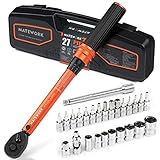
Before we get to our review of the best bicycle torque wrenches, let’s browse through some relevant products on Amazon:



As an Amazon Associate I earn from qualifying purchases.
Prices and availability are accurate as of November 28, 2026 15:20 and are subject to change.
Introduction to Bicycle Torque Wrenches
A bicycle torque wrench is a specialized tool designed to apply a precise amount of torque to bolts and other fasteners on a bicycle. This is important because many bicycle components, such as stems, handlebars, and seatposts, require a specific amount of torque to be applied in order to ensure proper function and safety. Without a torque wrench, it can be difficult to achieve the correct torque, which can lead to damage to the component or even injury to the rider.
Bicycle torque wrenches are typically designed to be compact and lightweight, making them easy to carry in a toolbox or saddle bag. They often feature a range of torque settings, allowing the user to select the correct amount of torque for the specific component being worked on. Some torque wrenches also feature a ratcheting mechanism, which allows the user to easily tighten or loosen bolts without having to remove the wrench from the bolt.
The use of a bicycle torque wrench is an important part of maintaining and repairing a bicycle. By applying the correct amount of torque to bolts and other fasteners, riders can help ensure that their bike is safe and functioning properly. This is especially important for riders who plan to ride in challenging conditions, such as mountain biking or road racing, where the stress on the bike’s components can be extreme.
When searching for the best bicycle torque wrenches, riders should look for a wrench that is durable, accurate, and easy to use. A good torque wrench should be able to withstand the rigors of frequent use and provide consistent, reliable results. By investing in a high-quality bicycle torque wrench, riders can help ensure that their bike is always properly maintained and ready for the next ride.
5 Best Bicycle Torque Wrenches
The
Pro Bike Tool Torque Wrench PBT-106
is a high-quality tool designed for bicycle maintenance and repair. It features a durable construction and a precise torque mechanism, allowing users to apply the exact amount of force required for their bike’s components. The ergonomic handle provides a comfortable grip, reducing fatigue and making it easier to use for extended periods.
The
Pro Bike Tool Torque Wrench PBT-106
has received rave reviews from cyclists and mechanics alike, with many praising its accuracy and ease of use. It comes with a range of preset torque values, making it suitable for a variety of applications, from tightening loose bolts to applying precise amounts of force to sensitive components. Whether you’re a professional mechanic or a casual cyclist, the
Pro Bike Tool Torque Wrench PBT-106
is an essential tool to have in your arsenal.
The
Park Tool TW-5.2-106
is a professional-grade torque wrench designed specifically for bicycle applications. It features a high-torque capacity and a precise mechanism, allowing users to apply forces ranging from 2-24 Nm. The tool is constructed from high-quality materials, ensuring durability and longevity even in heavy use. The ergonomic design provides a comfortable grip, making it easy to use for extended periods.
The
Park Tool TW-5.2-106
has become a staple in many professional bike shops and is widely regarded as one of the best torque wrenches available. Its high level of precision and durability make it an essential tool for any serious cyclist or mechanic. The tool is also backed by a comprehensive warranty, providing users with peace of mind and protection against defects. With its exceptional performance and build quality, the
Park Tool TW-5.2-106
is a worthwhile investment for anyone looking to upgrade their toolkit.
The
Lezyne Torque Wrench LT-CW-20-106
is a compact and portable tool designed for on-the-go bicycle maintenance. It features a lightweight construction and a precise torque mechanism, allowing users to apply forces ranging from 2-20 Nm. The tool comes with a range of preset torque values and is suitable for a variety of applications, from tightening loose bolts to applying precise amounts of force to sensitive components.
The
Lezyne Torque Wrench LT-CW-20-106
has received praise from cyclists and mechanics alike, with many praising its portability and ease of use. The tool is constructed from high-quality materials, ensuring durability and longevity even in heavy use. The ergonomic design provides a comfortable grip, making it easy to use for extended periods. With its compact size and precise mechanism, the
Lezyne Torque Wrench LT-CW-20-106
is an essential tool to have in your arsenal, whether you’re a professional mechanic or a casual cyclist.
The
Silca Torque Wrench Y17-106
is a high-end tool designed for professional bicycle mechanics and serious cyclists. It features a precise torque mechanism and a durable construction, allowing users to apply forces ranging from 2-30 Nm. The tool comes with a range of preset torque values and is suitable for a variety of applications, from tightening loose bolts to applying precise amounts of force to sensitive components.
The
Silca Torque Wrench Y17-106
has received rave reviews from professional mechanics and serious cyclists, with many praising its exceptional precision and durability. The tool is constructed from high-quality materials, ensuring longevity and reliability even in heavy use. The ergonomic design provides a comfortable grip, making it easy to use for extended periods. With its exceptional performance and build quality, the
Silca Torque Wrench Y17-106
is a worthwhile investment for anyone looking to upgrade their toolkit and take their bike maintenance to the next level.
The
Effetto Mariposa Giustaforza II 2-16-106
is a high-quality torque wrench designed specifically for bicycle applications. It features a precise torque mechanism and a durable construction, allowing users to apply forces ranging from 2-16 Nm. The tool comes with a range of preset torque values and is suitable for a variety of applications, from tightening loose bolts to applying precise amounts of force to sensitive components.
The
Effetto Mariposa Giustaforza II 2-16-106
has received praise from cyclists and mechanics alike, with many praising its exceptional precision and ease of use. The tool is constructed from high-quality materials, ensuring durability and longevity even in heavy use. The ergonomic design provides a comfortable grip, making it easy to use for extended periods. With its compact size and precise mechanism, the
Effetto Mariposa Giustaforza II 2-16-106
is an essential tool to have in your arsenal, whether you’re a professional mechanic or a casual cyclist looking to upgrade your toolkit.
Why People Need to Buy Bicycle Torque Wrenches
Bicycle maintenance is crucial for ensuring the longevity and optimal performance of a bike. One often overlooked tool in this process is the bicycle torque wrench. This device plays a critical role in applying the correct amount of torque to various bolts and components on the bike. Without it, riders risk damaging their bicycles or compromising their safety while riding.
The primary reason people need to buy bicycle torque wrenches is to avoid over-tightening or under-tightening critical components. Over-tightening can lead to stripped threads or broken parts, while under-tightening can cause bolts to come loose, potentially leading to accidents. A torque wrench helps to apply the precise amount of torque specified by the manufacturer, thereby preventing these issues.
In addition to preventing damage, a bicycle torque wrench is also essential for ensuring the bike’s components are properly secured. This is particularly important for safety-critical parts such as the stem, handlebars, and brakes. By using a torque wrench, riders can have confidence that their bike is assembled correctly and safely. Furthermore, many modern bicycles feature complex components that require precise torque settings, making a torque wrench an indispensable tool.
For those in the market for a torque wrench, it is essential to research and invest in one of the best bicycle torque wrenches available. These tools are designed specifically for the unique demands of bicycle maintenance and offer the precision and reliability needed to ensure a bike is properly assembled and maintained. By incorporating a torque wrench into their toolkit, cyclists can enjoy greater peace of mind and a safer, more enjoyable riding experience.
Understanding Torque Specifications
Torque specifications are crucial when it comes to bicycle maintenance. The torque specification of a component is the amount of rotational force required to tighten or loosen it. Applying the correct amount of torque is essential to prevent damage to the component or surrounding parts. If a component is over-torqued, it can lead to stripping of threads or even breakage. On the other hand, under-torquing can result in a loose component, which can be dangerous and lead to accidents.
The torque specification for each component is usually provided by the manufacturer and can be found in the user manual or on the manufacturer’s website. It is essential to follow these specifications to ensure the component is tightened or loosened correctly. A torque wrench is the best tool to use when working with torque specifications, as it allows for precise control over the amount of torque applied.
In addition to following the manufacturer’s specifications, it is also important to consider the type of material the component is made of. Different materials have different strengths and weaknesses, and applying too much torque can damage the component. For example, carbon fiber components require less torque than aluminum or steel components.
By understanding torque specifications and how to apply them, cyclists can ensure their bikes are properly maintained and safe to ride. This knowledge can also help prevent damage to components, which can save money and reduce the need for repairs.
Types of Torque Wrenches
There are several types of torque wrenches available, each with its own unique features and benefits. The most common type of torque wrench is the click-type torque wrench, which produces a clicking sound when the set torque is reached. This type of wrench is precise and easy to use, making it a popular choice among cyclists.
Another type of torque wrench is the beam-type torque wrench, which uses a beam to indicate the amount of torque applied. This type of wrench is less common than the click-type but is still effective and easy to use. There are also digital torque wrenches, which use a digital display to show the amount of torque applied. These wrenches are highly precise and often feature additional functions, such as data storage and unit conversion.
The type of torque wrench used can depend on personal preference and the specific needs of the cyclist. Some cyclists may prefer the simplicity of a click-type torque wrench, while others may prefer the advanced features of a digital torque wrench. Regardless of the type of wrench used, it is essential to choose a high-quality tool that is accurate and reliable.
In addition to the type of torque wrench, it is also important to consider the drive type. The most common drive types are 3mm, 4mm, 5mm, and 6mm, although other sizes are also available. The drive type used will depend on the specific components being worked on, so it is essential to choose a wrench with the correct drive type.
Torque Wrench Maintenance and Calibration
To ensure a torque wrench remains accurate and reliable, it is essential to perform regular maintenance and calibration. The first step in maintaining a torque wrench is to store it properly when not in use. The wrench should be kept in a dry, clean environment, away from direct sunlight and extreme temperatures.
The torque wrench should also be calibrated regularly to ensure it remains accurate. Calibration involves adjusting the wrench to ensure it produces the correct amount of torque. This can be done using a calibration device or by sending the wrench to a professional calibration service. It is recommended to calibrate a torque wrench at least once a year, although more frequent calibration may be necessary for wrenches that are used extensively.
In addition to calibration, the torque wrench should also be inspected regularly for signs of wear and damage. The wrench should be checked for any damage to the drive or handle, and any worn or damaged parts should be replaced immediately. By performing regular maintenance and calibration, cyclists can ensure their torque wrench remains accurate and reliable, providing years of trouble-free service.
Regular maintenance and calibration can also help prevent accidents and injuries. A torque wrench that is not calibrated correctly can apply too much or too little torque, which can lead to component failure or other safety issues. By ensuring the wrench is properly maintained and calibrated, cyclists can ride with confidence, knowing their bike is safe and well-maintained.
Common Torque Wrench Mistakes to Avoid
When using a torque wrench, there are several common mistakes to avoid. One of the most common mistakes is over-torquing, which can damage components and surrounding parts. Over-torquing can be caused by using a wrench that is not calibrated correctly or by applying too much force when tightening or loosening a component.
Another common mistake is under-torquing, which can result in a loose component. Under-torquing can be caused by using a wrench that is not calibrated correctly or by not applying enough force when tightening a component. To avoid under-torquing, it is essential to use a torque wrench and follow the manufacturer’s specifications for the component being worked on.
Using a torque wrench that is not suitable for the specific component being worked on is another common mistake. This can result in damage to the component or surrounding parts, and can also lead to safety issues. To avoid this mistake, it is essential to choose a wrench that is specifically designed for the component being worked on, and to follow the manufacturer’s instructions for use.
By avoiding these common mistakes, cyclists can ensure their bikes are properly maintained and safe to ride. This can help prevent accidents and injuries, and can also reduce the need for repairs and maintenance. By using a torque wrench correctly and following the manufacturer’s specifications, cyclists can enjoy a safe and enjoyable riding experience.
Buying Guide for Best Bicycle Torque Wrenches
When it comes to maintaining and repairing bicycles, having the right tools is essential. A torque wrench is one of the most critical tools for any cyclist, as it allows for precise control over the amount of torque applied to various components. With so many options available, selecting the right torque wrench can be overwhelming. In this guide, we will discuss the key factors to consider when buying a torque wrench for your bicycle.
Accuracy and Precision
Accuracy and precision are crucial when it comes to torque wrenches. A torque wrench that is not accurate can lead to over-tightening or under-tightening of components, which can result in damage or even safety hazards. When looking for a torque wrench, consider one that has a high level of accuracy, typically +/- 4% or better. This ensures that the torque applied is consistent and reliable. Additionally, look for a torque wrench that has a clear and easy-to-read scale, making it simple to set the desired torque value.
The accuracy and precision of a torque wrench are often determined by its calibration and construction. A well-calibrated torque wrench will provide consistent and reliable results, while a poorly calibrated one can lead to inaccurate readings. Look for a torque wrench that has been calibrated to a high standard, such as ISO 6789, and has a robust construction that can withstand regular use. A torque wrench with a sturdy build and high-quality materials will provide years of reliable service, making it a valuable investment for any cyclist.
Torque Range
The torque range of a torque wrench is another critical factor to consider. Different components on a bicycle require different amounts of torque, so it’s essential to have a torque wrench that can handle the required range. For example, stem bolts typically require a higher torque value than seatpost bolts. Consider a torque wrench that has a wide range of torque values, typically from 2-60 Nm, to cover most applications. This will ensure that you have the right tool for the job, whether you’re working on your road bike or mountain bike.
The torque range of a torque wrench is often determined by its design and construction. A torque wrench with a long handle and a high-quality ratchet mechanism will be able to handle higher torque values, while a smaller torque wrench may be limited to lower torque values. Additionally, consider a torque wrench that has a adjustable torque limit, allowing you to set the maximum torque value and prevent over-tightening. This feature is especially useful for delicate components, such as carbon fiber seatposts or handlebars.
Ergonomics and Comfort
Ergonomics and comfort are essential factors to consider when buying a torque wrench. A torque wrench that is uncomfortable to hold or use can lead to fatigue and decreased accuracy. Look for a torque wrench that has a comfortable grip and a balanced design, making it easy to maneuver and apply the desired torque. Additionally, consider a torque wrench with a long handle, which can provide more leverage and make it easier to apply high torque values.
The ergonomics and comfort of a torque wrench are often determined by its handle design and materials. A torque wrench with a rubberized handle or a ergonomic grip will be more comfortable to hold and use, while a torque wrench with a small or slippery handle may be more difficult to manage. Furthermore, consider a torque wrench that has a adjustable handle length, allowing you to customize the fit to your hand size and preference. This feature can be especially useful for cyclists with smaller or larger hands, ensuring a comfortable and secure grip.
Materials and Construction
The materials and construction of a torque wrench are critical factors to consider. A torque wrench that is made from high-quality materials and has a robust construction will provide years of reliable service, while a poorly made torque wrench can break or malfunction. Look for a torque wrench that is made from high-strength materials, such as steel or aluminum, and has a durable finish, such as chrome or nickel plating. Additionally, consider a torque wrench that has a high-quality ratchet mechanism and a secure socket retention system.
The materials and construction of a torque wrench can affect its accuracy and reliability. A torque wrench that is made from low-quality materials may be more prone to wear and tear, leading to decreased accuracy and reliability. On the other hand, a torque wrench that is made from high-quality materials will provide consistent and reliable results, even after repeated use. When looking for the best bicycle torque wrenches, consider one that has a high-quality construction and materials, ensuring a long and reliable service life.
Brand and Reputation
The brand and reputation of a torque wrench are important factors to consider. A reputable brand that specializes in bicycle tools will likely produce a high-quality torque wrench that meets the needs of cyclists. Look for a brand that has a strong reputation for producing accurate and reliable tools, and consider reading reviews and testimonials from other cyclists. Additionally, consider a brand that offers a warranty or guarantee, providing peace of mind and protection against defects or malfunctions.
The brand and reputation of a torque wrench can affect its quality and reliability. A reputable brand will likely use high-quality materials and construction methods, ensuring a durable and accurate torque wrench. On the other hand, a lesser-known brand may produce a lower-quality torque wrench that is more prone to wear and tear. When selecting a torque wrench, consider a brand that has a strong reputation in the cycling community, ensuring a high-quality tool that meets your needs and expectations.
Price and Value
The price and value of a torque wrench are final factors to consider. A high-quality torque wrench can be a significant investment, but it’s essential to consider the long-term benefits and value. Look for a torque wrench that offers a good balance of quality, features, and price, and consider the cost per use. A torque wrench that is used regularly will provide a higher value than one that is used occasionally. Additionally, consider a torque wrench that comes with a carrying case or storage pouch, making it easy to transport and store.
The price and value of a torque wrench can vary widely, depending on the brand, quality, and features. A high-end torque wrench may offer advanced features, such as a digital display or adjustable torque limit, but may come at a higher cost. On the other hand, a budget-friendly torque wrench may lack some features, but still provide reliable and accurate results. When selecting a torque wrench, consider your budget and needs, and look for a tool that offers the best balance of quality, features, and price, ensuring a valuable investment for your bicycle maintenance and repair needs.
FAQs
What is a bicycle torque wrench and why do I need one?
A bicycle torque wrench is a specialized tool designed to apply a precise amount of torque to bolts and other fasteners on your bike. This is important because many components on a bicycle, such as the stem, handlebars, and seatpost, require a specific amount of torque to be applied in order to ensure they are properly secured. If too little torque is applied, the component may come loose while riding, which can be dangerous. On the other hand, if too much torque is applied, the component may be damaged or stripped.
Using a bicycle torque wrench helps to prevent these problems by allowing you to apply the exact amount of torque specified by the manufacturer. This ensures that your bike is properly assembled and maintained, which can help to prevent accidents and extend the life of your components. Additionally, a torque wrench can help you to avoid damaging expensive components, which can save you money in the long run. By investing in a good quality bicycle torque wrench, you can have peace of mind knowing that your bike is safe and well-maintained.
How do I choose the right bicycle torque wrench for my needs?
Choosing the right bicycle torque wrench can seem overwhelming, especially if you are new to cycling or are not familiar with the different types of torque wrenches available. The first thing to consider is the type of bike you have and the types of components you need to work with. For example, if you have a road bike with a lot of carbon fiber components, you may need a torque wrench with a lower torque range to avoid damaging the components. On the other hand, if you have a mountain bike with a lot of heavy-duty components, you may need a torque wrench with a higher torque range.
It’s also important to consider the quality and accuracy of the torque wrench, as well as the ease of use and durability. Look for a torque wrench that is made from high-quality materials and has a reputation for accuracy and reliability. You should also consider the price and whether it fits within your budget. Additionally, think about the additional features you may need, such as a removable head or a storage case. By considering these factors, you can choose a bicycle torque wrench that meets your needs and helps you to keep your bike in top condition.
What are the different types of bicycle torque wrenches available?
There are several different types of bicycle torque wrenches available, each with its own unique features and benefits. One of the most common types is the click-type torque wrench, which makes a clicking sound when the desired torque is reached. This type of wrench is simple to use and provides a clear indication of when the correct torque has been applied. Another type is the beam-type torque wrench, which uses a beam to indicate the torque applied. This type of wrench is often more accurate than click-type wrenches but can be more difficult to use.
Other types of bicycle torque wrenches include digital torque wrenches, which use a digital display to show the torque applied, and preset torque wrenches, which are set to a specific torque value and cannot be adjusted. There are also torque wrenches with interchangeable heads, which allow you to use the same wrench with different types of bolts and fasteners. Each type of torque wrench has its own advantages and disadvantages, and the right one for you will depend on your specific needs and preferences. By understanding the different types of torque wrenches available, you can choose the one that best fits your needs and helps you to keep your bike in top condition.
How do I use a bicycle torque wrench safely and effectively?
Using a bicycle torque wrench safely and effectively requires a bit of practice and patience. The first step is to make sure you have the right torque wrench for the job and that it is calibrated correctly. You should also make sure you are using the correct socket or bit for the bolt or fastener you are working with. Once you have the wrench set to the correct torque value, you can begin to tighten the bolt or fastener. It’s essential to apply steady and consistent pressure to avoid applying too much torque or stripping the threads.
As you tighten the bolt or fastener, pay attention to the sound or feel of the wrench as it reaches the desired torque. For click-type wrenches, this will be a distinct clicking sound, while for beam-type wrenches, it will be a visual indication on the beam. Once you have reached the desired torque, stop tightening immediately to avoid applying too much torque. It’s also essential to use the torque wrench in a comfortable and stable position, with the wrench at a 90-degree angle to the bolt or fastener. By following these steps and using your torque wrench safely and effectively, you can ensure that your bike is properly maintained and that you avoid damaging any components.
Can I use a regular torque wrench on my bicycle, or do I need a specialized bicycle torque wrench?
While it may be tempting to use a regular torque wrench on your bicycle, it’s generally not recommended. Regular torque wrenches are often designed for use with heavier-duty applications, such as automotive or industrial work, and may not be suitable for the delicate components found on a bicycle. Bicycle components often require a much lower torque range than other applications, and using a regular torque wrench can result in applying too much torque and damaging the components.
A specialized bicycle torque wrench, on the other hand, is designed specifically for use with bicycles and is typically calibrated to a lower torque range. This ensures that you can apply the exact amount of torque specified by the manufacturer, without risking damage to the components. Additionally, bicycle torque wrenches are often designed with the specific needs of cyclists in mind, such as being compact and lightweight, and having a comfortable grip and easy-to-use interface. By using a specialized bicycle torque wrench, you can ensure that your bike is properly maintained and that you avoid damaging any components.
How do I calibrate and maintain my bicycle torque wrench to ensure accuracy and longevity?
Calibrating and maintaining your bicycle torque wrench is essential to ensure accuracy and longevity. The first step is to follow the manufacturer’s instructions for calibration, which may involve setting the wrench to a known torque value or using a calibration tool. You should also regularly check the wrench for accuracy by comparing it to a known torque standard. Additionally, you should clean and lubricate the wrench regularly to keep it in good working condition.
It’s also essential to store the wrench properly when not in use, such as in a protective case or on a hook, to avoid damage or loss. You should also avoid using the wrench near extreme temperatures or in humid environments, as this can affect the accuracy and longevity of the wrench. By following these steps and regularly calibrating and maintaining your bicycle torque wrench, you can ensure that it remains accurate and reliable, and that you can continue to use it to properly maintain your bike. Regular maintenance can also help to extend the life of the wrench and prevent the need for costly repairs or replacement.
What are some common mistakes to avoid when using a bicycle torque wrench?
One of the most common mistakes to avoid when using a bicycle torque wrench is applying too much torque, which can damage the components or strip the threads. This can happen if you are using a wrench that is not calibrated correctly or if you are not paying attention to the sound or feel of the wrench as it reaches the desired torque. Another common mistake is using the wrong socket or bit for the bolt or fastener, which can result in applying too much torque or damaging the component.
To avoid these mistakes, it’s essential to always follow the manufacturer’s instructions for the torque wrench and the component you are working with. You should also make sure you are using the correct socket or bit and that the wrench is calibrated correctly. Additionally, you should apply steady and consistent pressure to avoid applying too much torque, and stop tightening immediately when you reach the desired torque. By avoiding these common mistakes, you can ensure that you are using your bicycle torque wrench safely and effectively, and that you are properly maintaining your bike. This will help to prevent accidents, extend the life of your components, and save you money in the long run.
Final Verdict
In conclusion, finding the right tool for the job is essential for any cyclist, whether you’re a professional or an enthusiast. A good torque wrench is a vital component in maintaining and repairing your bicycle, ensuring that all parts are properly secured and functioning as intended. With the numerous options available in the market, it can be overwhelming to choose the perfect one. However, by considering factors such as accuracy, ease of use, and durability, you can make an informed decision that meets your specific needs.
By investing in one of the best bicycle torque wrenches, you can have peace of mind knowing that your bicycle is well-maintained and safe to ride. This investment will pay off in the long run, as it will help prevent damage to your bicycle’s components and reduce the need for costly repairs. With the right torque wrench by your side, you’ll be able to tackle any maintenance or repair task with confidence, ensuring that your bicycle continues to perform at its best. Whether you’re a seasoned cyclist or just starting out, having the right tools is essential, and a high-quality torque wrench is an indispensable addition to any cyclist’s toolkit.