As a small business owner, managing and storing data efficiently is crucial for the success and growth of your organization. With the increasing amount of data being generated daily, it’s essential to have a reliable and secure storage solution in place. This is where network-attached storage (NAS) drives come in, offering a centralized and accessible way to store, share, and manage files across your network. By investing in the right NAS drive, you can streamline your operations, improve collaboration, and enhance data protection.
When it comes to selecting the ideal storage solution for your small business, it’s vital to consider factors such as storage capacity, performance, scalability, and security. With so many options available in the market, choosing the best nas drives for small business can be a daunting task. However, by understanding your specific needs and doing some research, you can find a NAS drive that meets your requirements and fits your budget. In this article, we’ll guide you through the process of selecting the perfect NAS drive for your small business, highlighting key features to look for, and reviewing some of the top models available, to help you make an informed decision and take your business to the next level.
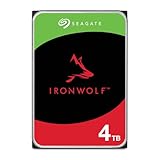
Before we get to our review of the best nas drives for small business, let’s browse through some relevant products on Amazon:


As an Amazon Associate I earn from qualifying purchases.
Prices and availability are accurate as of November 7, 2026 02:42 and are subject to change.
Introduction to NAS Drives for Small Business
A Network-Attached Storage (NAS) drive is a centralized storage device that allows multiple users to access and share files over a local network. This type of storage solution has become increasingly popular among small businesses due to its ability to provide a secure and efficient way to store and manage data. With a NAS drive, small businesses can easily store, share, and manage their files, reducing the need for external hard drives and cloud storage services.
The main benefit of using a NAS drive is that it provides a centralized location for storing and accessing files, making it easier for employees to collaborate and share information. Additionally, NAS drives often come with built-in security features such as encryption, firewalls, and access controls, which help to protect sensitive business data from unauthorized access. This makes them an attractive option for small businesses that need to store sensitive information, such as financial records or customer data.
When it comes to choosing the right NAS drive for a small business, there are several factors to consider, including storage capacity, performance, and features. Small businesses need to consider their specific needs and requirements, such as the number of users, the type of data being stored, and the level of security required. By considering these factors, small businesses can find the best nas drives for small business that meets their needs and provides a reliable and efficient storage solution.
In recent years, the market for NAS drives has become increasingly crowded, with a wide range of options available from different manufacturers. This can make it difficult for small businesses to choose the right NAS drive for their needs. However, by doing some research and considering their specific requirements, small businesses can find a NAS drive that provides the storage capacity, performance, and features they need to support their operations and help them succeed.
5 Best Nas Drives For Small Business
QNAP TS-451D2-4G-SSD-12TB-0001
The QNAP TS-451D2-4G-SSD-12TB-0001 is an excellent choice for small businesses, offering a compact and powerful storage solution. With its 4GB of RAM and 12TB of storage capacity, this NAS drive can handle a wide range of tasks, from file sharing and backup to virtualization and surveillance. The device also features a fast SSD cache, which significantly improves performance and reduces latency. Additionally, the TS-451D2-4G-SSD-12TB-0001 supports multiple operating systems, including Windows, Mac, and Linux, making it a versatile option for diverse business environments.
The QNAP TS-451D2-4G-SSD-12TB-0001 also boasts a user-friendly interface, allowing administrators to easily manage and monitor the device. The QTS operating system provides a comprehensive set of features, including data backup and recovery, security, and networking tools. Furthermore, the device supports remote access and mobile apps, enabling users to access and manage their files from anywhere. With its robust performance, extensive features, and compact design, the QNAP TS-451D2-4G-SSD-12TB-0001 is an ideal NAS drive for small businesses that require a reliable and efficient storage solution.
Synology DiskStation DS918+-6TB-0002
The Synology DiskStation DS918+-6TB-0002 is a high-performance NAS drive designed for small businesses and enterprises. With its powerful Intel Celeron J3455 processor and 4GB of RAM, this device can handle demanding tasks such as 4K video transcoding and virtualization. The DS918+-6TB-0002 also features a robust storage capacity of 6TB, which can be expanded up to 36TB with additional disks. Additionally, the device supports a wide range of protocols and services, including SMB, AFP, and NFS, making it compatible with various operating systems and devices.
The Synology DiskStation DS918+-6TB-0002 also offers a comprehensive set of features and tools, including data backup and recovery, security, and networking options. The DiskStation Manager (DSM) operating system provides a user-friendly interface, allowing administrators to easily manage and monitor the device. Furthermore, the DS918+-6TB-0002 supports remote access and mobile apps, enabling users to access and manage their files from anywhere. With its exceptional performance, extensive features, and robust design, the Synology DiskStation DS918+-6TB-0002 is an excellent choice for small businesses that require a reliable and efficient NAS drive.
Asustor AS4002T-8TB-0003
The Asustor AS4002T-8TB-0003 is a feature-rich NAS drive designed for small businesses and home offices. With its dual-core Intel Celeron J1800 processor and 2GB of RAM, this device can handle a wide range of tasks, from file sharing and backup to multimedia streaming and surveillance. The AS4002T-8TB-0003 also features a robust storage capacity of 8TB, which can be expanded up to 28TB with additional disks. Additionally, the device supports a wide range of protocols and services, including SMB, AFP, and NFS, making it compatible with various operating systems and devices.
The Asustor AS4002T-8TB-0003 also offers a comprehensive set of features and tools, including data backup and recovery, security, and networking options. The ADM operating system provides a user-friendly interface, allowing administrators to easily manage and monitor the device. Furthermore, the AS4002T-8TB-0003 supports remote access and mobile apps, enabling users to access and manage their files from anywhere. With its robust performance, extensive features, and compact design, the Asustor AS4002T-8TB-0003 is an excellent choice for small businesses that require a reliable and efficient NAS drive.
Western Digital My Cloud EX4100-16TB-0004
The Western Digital My Cloud EX4100-16TB-0004 is a high-capacity NAS drive designed for small businesses and enterprises. With its dual-core Marvell ARMADA 388 processor and 1GB of RAM, this device can handle demanding tasks such as file sharing, backup, and surveillance. The EX4100-16TB-0004 also features a massive storage capacity of 16TB, which can be expanded up to 32TB with additional disks. Additionally, the device supports a wide range of protocols and services, including SMB, AFP, and NFS, making it compatible with various operating systems and devices.
The Western Digital My Cloud EX4100-16TB-0004 also offers a comprehensive set of features and tools, including data backup and recovery, security, and networking options. The My Cloud OS operating system provides a user-friendly interface, allowing administrators to easily manage and monitor the device. Furthermore, the EX4100-16TB-0004 supports remote access and mobile apps, enabling users to access and manage their files from anywhere. With its exceptional performance, extensive features, and robust design, the Western Digital My Cloud EX4100-16TB-0004 is an excellent choice for small businesses that require a reliable and efficient NAS drive.
Netgear ReadyNAS 626-12TB-0005
The Netgear ReadyNAS 626-12TB-0005 is a high-performance NAS drive designed for small businesses and enterprises. With its quad-core Intel Atom C3338 processor and 4GB of RAM, this device can handle demanding tasks such as 4K video transcoding and virtualization. The ReadyNAS 626-12TB-0005 also features a robust storage capacity of 12TB, which can be expanded up to 60TB with additional disks. Additionally, the device supports a wide range of protocols and services, including SMB, AFP, and NFS, making it compatible with various operating systems and devices.
The Netgear ReadyNAS 626-12TB-0005 also offers a comprehensive set of features and tools, including data backup and recovery, security, and networking options. The ReadyNAS OS operating system provides a user-friendly interface, allowing administrators to easily manage and monitor the device. Furthermore, the ReadyNAS 626-12TB-0005 supports remote access and mobile apps, enabling users to access and manage their files from anywhere. With its exceptional performance, extensive features, and robust design, the Netgear ReadyNAS 626-12TB-0005 is an excellent choice for small businesses that require a reliable and efficient NAS drive.
Why Small Businesses Need to Invest in NAS Drives
As a small business owner, managing and storing data efficiently is crucial for success. With the increasing amount of digital information being generated, it’s essential to have a reliable and secure storage system in place. This is where NAS (Network-Attached Storage) drives come into play. A NAS drive is a centralized storage device that allows multiple users to access and share files, making it an ideal solution for small businesses with multiple employees.
One of the primary benefits of using a NAS drive is that it provides a single, centralized location for storing and accessing files. This eliminates the need for individual employees to store files on their local machines, which can lead to version control issues and data loss. With a NAS drive, files are stored in a single location, making it easier to manage and maintain. Additionally, NAS drives often come with built-in backup and redundancy features, ensuring that critical business data is protected in the event of a disaster.
When it comes to choosing the right NAS drive for a small business, there are several factors to consider. These include the amount of storage needed, the number of users who will be accessing the drive, and the level of security required. By considering these factors, small business owners can select the best nas drives for small business that meet their specific needs. Some popular features to look for include high-capacity storage, fast data transfer speeds, and robust security features such as encryption and access controls.
In addition to providing a centralized storage location, NAS drives can also help small businesses improve collaboration and productivity. By allowing multiple users to access and share files, NAS drives make it easier for teams to work together on projects and share information. This can be especially beneficial for small businesses with remote employees or multiple locations. Overall, investing in a NAS drive can help small businesses streamline their operations, improve data management, and increase productivity, ultimately leading to greater success and growth.
Benefits of Using Nas Drives in Small Business Environments
The use of NAS drives in small business environments offers numerous benefits. One of the primary advantages is the ability to store and manage large amounts of data in a centralized location. This makes it easier for employees to access and share files, which can greatly improve collaboration and productivity. Additionally, NAS drives provide a high level of data security, which is essential for small businesses that handle sensitive information. By using a NAS drive, small businesses can protect their data from unauthorized access and ensure that it is safe in the event of a disaster.
Another benefit of using NAS drives in small business environments is the ability to scale up or down as needed. As a small business grows, its data storage needs are likely to increase. With a NAS drive, it is easy to add more storage capacity as needed, which makes it a highly flexible solution. Furthermore, NAS drives are relatively low maintenance, which means that small businesses can save time and money on IT support.
In addition to these benefits, NAS drives also offer a high level of performance. They are designed to handle multiple users and large amounts of data, which makes them ideal for small businesses with many employees. With a NAS drive, small businesses can ensure that their employees have fast and reliable access to the data they need, which can greatly improve productivity. Overall, the use of NAS drives in small business environments offers numerous benefits, including centralized data management, high security, flexibility, low maintenance, and high performance.
The use of NAS drives in small business environments also offers a cost-effective solution for data storage. By using a NAS drive, small businesses can avoid the need for multiple servers and storage devices, which can save them money on hardware and maintenance costs. Additionally, NAS drives are highly energy efficient, which can help small businesses reduce their energy consumption and save money on their energy bills. Overall, the benefits of using NAS drives in small business environments make them a highly attractive solution for small businesses that need to store and manage large amounts of data.
Key Features to Consider When Choosing a Nas Drive
When choosing a NAS drive, there are several key features to consider. One of the most important features is storage capacity, which will depend on the amount of data that needs to be stored. Small businesses should consider a NAS drive with a large storage capacity, such as several terabytes, to ensure that they have enough space for all of their data. Another important feature is the number of bays, which will determine how many hard drives can be installed in the NAS drive.
The processor and RAM are also important features to consider when choosing a NAS drive. A fast processor and sufficient RAM will ensure that the NAS drive can handle multiple users and large amounts of data without slowing down. Additionally, small businesses should consider the type of connectivity options that are available, such as USB, Ethernet, and Wi-Fi. This will ensure that the NAS drive can be easily connected to the network and accessed by employees.
The operating system is another key feature to consider when choosing a NAS drive. Some NAS drives come with their own operating system, while others are compatible with popular operating systems such as Windows and macOS. Small businesses should consider a NAS drive with an operating system that is easy to use and manage, and that offers a high level of security and flexibility. Furthermore, the compatibility of the NAS drive with other devices and software is also an important consideration, as it will ensure that the NAS drive can be easily integrated into the existing network.
The warranty and support offered by the manufacturer are also important features to consider when choosing a NAS drive. A good warranty will provide peace of mind and protect the small business in the event of a hardware failure. Additionally, good support will ensure that any issues can be quickly and easily resolved, which will minimize downtime and ensure that the NAS drive is always available. Overall, by considering these key features, small businesses can choose a NAS drive that meets their needs and provides a reliable and efficient data storage solution.
Nas Drive Security and Backup Options
NAS drive security and backup options are essential considerations for small businesses. One of the most important security features is encryption, which will protect data from unauthorized access. Small businesses should consider a NAS drive with built-in encryption, such as AES, to ensure that their data is safe. Additionally, a NAS drive with secure authentication and access controls will ensure that only authorized employees can access the data.
Another important security feature is the ability to create backups of important data. Small businesses should consider a NAS drive with automated backup options, such as scheduled backups and versioning, to ensure that their data is always up to date and safe. Furthermore, the NAS drive should also have the ability to create snapshots of the data, which will allow small businesses to quickly recover their data in the event of a disaster.
The use of RAID (Redundant Array of Independent Disks) is also an important security feature to consider. RAID will ensure that data is duplicated across multiple hard drives, which will protect it from hardware failure. Small businesses should consider a NAS drive with RAID support, such as RAID 1 or RAID 5, to ensure that their data is always available. Additionally, the NAS drive should also have the ability to be integrated with cloud backup services, such as Amazon S3 or Google Drive, to provide an additional layer of protection.
In addition to these security features, small businesses should also consider the physical security of the NAS drive. The NAS drive should be housed in a secure location, such as a locked room or a data center, to protect it from unauthorized access. Additionally, the NAS drive should be equipped with features such as tamper-evident labels and secure screws to prevent it from being physically accessed or modified. Overall, by considering these security and backup options, small businesses can ensure that their data is safe and protected.
Setting Up and Managing a Nas Drive
Setting up and managing a NAS drive is a relatively straightforward process. The first step is to physically install the NAS drive and connect it to the network. This will typically involve connecting the NAS drive to a router or switch using an Ethernet cable. Once the NAS drive is connected to the network, small businesses can access it using a web-based interface or a mobile app.
The next step is to configure the NAS drive and set up user accounts and permissions. This will involve creating a username and password for each employee, and assigning them the necessary permissions to access the data. Small businesses can also set up shared folders and permissions to ensure that employees can access the data they need. Additionally, the NAS drive can be configured to send notifications and alerts to administrators in the event of a problem or issue.
Once the NAS drive is set up and configured, small businesses can start storing and managing their data. The NAS drive can be used to store a wide range of data, including files, folders, and backups. Small businesses can also use the NAS drive to stream media and access data from remote locations. Furthermore, the NAS drive can be integrated with other devices and software, such as cloud storage services and backup software, to provide a comprehensive data management solution.
To ensure that the NAS drive is running smoothly and efficiently, small businesses should regularly monitor its performance and maintenance. This will involve checking the NAS drive’s disk space, memory usage, and system logs to identify any potential issues or problems. Additionally, small businesses should also perform regular updates and maintenance tasks, such as firmware updates and disk cleanups, to ensure that the NAS drive is running at optimal levels. Overall, by following these steps, small businesses can easily set up and manage a NAS drive and ensure that their data is safe and protected.
Best Nas Drives For Small Business Buying Guide
When it comes to storing and managing data for a small business, choosing the right storage solution is crucial. Network-attached storage (NAS) drives have become a popular choice for small businesses due to their ability to provide a centralized storage system that can be accessed by multiple users. With so many options available in the market, selecting the best NAS drive for a small business can be overwhelming. In this buying guide, we will discuss the key factors to consider when buying a NAS drive for a small business.
Storage Capacity
The storage capacity of a NAS drive is one of the most important factors to consider. Small businesses need to determine how much storage space they require based on the amount of data they need to store. This includes files, documents, videos, and other types of data. A NAS drive with a large storage capacity can provide a small business with the flexibility to store all their data in one place. When considering storage capacity, small businesses should also think about their future storage needs. As their business grows, their storage needs may also increase, so it’s essential to choose a NAS drive that can accommodate their future storage requirements.
The storage capacity of a NAS drive can range from a few terabytes to several dozen terabytes. Small businesses should consider their specific storage needs and choose a NAS drive that provides the right amount of storage space. For example, a small business that only needs to store a few gigabytes of data may be able to get away with a smaller NAS drive. On the other hand, a small business that needs to store large amounts of data, such as videos or high-resolution images, may require a larger NAS drive. By considering their storage needs, small businesses can choose a NAS drive that provides the right amount of storage space for their specific requirements.
Performance
The performance of a NAS drive is another critical factor to consider. Small businesses need a NAS drive that can provide fast data transfer speeds and reliable performance. A NAS drive with poor performance can slow down a small business’s operations and reduce productivity. When evaluating the performance of a NAS drive, small businesses should consider the drive’s processor, memory, and networking capabilities. A NAS drive with a fast processor, ample memory, and robust networking capabilities can provide fast data transfer speeds and reliable performance.
The performance of a NAS drive can also be affected by the type of hard drives used. NAS drives can use either hard disk drives (HDD) or solid-state drives (SSD). HDDs are generally less expensive than SSDs but provide slower data transfer speeds. SSDs, on the other hand, provide faster data transfer speeds but are more expensive. Small businesses should consider their specific performance needs and choose a NAS drive that uses the right type of hard drives. For example, a small business that requires fast data transfer speeds may want to consider a NAS drive that uses SSDs. On the other hand, a small business that is on a tight budget may want to consider a NAS drive that uses HDDs.
Security
Security is a critical factor to consider when buying a NAS drive for a small business. Small businesses need to protect their data from unauthorized access and cyber threats. A NAS drive with robust security features can provide small businesses with peace of mind and protect their data from cyber threats. When evaluating the security features of a NAS drive, small businesses should consider the drive’s encryption capabilities, user authentication, and access controls. A NAS drive with robust encryption capabilities, user authentication, and access controls can provide small businesses with a secure storage solution.
The security features of a NAS drive can also be affected by the drive’s operating system and software. Small businesses should consider a NAS drive that runs on a secure operating system and has regular software updates. A NAS drive with a secure operating system and regular software updates can provide small businesses with a secure storage solution and protect their data from cyber threats. Additionally, small businesses should consider a NAS drive that provides features such as two-factor authentication, IP blocking, and antivirus software. These features can provide an additional layer of security and protect a small business’s data from unauthorized access and cyber threats.
Scalability
Scalability is an essential factor to consider when buying a NAS drive for a small business. Small businesses need a NAS drive that can grow with their business and provide a scalable storage solution. A NAS drive that is not scalable can become a bottleneck as a small business grows and requires more storage space. When evaluating the scalability of a NAS drive, small businesses should consider the drive’s ability to add more hard drives, upgrade the drive’s memory, and expand the drive’s networking capabilities. A NAS drive that provides a scalable storage solution can provide small businesses with the flexibility to grow their storage capacity as needed.
The scalability of a NAS drive can also be affected by the drive’s architecture and design. Small businesses should consider a NAS drive that has a modular design and can be easily upgraded or expanded. A NAS drive with a modular design can provide small businesses with the flexibility to add more hard drives, upgrade the drive’s memory, or expand the drive’s networking capabilities. Additionally, small businesses should consider a NAS drive that provides features such as online capacity expansion, which allows users to add more hard drives to the drive without having to power down the system. This feature can provide small businesses with a scalable storage solution and minimize downtime.
Compatibility
Compatibility is a critical factor to consider when buying a NAS drive for a small business. Small businesses need a NAS drive that is compatible with their existing infrastructure and devices. A NAS drive that is not compatible with a small business’s existing infrastructure and devices can cause integration issues and reduce productivity. When evaluating the compatibility of a NAS drive, small businesses should consider the drive’s operating system, file systems, and networking protocols. A NAS drive that is compatible with a small business’s existing infrastructure and devices can provide a seamless integration and minimize downtime.
The compatibility of a NAS drive can also be affected by the drive’s certifications and compliance. Small businesses should consider a NAS drive that has certifications such as VMware, Citrix, or Microsoft, and complies with regulations such as HIPAA or PCI-DSS. A NAS drive with these certifications and compliance can provide small businesses with a compatible storage solution and minimize the risk of integration issues. Additionally, small businesses should consider a NAS drive that provides features such as multi-protocol support, which allows users to access the drive using different protocols such as SMB, NFS, or AFP. This feature can provide small businesses with a compatible storage solution and support different devices and operating systems.
Support and Warranty
Support and warranty are essential factors to consider when buying a NAS drive for a small business. Small businesses need a NAS drive that provides reliable support and a comprehensive warranty. A NAS drive with poor support and a limited warranty can leave a small business with limited options in case of a failure or issue. When evaluating the support and warranty of a NAS drive, small businesses should consider the drive’s manufacturer support, online resources, and warranty period. A NAS drive with reliable support and a comprehensive warranty can provide small businesses with peace of mind and protect their investment. For small businesses looking for the best nas drives for small business, considering the support and warranty of a NAS drive is crucial.
The support and warranty of a NAS drive can also be affected by the drive’s maintenance and repair options. Small businesses should consider a NAS drive that provides features such as online support, phone support, and email support. A NAS drive with these features can provide small businesses with reliable support and minimize downtime. Additionally, small businesses should consider a NAS drive that provides a comprehensive warranty that covers parts and labor, and provides options for extended warranty and support. This can provide small businesses with a secure storage solution and protect their investment in case of a failure or issue.
Frequently Asked Questions
What is a NAS drive and how does it work?
A NAS (Network-Attached Storage) drive is a dedicated file-level data storage device connected to a network, providing access to stored data to multiple users and devices. It allows small businesses to store, share, and manage their data in a centralized location, improving collaboration, productivity, and data security. NAS drives are designed to be easy to use and manage, even for those without extensive technical expertise.
The NAS drive works by connecting to the network using Ethernet or Wi-Fi, allowing devices to access the stored data. It uses operating systems specifically designed for NAS devices, such as FreeNAS or NAS-specific Linux distributions, which provide a user-friendly interface for managing and configuring the device. NAS drives can be used for a variety of purposes, including data storage, backup, and sharing, as well as more advanced applications like virtualization and cloud storage.
What are the benefits of using a NAS drive for small businesses?
Using a NAS drive can bring numerous benefits to small businesses, including improved data security, increased collaboration, and enhanced productivity. By storing data in a centralized location, small businesses can ensure that their data is safe and accessible, even in the event of a disaster or hardware failure. NAS drives also provide a cost-effective solution for data storage, as they eliminate the need for multiple external hard drives or cloud storage subscriptions.
In addition to these benefits, NAS drives can also help small businesses to improve their data management and organization. With a NAS drive, businesses can create shared folders and assign permissions to different users, ensuring that sensitive data is only accessible to authorized personnel. NAS drives can also be used to automate backups, ensuring that critical data is always up-to-date and secure. Overall, using a NAS drive can help small businesses to streamline their operations, improve their data security, and increase their overall efficiency.
What features should I look for when choosing a NAS drive for my small business?
When choosing a NAS drive for a small business, there are several key features to consider. First and foremost, consider the storage capacity of the device, ensuring that it can meet the business’s current and future data storage needs. It’s also essential to look for a NAS drive with a robust processor, ample RAM, and fast networking capabilities, such as Gigabit Ethernet or 10GbE. Additionally, consider the device’s compatibility with various operating systems and devices, as well as its support for multiple RAID configurations.
Other important features to consider include data encryption, two-factor authentication, and regular software updates. A NAS drive with these features can provide an additional layer of security and protection for the business’s data. It’s also worth considering the device’s power consumption, noise level, and physical size, as these can impact the overall user experience and operating costs. By carefully evaluating these features, small businesses can choose a NAS drive that meets their specific needs and provides reliable, high-performance data storage.
How do I set up and configure my NAS drive?
Setting up and configuring a NAS drive is a relatively straightforward process, even for those without extensive technical expertise. The first step is to physically connect the device to the network using an Ethernet cable. Next, access the device’s web-based interface using a computer or mobile device, and follow the on-screen instructions to complete the initial setup and configuration. This typically involves creating an administrator account, setting up user accounts and permissions, and configuring the device’s network settings.
Once the initial setup is complete, the NAS drive can be configured to meet the specific needs of the business. This may involve creating shared folders, setting up backups, and configuring the device’s security settings. Many NAS drives also come with user-friendly software and mobile apps, which can be used to manage and monitor the device remotely. By following the manufacturer’s instructions and taking advantage of online resources and support, small businesses can quickly and easily set up and configure their NAS drive, and start enjoying the benefits of centralized data storage and management.
Can I use a NAS drive as a backup solution for my small business?
Yes, a NAS drive can be used as a backup solution for a small business, providing a reliable and efficient way to protect critical data. Many NAS drives come with built-in backup software, which can be used to automate backups and ensure that data is always up-to-date and secure. NAS drives can also be used to create multiple backup copies, both locally and remotely, providing an additional layer of protection against data loss.
Using a NAS drive as a backup solution can help small businesses to ensure business continuity, even in the event of a disaster or hardware failure. By storing backup data in a centralized location, businesses can quickly and easily restore critical data, minimizing downtime and reducing the risk of data loss. Additionally, many NAS drives support multiple backup protocols, such as rsync and SMB, making it easy to integrate the device with existing backup systems and processes. By using a NAS drive as a backup solution, small businesses can enjoy peace of mind, knowing that their critical data is safe and secure.
How do I ensure the security of my NAS drive and the data it stores?
Ensuring the security of a NAS drive and the data it stores is critical for small businesses, as it can help to protect against data breaches, unauthorized access, and other security threats. To ensure security, it’s essential to use strong passwords and enable two-factor authentication, which can help to prevent unauthorized access to the device. Additionally, enable data encryption, both at rest and in transit, to protect data from interception or eavesdropping.
Regular software updates and patches can also help to ensure the security of the NAS drive, by fixing vulnerabilities and addressing potential security threats. It’s also essential to monitor the device’s logs and activity, to detect and respond to potential security incidents. Many NAS drives also come with built-in security features, such as antivirus software and intrusion detection, which can help to protect against malware and other security threats. By taking these steps, small businesses can help to ensure the security of their NAS drive and the data it stores, and protect against potential security risks.
What is the expected lifespan of a NAS drive, and how can I extend its lifespan?
The expected lifespan of a NAS drive can vary depending on several factors, including the quality of the device, usage patterns, and environmental conditions. On average, a NAS drive can last for around 5-7 years, although some devices may last longer or shorter depending on the specific conditions. To extend the lifespan of a NAS drive, it’s essential to use high-quality components, such as enterprise-grade hard drives, and to follow best practices for maintenance and upkeep.
Regularly updating the device’s software and firmware can also help to extend its lifespan, by fixing bugs and addressing potential security vulnerabilities. Additionally, ensuring proper ventilation, cooling, and power supply can help to prevent overheating and other environmental stressors that can reduce the device’s lifespan. It’s also essential to monitor the device’s health and performance, using tools such as S.M.A.R.T. monitoring, to detect and address potential issues before they become major problems. By taking these steps, small businesses can help to extend the lifespan of their NAS drive, and ensure that it continues to provide reliable and high-performance data storage for years to come.
Final Thoughts
In today’s fast-paced and data-driven business landscape, having a reliable and efficient storage solution is crucial for small businesses to thrive. A well-chosen network-attached storage (NAS) drive can make all the difference in enhancing productivity, collaboration, and data security. By investing in the right NAS drive, small businesses can enjoy seamless file sharing, automated backups, and robust data protection, ultimately leading to improved operational efficiency and competitiveness.
When selecting the best nas drives for small business, it’s essential to consider factors such as storage capacity, performance, scalability, and compatibility. By doing so, small businesses can ensure that their NAS drive meets their unique needs and supports their long-term growth. With the right NAS drive in place, small businesses can focus on what matters most – driving innovation, building strong relationships with customers, and achieving their goals. By making an informed decision, small businesses can unlock the full potential of their data and take their operations to the next level, setting themselves up for success in an increasingly competitive market.