Raising chickens can be a fun and rewarding experience, providing you with fresh eggs and a unique connection to nature. However, to keep your flock happy and healthy, it’s essential to provide them with a well-balanced diet that meets their nutritional needs. With so many options available, choosing the right food for your chickens can be overwhelming, especially for beginners. As you navigate the world of chicken feed, you’ll want to find the best feeds for chickens that cater to their specific requirements, whether they’re layers, broilers, or a mix of both.
A good quality chicken feed should include a mix of grains, proteins, and vitamins that promote healthy growth, strong immune systems, and high egg production. The type of feed you choose will depend on factors such as the age and breed of your chickens, as well as your personal preferences and budget. In this article, we’ll delve into the world of chicken feed, exploring the different types, ingredients, and benefits to help you make an informed decision. Whether you’re a seasoned chicken keeper or just starting out, our comprehensive guide will provide you with the knowledge and insights you need to give your flock the best possible start in life, ensuring they stay happy, healthy, and productive for years to come.
Before we get to our review of the best feeds for chickens, let’s browse through some relevant products on Amazon:


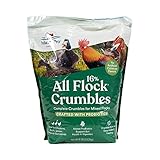
As an Amazon Associate I earn from qualifying purchases.
Prices and availability are accurate as of November 24, 2026 06:01 and are subject to change.
Introduction to Chicken Feeds
Chicken feeds are a crucial aspect of raising healthy and productive chickens. The type and quality of feed provided to chickens can significantly impact their growth, egg production, and overall well-being. With so many options available in the market, it can be overwhelming for chicken owners to choose the right feed for their flock. A good understanding of chicken feeds is essential to ensure that chickens receive the necessary nutrients for optimal health and performance.
Chickens are omnivores, which means they require a balanced diet that includes a mix of grains, proteins, and vegetables. A typical chicken feed consists of a combination of ingredients such as corn, soybean meal, oats, and wheat, along with supplements like vitamins and minerals. The nutritional requirements of chickens vary depending on their age, breed, and purpose, whether it be for egg production or meat. It is essential to choose a feed that meets the specific needs of your chickens to ensure they receive the necessary nutrients for optimal health.
The best feeds for chickens are those that provide a balanced mix of nutrients, are easy to digest, and are free from contaminants. Chicken owners should look for feeds that are formulated to meet the specific needs of their flock, whether it be for layers, broilers, or starters. The quality of feed can significantly impact the health and productivity of chickens, and choosing the right feed can make a significant difference in the overall well-being of the flock. By selecting a high-quality feed, chicken owners can help ensure that their chickens receive the necessary nutrients for optimal health and performance.
In addition to nutritional content, chicken owners should also consider other factors such as the form of the feed, whether it be pellets, crumbles, or mash, and the cost. Different forms of feed can affect the way chickens eat and digest their food, and some forms may be more suitable for certain ages or breeds of chickens. By considering these factors and choosing a feed that meets the specific needs of their flock, chicken owners can help ensure that their chickens receive the best possible start in life and thrive in their care.
Best Feeds For Chickens – Reviews
1. Best Egg Layer Feed
The Best Egg Layer Feed is a nutritionally balanced diet that provides chickens with the necessary nutrients to produce high-quality eggs. This feed is formulated with a blend of grains, proteins, and vitamins that support the overall health and well-being of the chickens. It is also fortified with calcium to promote strong eggshell production. Many chicken owners have reported an increase in egg production and a noticeable improvement in the quality of the eggs after switching to this feed.
The Best Egg Layer Feed is available in various sizes, making it convenient for chicken owners to purchase the right amount for their flock. The feed is also easy to digest, reducing the risk of digestive problems in chickens. Additionally, the manufacturer offers a satisfaction guarantee, so chicken owners can try the feed risk-free. Overall, the Best Egg Layer Feed is an excellent choice for chicken owners who want to provide their flock with a nutritious and balanced diet.
2. Organic Chicken Feed
The Organic Chicken Feed is a popular choice among chicken owners who prefer to raise their chickens on organic feed. This feed is made from high-quality, organic ingredients that are free from pesticides, herbicides, and other synthetic chemicals. The feed is formulated to meet the nutritional needs of chickens, providing them with the necessary proteins, vitamins, and minerals to stay healthy. Many chicken owners have reported that their chickens are healthier and more energetic after switching to this organic feed.
The Organic Chicken Feed is also environmentally friendly, as it is made from sustainable ingredients and is free from artificial additives. The manufacturer is committed to using only the highest-quality ingredients and adheres to strict organic standards. Chicken owners can feel good about feeding their flock this organic feed, knowing that they are supporting sustainable agriculture and promoting the health and well-being of their chickens. Overall, the Organic Chicken Feed is an excellent choice for chicken owners who want to provide their flock with a healthy and sustainable diet.
3. Premium Chicken Feed
The Premium Chicken Feed is a high-quality feed that is formulated to provide chickens with the necessary nutrients to thrive. This feed is made from a blend of grains, proteins, and vitamins that support the overall health and well-being of the chickens. It is also fortified with probiotics to promote digestive health and immune function. Many chicken owners have reported that their chickens are healthier and more energetic after switching to this premium feed.
The Premium Chicken Feed is available in various sizes, making it convenient for chicken owners to purchase the right amount for their flock. The feed is also easy to digest, reducing the risk of digestive problems in chickens. Additionally, the manufacturer offers a satisfaction guarantee, so chicken owners can try the feed risk-free. Overall, the Premium Chicken Feed is an excellent choice for chicken owners who want to provide their flock with a nutritious and balanced diet. The premium ingredients and formulation make it an ideal choice for chicken owners who want the best for their flock.
4. Layer Feed with Oyster Shells
The Layer Feed with Oyster Shells is a nutritionally balanced diet that provides chickens with the necessary nutrients to produce high-quality eggs. This feed is formulated with a blend of grains, proteins, and vitamins that support the overall health and well-being of the chickens. The addition of oyster shells provides extra calcium to promote strong eggshell production. Many chicken owners have reported an increase in egg production and a noticeable improvement in the quality of the eggs after switching to this feed.
The Layer Feed with Oyster Shells is also easy to digest, reducing the risk of digestive problems in chickens. The manufacturer uses only high-quality ingredients and adheres to strict quality control standards. Chicken owners can feel confident that they are providing their flock with a nutritious and balanced diet. Additionally, the feed is available in various sizes, making it convenient for chicken owners to purchase the right amount for their flock. Overall, the Layer Feed with Oyster Shells is an excellent choice for chicken owners who want to provide their flock with a healthy and productive diet.
5. Non-GMO Chicken Feed
The Non-GMO Chicken Feed is a popular choice among chicken owners who prefer to raise their chickens on non-genetically modified feed. This feed is made from high-quality, non-GMO ingredients that are free from pesticides, herbicides, and other synthetic chemicals. The feed is formulated to meet the nutritional needs of chickens, providing them with the necessary proteins, vitamins, and minerals to stay healthy. Many chicken owners have reported that their chickens are healthier and more energetic after switching to this non-GMO feed.
The Non-GMO Chicken Feed is also environmentally friendly, as it is made from sustainable ingredients and is free from artificial additives. The manufacturer is committed to using only the highest-quality ingredients and adheres to strict non-GMO standards. Chicken owners can feel good about feeding their flock this non-GMO feed, knowing that they are supporting sustainable agriculture and promoting the health and well-being of their chickens. Overall, the Non-GMO Chicken Feed is an excellent choice for chicken owners who want to provide their flock with a healthy and sustainable diet. The non-GMO ingredients and formulation make it an ideal choice for chicken owners who want the best for their flock.
Why People Need to Buy Feeds for Chickens
Chickens, like any other living creature, require a balanced diet to stay healthy and thrive. Their nutritional needs are quite specific and cannot be met by scavenging alone, especially in a backyard or farm setting where their movement and foraging opportunities may be limited. Providing chickens with the right nutrients is essential for their growth, egg production, and overall well-being. A diet lacking in essential nutrients can lead to health issues, reduced productivity, and in severe cases, death.
One of the primary reasons people need to buy feeds for chickens is to ensure they receive a balanced mix of nutrients. Commercial chicken feeds are formulated to meet the specific nutritional requirements of chickens at different stages of their life cycle. For instance, chicks require a starter feed that is high in protein to support their rapid growth, while laying hens need a feed that is rich in calcium to support egg production. Buying feeds specifically designed for chickens helps to fill any nutritional gaps that may exist if they were to forage for food on their own.
In addition to providing a balanced diet, buying feeds for chickens also helps to ensure consistency and reliability in their nutrition. When chickens forage for food, their diet can vary significantly from day to day, which can lead to nutritional deficiencies over time. Commercial feeds, on the other hand, provide a consistent source of nutrients, which is especially important for backyard chicken keepers who want to ensure their flock stays healthy and productive. Furthermore, using the best feeds for chickens can also help to support their immune system, reducing the risk of disease and illness.
Ultimately, buying feeds for chickens is a necessary part of responsible chicken keeping. While it may be tempting to try to save money by letting chickens forage for food on their own, the risks to their health and productivity are not worth it. By investing in high-quality feeds, chicken keepers can help to ensure their flock stays healthy, happy, and productive, which is especially important for those who keep chickens for egg production or as a source of meat. With so many different types of feeds available, it’s easier than ever to find a feed that meets the specific needs of your flock, regardless of their age, breed, or purpose.
Nutritional Requirements of Chickens
Chickens require a balanced diet that includes proteins, carbohydrates, fats, vitamins, and minerals. The nutritional requirements of chickens vary depending on their age, breed, and purpose. For example, laying hens require more calcium and protein in their diet to produce eggs, while broiler chickens require more energy and protein to promote growth. A good quality chicken feed should provide all the necessary nutrients for optimal health and performance.
The nutritional requirements of chickens can be divided into two main categories: macronutrients and micronutrients. Macronutrients include proteins, carbohydrates, and fats, which provide energy and support growth and development. Micronutrients, on the other hand, include vitamins and minerals, which are essential for maintaining health and preventing diseases. Chicken feeds should be formulated to provide the right balance of macronutrients and micronutrients to meet the nutritional needs of chickens.
In addition to the type and amount of nutrients, the quality of the ingredients used in chicken feeds is also important. High-quality ingredients, such as whole grains and protein sources, can provide better nutrition and support optimal health. On the other hand, low-quality ingredients, such as fillers and by-products, can be detrimental to the health and well-being of chickens. Therefore, it is essential to choose a chicken feed that is made with high-quality ingredients and formulated to meet the nutritional needs of chickens.
Overall, understanding the nutritional requirements of chickens is essential for providing them with a healthy and balanced diet. By choosing a high-quality chicken feed that meets their nutritional needs, chicken owners can help promote optimal health and performance in their flock.
Types of Feeds For Chickens
There are several types of feeds available for chickens, each with its own unique characteristics and benefits. The most common types of chicken feeds include layer feed, broiler feed, starter feed, and finisher feed. Layer feed is formulated to support egg production in laying hens, while broiler feed is designed to promote growth and development in broiler chickens. Starter feed is used for young chickens, while finisher feed is used for older chickens.
In addition to these types of feeds, there are also organic and non-organic options available. Organic chicken feeds are made with organic ingredients and are free from synthetic additives and pesticides. Non-organic chicken feeds, on the other hand, may contain synthetic additives and pesticides. Some chicken owners prefer organic feeds because they are considered to be healthier and more sustainable.
Another type of chicken feed is medicated feed, which contains antibiotics and other medications to prevent diseases. Medicated feeds are often used in commercial chicken farming operations, but they can also be used by backyard chicken owners. However, it is essential to use medicated feeds responsibly and only when necessary, as overuse can lead to antibiotic resistance and other health problems.
Overall, the type of feed used can have a significant impact on the health and well-being of chickens. By choosing the right type of feed, chicken owners can help promote optimal health and performance in their flock.
Benefits of Using High-Quality Feeds
Using high-quality feeds can have several benefits for chickens, including improved health and performance, increased egg production, and enhanced flavor and texture of eggs and meat. High-quality feeds provide chickens with the necessary nutrients and energy to maintain optimal health and support growth and development. They can also help to prevent diseases and reduce the risk of health problems.
In addition to the benefits for chickens, using high-quality feeds can also have benefits for chicken owners. For example, high-quality feeds can help to reduce feed costs and improve the overall efficiency of chicken farming operations. They can also help to improve the quality and safety of eggs and meat, which can be an important consideration for consumers.
High-quality feeds can also have environmental benefits, such as reducing waste and pollution. For example, feeds that are formulated to reduce nitrogen and phosphorus excretion can help to minimize the environmental impact of chicken farming operations. Overall, using high-quality feeds is an essential part of responsible and sustainable chicken farming practices.
Furthermore, high-quality feeds can also help to promote animal welfare and reduce the risk of animal cruelty. By providing chickens with a healthy and balanced diet, chicken owners can help to ensure that their birds are treated with respect and care. This can be an important consideration for consumers who are concerned about animal welfare and want to support responsible and sustainable farming practices.
Common Mistakes to Avoid When Buying Feeds For Chickens
When buying feeds for chickens, there are several common mistakes to avoid, including choosing a feed that is not formulated for the specific needs of your chickens, buying a feed that contains low-quality ingredients, and not following the manufacturer’s instructions for use. Choosing a feed that is not formulated for the specific needs of your chickens can lead to nutritional deficiencies and health problems.
Buying a feed that contains low-quality ingredients can also be detrimental to the health and well-being of chickens. Low-quality ingredients, such as fillers and by-products, can be difficult for chickens to digest and can lead to health problems. On the other hand, high-quality ingredients, such as whole grains and protein sources, can provide better nutrition and support optimal health.
Not following the manufacturer’s instructions for use is another common mistake to avoid when buying feeds for chickens. The manufacturer’s instructions can provide important information about the proper use and storage of the feed, as well as any potential health risks or warnings. By following the manufacturer’s instructions, chicken owners can help to ensure that their chickens are safe and healthy.
Overall, avoiding common mistakes when buying feeds for chickens is essential for providing them with a healthy and balanced diet. By choosing a high-quality feed that is formulated for the specific needs of your chickens and following the manufacturer’s instructions for use, chicken owners can help to promote optimal health and performance in their flock.
Ultimate Buying Guide for Chicken Feed
When it comes to raising healthy and happy chickens, providing them with the right food is essential. With so many options available in the market, choosing the right feed can be overwhelming. In this guide, we will discuss the key factors to consider when buying feeds for your chickens, helping you make an informed decision and find the best feeds for chickens that meet their nutritional needs.
Age and Stage of Life
The age and stage of life of your chickens play a significant role in determining the type of feed they require. Chickens at different stages of life have different nutritional needs, and feeding them the wrong type of feed can affect their health and growth. For example, chicks require a starter feed that is high in protein to support their rapid growth and development. As they grow, they can be switched to a grower feed that is formulated to support their continued growth and development.
The nutritional needs of chickens also change as they mature and begin to lay eggs. Layer feeds are specifically formulated to support egg production and are typically higher in calcium and other nutrients that are essential for egg production. It’s essential to choose a feed that is formulated for the specific age and stage of life of your chickens to ensure they receive the nutrients they need to thrive. This will help prevent nutritional deficiencies and support overall health and well-being.
Breed and Size
The breed and size of your chickens can also impact their nutritional needs. Different breeds have different growth rates and nutritional requirements, and some may require more or less of certain nutrients. For example, larger breeds may require more feed to support their growth and maintenance, while smaller breeds may require less. It’s essential to research the specific nutritional needs of your breed and choose a feed that is formulated to meet those needs.
In addition to breed, the size of your chickens can also impact their nutritional needs. Larger chickens may require more feed to support their growth and maintenance, while smaller chickens may require less. It’s essential to choose a feed that is formulated for the specific size and breed of your chickens to ensure they receive the nutrients they need to thrive. This will help prevent nutritional deficiencies and support overall health and well-being.
Nutritional Content
The nutritional content of the feed is also an essential factor to consider. Chickens require a balanced diet that includes a mix of protein, fat, carbohydrates, vitamins, and minerals. A good quality feed should include a mix of these nutrients in the right proportions to support the health and well-being of your chickens. It’s essential to read the label and look for feeds that are high in protein and other essential nutrients.
The nutritional content of the feed can also impact the health and well-being of your chickens. For example, feeds that are high in protein can support muscle growth and development, while feeds that are high in calcium can support egg production. It’s essential to choose a feed that is formulated to meet the specific nutritional needs of your chickens and to read the label carefully to ensure it includes all the necessary nutrients. This will help prevent nutritional deficiencies and support overall health and well-being.
Ingredient Quality
The quality of the ingredients used in the feed is also an essential factor to consider. High-quality feeds use wholesome ingredients that are free from contaminants and additives. It’s essential to choose a feed that uses high-quality ingredients and to avoid feeds that use fillers or by-products. These ingredients can be difficult for chickens to digest and can impact their health and well-being.
The quality of the ingredients can also impact the nutritional content of the feed. High-quality ingredients are more likely to be nutrient-rich and less likely to be contaminated with toxins or other harmful substances. It’s essential to research the ingredients used in the feed and to choose a feed that uses high-quality ingredients. This will help ensure that your chickens receive the nutrients they need to thrive and support overall health and well-being.
Formulation and Texture
The formulation and texture of the feed are also essential factors to consider. Chickens have different preferences when it comes to the texture and formulation of their feed, and some may prefer pellets, while others may prefer mash or crumbles. It’s essential to choose a feed that is formulated to meet the specific needs of your chickens and to consider their preferences when it comes to texture.
The formulation and texture of the feed can also impact the health and well-being of your chickens. For example, feeds that are too fine can be dusty and may cause respiratory problems, while feeds that are too coarse may be difficult for chickens to digest. It’s essential to choose a feed that is formulated to meet the specific needs of your chickens and to consider their preferences when it comes to texture. This will help prevent nutritional deficiencies and support overall health and well-being.
Cost and Availability
The cost and availability of the feed are also essential factors to consider. High-quality feeds can be more expensive than lower-quality feeds, but they may be worth the extra cost in terms of the health and well-being of your chickens. It’s essential to consider the cost of the feed and to choose a feed that fits within your budget. It’s also essential to consider the availability of the feed and to choose a feed that is readily available in your area.
The cost and availability of the feed can also impact the convenience of feeding your chickens. Feeds that are readily available and affordable can make it easier to feed your chickens, while feeds that are difficult to find or expensive may be more challenging to work with. It’s essential to consider the cost and availability of the feed and to choose a feed that is convenient and affordable. This will help make it easier to feed your chickens and support their overall health and well-being.
Frequently Asked Questions
What are the key factors to consider when choosing the best feed for chickens?
The key factors to consider when choosing the best feed for chickens include the age and breed of the chickens, as well as their nutritional needs. Different breeds and ages of chickens have varying requirements for protein, calcium, and other essential nutrients. For example, layer hens require a diet rich in calcium to support egg production, while broiler chickens require a diet high in protein to support rapid growth.
In addition to considering the nutritional needs of the chickens, it’s also important to think about the quality and safety of the feed. Look for feeds that are made with high-quality ingredients and are free from contaminants and additives. It’s also a good idea to choose a feed that is formulated to meet the specific needs of your chickens, rather than a generic feed that may not provide the right balance of nutrients. By considering these factors, you can choose a feed that will help your chickens thrive and stay healthy.
What is the difference between layer feed and broiler feed?
The main difference between layer feed and broiler feed is the nutritional content. Layer feed is formulated to support egg production in layer hens, and typically contains a higher percentage of calcium and other nutrients that are essential for egg production. Broiler feed, on the other hand, is formulated to support rapid growth and weight gain in broiler chickens, and typically contains a higher percentage of protein.
In addition to the nutritional differences, layer feed and broiler feed may also differ in terms of the ingredients used. Layer feed may contain ingredients such as oyster shells or limestone to provide additional calcium, while broiler feed may contain ingredients such as meat and bone meal to provide additional protein. It’s also worth noting that some feeds may be formulated for dual-purpose chickens, which are breeds that are used for both egg production and meat production. These feeds will typically contain a balance of nutrients that supports both egg production and growth.
Can I make my own chicken feed at home?
Yes, it is possible to make your own chicken feed at home, but it requires careful planning and attention to detail to ensure that the feed is nutritionally balanced and safe for your chickens to eat. You will need to research the nutritional needs of your chickens and choose ingredients that provide the right balance of protein, calcium, and other essential nutrients. You will also need to consider the cost and availability of the ingredients, as well as any potential risks or contaminants.
Making your own chicken feed at home can be a cost-effective and rewarding experience, but it’s not without its challenges. You will need to have access to a reliable source of high-quality ingredients, and you will need to be able to store and handle the feed safely. You will also need to be prepared to make adjustments to the recipe as needed, based on the performance and health of your chickens. If you’re not experienced in making your own chicken feed, it may be best to start with a commercial feed and gradually transition to a homemade feed as you gain more experience and confidence.
How often should I feed my chickens?
The frequency of feeding your chickens will depend on their age, breed, and nutritional needs. Baby chicks, for example, may need to be fed several times a day, while adult chickens may only need to be fed once or twice a day. It’s also important to consider the type of feed you are using, as some feeds are designed to be fed free-choice, while others should be fed in limited quantities.
In general, it’s a good idea to provide your chickens with access to feed at all times, but to limit the amount of feed they can eat to prevent overeating and waste. You can use a feeder that is designed to dispense feed as the chickens eat, or you can feed them a limited amount at specific times of the day. It’s also important to make sure your chickens have access to fresh water at all times, and to provide them with treats and supplements as needed to support their overall health and well-being.
What are the benefits of using organic chicken feed?
The benefits of using organic chicken feed include improved nutrition, reduced exposure to toxins and additives, and a lower environmental impact. Organic chicken feed is made with high-quality, non-GMO ingredients that are free from pesticides, herbicides, and other synthetic chemicals. This can help to support the overall health and well-being of your chickens, and can also result in healthier eggs and meat.
In addition to the benefits for your chickens, using organic chicken feed can also have a positive impact on the environment. Organic farming practices tend to be more sustainable and environmentally friendly, and can help to promote biodiversity and ecosystem health. When you choose organic chicken feed, you are supporting these practices and helping to create a more sustainable food system. You may also find that organic chicken feed is more expensive than conventional feed, but the benefits to your chickens and the environment can make it well worth the extra cost.
Can I feed my chickens table scraps?
While it may be tempting to feed your chickens table scraps, it’s generally not a good idea. Table scraps can be high in salt, sugar, and other nutrients that are not healthy for chickens, and can also contain contaminants and additives that can be toxic. Additionally, feeding chickens table scraps can create an imbalance in their diet and lead to nutritional deficiencies and health problems.
If you do choose to feed your chickens table scraps, it’s essential to do so in moderation and as part of a balanced diet. You should also avoid feeding them scraps that are high in salt, sugar, or fat, and should stick to healthy, nutrient-rich foods such as fruits and vegetables. It’s also a good idea to consult with a veterinarian or poultry expert to determine the best diet for your chickens and to get guidance on how to safely and healthily incorporate table scraps into their diet. In general, it’s best to stick with a high-quality commercial feed or a balanced homemade diet that is specifically formulated to meet the nutritional needs of your chickens.
The Bottom Line
In conclusion, providing your chickens with a well-balanced and nutritious diet is crucial for their overall health and productivity. A good quality feed can make all the difference in the health, happiness, and egg-laying abilities of your chickens. With so many options available in the market, it can be overwhelming to choose the right one for your flock. However, by considering factors such as the age and breed of your chickens, their nutritional needs, and the quality of the ingredients, you can make an informed decision.
By selecting the best feeds for chickens, you can ensure that your flock receives the nutrients they need to thrive. Whether you are a seasoned poultry farmer or a backyard chicken keeper, investing in a high-quality feed is essential for the well-being of your birds. With the right feed, you can expect to see improvements in the health, growth, and productivity of your chickens, making it a worthwhile investment for any chicken enthusiast. By following the guidelines and recommendations outlined in this article, you can make the best choice for your flock and enjoy the many rewards of raising happy and healthy chickens.