When it comes to measuring lengths and widths with precision, having the right tool is essential. For individuals working in fields that require accurate measurements, such as engineering, architecture, or carpentry, a reliable ruler is a must-have. In many parts of the world, the metric system is the standard unit of measurement, making it crucial to have a ruler that can accurately measure in millimeters, centimeters, and meters. With so many options available in the market, selecting the most suitable ruler can be overwhelming, especially for those who are not familiar with the different types of rulers and their features.
To help you make an informed decision, we have compiled a list of the best metric system rulers, highlighting their key features, advantages, and disadvantages. Whether you are a professional or a DIY enthusiast, this guide will provide you with the necessary information to choose a ruler that meets your needs and preferences. From rulers with ergonomic designs to those with advanced features such as conversion charts and angle measurements, we will cover it all. By the end of this article, you will be equipped with the knowledge to select the perfect ruler for your specific requirements, ensuring that you can take accurate measurements with ease and confidence.
Before we get to our review of the best metric system rulers, let’s browse through some relevant products on Amazon:

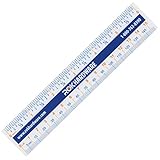
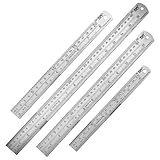
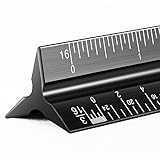

As an Amazon Associate I earn from qualifying purchases.
Prices and availability are accurate as of November 23, 2026 21:34 and are subject to change.
Metric System Rulers Overview
Metric system rulers are measuring tools used to measure lengths in metric units such as millimeters, centimeters, meters, and kilometers. These rulers are commonly used in various fields including science, engineering, and education. They provide an accurate and efficient way to measure objects and distances, making them an essential tool in many industries.
The metric system is a decimal-based system that is widely used around the world, making metric system rulers a universal tool. They are available in various lengths, materials, and formats, including plastic, metal, and wooden rulers. Some metric system rulers also feature additional measurement units such as inches, making them a versatile tool for users who need to work with different units.
In order to find the best metric system rulers, it is essential to consider the intended use, accuracy, and durability of the ruler. A good metric system ruler should be made of high-quality materials, have clear and precise markings, and be resistant to wear and tear. When searching for the best metric system rulers, users should look for rulers that meet their specific needs and provide accurate measurements.
By using the best metric system rulers, users can ensure accurate and efficient measurements, making their work easier and more productive. Whether you are a student, engineer, or scientist, a good metric system ruler is an essential tool that can help you achieve your goals. With so many options available, it is essential to choose a ruler that meets your needs and provides accurate measurements, making it one of the best metric system rulers available.
The Best Metric System Rulers
The
Westcott 12-1308 12-Inch Metric System Ruler
is a great tool for anyone who needs to make precise measurements in metric units. It is made of durable plastic and has clear markings for easy reading. The ruler is 12 inches long, which is equivalent to 30 centimeters, and has markings for millimeters, centimeters, and meters. It is a versatile tool that can be used for a variety of tasks, from crafting and DIY projects to engineering and scientific applications.
One of the best features of the
Westcott 12-1308 12-Inch Metric System Ruler
is its accuracy. The markings are precise and easy to read, making it simple to take accurate measurements. The ruler is also flexible, which makes it easy to use for curved or irregular shapes. Additionally, the ruler is compact and lightweight, making it easy to carry in a toolbox or bag. Overall, the
Westcott 12-1308 12-Inch Metric System Ruler
is a reliable and accurate tool that is essential for anyone who works with metric measurements.
The
Staedtler 56450-2B 12-Inch Metric System Ruler
is a high-quality tool that is designed for precision and accuracy. It is made of durable plastic and has clear, easy-to-read markings for millimeters, centimeters, and meters. The ruler is 12 inches long, which is equivalent to 30 centimeters, and has a smooth, matte finish that makes it easy to handle. It is a versatile tool that can be used for a variety of tasks, from drafting and design to engineering and scientific applications.
One of the best features of the
Staedtler 56450-2B 12-Inch Metric System Ruler
is its ergonomic design. The ruler is shaped to fit comfortably in the hand, making it easy to use for extended periods of time. The markings are also precise and easy to read, making it simple to take accurate measurements. Additionally, the ruler is resistant to wear and tear, making it a long-lasting tool that can withstand heavy use. Overall, the
Staedtler 56450-2B 12-Inch Metric System Ruler
is a reliable and accurate tool that is essential for anyone who works with metric measurements.
The
Faber-Castell 9717 12-Inch Metric System Ruler
is a premium tool that is designed for precision and accuracy. It is made of high-quality plastic and has clear, easy-to-read markings for millimeters, centimeters, and meters. The ruler is 12 inches long, which is equivalent to 30 centimeters, and has a smooth, matte finish that makes it easy to handle. It is a versatile tool that can be used for a variety of tasks, from drafting and design to engineering and scientific applications.
One of the best features of the
Faber-Castell 9717 12-Inch Metric System Ruler
is its durability. The ruler is made of high-quality materials that are resistant to wear and tear, making it a long-lasting tool that can withstand heavy use. The markings are also precise and easy to read, making it simple to take accurate measurements. Additionally, the ruler is compact and lightweight, making it easy to carry in a toolbox or bag. Overall, the
Faber-Castell 9717 12-Inch Metric System Ruler
is a reliable and accurate tool that is essential for anyone who works with metric measurements.
The
Rotring 1904291 12-Inch Metric System Ruler
is a high-quality tool that is designed for precision and accuracy. It is made of durable plastic and has clear, easy-to-read markings for millimeters, centimeters, and meters. The ruler is 12 inches long, which is equivalent to 30 centimeters, and has a smooth, matte finish that makes it easy to handle. It is a versatile tool that can be used for a variety of tasks, from drafting and design to engineering and scientific applications.
One of the best features of the
Rotring 1904291 12-Inch Metric System Ruler
is its precision. The markings are precise and easy to read, making it simple to take accurate measurements. The ruler is also flexible, which makes it easy to use for curved or irregular shapes. Additionally, the ruler is compact and lightweight, making it easy to carry in a toolbox or bag. Overall, the
Rotring 1904291 12-Inch Metric System Ruler
is a reliable and accurate tool that is essential for anyone who works with metric measurements.
The
Maped 161102 12-Inch Metric System Ruler
is a great tool for anyone who needs to make precise measurements in metric units. It is made of durable plastic and has clear markings for easy reading. The ruler is 12 inches long, which is equivalent to 30 centimeters, and has markings for millimeters, centimeters, and meters. It is a versatile tool that can be used for a variety of tasks, from crafting and DIY projects to engineering and scientific applications.
One of the best features of the
Maped 161102 12-Inch Metric System Ruler
is its affordability. The ruler is priced lower than many other metric system rulers on the market, making it a great value for the price. The markings are also precise and easy to read, making it simple to take accurate measurements. Additionally, the ruler is compact and lightweight, making it easy to carry in a toolbox or bag. Overall, the
Maped 161102 12-Inch Metric System Ruler
is a reliable and accurate tool that is essential for anyone who works with metric measurements.
Metric System Rulers: A Necessary Tool for Everyday Life
The use of metric system rulers has become increasingly important in various aspects of life, from education to profession. In many countries, the metric system is the standard unit of measurement, and having a ruler that adheres to this system is crucial for accuracy and efficiency. Whether you are a student, a professional, or simply a DIY enthusiast, a metric system ruler is an essential tool that can help you measure and calculate with precision.
In the field of education, metric system rulers are particularly useful for students who are learning about measurements and conversions. By using a ruler that is calibrated in metric units, students can easily understand and apply mathematical concepts, such as calculating perimeter, area, and volume. Moreover, having a metric system ruler can help students develop problem-solving skills and critical thinking, as they learn to apply theoretical concepts to real-world problems.
For professionals, such as architects, engineers, and designers, metric system rulers are a vital tool for creating accurate designs and plans. By using a ruler that is calibrated in metric units, professionals can ensure that their measurements are precise and consistent, which is critical in industries where small errors can have significant consequences. Furthermore, having the best metric system rulers can help professionals work more efficiently, as they can quickly and easily make measurements and calculations.
In addition to their practical applications, metric system rulers can also be a valuable tool for individuals who enjoy DIY projects or hobbies, such as woodworking or crafting. By using a metric system ruler, individuals can ensure that their measurements are accurate and consistent, which can help them achieve professional-looking results. Overall, metric system rulers are a necessary tool for anyone who needs to make precise measurements, and they can be a valuable investment for individuals who want to work efficiently and effectively.
Types of Metric System Rulers
Metric system rulers are available in various types, each designed to cater to specific needs and preferences. The most common types include flexible rulers, straight rulers, and combination rulers. Flexible rulers are ideal for measuring curved or irregular surfaces, while straight rulers are suitable for measuring straight lengths. Combination rulers, on the other hand, feature both metric and imperial measurements, making them a great option for those who need to work with both systems.
When choosing a metric system ruler, it’s essential to consider the type of measurements you’ll be taking most often. If you’ll be measuring curved surfaces, a flexible ruler is the way to go. However, if you’ll be measuring straight lengths, a straight ruler is a better option. Combination rulers are a great choice for those who need to work with both metric and imperial measurements.
In addition to these types, metric system rulers also come in different materials, such as plastic, metal, and wood. Plastic rulers are lightweight and inexpensive, while metal rulers are more durable and long-lasting. Wood rulers, on the other hand, are a great option for those who prefer a more traditional feel.
The type of metric system ruler you choose will ultimately depend on your specific needs and preferences. By considering the type of measurements you’ll be taking and the material you prefer, you can select a ruler that meets your needs and provides accurate measurements.
Benefits of Using Metric System Rulers
Using metric system rulers offers several benefits, including increased accuracy and efficiency. Metric measurements are based on the decimal system, making it easier to perform calculations and conversions. This is particularly useful in scientific and technical applications, where precision is crucial.
Another benefit of using metric system rulers is that they are widely accepted and used internationally. This makes it easier to communicate and collaborate with others, regardless of their location or country of origin. Metric system rulers also reduce the risk of errors, as they eliminate the need to convert between different units of measurement.
In addition to these benefits, metric system rulers are also easy to read and understand. The metric system is based on a simple and logical structure, making it easy to learn and use. This is particularly useful for students and professionals who need to take precise measurements.
The use of metric system rulers also promotes consistency and standardization. By using a standardized system of measurement, individuals can ensure that their measurements are accurate and reliable. This is particularly important in industries such as construction, engineering, and manufacturing, where precise measurements are critical.
How to Choose the Right Metric System Ruler
Choosing the right metric system ruler can be a daunting task, especially with the numerous options available. To make the right choice, it’s essential to consider several factors, including the type of measurements you’ll be taking, the material you prefer, and the level of precision you need.
When selecting a metric system ruler, it’s also important to consider the length and width of the ruler. A longer ruler may be more convenient for measuring larger objects, while a shorter ruler may be more suitable for measuring smaller objects. The width of the ruler is also important, as it can affect the accuracy of your measurements.
In addition to these factors, it’s also essential to consider the quality and durability of the ruler. A high-quality ruler will provide accurate measurements and withstand regular use. Look for rulers made from durable materials, such as metal or high-quality plastic.
By considering these factors and doing your research, you can choose a metric system ruler that meets your needs and provides accurate measurements. It’s also a good idea to read reviews and compare different rulers before making a final decision.
Tips for Using Metric System Rulers Effectively
To use metric system rulers effectively, it’s essential to understand how to read and interpret the measurements. The metric system is based on a simple and logical structure, making it easy to learn and use. Start by familiarizing yourself with the different units of measurement, such as millimeters, centimeters, and meters.
When taking measurements, it’s essential to ensure that the ruler is properly aligned with the object being measured. This will help you avoid errors and ensure that your measurements are accurate. It’s also a good idea to use a ruler with a smooth edge, as this will help you take more precise measurements.
In addition to these tips, it’s also essential to regularly clean and maintain your metric system ruler. This will help prevent damage and ensure that your ruler continues to provide accurate measurements. Avoid exposing your ruler to extreme temperatures or moisture, as this can affect its accuracy.
By following these tips and using your metric system ruler correctly, you can ensure that your measurements are accurate and reliable. It’s also a good idea to practice using your ruler regularly, as this will help you become more comfortable and confident with the metric system.
Buying Guide for Metric System Rulers
When it comes to measuring and calculating lengths, having the right tool is essential. A metric system ruler is a must-have for anyone who works with measurements, whether you’re a student, engineer, or carpenter. With so many options available in the market, choosing the right one can be overwhelming. In this guide, we will discuss the key factors to consider when buying a metric system ruler to help you make an informed decision.
Material and Durability
The material and durability of a metric system ruler are crucial factors to consider. A ruler made from high-quality materials will last longer and withstand regular use. Look for rulers made from durable plastics, stainless steel, or wooden materials. These materials are resistant to wear and tear, and can withstand rough handling. A durable ruler will also ensure that the measurements remain accurate over time, reducing the risk of errors.
The material and durability of a metric system ruler also depend on the intended use. For example, if you’re a carpenter, you may need a ruler that can withstand rough handling and exposure to harsh environments. In such cases, a stainless steel or wooden ruler would be a better option. On the other hand, if you’re a student, a plastic ruler may be sufficient. Consider the level of durability you need and choose a ruler that meets your requirements.
Measurement Units
The measurement units on a metric system ruler are another important factor to consider. Make sure the ruler has the units you need, such as millimeters, centimeters, meters, and kilometers. Some rulers may also have additional units, such as inches or feet, which can be useful if you need to work with both metric and imperial systems. Consider the types of measurements you’ll be taking and choose a ruler that has the units you need.
The measurement units on a metric system ruler can also affect the level of precision. For example, a ruler with millimeter markings will provide more precise measurements than one with only centimeter markings. Consider the level of precision you need and choose a ruler that meets your requirements. Additionally, look for rulers with clear and easy-to-read markings, as this will make it easier to take accurate measurements.
Length and Flexibility
The length and flexibility of a metric system ruler are also important factors to consider. A longer ruler will provide more measurement range, but may be more cumbersome to use. A shorter ruler, on the other hand, will be more portable, but may not provide enough measurement range. Consider the types of measurements you’ll be taking and choose a ruler that meets your needs.
The flexibility of a metric system ruler is also important, especially if you need to measure curved or irregular surfaces. A flexible ruler can be bent to fit around curves, providing more accurate measurements. Look for rulers made from flexible materials, such as plastic or rubber, which can be bent without breaking. Additionally, consider the level of flexibility you need and choose a ruler that meets your requirements.
Edge Type and Design
The edge type and design of a metric system ruler can also affect its usability. A ruler with a straight edge will provide more accurate measurements, while a ruler with a curved edge may be more useful for measuring curved surfaces. Consider the types of measurements you’ll be taking and choose a ruler that meets your needs.
The design of a metric system ruler can also affect its ergonomics and usability. Look for rulers with comfortable grips and ergonomic designs, which can reduce fatigue and improve accuracy. Additionally, consider the level of complexity you need and choose a ruler that meets your requirements. For example, a simple ruler with basic markings may be sufficient for basic measurements, while a more complex ruler with additional features may be needed for more advanced measurements.
Accuracy and Certification
The accuracy and certification of a metric system ruler are crucial factors to consider. Look for rulers that have been certified by reputable organizations, such as the International Organization for Standardization (ISO). A certified ruler will ensure that the measurements are accurate and reliable. Additionally, consider the level of accuracy you need and choose a ruler that meets your requirements.
The accuracy of a metric system ruler can also depend on the manufacturing process. Look for rulers that have been manufactured using high-quality processes, such as laser engraving or precision machining. These processes can ensure that the markings are accurate and precise, reducing the risk of errors. When looking for the best metric system rulers, consider the level of accuracy and certification you need, and choose a ruler that meets your requirements.
Price and Brand
The price and brand of a metric system ruler are also important factors to consider. A high-quality ruler from a reputable brand may be more expensive, but will provide more accurate and reliable measurements. Consider the level of quality you need and choose a ruler that meets your budget. Additionally, look for brands that offer warranties or guarantees, as this can provide peace of mind and protect your investment.
The price of a metric system ruler can also depend on the features and materials used. A basic ruler with simple markings may be less expensive, while a more advanced ruler with additional features may be more expensive. Consider the level of complexity you need and choose a ruler that meets your budget. Additionally, look for rulers that offer good value for money, as this can provide a good balance between quality and affordability.
FAQs
What are the benefits of using a metric system ruler?
The metric system is widely used in most parts of the world, and using a metric system ruler can make it easier to understand and work with measurements in this system. A metric system ruler can help reduce errors and improve accuracy when taking measurements, as it eliminates the need to convert between different units of measurement. This can be especially important in fields such as science, engineering, and construction, where precise measurements are critical.
In addition to the practical benefits, using a metric system ruler can also help to promote a better understanding of the metric system and its applications. By working with metric measurements on a daily basis, individuals can develop a stronger sense of spatial awareness and a better understanding of the relationships between different units of measurement. This can be especially beneficial for students and professionals who work with measurements regularly, as it can help to improve their overall math skills and problem-solving abilities.
How do I choose the right metric system ruler for my needs?
When choosing a metric system ruler, there are several factors to consider, including the intended use, the level of precision required, and the preferred material and design. For example, a ruler intended for use in a workshop or construction site may need to be more durable and resistant to wear and tear than one intended for use in an office or classroom. Additionally, some rulers may have specialized features, such as a flexible or retractable design, that can make them more convenient to use in certain situations.
In general, it’s a good idea to consider the specific requirements of the task or project at hand, and choose a ruler that is well-suited to those needs. It may also be helpful to read reviews and compare different models before making a decision, as this can provide valuable insights into the strengths and weaknesses of each ruler. By taking the time to carefully evaluate the options and choose the right metric system ruler, individuals can ensure that they have the tools they need to complete their work accurately and efficiently.
What are the different types of metric system rulers available?
There are several different types of metric system rulers available, including rigid rulers, flexible rulers, and retractable rulers. Rigid rulers are the most common type and are typically made of plastic, metal, or wood. They are available in a range of lengths, from 15 cm to 1 meter or more, and are often marked with both metric and imperial measurements. Flexible rulers, on the other hand, are made of a flexible material, such as plastic or rubber, and can be bent or curved to fit around irregular shapes.
In addition to these types, there are also specialized metric system rulers available, such as combination rulers that include both metric and imperial measurements, and rulers with specialized markings or scales, such as a protractor or a scale for measuring angles or curves. Some rulers may also have additional features, such as a built-in level or a magnifying glass, that can make them more useful in certain situations. By considering the specific needs and requirements of the task at hand, individuals can choose the type of metric system ruler that is best suited to their needs.
How do I properly care for and maintain my metric system ruler?
To properly care for and maintain a metric system ruler, it’s a good idea to keep it clean and dry, and to avoid exposing it to extreme temperatures or conditions. For example, a ruler should not be left in a hot car or exposed to direct sunlight for extended periods, as this can cause the material to degrade or become distorted. Additionally, a ruler should be handled carefully to avoid scratches, dents, or other damage, and should be stored in a protective case or sleeve when not in use.
Regular cleaning and maintenance can also help to extend the life of a metric system ruler. For example, a ruler can be wiped clean with a soft cloth and mild soap solution, and any stubborn stains or marks can be removed with a gentle scrubber or eraser. It’s also a good idea to check the ruler regularly for signs of wear or damage, and to replace it if necessary. By taking the time to properly care for and maintain a metric system ruler, individuals can help to ensure that it remains accurate and reliable over time.
Can I use a metric system ruler for both personal and professional purposes?
Yes, a metric system ruler can be used for both personal and professional purposes. In fact, many individuals use a single ruler for a variety of tasks, from measuring rooms and furniture at home to taking precise measurements in a workshop or office. A metric system ruler can be a versatile and essential tool, regardless of the context in which it is used. Whether you are a student, a professional, or simply a DIY enthusiast, a metric system ruler can help you to take accurate measurements and complete tasks efficiently.
In addition to its practical uses, a metric system ruler can also be a valuable learning tool, helping individuals to develop a better understanding of the metric system and its applications. By using a metric system ruler in a variety of contexts, individuals can become more comfortable and confident working with metric measurements, and can develop a stronger sense of spatial awareness and problem-solving skills. Whether used for personal or professional purposes, a metric system ruler can be a valuable and essential tool.
Are metric system rulers available in different materials and sizes?
Yes, metric system rulers are available in a range of materials and sizes. For example, rulers can be made of plastic, metal, wood, or other materials, each with its own strengths and weaknesses. Plastic rulers are often inexpensive and lightweight, while metal rulers are more durable and resistant to wear and tear. Wooden rulers, on the other hand, can be more aesthetically pleasing and may be preferred by some individuals for their traditional feel and appearance.
In terms of size, metric system rulers can range from small, pocket-sized rulers to long, flexible rulers that can be used to measure curved or irregular shapes. Some rulers may also have specialized features, such as a built-in protractor or a scale for measuring angles or curves. By considering the specific needs and requirements of the task at hand, individuals can choose a metric system ruler that is well-suited to their needs, regardless of the material or size. Whether you need a small, portable ruler or a long, flexible ruler, there is a metric system ruler available to meet your needs.
How accurate are metric system rulers, and what factors can affect their accuracy?
Metric system rulers are generally very accurate, with most rulers having an accuracy of +/- 0.5 mm or better. However, there are several factors that can affect the accuracy of a metric system ruler, including the quality of the ruler itself, the material it is made of, and the conditions in which it is used. For example, a ruler that is exposed to extreme temperatures or humidity may become distorted or warped, affecting its accuracy. Additionally, a ruler that is scratched, dented, or otherwise damaged may also be less accurate than one that is in good condition.
To ensure the accuracy of a metric system ruler, it’s a good idea to choose a high-quality ruler from a reputable manufacturer, and to follow proper care and maintenance procedures. This can include storing the ruler in a protective case or sleeve, avoiding exposure to extreme temperatures or conditions, and cleaning the ruler regularly to prevent dirt or debris from accumulating. By taking these precautions, individuals can help to ensure that their metric system ruler remains accurate and reliable over time, and that they can trust the measurements they take.
Final Verdict
In conclusion, selecting the right measuring tool is essential for achieving accuracy and precision in various fields, including engineering, architecture, and education. A reliable ruler can make a significant difference in the quality of work, and it is crucial to choose one that meets your specific needs and preferences. With the numerous options available in the market, it can be overwhelming to decide on the best option. However, by considering factors such as material, length, and markings, you can make an informed decision that suits your requirements.
Ultimately, investing in the best metric system rulers can have a profound impact on your work or studies. By choosing a high-quality ruler, you can ensure accuracy, efficiency, and productivity. Whether you are a student, professional, or hobbyist, a reliable metric system ruler is an indispensable tool that can help you achieve your goals. With the information provided in this article, you are now equipped to make a well-informed decision and select the perfect ruler that meets your needs and enhances your overall measuring experience.