Access to clean and safe drinking water is essential for our health and well-being. Unfortunately, many of us are concerned about the quality of our tap water, with contaminants and impurities that can affect its taste, odor, and safety. This is where water filtration systems come in, offering a convenient and effective solution to ensure the water we drink is pure and healthy. One of the most popular and practical options is installing a filter directly on our faucets, which can significantly improve the quality of our drinking water.
When it comes to choosing the right filtration system for our needs, it can be overwhelming with the numerous options available in the market. To make an informed decision, it’s crucial to consider factors such as filter performance, maintenance costs, and ease of installation. If you’re looking for a reliable and efficient way to purify your drinking water, investing in the best faucet water filters for drinking water can be a great starting point. With the right filter, you can enjoy clean, fresh, and great-tasting water straight from your tap, without the hassle and expense of bottled water or complex filtration systems. In this article, we’ll guide you through the process of selecting the perfect faucet water filter for your home, highlighting key features, benefits, and top recommendations to help you make the best choice.
Before we get to our review of the best faucet water filters for drinking water, let’s browse through some relevant products on Amazon:



As an Amazon Associate I earn from qualifying purchases.
Prices and availability are accurate as of November 25, 2026 09:50 and are subject to change.
Introduction to Faucet Water Filters
Faucet water filters are a type of water filtration system that can be easily installed directly onto a faucet. These filters are designed to remove impurities and contaminants from the water, providing clean and safe drinking water. They are a popular choice for many households due to their ease of use and installation, as well as their effectiveness in improving the taste and quality of the water.
One of the main benefits of faucet water filters is their ability to remove a wide range of contaminants, including chlorine, lead, and other heavy metals. This can be especially important for households with young children or pets, as these contaminants can be particularly harmful to their health. Additionally, faucet water filters can also help to improve the taste and odor of the water, making it more enjoyable to drink.
In recent years, there has been a growing interest in the use of faucet water filters for drinking water. This is due in part to the increasing awareness of the importance of clean drinking water, as well as the growing concern over the safety of tap water. As a result, many households are now looking for the best faucet water filters for drinking water that can provide them with safe and clean drinking water.
Overall, faucet water filters are a convenient and effective way to improve the quality of drinking water. They are easy to install and maintain, and can provide a wide range of benefits, from improving the taste and odor of the water to removing harmful contaminants. With so many different types and models of faucet water filters available, it can be difficult to know which one to choose, but by doing some research and comparing different options, households can find the perfect filter to meet their needs and provide them with clean and safe drinking water.
Best Faucet Water Filters For Drinking Water – Reviews
The
1. ZeroWater ZD-018 5-Stage Filter
is a top-of-the-line faucet water filter that provides exceptional quality drinking water. It features a 5-stage filtration system that removes virtually all impurities from the water, including dissolved solids, lead, and other contaminants. The filter is also certified to remove 99.6% of all contaminants, making it one of the most effective filters on the market. This level of filtration ensures that the water tastes clean and fresh, and is safe for consumption.
One of the key benefits of the
1. ZeroWater ZD-018 5-Stage Filter
is its ease of use. The filter is simple to install and requires minimal maintenance, making it a great option for those who want a hassle-free filtration system. Additionally, the filter is designed to be compact and space-efficient, making it perfect for small kitchens or apartments. Overall, the
1. ZeroWater ZD-018 5-Stage Filter
is an excellent choice for anyone looking for a high-quality faucet water filter that provides exceptional performance and convenience.
The
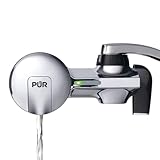
2. Pur PFM400H Faucet Mount Filter
is another highly-rated faucet water filter that offers excellent performance and value. This filter features a 3-stage filtration system that removes up to 99% of contaminants, including lead, chlorine, and other impurities. The filter is also certified to meet or exceed NSF International standards for safety and effectiveness. The
2. Pur PFM400H Faucet Mount Filter
is designed to be easy to install and use, with a simple and intuitive design that makes it easy to switch between filtered and unfiltered water.
One of the key advantages of the
2. Pur PFM400H Faucet Mount Filter
is its affordability. This filter is priced lower than many other models on the market, making it a great option for those on a budget. Additionally, the filter is designed to be compact and space-efficient, making it perfect for small kitchens or apartments. The
2. Pur PFM400H Faucet Mount Filter
also comes with a range of additional features, including a built-in LED indicator that shows when the filter needs to be replaced. Overall, the
2. Pur PFM400H Faucet Mount Filter
is an excellent choice for anyone looking for a reliable and affordable faucet water filter.
The
3. Culligan FM-15A Faucet Filter
is a high-quality faucet water filter that offers excellent performance and durability. This filter features a 2-stage filtration system that removes up to 99% of contaminants, including lead, chlorine, and other impurities. The filter is also certified to meet or exceed NSF International standards for safety and effectiveness. The
3. Culligan FM-15A Faucet Filter
is designed to be easy to install and use, with a simple and intuitive design that makes it easy to switch between filtered and unfiltered water.
One of the key benefits of the
3. Culligan FM-15A Faucet Filter
is its long-lasting filter cartridge. The filter cartridge is designed to last for up to 200 gallons of water, making it a great option for those who want a low-maintenance filtration system. Additionally, the
3. Culligan FM-15A Faucet Filter
is designed to be compact and space-efficient, making it perfect for small kitchens or apartments. The filter also comes with a range of additional features, including a built-in filter replacement indicator that shows when the filter needs to be replaced. Overall, the
3. Culligan FM-15A Faucet Filter
is an excellent choice for anyone looking for a reliable and durable faucet water filter.
The
4. Waterpik F7B Faucet Filter
is a highly-rated faucet water filter that offers excellent performance and value. This filter features a 3-stage filtration system that removes up to 99% of contaminants, including lead, chlorine, and other impurities. The filter is also certified to meet or exceed NSF International standards for safety and effectiveness. The
4. Waterpik F7B Faucet Filter
is designed to be easy to install and use, with a simple and intuitive design that makes it easy to switch between filtered and unfiltered water.
One of the key advantages of the
4. Waterpik F7B Faucet Filter
is its compact design. The filter is designed to be small and space-efficient, making it perfect for small kitchens or apartments. The
4. Waterpik F7B Faucet Filter
also comes with a range of additional features, including a built-in LED indicator that shows when the filter needs to be replaced. Additionally, the filter cartridge is designed to be easy to replace, making it a great option for those who want a hassle-free filtration system. Overall, the
4. Waterpik F7B Faucet Filter
is an excellent choice for anyone looking for a reliable and affordable faucet water filter.
The
5. Brita FF-100 Faucet Filter
is a highly-rated faucet water filter that offers excellent performance and value. This filter features a 2-stage filtration system that removes up to 99% of contaminants, including lead, chlorine, and other impurities. The filter is also certified to meet or exceed NSF International standards for safety and effectiveness. The
5. Brita FF-100 Faucet Filter
is designed to be easy to install and use, with a simple and intuitive design that makes it easy to switch between filtered and unfiltered water.
One of the key benefits of the
5. Brita FF-100 Faucet Filter
is its ease of use. The filter is simple to install and requires minimal maintenance, making it a great option for those who want a hassle-free filtration system. Additionally, the
5. Brita FF-100 Faucet Filter
is designed to be compact and space-efficient, making it perfect for small kitchens or apartments. The filter also comes with a range of additional features, including a built-in filter replacement indicator that shows when the filter needs to be replaced. Overall, the
5. Brita FF-100 Faucet Filter
is an excellent choice for anyone looking for a reliable and affordable faucet water filter.
Importance of Faucet Water Filters for Drinking Water
Drinking clean and safe water is essential for maintaining good health. However, tap water can contain various contaminants such as lead, chlorine, and bacteria that can be harmful to human health. These contaminants can enter the water supply through old pipes, agricultural runoff, and other environmental factors. As a result, people need to take extra precautions to ensure the water they drink is safe and clean.
One of the most effective ways to ensure clean drinking water is by using a faucet water filter. These filters can remove up to 99% of contaminants from tap water, including lead, chlorine, and bacteria. They work by using a combination of activated carbon and other filtering technologies to capture and remove impurities from the water. By installing a faucet water filter, people can have peace of mind knowing that their drinking water is safe and clean.
There are many different types of faucet water filters available on the market, and choosing the right one can be overwhelming. However, by doing some research and reading reviews, people can find the best faucet water filters for drinking water that meet their needs and budget. It’s also important to consider factors such as filter replacement costs, flow rate, and certification from reputable organizations such as NSF International.
In addition to improving the taste and safety of drinking water, faucet water filters can also help to reduce waste and save money. By filtering tap water, people can reduce their reliance on bottled water, which can be expensive and contribute to plastic waste. Furthermore, faucet water filters can also help to reduce the risk of waterborne illnesses and other health problems associated with contaminated drinking water. By installing a faucet water filter, people can enjoy clean, safe, and healthy drinking water for years to come.
Types of Faucet Water Filters
Faucet water filters come in various types, each with its unique features and benefits. The most common types include activated carbon filters, reverse osmosis filters, ultraviolet (UV) filters, and ceramic filters. Activated carbon filters are effective in removing chlorine, lead, and volatile organic compounds (VOCs) from water, while reverse osmosis filters can remove up to 99% of contaminants, including dissolved solids. UV filters, on the other hand, use ultraviolet light to kill bacteria and other microorganisms, making them ideal for removing microbiological contaminants.
When choosing a faucet water filter, it’s essential to consider the type of contaminants present in your water supply. For example, if your water has high levels of lead or chlorine, an activated carbon filter may be the best option. However, if your water has a high level of dissolved solids, a reverse osmosis filter may be more effective. It’s also important to note that some faucet water filters may have a combination of these types, offering comprehensive protection against various contaminants.
In addition to the type of filter, it’s also crucial to consider the filter’s lifespan and maintenance requirements. Some filters may need to be replaced every few months, while others can last up to a year or more. Regular maintenance, such as cleaning or replacing the filter, can help ensure the filter continues to function effectively. By understanding the different types of faucet water filters and their characteristics, you can make an informed decision when selecting the best filter for your needs.
The type of faucet water filter you choose can also impact the taste and odor of your drinking water. For example, activated carbon filters can improve the taste and odor of water by removing impurities, while UV filters can help eliminate any unpleasant odors or tastes caused by microbiological contaminants. By considering the type of filter and its effects on water quality, you can enjoy clean, fresh-tasting drinking water from your faucet.
Benefits of Using Faucet Water Filters
Using a faucet water filter can have numerous benefits for your health and wellbeing. One of the most significant advantages is the removal of contaminants and impurities from your drinking water. Tap water can contain a range of pollutants, including lead, chlorine, and VOCs, which can have serious health consequences if consumed in large quantities. By installing a faucet water filter, you can reduce your exposure to these contaminants and enjoy cleaner, healthier drinking water.
In addition to the health benefits, faucet water filters can also help reduce waste and save you money. Bottled water can be expensive and contributes to plastic waste, while faucet water filters provide a cost-effective and environmentally friendly alternative. By using a faucet water filter, you can enjoy clean drinking water without the need for single-use plastic bottles. Furthermore, faucet water filters can also help reduce the risk of waterborne illnesses, which can be particularly beneficial for people with weakened immune systems.
Faucet water filters can also improve the taste and odor of your drinking water, making it more enjoyable to drink. By removing impurities and contaminants, faucet water filters can help eliminate any unpleasant odors or tastes, leaving you with fresh, clean-tasting water. This can be especially beneficial for people who struggle to drink enough water due to its taste or odor. By using a faucet water filter, you can stay hydrated and enjoy the benefits of clean drinking water.
The benefits of using a faucet water filter extend beyond individual health benefits, as they can also have a positive impact on the environment. By reducing the demand for bottled water, faucet water filters can help minimize plastic waste and conserve natural resources. Additionally, many faucet water filters are designed with sustainability in mind, using eco-friendly materials and minimizing waste during the manufacturing process. By choosing a faucet water filter, you can contribute to a more sustainable future and enjoy the benefits of clean drinking water.
Installation and Maintenance of Faucet Water Filters
Installing a faucet water filter is a relatively straightforward process that can be completed with basic tools and minimal technical expertise. Most faucet water filters come with easy-to-follow instructions and require no plumbing experience. Typically, installation involves attaching the filter to the faucet and securing it in place with a mounting bracket or clip. Some filters may require additional steps, such as cutting or modifying the faucet aerator, but these are usually simple and easy to follow.
Once installed, faucet water filters require regular maintenance to ensure they continue to function effectively. This typically involves replacing the filter cartridge every few months, depending on the type of filter and usage. Some filters may also require cleaning or flushing to remove any built-up debris or contaminants. By following the manufacturer’s instructions and performing regular maintenance, you can help extend the lifespan of your faucet water filter and ensure it continues to provide clean, fresh-tasting drinking water.
In addition to replacing the filter cartridge, it’s also essential to check the filter’s performance regularly. This can be done by testing the water quality or checking the filter’s flow rate. If the filter’s performance decreases over time, it may be necessary to clean or replace it more frequently. By monitoring the filter’s performance and performing regular maintenance, you can help ensure your faucet water filter continues to provide effective protection against contaminants.
The cost of installing and maintaining a faucet water filter can vary depending on the type of filter and its features. While some filters may be more expensive to purchase upfront, they can provide long-term cost savings by reducing the need for bottled water and minimizing waste. Additionally, many faucet water filters are designed to be energy-efficient and use minimal resources, making them a cost-effective and environmentally friendly option for clean drinking water.
Certifications and Standards for Faucet Water Filters
When selecting a faucet water filter, it’s essential to consider the certifications and standards that ensure its safety and effectiveness. One of the most recognized certifications is the NSF International certification, which verifies that the filter meets certain standards for contaminant removal and water quality. The NSF certification is based on rigorous testing and evaluation, providing assurance that the filter can remove a wide range of contaminants, including lead, chlorine, and VOCs.
In addition to NSF certification, some faucet water filters may also carry other certifications, such as the Water Quality Association (WQA) Gold Seal or the International Organization for Standardization (ISO) 9001 certification. These certifications demonstrate that the filter has met certain standards for quality, safety, and performance, providing further assurance of its effectiveness. By looking for these certifications, you can ensure that your faucet water filter meets the highest standards for water quality and contaminant removal.
The certifications and standards for faucet water filters can vary depending on the type of filter and its intended use. For example, filters designed for residential use may have different certifications than those intended for commercial or industrial use. By understanding the different certifications and standards, you can make an informed decision when selecting a faucet water filter that meets your specific needs and requirements.
By considering the certifications and standards for faucet water filters, you can enjoy peace of mind knowing that your drinking water is safe and clean. Faucet water filters with recognized certifications have been rigorously tested and evaluated, providing assurance that they can remove a wide range of contaminants and provide effective protection against waterborne illnesses. By choosing a certified faucet water filter, you can protect your health and wellbeing, while also contributing to a more sustainable future.
Best Faucet Water Filters For Drinking Water Buying Guide
When it comes to ensuring access to clean and safe drinking water, faucet water filters have become an essential component in many households. With numerous options available in the market, selecting the right faucet water filter can be a daunting task, especially for those who are new to the world of water filtration systems. In this guide, we will delve into the key factors to consider when buying faucet water filters, helping you make an informed decision that suits your needs and preferences.
Filter Type and Quality
The type and quality of the filter are crucial in determining the effectiveness of the faucet water filter. There are various types of filters available, including activated carbon, reverse osmosis, and ultraviolet (UV) filters, each with its unique characteristics and benefits. Activated carbon filters are known for their ability to remove chlorine, lead, and volatile organic compounds (VOCs), while reverse osmosis filters can remove up to 99% of contaminants, including dissolved solids, bacteria, and viruses. On the other hand, UV filters use ultraviolet light to kill bacteria, viruses, and other microorganisms. When choosing a faucet water filter, it is essential to consider the type of contaminants present in your water supply and select a filter that can effectively remove them.
The quality of the filter is also an important consideration, as it can affect the overall performance and longevity of the faucet water filter. Look for filters that are made from high-quality materials and have a long lifespan. Some filters may require replacement every few months, while others can last for up to a year or more. It is also essential to check the filter’s certification, such as NSF International or the Water Quality Association, which ensures that the filter meets certain standards for safety and effectiveness. By considering the type and quality of the filter, you can ensure that your faucet water filter is effective in removing contaminants and providing clean and safe drinking water.
Contaminant Removal Capabilities
The contaminant removal capabilities of a faucet water filter are critical in determining its effectiveness. Different filters have varying levels of contaminant removal capabilities, and some may be more effective than others in removing specific contaminants. For example, some filters may be designed to remove lead, mercury, and arsenic, while others may be more effective in removing chlorine, fluoride, and nitrates. When choosing a faucet water filter, it is essential to consider the types of contaminants present in your water supply and select a filter that can effectively remove them. You can check the filter’s specifications or consult with the manufacturer to determine its contaminant removal capabilities.
In addition to considering the types of contaminants that the filter can remove, it is also essential to consider the filter’s removal rate. Some filters may have a higher removal rate than others, which can affect the overall quality of the filtered water. For example, a filter that can remove 99% of lead may be more effective than one that can only remove 90%. By considering the contaminant removal capabilities and removal rate of a faucet water filter, you can ensure that your drinking water is clean and safe. Whether you are looking for the best faucet water filters for drinking water or simply want to improve the taste and odor of your water, a filter with effective contaminant removal capabilities is essential.
Flow Rate and Water Pressure
The flow rate and water pressure of a faucet water filter can affect its overall performance and convenience. A filter with a high flow rate can provide a steady supply of filtered water, while one with a low flow rate may cause a decrease in water pressure. When choosing a faucet water filter, it is essential to consider the flow rate and water pressure of your faucet to ensure that the filter can handle the water flow. Some filters may be designed for low-flow faucets, while others may be more suitable for high-flow faucets. By considering the flow rate and water pressure of your faucet, you can select a filter that can provide a steady supply of filtered water without decreasing the water pressure.
In addition to considering the flow rate and water pressure, it is also essential to consider the filter’s compatibility with your faucet. Some filters may be designed for specific types of faucets, such as kitchen or bathroom faucets, and may not be compatible with other types of faucets. By checking the filter’s compatibility with your faucet, you can ensure that it can be installed correctly and provide a steady supply of filtered water. Furthermore, some filters may come with additional features, such as a built-in flow rate regulator or a pressure gauge, which can help to optimize the flow rate and water pressure. By considering these features, you can select a filter that can provide a convenient and reliable supply of filtered water.
Installation and Maintenance
The installation and maintenance of a faucet water filter can affect its overall convenience and longevity. Some filters may be easy to install, while others may require professional assistance. When choosing a faucet water filter, it is essential to consider the installation process and whether it can be done DIY or requires professional help. Additionally, some filters may require more maintenance than others, such as regular cleaning or replacement of parts. By considering the installation and maintenance requirements of a faucet water filter, you can select a filter that is convenient to use and maintain.
In addition to considering the installation and maintenance requirements, it is also essential to consider the filter’s design and construction. Some filters may have a compact design that can fit easily under the sink, while others may be larger and more cumbersome. By considering the filter’s design and construction, you can select a filter that is easy to install and maintain, and can provide a reliable supply of filtered water. Furthermore, some filters may come with additional features, such as a filter replacement indicator or a maintenance schedule, which can help to optimize the filter’s performance and longevity. By considering these features, you can select a filter that can provide a convenient and reliable supply of filtered water.
Cost and Value
The cost and value of a faucet water filter can affect its overall affordability and effectiveness. Some filters may be more expensive than others, but may offer better contaminant removal capabilities or longer lifespan. When choosing a faucet water filter, it is essential to consider the cost and value of the filter, and whether it provides a good return on investment. Additionally, some filters may require replacement parts or maintenance, which can add to the overall cost. By considering the cost and value of a faucet water filter, you can select a filter that is affordable and effective.
In addition to considering the cost and value, it is also essential to consider the filter’s warranty and customer support. Some filters may come with a longer warranty or better customer support, which can provide peace of mind and protection in case the filter fails or requires maintenance. By considering the warranty and customer support, you can select a filter that is backed by a reputable manufacturer and can provide a reliable supply of filtered water. Furthermore, some filters may be certified by third-party organizations, such as NSF International or the Water Quality Association, which can provide assurance of the filter’s quality and effectiveness. By considering these certifications, you can select a filter that meets certain standards for safety and effectiveness.
Certifications and Compliance
The certifications and compliance of a faucet water filter can affect its overall safety and effectiveness. Some filters may be certified by third-party organizations, such as NSF International or the Water Quality Association, which can provide assurance of the filter’s quality and effectiveness. When choosing a faucet water filter, it is essential to consider the certifications and compliance of the filter, and whether it meets certain standards for safety and effectiveness. Additionally, some filters may be compliant with certain regulations, such as the Safe Drinking Water Act, which can provide assurance of the filter’s safety and effectiveness.
In addition to considering the certifications and compliance, it is also essential to consider the filter’s testing and validation. Some filters may have undergone rigorous testing and validation, which can provide assurance of the filter’s effectiveness and safety. By considering the testing and validation, you can select a filter that has been proven to be effective and safe. Furthermore, some filters may have a transparent labeling and disclosure of the filter’s materials and components, which can provide assurance of the filter’s safety and effectiveness. By considering these factors, you can select a filter that is safe, effective, and reliable, and can provide a steady supply of clean and safe drinking water.
FAQ
What are faucet water filters and how do they work?
Faucet water filters are devices that attach to your kitchen faucet to remove impurities and contaminants from your drinking water. They work by using a combination of filters, such as activated carbon and reverse osmosis, to capture and remove impurities as the water flows through the filter. This results in cleaner and healthier drinking water for you and your family.
The filters used in faucet water filters are designed to target specific contaminants, such as lead, chlorine, and bacteria, and can be replaced periodically to maintain their effectiveness. Some faucet water filters also have additional features, such as indicator lights or replacement reminders, to help you stay on top of maintenance and ensure you’re always getting the cleanest water possible. By installing a faucet water filter, you can enjoy fresh and clean drinking water right from your kitchen sink.
What are the benefits of using a faucet water filter?
Using a faucet water filter can have numerous benefits for your health and wellbeing. For one, it can remove harmful contaminants and impurities from your drinking water, reducing your risk of exposure to waterborne illnesses and diseases. Additionally, faucet water filters can improve the taste and odor of your water, making it more enjoyable to drink and cook with.
By using a faucet water filter, you can also reduce your reliance on bottled water, which can be expensive and contribute to plastic waste. Furthermore, many faucet water filters are designed to be easy to install and maintain, making them a convenient and cost-effective solution for anyone looking to improve the quality of their drinking water. With a faucet water filter, you can have peace of mind knowing that your drinking water is clean and safe, and that you’re doing your part to reduce your environmental impact.
How do I choose the best faucet water filter for my needs?
Choosing the best faucet water filter for your needs involves considering several factors, including the type of contaminants you want to remove, the flow rate of your faucet, and your budget. You should also consider the certifications and standards of the filter, such as NSF International or WQA, to ensure it meets your quality and safety standards. Additionally, you may want to consider features such as filter replacement indicators, adjustable flow rates, and compatibility with your existing faucet.
When selecting a faucet water filter, it’s also important to read reviews and compare different models to find the one that best fits your needs and preferences. You should also consider the maintenance and replacement costs of the filter, as well as the warranty and customer support offered by the manufacturer. By taking the time to research and compare different faucet water filters, you can find the one that provides the best combination of performance, convenience, and value for your money.
Can faucet water filters remove all contaminants from my drinking water?
While faucet water filters can remove many contaminants and impurities from your drinking water, they may not be able to remove all of them. The effectiveness of a faucet water filter depends on the type and quality of the filter, as well as the specific contaminants present in your water. Some faucet water filters may be certified to remove certain contaminants, such as lead or chlorine, but may not be effective against others, such as fluoride or nitrates.
It’s also important to note that faucet water filters may not be able to remove all bacteria, viruses, or other microorganisms from your drinking water, especially if the filter is not properly maintained or replaced. To ensure the highest level of water quality, you may want to consider using a faucet water filter in combination with other treatment methods, such as ultraviolet (UV) light or distillation. By understanding the limitations of your faucet water filter, you can take steps to ensure your drinking water is as clean and safe as possible.
How often do I need to replace the filter in my faucet water filter?
The frequency at which you need to replace the filter in your faucet water filter depends on several factors, including the type and quality of the filter, the amount of water you use, and the level of contaminants present in your water. Most faucet water filters have a recommended replacement schedule, which can range from a few months to a year or more. It’s generally recommended to replace the filter when the manufacturer recommends it, or when you notice a decrease in water flow or quality.
To ensure optimal performance and effectiveness, you should also monitor the filter’s performance and replace it as needed. Some faucet water filters have indicator lights or replacement reminders to help you stay on top of maintenance. Additionally, you should always follow the manufacturer’s instructions for replacing the filter, and make sure to dispose of the old filter properly. By replacing the filter regularly, you can ensure your faucet water filter continues to provide clean and healthy drinking water for you and your family.
Can I install a faucet water filter myself, or do I need a plumber?
Most faucet water filters are designed to be easy to install and can be done yourself without the need for a plumber. The installation process typically involves attaching the filter to your existing faucet, which can usually be done with a few simple tools and no special expertise. However, if you’re not comfortable with DIY projects or have a complex faucet setup, you may want to consider hiring a plumber to install the filter for you.
Before attempting to install a faucet water filter, make sure to read the manufacturer’s instructions carefully and follow any recommended precautions. You should also ensure that the filter is compatible with your existing faucet and plumbing system. If you’re unsure about any aspect of the installation process, it’s always best to consult with a professional plumber to ensure a safe and proper installation. By installing a faucet water filter yourself, you can save money and enjoy the benefits of clean and healthy drinking water right away.
Are faucet water filters worth the investment, or are there cheaper alternatives?
Faucet water filters can be a worthwhile investment for anyone looking to improve the quality of their drinking water. While there may be cheaper alternatives, such as bottled water or pitcher-style filters, faucet water filters offer a convenient and cost-effective solution for long-term use. Additionally, faucet water filters can provide better performance and effectiveness than other types of filters, making them a good value for the price.
When considering the cost of a faucet water filter, it’s also important to factor in the long-term savings and benefits. By using a faucet water filter, you can reduce your reliance on bottled water, which can save you money and reduce waste. You can also enjoy the health benefits of clean and healthy drinking water, which can reduce your risk of waterborne illnesses and diseases. Overall, faucet water filters can be a worthwhile investment for anyone looking to improve the quality of their drinking water and reduce their environmental impact.
Verdict
In conclusion, the quest for clean and safe drinking water has become a paramount concern for many households. With the numerous options available in the market, selecting the ideal solution can be a daunting task. However, by investing in a reliable water filtration system, individuals can rest assured that their drinking water is free from contaminants and impurities. The benefits of using a water filter are multifaceted, ranging from improved taste and odor to enhanced health and wellbeing. By making an informed decision, consumers can enjoy peace of mind knowing that their drinking water is of the highest quality.
Ultimately, the best faucet water filters for drinking water offer a convenient, cost-effective, and efficient solution for those seeking to purify their drinking water. By choosing a reputable and high-performance faucet water filter, individuals can enjoy clean and fresh drinking water straight from their tap. With the wealth of information provided in this article, consumers are now better equipped to make an informed decision when selecting a faucet water filter that meets their specific needs and preferences. By prioritizing their health and wellbeing, individuals can take the first step towards enjoying a lifetime of clean and safe drinking water, free from the risks associated with contaminated water sources.