For musicians, producers, and audio engineers, a high-quality audio interface is an essential tool for capturing and recording professional-sounding audio. One crucial feature to consider when selecting an audio interface is phantom power, which provides the necessary voltage to power condenser microphones and other equipment. With so many options available on the market, it can be overwhelming to choose the right interface that meets your specific needs and budget. Whether you’re setting up a home studio or upgrading your existing equipment, finding the best phantom power audio interfaces is critical to achieving exceptional sound quality and versatility.
When shopping for an audio interface with phantom power, there are several factors to consider, including the number of channels, connectivity options, and compatibility with your computer or recording device. Additionally, you’ll want to think about the type of microphones and equipment you plan to use, as well as the level of portability and durability you require. With so many options available, it’s easy to get lost in the sea of features and specifications. In this article, we’ll break down the key considerations and top recommendations for audio interfaces with phantom power, helping you make an informed decision and take your recordings to the next level.
Before we get to our review of the best phantom power audio interfaces, let’s browse through some relevant products on Amazon:

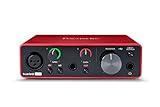


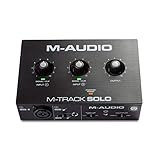
As an Amazon Associate I earn from qualifying purchases.
Prices and availability are accurate as of November 25, 2026 11:52 and are subject to change.
Introduction to Phantom Power Audio Interfaces
Phantom power audio interfaces are devices used in professional audio applications to provide power to condenser microphones and other equipment that require an external power source. These interfaces are designed to deliver a specific voltage, typically 48 volts, to the connected devices through the same XLR cable used for audio signal transmission.
The primary function of phantom power audio interfaces is to enable the use of condenser microphones, which are known for their high-quality sound and sensitivity. Without phantom power, these microphones would not be able to operate, as they rely on an external power source to function. Phantom power audio interfaces are commonly used in recording studios, live sound applications, and public speaking events.
In addition to providing power to condenser microphones, phantom power audio interfaces often include other features such as preamplifiers, analog-to-digital converters, and digital signal processing. These features allow for high-quality audio signal capture, processing, and transmission, making phantom power audio interfaces an essential component in many professional audio setups.
When selecting the best phantom power audio interfaces for a particular application, it is essential to consider factors such as the number of channels, signal-to-noise ratio, and compatibility with other equipment. By choosing one of the best phantom power audio interfaces, users can ensure reliable and high-quality audio performance, making it an crucial aspect of any professional audio setup, and a key factor in finding the best phantom power audio interfaces that meet their specific needs.
Top 5 Best Phantom Power Audio Interfaces
The
PreSonus AudioBox iTwo 181040
is a popular choice among musicians and producers due to its ease of use and high-quality audio conversion. This compact interface features two combo XLR/TRS inputs, each with its own gain control and phantom power switch. The AudioBox iTwo 181040 is also bus-powered, making it easy to take on the go and use with a laptop or mobile device. It’s compatible with both Mac and PC, and comes with PreSonus’ Studio One Prime DAW software, which provides a user-friendly interface for recording and editing audio.
In terms of sound quality, the PreSonus AudioBox iTwo 181040 delivers clear and detailed audio with a high signal-to-noise ratio. The phantom power feature is also reliable and easy to use, making it a great choice for recording with condenser microphones. Overall, the PreSonus AudioBox iTwo 181040 is a great value for its price, offering a range of features and high-quality audio conversion in a compact and portable package. Whether you’re a musician, producer, or podcaster, this interface is definitely worth considering. With its ease of use, high-quality audio, and phantom power capabilities, it’s a great choice for anyone looking to record high-quality audio.
The
Focusrite Scarlett 2i2 3rd Gen 941020
is a highly-regarded audio interface that offers high-quality audio conversion and a range of features. This interface features two combo XLR/TRS inputs, each with its own gain control and phantom power switch. The Scarlett 2i2 3rd Gen 941020 also includes a range of software plugins and effects, including Pro Tools First and Ableton Live Lite. It’s compatible with both Mac and PC, and is bus-powered, making it easy to take on the go and use with a laptop or mobile device.
In terms of sound quality, the Focusrite Scarlett 2i2 3rd Gen 941020 delivers clear and detailed audio with a high signal-to-noise ratio. The phantom power feature is also reliable and easy to use, making it a great choice for recording with condenser microphones. The interface also includes a range of features such as zero-latency monitoring and a headphone output, making it easy to record and monitor audio in real-time. Overall, the Focusrite Scarlett 2i2 3rd Gen 941020 is a great choice for anyone looking for a high-quality audio interface with a range of features and reliable phantom power.
The
Native Instruments Komplete Audio 1 100001
is a high-end audio interface that offers a range of features and high-quality audio conversion. This interface features two combo XLR/TRS inputs, each with its own gain control and phantom power switch. The Komplete Audio 1 100001 also includes a range of software plugins and effects, including Native Instruments’ Komplete software suite. It’s compatible with both Mac and PC, and is bus-powered, making it easy to take on the go and use with a laptop or mobile device.
In terms of sound quality, the Native Instruments Komplete Audio 1 100001 delivers clear and detailed audio with a high signal-to-noise ratio. The phantom power feature is also reliable and easy to use, making it a great choice for recording with condenser microphones. The interface also includes a range of features such as zero-latency monitoring and a headphone output, making it easy to record and monitor audio in real-time. Overall, the Native Instruments Komplete Audio 1 100001 is a great choice for anyone looking for a high-end audio interface with a range of features and reliable phantom power.
The
Universal Audio Apollo Twin X 109020
is a high-end audio interface that offers a range of features and high-quality audio conversion. This interface features two combo XLR/TRS inputs, each with its own gain control and phantom power switch. The Apollo Twin X 109020 also includes a range of software plugins and effects, including Universal Audio’s UAD software suite. It’s compatible with both Mac and PC, and is bus-powered, making it easy to take on the go and use with a laptop or mobile device.
In terms of sound quality, the Universal Audio Apollo Twin X 109020 delivers clear and detailed audio with a high signal-to-noise ratio. The phantom power feature is also reliable and easy to use, making it a great choice for recording with condenser microphones. The interface also includes a range of features such as zero-latency monitoring and a headphone output, making it easy to record and monitor audio in real-time. Overall, the Universal Audio Apollo Twin X 109020 is a great choice for anyone looking for a high-end audio interface with a range of features and reliable phantom power.
The
Steinberg UR-22C 423001
is a highly-regarded audio interface that offers high-quality audio conversion and a range of features. This interface features two combo XLR/TRS inputs, each with its own gain control and phantom power switch. The UR-22C 423001 also includes a range of software plugins and effects, including Steinberg’s Cubase software suite. It’s compatible with both Mac and PC, and is bus-powered, making it easy to take on the go and use with a laptop or mobile device.
In terms of sound quality, the Steinberg UR-22C 423001 delivers clear and detailed audio with a high signal-to-noise ratio. The phantom power feature is also reliable and easy to use, making it a great choice for recording with condenser microphones. The interface also includes a range of features such as zero-latency monitoring and a headphone output, making it easy to record and monitor audio in real-time. Overall, the Steinberg UR-22C 423001 is a great choice for anyone looking for a high-quality audio interface with a range of features and reliable phantom power. With its ease of use, high-quality audio, and phantom power capabilities, it’s a great choice for musicians, producers, and podcasters alike.
Why Invest in Phantom Power Audio Interfaces
Many musicians and audio engineers are familiar with the concept of phantom power, which is a DC voltage that is applied to a microphone or other device through an audio interface. This power is necessary for certain types of microphones, such as condenser microphones, to function properly. Without phantom power, these microphones would not be able to produce a signal, making them unusable. As a result, people who work with these types of microphones need to have access to phantom power in order to use them effectively.
In addition to powering microphones, phantom power audio interfaces also provide a number of other benefits. For example, they can help to improve the overall sound quality of a recording by reducing noise and hum. They can also provide a number of other features, such as preamps and EQ, that can help to enhance the sound of a microphone. This makes them a valuable tool for anyone who is serious about producing high-quality audio.
For those who are in the market for a new audio interface, it is worth considering the best phantom power audio interfaces available. These interfaces are designed to provide a high level of quality and reliability, making them a good choice for professionals and hobbyists alike. They are also often highly versatile, providing a range of features and options that can be used to customize the sound of a microphone or other device.
Overall, phantom power audio interfaces are an essential tool for anyone who works with microphones or other devices that require phantom power. They provide a number of benefits, including improved sound quality and increased versatility, making them a valuable investment for anyone who is serious about producing high-quality audio. By providing a reliable source of phantom power, these interfaces can help to ensure that microphones and other devices are able to function properly, resulting in better sounding recordings and live performances.
Types of Phantom Power Audio Interfaces
Phantom power audio interfaces are available in various types, each catering to different needs and applications. The most common types include USB, FireWire, and Thunderbolt interfaces. USB interfaces are the most widely used, offering a plug-and-play experience and compatibility with most computers. FireWire interfaces, on the other hand, provide faster data transfer rates and are often preferred by professional audio engineers. Thunderbolt interfaces offer the fastest data transfer rates, making them ideal for high-end audio applications.
When choosing a phantom power audio interface, it’s essential to consider the type of connection that suits your needs. If you’re a musician or producer who works on a laptop, a USB interface might be the most convenient option. However, if you’re working in a professional recording studio, a FireWire or Thunderbolt interface might be more suitable. It’s also important to consider the number of channels and inputs you require, as well as the quality of the preamps and converters.
In addition to the type of connection, phantom power audio interfaces also vary in terms of their size and portability. Compact interfaces are ideal for musicians who need to record on the go, while larger interfaces are often preferred by recording studios that require multiple channels and inputs. Some interfaces also come with built-in effects and processing capabilities, which can be useful for producers and engineers who want to enhance their recordings.
The type of phantom power audio interface you choose will ultimately depend on your specific needs and requirements. By considering the type of connection, size, and features you need, you can find an interface that meets your needs and helps you achieve high-quality recordings. Whether you’re a musician, producer, or audio engineer, there’s a phantom power audio interface out there that’s right for you.
Benefits of Using Phantom Power Audio Interfaces
Phantom power audio interfaces offer a range of benefits that make them an essential tool for musicians, producers, and audio engineers. One of the primary benefits is the ability to power condenser microphones, which require an external power source to operate. Phantom power interfaces provide this power, allowing you to use high-quality condenser microphones in your recordings.
Another benefit of phantom power audio interfaces is the improved sound quality they offer. By providing a clean and stable power source, phantom power interfaces help to reduce noise and interference in your recordings. This results in a clearer and more detailed sound that’s essential for professional-sounding recordings. Additionally, phantom power interfaces often come with high-quality preamps and converters, which further enhance the sound quality of your recordings.
Phantom power audio interfaces also offer greater flexibility and convenience than traditional recording methods. With a phantom power interface, you can record high-quality audio directly to your computer, eliminating the need for external preamps and mixers. This makes it easier to record and produce music, and also saves space and reduces clutter in your recording setup.
In addition to the technical benefits, phantom power audio interfaces also offer creative benefits. By providing a reliable and high-quality power source, phantom power interfaces allow you to focus on your music and creativity, rather than worrying about technical issues. This can help to inspire and motivate you, and can also help you to produce better music and recordings.
Phantom Power Audio Interface Connectivity Options
Phantom power audio interfaces offer a range of connectivity options that make it easy to connect your microphones, instruments, and other gear. The most common connectivity options include XLR, TRS, and MIDI. XLR connectors are typically used for microphones, while TRS connectors are often used for instruments and line-level signals. MIDI connectors, on the other hand, allow you to connect your interface to MIDI devices such as keyboards and synthesizers.
In addition to these standard connectivity options, some phantom power audio interfaces also offer additional connectors such as ADAT, S/PDIF, and Word Clock. These connectors allow you to expand your interface and connect it to other devices, such as external preamps and effects processors. This can be useful for professional audio engineers who need to create complex recording setups.
When choosing a phantom power audio interface, it’s essential to consider the connectivity options you need. If you’re a musician who only needs to record vocals and guitar, a simple interface with XLR and TRS connectors might be sufficient. However, if you’re a producer or audio engineer who needs to record multiple instruments and create complex mixes, you may need an interface with more advanced connectivity options.
The connectivity options on your phantom power audio interface can also affect the sound quality of your recordings. For example, using high-quality XLR cables and connectors can help to reduce noise and interference, resulting in a clearer and more detailed sound. By choosing an interface with the right connectivity options for your needs, you can create high-quality recordings that sound professional and polished.
Phantom Power Audio Interface Compatibility and System Requirements
Phantom power audio interfaces are designed to be compatible with a range of computers and operating systems. The most common operating systems supported by phantom power interfaces include Windows, Mac, and iOS. When choosing an interface, it’s essential to check the system requirements to ensure that it’s compatible with your computer and operating system.
In addition to operating system compatibility, phantom power audio interfaces also have specific system requirements that must be met. These requirements typically include a minimum processor speed, RAM, and USB or FireWire version. By meeting these system requirements, you can ensure that your interface works smoothly and efficiently, and that you can achieve high-quality recordings.
Some phantom power audio interfaces also come with software and drivers that must be installed on your computer. These software and drivers allow you to configure and control your interface, and also provide additional features such as effects and processing capabilities. When choosing an interface, it’s essential to check the software and driver requirements to ensure that they’re compatible with your computer and operating system.
By choosing a phantom power audio interface that’s compatible with your computer and meets the system requirements, you can create high-quality recordings and enjoy a smooth and efficient recording experience. Whether you’re a musician, producer, or audio engineer, a compatible interface is essential for achieving professional-sounding recordings and realizing your creative vision.
Buying Guide for Selecting the Ideal Phantom Power Audio Interface
When it comes to recording high-quality audio, having the right equipment is crucial. One essential component of a recording setup is an audio interface, which connects microphones and instruments to a computer. For many microphones, phantom power is necessary to operate, making a phantom power audio interface a vital piece of equipment. In this guide, we will explore the key factors to consider when selecting an audio interface that meets your needs.
Number of Channels and Inputs
The number of channels and inputs available on an audio interface is a critical factor to consider. If you plan to record multiple instruments or vocals at the same time, you will need an interface with enough channels to accommodate them. Some audio interfaces have as few as two channels, while others have eight or more. Consider the types of recordings you plan to make and choose an interface that can handle the number of inputs you need. Additionally, think about the types of inputs you require, such as XLR, TRS, or MIDI, and ensure the interface has the right combination of inputs to meet your needs.
When choosing an audio interface, it’s essential to consider the number of channels and inputs in relation to your specific recording needs. For example, if you’re a solo artist who only records vocals and guitar, a two-channel interface may be sufficient. However, if you’re a producer who works with full bands, you’ll need an interface with more channels to accommodate the additional instruments. By considering your specific needs, you can choose an interface that provides the right number of channels and inputs for your recordings.
Phantom Power Capability
Phantom power is a critical feature for many microphones, and it’s essential to choose an audio interface that can provide sufficient phantom power to your microphones. Most audio interfaces provide 48V phantom power, which is the standard voltage required by most condenser microphones. However, some interfaces may provide lower voltages, such as 24V, which may not be sufficient for all microphones. Consider the types of microphones you plan to use and ensure the interface can provide the necessary phantom power. Additionally, think about the number of microphones you plan to use at the same time and choose an interface that can provide phantom power to all of them.
When evaluating the phantom power capability of an audio interface, it’s also important to consider the interface’s power supply and whether it can handle the power requirements of your microphones. Some interfaces may have a limited power supply, which can result in reduced phantom power or even damage to the interface. By choosing an interface with a sufficient power supply, you can ensure that your microphones receive the power they need to operate correctly. This is particularly important when using the best phantom power audio interfaces, as they often require a reliable power supply to function correctly.
Audio Quality and Resolution
The audio quality and resolution of an audio interface are critical factors to consider. The resolution of an audio interface refers to the number of bits it uses to represent audio signals, with higher resolutions resulting in higher quality audio. Most audio interfaces have a resolution of 24 bits, but some may have higher or lower resolutions. Consider the types of recordings you plan to make and choose an interface that provides the necessary resolution. Additionally, think about the sample rate of the interface, which refers to the number of times per second it captures audio signals. Common sample rates include 44.1 kHz, 48 kHz, and 96 kHz.
When evaluating the audio quality and resolution of an audio interface, it’s also important to consider the interface’s analog-to-digital converters (ADCs) and digital-to-analog converters (DACs). These converters are responsible for converting audio signals between analog and digital formats, and their quality can significantly impact the overall audio quality. Look for interfaces with high-quality ADCs and DACs, such as those from reputable manufacturers like Burr-Brown or Cirrus Logic. By choosing an interface with high-quality converters, you can ensure that your recordings sound clear and detailed, with minimal distortion or noise.
Connectivity and Compatibility
The connectivity and compatibility of an audio interface are essential factors to consider. Consider the types of devices you plan to connect to the interface, such as computers, monitors, and headphones, and ensure the interface has the necessary connectors. Common connectors include USB, Thunderbolt, and MIDI, as well as analog connectors like XLR and TRS. Additionally, think about the compatibility of the interface with your computer and recording software. Some interfaces may be designed specifically for use with certain software or operating systems, so it’s essential to choose an interface that is compatible with your setup.
When evaluating the connectivity and compatibility of an audio interface, it’s also important to consider the interface’s drivers and software. The drivers are responsible for communicating between the interface and your computer, and their quality can significantly impact the interface’s performance. Look for interfaces with well-designed drivers that are easy to install and provide reliable performance. Additionally, consider the interface’s software bundle, which may include recording software, plug-ins, and other tools. By choosing an interface with a comprehensive software bundle, you can get started with recording right away and take advantage of a range of creative tools and effects.
Build Quality and Durability
The build quality and durability of an audio interface are critical factors to consider. A well-built interface can withstand the rigors of frequent use and provide reliable performance over time. Consider the materials used to construct the interface, such as metal or plastic, and look for interfaces with a solid, sturdy design. Additionally, think about the interface’s controls and connectors, which should be robust and easy to use. A durable interface can provide years of reliable service, making it a worthwhile investment for any recording setup.
When evaluating the build quality and durability of an audio interface, it’s also important to consider the interface’s warranty and support. A reputable manufacturer should provide a comprehensive warranty that covers parts and labor for a reasonable period. Additionally, look for manufacturers that offer reliable support, including online resources, phone support, and email support. By choosing an interface from a manufacturer with a reputation for building high-quality products, you can ensure that your interface will provide reliable performance and withstand the demands of frequent use.
Price and Value
The price and value of an audio interface are essential factors to consider. Audio interfaces can range in price from a few hundred to several thousand dollars, depending on the features and quality. Consider your budget and choose an interface that provides the necessary features and quality at a price you can afford. Additionally, think about the value of the interface, which refers to the benefits it provides relative to its cost. A high-value interface may offer advanced features, high-quality audio, and reliable performance at a reasonable price.
When evaluating the price and value of an audio interface, it’s also important to consider the interface’s overall cost of ownership. This includes not only the initial purchase price but also any ongoing costs, such as maintenance, repairs, and upgrades. By choosing an interface that is well-built and reliable, you can minimize ongoing costs and ensure that your interface provides years of trouble-free service. Additionally, consider the interface’s resale value, which can be an important factor if you plan to upgrade or sell your interface in the future. By choosing a high-quality interface from a reputable manufacturer, you can ensure that your interface retains its value over time.
FAQ
What is phantom power and why is it important in audio interfaces?
Phantom power is a DC voltage that is applied to microphone cables to power condenser microphones and other active devices. It is called “phantom” because it is applied to the same wires that carry the audio signal, and it does not require a separate power supply. This makes it very convenient to use condenser microphones with audio interfaces, as they do not require an external power source.
The importance of phantom power in audio interfaces cannot be overstated. Many condenser microphones, which are known for their high sound quality, require phantom power to operate. Without phantom power, these microphones would not be able to function, and the user would be limited to using dynamic microphones, which may not provide the same level of sound quality. Therefore, when choosing an audio interface, it is essential to consider whether it has phantom power capabilities, especially if you plan to use condenser microphones.
How do I know if my microphone requires phantom power?
To determine if your microphone requires phantom power, you should check the manufacturer’s specifications or the microphone’s user manual. Condenser microphones typically require phantom power, while dynamic microphones do not. Some microphones may also have a switch or button that allows you to turn phantom power on or off, so it’s essential to check the microphone’s settings as well.
If you’re still unsure, you can also look for the following signs: condenser microphones usually have a higher output level and a more detailed sound than dynamic microphones. They also tend to be more sensitive and may pick up more background noise. If your microphone has these characteristics, it likely requires phantom power. Additionally, if you’re using a microphone with an audio interface and you’re not getting any signal, it’s possible that the microphone requires phantom power, which is not being supplied by the interface.
Can I use a microphone that requires phantom power with an audio interface that does not have phantom power capabilities?
Unfortunately, it is not possible to use a microphone that requires phantom power with an audio interface that does not have phantom power capabilities. The microphone will not be able to function properly without the necessary power, and you will not be able to get a signal from it. In this case, you would need to either use a different microphone that does not require phantom power or use an external phantom power supply.
However, there are some workarounds that you can consider. For example, you could use an external phantom power supply, which is a separate device that provides the necessary power to the microphone. These devices are usually relatively inexpensive and can be a good solution if you only need to power one or two microphones. Alternatively, you could consider using a different audio interface that does have phantom power capabilities, which would allow you to use your condenser microphone without any issues.
How many channels of phantom power do I need in an audio interface?
The number of channels of phantom power you need in an audio interface depends on the number of microphones you plan to use at the same time. If you’re a solo artist or a podcaster, you may only need one or two channels of phantom power. However, if you’re a musician who records with a band or an engineer who works with multiple vocalists, you may need more channels of phantom power.
It’s essential to consider your current and future needs when choosing an audio interface. If you think you may need to record with multiple microphones in the future, it’s better to choose an interface with more channels of phantom power, even if you don’t need them all right now. Additionally, some audio interfaces may have switchable phantom power, which allows you to turn it on or off for each channel individually. This can be a useful feature if you need to use a mix of condenser and dynamic microphones.
Can I damage my equipment by using phantom power incorrectly?
Yes, it is possible to damage your equipment by using phantom power incorrectly. If you apply phantom power to a microphone or device that does not require it, you can damage the equipment’s internal components. This is especially true for ribbon microphones, which can be damaged by even a small amount of phantom power.
To avoid damaging your equipment, it’s essential to follow the manufacturer’s instructions and take necessary precautions when using phantom power. Always check the microphone’s specifications to ensure that it requires phantom power, and make sure to turn it off when you’re not using it. Additionally, some audio interfaces may have a “phantom power” switch or button that allows you to turn it on or off for each channel individually. Be sure to use this feature to avoid applying phantom power to microphones or devices that do not require it.
Are there any differences in phantom power quality between audio interfaces?
Yes, there can be differences in phantom power quality between audio interfaces. Some audio interfaces may provide a more stable and consistent phantom power supply, which can result in better sound quality and reduced noise. Other interfaces may have a more variable phantom power supply, which can affect the performance of your microphones.
The quality of the phantom power supply can depend on various factors, including the design of the audio interface, the quality of the components used, and the power supply itself. Some high-end audio interfaces may use more advanced power supply designs, such as linear power supplies, which can provide a more stable and consistent phantom power supply. In contrast, some lower-end interfaces may use simpler power supply designs, which can result in a more variable phantom power supply.
How much should I expect to pay for an audio interface with phantom power capabilities?
The price of an audio interface with phantom power capabilities can vary widely, depending on the number of channels, the quality of the components, and the features offered. Entry-level audio interfaces with phantom power capabilities can start at around $100-$200, while mid-range interfaces can cost between $500-$1000. High-end audio interfaces with advanced features and high-quality components can cost $1000-$2000 or more.
When choosing an audio interface, it’s essential to consider your budget and your specific needs. If you’re a solo artist or a podcaster, you may not need a high-end audio interface with multiple channels of phantom power. In this case, a more affordable entry-level or mid-range interface may be sufficient. However, if you’re a musician or an engineer who works with multiple microphones, you may need a higher-end interface with more channels of phantom power and advanced features.
Final Thoughts
In the world of audio production, having the right equipment can make all the difference in capturing high-quality sound. A good audio interface is essential for any musician, producer, or sound engineer, and one of the key features to look for is phantom power. This feature allows for the use of condenser microphones, which are known for their clarity and precision. With so many options available on the market, it can be overwhelming to choose the right one. However, by considering factors such as connectivity, compatibility, and durability, you can find an audio interface that meets your needs and helps you achieve professional-sounding results.
When it comes to selecting the best equipment for your audio needs, investing in one of the best phantom power audio interfaces is a crucial decision. By choosing a high-quality audio interface with phantom power, you can unlock a world of creative possibilities and take your sound to the next level. Whether you’re recording vocals, instruments, or live performances, a reliable and feature-rich audio interface is the foundation of a successful production. With the right interface, you can focus on what matters most – creating great music and delivering exceptional sound quality.