When it comes to outdoor adventures, having a reliable and dry shelter is essential for a comfortable and enjoyable experience. Whether you’re a seasoned camper or just starting out, a good tent is a crucial piece of gear that can make all the difference. However, even the best-made tents can be vulnerable to the elements, and a sudden downpour can quickly turn a fun trip into a miserable one. This is where waterproofing comes in – a vital step in ensuring that your tent remains dry and secure, no matter the weather conditions.
For those in the market for a solution to keep their tent dry, finding the best waterproofing for tents can be a daunting task, given the numerous options available. With so many different types of waterproofing products on the market, each with its own unique features and benefits, it can be difficult to know where to start. From sprays and coatings to sealants and treatments, the choices can be overwhelming, and it’s easy to end up with a product that doesn’t quite live up to your expectations. In this article, we’ll take a closer look at the different options available, and provide you with the information you need to make an informed decision and keep your tent dry and comfortable, no matter the weather.
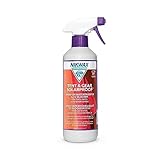
Before we get to our review of the best waterproofing for tents, let’s browse through some relevant products on Amazon:




As an Amazon Associate I earn from qualifying purchases.
Prices and availability are accurate as of November 26, 2026 15:44 and are subject to change.
Introduction to Waterproofing for Tents
Waterproofing for tents is a crucial aspect of outdoor gear that ensures a dry and comfortable camping experience. It involves the application of specialized coatings or treatments to the tent’s fabric, seams, and other vulnerable areas to prevent water penetration. This process is essential for maintaining the structural integrity and overall performance of the tent, especially in wet and windy conditions.
The concept of waterproofing for tents has been around for decades, with various methods and materials being developed over the years. From traditional wax-based coatings to modern silicone-based treatments, the technology has evolved significantly to provide more effective and durable solutions. Today, tent manufacturers and outdoor enthusiasts can choose from a wide range of waterproofing products and techniques to suit their specific needs and preferences.
When it comes to selecting the best waterproofing for tents, several factors come into play. These include the type of fabric used, the intended use of the tent, and the environmental conditions it will be exposed to. For instance, a tent designed for backpacking in rainy conditions may require a more aggressive waterproofing treatment than one used for casual car camping. By considering these factors and choosing the right waterproofing solution, campers can enjoy a dry and comfortable camping experience, even in the most challenging weather conditions.
In the quest for the best waterproofing for tents, outdoor enthusiasts and manufacturers alike are continually seeking innovative solutions that balance performance, durability, and sustainability. By understanding the principles and techniques of waterproofing, campers can make informed decisions when selecting and maintaining their tents, ensuring a safe and enjoyable outdoor experience. Whether you’re a seasoned camper or just starting out, finding the best waterproofing for tents is essential for getting the most out of your outdoor adventures.
Top 5 Best Waterproofing For Tents
The
1. Nikwax Tech Wash 1
is a highly effective waterproofing solution for tents. It is a wash-in treatment that can be applied directly to the fabric of the tent, and it works by restoring the water-repellent coating to the fabric. This treatment is ideal for use on nylon and polyester fabrics, and it is also safe to use on gear with waterproof and breathable membranes. The Nikwax Tech Wash 1 is easy to apply, and it dries quickly without leaving any residue behind.
The Nikwax Tech Wash 1 is a popular choice among outdoor enthusiasts because it is highly effective at repelling water and preventing the growth of mold and mildew. It is also environmentally friendly, as it is free from harmful chemicals and toxins. The treatment is long-lasting, and it can withstand repeated exposure to rain and snow without losing its effectiveness. Overall, the Nikwax Tech Wash 1 is a great choice for anyone looking to waterproof their tent and keep it in good condition.
The
2. Gear Aid ReviveX 2
is another highly effective waterproofing solution for tents. It is a spray-on treatment that can be applied to the fabric of the tent, and it works by creating a waterproof barrier that prevents water from penetrating the fabric. This treatment is ideal for use on nylon and polyester fabrics, and it is also safe to use on gear with waterproof and breathable membranes. The Gear Aid ReviveX 2 is easy to apply, and it dries quickly without leaving any residue behind.
The Gear Aid ReviveX 2 is a popular choice among outdoor enthusiasts because it is highly effective at repelling water and preventing the growth of mold and mildew. It is also environmentally friendly, as it is free from harmful chemicals and toxins. The treatment is long-lasting, and it can withstand repeated exposure to rain and snow without losing its effectiveness. Additionally, the Gear Aid ReviveX 2 is also UV-resistant, which helps to prevent the fabric from degrading over time. Overall, the Gear Aid ReviveX 2 is a great choice for anyone looking to waterproof their tent and keep it in good condition.
The
3. Scotchgard Outdoor Water Shield 3
is a highly effective waterproofing solution for tents. It is a spray-on treatment that can be applied to the fabric of the tent, and it works by creating a waterproof barrier that prevents water from penetrating the fabric. This treatment is ideal for use on nylon and polyester fabrics, and it is also safe to use on gear with waterproof and breathable membranes. The Scotchgard Outdoor Water Shield 3 is easy to apply, and it dries quickly without leaving any residue behind.
The Scotchgard Outdoor Water Shield 3 is a popular choice among outdoor enthusiasts because it is highly effective at repelling water and preventing the growth of mold and mildew. It is also environmentally friendly, as it is free from harmful chemicals and toxins. The treatment is long-lasting, and it can withstand repeated exposure to rain and snow without losing its effectiveness. Additionally, the Scotchgard Outdoor Water Shield 3 is also UV-resistant, which helps to prevent the fabric from degrading over time. Overall, the Scotchgard Outdoor Water Shield 3 is a great choice for anyone looking to waterproof their tent and keep it in good condition.
The
4. Kiwi Camp Dry 4
is a highly effective waterproofing solution for tents. It is a spray-on treatment that can be applied to the fabric of the tent, and it works by creating a waterproof barrier that prevents water from penetrating the fabric. This treatment is ideal for use on nylon and polyester fabrics, and it is also safe to use on gear with waterproof and breathable membranes. The Kiwi Camp Dry 4 is easy to apply, and it dries quickly without leaving any residue behind.
The Kiwi Camp Dry 4 is a popular choice among outdoor enthusiasts because it is highly effective at repelling water and preventing the growth of mold and mildew. It is also environmentally friendly, as it is free from harmful chemicals and toxins. The treatment is long-lasting, and it can withstand repeated exposure to rain and snow without losing its effectiveness. Additionally, the Kiwi Camp Dry 4 is also UV-resistant, which helps to prevent the fabric from degrading over time. Overall, the Kiwi Camp Dry 4 is a great choice for anyone looking to waterproof their tent and keep it in good condition.
The
5. Granger’s Performance Repel 5
is a highly effective waterproofing solution for tents. It is a spray-on treatment that can be applied to the fabric of the tent, and it works by creating a waterproof barrier that prevents water from penetrating the fabric. This treatment is ideal for use on nylon and polyester fabrics, and it is also safe to use on gear with waterproof and breathable membranes. The Granger’s Performance Repel 5 is easy to apply, and it dries quickly without leaving any residue behind.
The Granger’s Performance Repel 5 is a popular choice among outdoor enthusiasts because it is highly effective at repelling water and preventing the growth of mold and mildew. It is also environmentally friendly, as it is free from harmful chemicals and toxins. The treatment is long-lasting, and it can withstand repeated exposure to rain and snow without losing its effectiveness. Additionally, the Granger’s Performance Repel 5 is also UV-resistant, which helps to prevent the fabric from degrading over time. Overall, the Granger’s Performance Repel 5 is a great choice for anyone looking to waterproof their tent and keep it in good condition.
Importance of Waterproofing for Tents
Waterproofing is a crucial aspect of tent maintenance, and it’s essential for anyone who spends time outdoors. Whether you’re a casual camper or a seasoned adventurer, a waterproof tent is vital for keeping you dry and comfortable in wet conditions. Without proper waterproofing, your tent can become a leaky, soggy mess, ruining your outdoor experience. Water can seep into the fabric, causing it to deteriorate and lose its insulation properties, making it difficult to stay warm and dry.
When you’re out in the wilderness, the last thing you want to worry about is a leaky tent. Not only can it be uncomfortable, but it can also be dangerous. Exposure to the elements can lead to hypothermia, and in extreme cases, it can be life-threatening. By investing in a good waterproofing solution, you can ensure that your tent remains dry and secure, even in the most challenging weather conditions. This is especially important for people who camp in areas with high rainfall or snowfall, as a waterproof tent can be a lifesaver.
In addition to keeping you dry, waterproofing also helps to extend the life of your tent. When fabric is exposed to water, it can start to break down and deteriorate, leading to tears and holes. By applying a waterproof coating, you can prevent this from happening and ensure that your tent remains in good condition for years to come. This can save you money in the long run, as you won’t need to replace your tent as frequently. Furthermore, a waterproof tent is also more resistant to mold and mildew, which can be a major problem in damp environments.
If you’re in the market for a new tent or want to upgrade your existing one, it’s essential to look for the best waterproofing for tents. This can be a coating, a spray, or a treatment that you apply to the fabric to make it more resistant to water. By investing in a good waterproofing solution, you can ensure that your tent remains dry and secure, even in the most challenging weather conditions. With a waterproof tent, you can enjoy the great outdoors with confidence, knowing that you’re protected from the elements. Whether you’re camping, hiking, or just enjoying a night under the stars, a waterproof tent is an essential piece of gear that can make all the difference.
Types of Waterproofing for Tents
Waterproofing for tents comes in various forms, including sprays, liquids, and wipes. Each type has its own unique characteristics and benefits. For instance, waterproofing sprays are easy to apply and provide a quick fix, while liquids offer a more permanent solution. Waterproofing wipes, on the other hand, are convenient and portable, making them ideal for camping trips. When choosing a waterproofing method, it’s essential to consider the type of fabric your tent is made of, as well as the level of waterproofing required.
The most common type of waterproofing for tents is silicone-based. This type of waterproofing is highly effective and provides long-lasting protection against water and moisture. However, it can be heavy and may affect the breathability of the fabric. Another popular option is fluoropolymer-based waterproofing, which is lightweight and breathable, making it ideal for tents that require maximum ventilation. Additionally, some waterproofing products are specifically designed for certain types of fabric, such as nylon or polyester.
When applying waterproofing to your tent, it’s crucial to follow the manufacturer’s instructions carefully. This will ensure that the product is applied correctly and evenly, providing maximum protection. It’s also important to test a small area of the fabric first to ensure that the waterproofing product doesn’t damage the material. By choosing the right type of waterproofing and applying it correctly, you can extend the life of your tent and keep it dry and comfortable in wet conditions.
In addition to the type of waterproofing, it’s also important to consider the environmental factors that may affect your tent. For example, if you plan to camp in areas with high humidity or exposure to saltwater, you may need to choose a waterproofing product that is specifically designed to withstand these conditions. By taking the time to research and choose the right waterproofing product, you can enjoy a dry and comfortable camping experience, regardless of the weather.
Benefits of Waterproofing Your Tent
Waterproofing your tent provides numerous benefits, including protection against water and moisture, reduced risk of mold and mildew, and extended lifespan of the tent. By keeping your tent dry, you can prevent the growth of mold and mildew, which can cause unpleasant odors and damage the fabric. Additionally, waterproofing your tent can help to reduce the risk of water spots and stains, keeping your tent looking its best.
Another significant benefit of waterproofing your tent is that it can help to improve its overall performance. By preventing water from seeping into the fabric, you can ensure that your tent remains stable and secure, even in strong winds and heavy rainfall. This can provide peace of mind and help to ensure a safe and enjoyable camping experience. Furthermore, waterproofing your tent can also help to reduce the risk of damage from UV rays, which can cause the fabric to degrade over time.
In addition to the practical benefits, waterproofing your tent can also provide psychological benefits. By knowing that your tent is protected against the elements, you can enjoy a more relaxing and stress-free camping experience. You can focus on enjoying the great outdoors, rather than worrying about the weather. Moreover, a waterproof tent can provide a sense of security and comfort, allowing you to enjoy a good night’s sleep, even in wet and windy conditions.
By investing in a good waterproofing product, you can enjoy a dry and comfortable camping experience, while also extending the life of your tent. Whether you’re a seasoned camper or just starting out, waterproofing your tent is an essential step in ensuring a safe and enjoyable outdoor adventure. With so many benefits to offer, it’s no wonder that waterproofing has become an essential part of tent maintenance.
How to Apply Waterproofing to Your Tent
Applying waterproofing to your tent can seem like a daunting task, but it’s actually quite straightforward. The first step is to clean the tent thoroughly, removing any dirt, dust, or debris that may be present. This will ensure that the waterproofing product adheres evenly and provides maximum protection. Next, you’ll need to choose the right waterproofing product for your tent, taking into account the type of fabric and the level of waterproofing required.
Once you’ve chosen your waterproofing product, it’s time to apply it to the tent. This can be done using a spray, liquid, or wipe, depending on the product you’ve chosen. Be sure to follow the manufacturer’s instructions carefully, as this will ensure that the product is applied correctly and evenly. It’s also important to test a small area of the fabric first, to ensure that the waterproofing product doesn’t damage the material.
When applying waterproofing to your tent, it’s essential to pay attention to the seams and stitching, as these areas are most prone to water ingress. Use a small brush or cloth to apply the waterproofing product to these areas, making sure to cover them thoroughly. Additionally, be sure to apply the waterproofing product to the entire surface of the tent, including the floor and walls, to provide maximum protection.
By following these simple steps, you can apply waterproofing to your tent and enjoy a dry and comfortable camping experience. Remember to reapply the waterproofing product regularly, as this will help to maintain the tent’s water resistance and extend its lifespan. With the right waterproofing product and a little practice, you can keep your tent dry and comfortable, even in the wettest conditions.
Common Mistakes to Avoid When Waterproofing Your Tent
When it comes to waterproofing your tent, there are several common mistakes to avoid. One of the most significant mistakes is using the wrong type of waterproofing product for your tent. This can result in the product not adhering properly, or worse, damaging the fabric. To avoid this, be sure to choose a waterproofing product that is specifically designed for your type of tent fabric.
Another common mistake is not following the manufacturer’s instructions carefully. This can result in the waterproofing product being applied unevenly, or not at all. Be sure to read the instructions carefully and follow them to the letter, to ensure that the product is applied correctly. Additionally, be sure to test a small area of the fabric first, to ensure that the waterproofing product doesn’t damage the material.
Not reapplying the waterproofing product regularly is another common mistake. This can result in the tent’s water resistance being compromised, allowing water to seep in and cause damage. To avoid this, be sure to reapply the waterproofing product regularly, according to the manufacturer’s instructions. By doing so, you can maintain the tent’s water resistance and extend its lifespan.
By avoiding these common mistakes, you can ensure that your tent remains dry and comfortable, even in the wettest conditions. Remember to choose the right waterproofing product, follow the manufacturer’s instructions carefully, and reapply the product regularly, to enjoy a safe and enjoyable camping experience. With a little practice and patience, you can keep your tent dry and comfortable, and enjoy the great outdoors with confidence.
Buying Guide for Waterproofing Your Tent: Essential Factors to Consider
When it comes to camping, having a reliable and waterproof tent is crucial for a comfortable and enjoyable experience. A good waterproofing solution can make all the difference in keeping you dry and protected from the elements. With so many options available in the market, choosing the right waterproofing for your tent can be overwhelming. In this guide, we will discuss the key factors to consider when buying a waterproofing solution for your tent.
Water Resistance and Breathability
Water resistance and breathability are two essential factors to consider when buying a waterproofing solution for your tent. A good waterproofing solution should be able to withstand heavy rainfall and prevent water from seeping into the tent. At the same time, it should also allow for breathability, which means that it should be able to release moisture and prevent condensation from building up inside the tent. This is especially important in humid or cold weather conditions, where condensation can be a major problem.
The water resistance and breathability of a waterproofing solution are usually measured by its waterproof rating, which is expressed in millimeters (mm). A higher waterproof rating indicates that the solution is more resistant to water. For example, a solution with a waterproof rating of 10,000mm can withstand a column of water 10,000mm high before it starts to leak. When choosing a waterproofing solution, look for one with a high waterproof rating and good breathability to ensure that your tent remains dry and comfortable.
Durability and Longevity
The durability and longevity of a waterproofing solution are also important factors to consider. A good waterproofing solution should be able to withstand the elements and last for a long time without breaking down or losing its effectiveness. Look for a solution that is made with high-quality materials and has a reputation for being durable and long-lasting. Some waterproofing solutions may be more prone to cracking or peeling over time, which can compromise their effectiveness.
When evaluating the durability and longevity of a waterproofing solution, consider the type of material it is made of and how it is applied. Some solutions may be more durable than others, depending on the type of material and the application process. For example, a solution that is applied as a coating may be more prone to wear and tear than one that is integrated into the fabric of the tent. Look for a solution that is designed to be durable and long-lasting, and that has a reputation for withstanding the elements.
Ease of Application
The ease of application is another important factor to consider when buying a waterproofing solution for your tent. Some solutions may be easier to apply than others, depending on the type of material and the application process. Look for a solution that is easy to apply and requires minimal effort and expertise. Some solutions may require specialized equipment or training, which can be a hassle and add to the overall cost.
When evaluating the ease of application, consider the type of material and the application process. Some solutions may be applied as a spray or a coating, while others may require a more complex process. Look for a solution that is easy to apply and requires minimal effort and expertise. For example, a solution that can be applied as a spray may be easier to use than one that requires a complex process. Consider the time and effort required to apply the solution, as well as any specialized equipment or training that may be needed.
Compatibility with Tent Fabric
The compatibility of a waterproofing solution with the tent fabric is also an important factor to consider. Different types of tent fabric may require different types of waterproofing solutions, and some solutions may not be compatible with certain types of fabric. Look for a solution that is specifically designed for use with your type of tent fabric, and that is compatible with the fabric’s material and weave.
When evaluating the compatibility of a waterproofing solution with your tent fabric, consider the type of fabric and the solution’s material and composition. Some solutions may be more compatible with certain types of fabric than others, depending on the material and composition. For example, a solution that is designed for use with nylon fabric may not be compatible with polyester fabric. Look for a solution that is specifically designed for use with your type of tent fabric, and that has a reputation for being compatible and effective.
UV Resistance and Stability
The UV resistance and stability of a waterproofing solution are also important factors to consider. A good waterproofing solution should be able to withstand exposure to sunlight and UV radiation, which can cause it to break down and lose its effectiveness over time. Look for a solution that is designed to be UV-resistant and stable, and that has a reputation for withstanding the elements.
When evaluating the UV resistance and stability of a waterproofing solution, consider the type of material and the solution’s composition. Some solutions may be more prone to degradation from UV radiation than others, depending on the material and composition. For example, a solution that is made with UV-resistant materials may be more stable and effective over time than one that is not. Look for a solution that is designed to be UV-resistant and stable, and that has a reputation for withstanding the elements. This is especially important if you plan to use your tent in sunny or high-altitude conditions.
Price and Value
The price and value of a waterproofing solution are also important factors to consider. A good waterproofing solution should be affordable and provide good value for the price. Look for a solution that is priced competitively and that has a reputation for being effective and long-lasting. Some solutions may be more expensive than others, depending on the type of material and the application process. However, a more expensive solution may not always be the best value, depending on the specific needs and requirements of your tent.
When evaluating the price and value of a waterproofing solution, consider the cost per use and the overall effectiveness of the solution. Look for a solution that is priced competitively and that has a reputation for being effective and long-lasting. For example, a solution that is priced at $20 and lasts for 5 years may be a better value than one that is priced at $10 and only lasts for 1 year. Consider the best waterproofing for tents and the specific needs and requirements of your tent, as well as the cost per use and the overall effectiveness of the solution. By considering these factors, you can make an informed decision and choose a waterproofing solution that meets your needs and provides good value for the price.
FAQ
What is the purpose of waterproofing a tent?
Waterproofing a tent is essential to ensure that it remains dry and comfortable during outdoor activities, especially in rainy or wet conditions. A waterproof tent can provide a safe and cozy shelter, protecting its occupants from the elements. This is particularly important for campers, hikers, and backpackers who spend extended periods outdoors.
The purpose of waterproofing a tent is to prevent water from seeping into the fabric, which can lead to a range of problems, including mold, mildew, and structural damage. By applying a waterproof coating or treatment, tent owners can extend the life of their tent and ensure that it remains functional and comfortable for years to come. Additionally, waterproofing a tent can also help to reduce the risk of waterborne illnesses and improve the overall camping experience.
How do I choose the best waterproofing for my tent?
Choosing the best waterproofing for a tent depends on several factors, including the type of fabric, the intended use, and the climate. Tent owners should consider the type of waterproofing that is compatible with their tent’s fabric, as well as the level of waterproofing required. For example, a tent that will be used in heavy rain or snow may require a more durable and water-resistant coating than one that will be used in dry conditions.
When selecting a waterproofing product, tent owners should also consider the ease of application, the durability of the coating, and the environmental impact. Some waterproofing products may be easier to apply than others, while some may be more durable or long-lasting. Additionally, some products may be more environmentally friendly than others, which is an important consideration for outdoor enthusiasts who value sustainability. By considering these factors, tent owners can choose the best waterproofing for their tent and ensure that it remains functional and comfortable for years to come.
What are the different types of waterproofing for tents?
There are several types of waterproofing for tents, including silicone-based coatings, polyurethane-based coatings, and wax-based treatments. Each type of waterproofing has its own advantages and disadvantages, and the best type for a particular tent will depend on the fabric, the intended use, and the climate. Silicone-based coatings, for example, are known for their durability and water-resistance, while polyurethane-based coatings are known for their flexibility and breathability.
The choice of waterproofing type will also depend on the level of waterproofing required, as well as the desired level of durability and maintenance. Some waterproofing products may require periodic reapplication, while others may be more long-lasting. Additionally, some products may be more suitable for certain types of fabric, such as nylon or polyester, while others may be more suitable for cotton or canvas. By understanding the different types of waterproofing and their characteristics, tent owners can make an informed decision and choose the best product for their needs.
How do I apply waterproofing to my tent?
Applying waterproofing to a tent can be a straightforward process, but it requires some care and attention to detail. The first step is to clean the tent thoroughly, removing any dirt, grime, or mildew that may be present. This will ensure that the waterproofing product adheres evenly and effectively to the fabric. The next step is to apply the waterproofing product, following the manufacturer’s instructions for application and drying times.
The application process may vary depending on the type of waterproofing product being used. Some products may be applied using a spray or brush, while others may be applied using a sponge or cloth. It’s also important to ensure that the product is applied evenly and consistently, avoiding any areas that may be prone to wear or tear. After application, the tent should be allowed to dry completely, either by air drying or using a low-heat setting on a clothes dryer. This will help to ensure that the waterproofing product is fully effective and long-lasting.
Can I use waterproofing on a new tent?
Yes, it is possible to use waterproofing on a new tent, and in fact, it’s often recommended. Many new tents come with a waterproof coating or treatment, but this may not be sufficient to provide long-term protection. Applying an additional layer of waterproofing can help to extend the life of the tent and ensure that it remains functional and comfortable for years to come.
However, before applying waterproofing to a new tent, it’s essential to check the manufacturer’s instructions and recommendations. Some manufacturers may recommend against applying additional waterproofing, as this can affect the warranty or void the manufacturer’s guarantee. Additionally, some waterproofing products may not be compatible with the tent’s fabric or coating, so it’s essential to choose a product that is specifically designed for use on new tents. By applying waterproofing to a new tent, owners can help to protect their investment and ensure that their tent remains functional and comfortable for years to come.
How long does waterproofing last on a tent?
The length of time that waterproofing lasts on a tent can vary depending on several factors, including the type of waterproofing product used, the quality of the application, and the level of use and maintenance. Generally, a well-applied waterproofing coating can last for several years, but it may need to be reapplied periodically to maintain its effectiveness.
The lifespan of waterproofing on a tent can also depend on the conditions in which the tent is used. For example, a tent that is used in heavy rain or snow may require more frequent reapplication of waterproofing than one that is used in dry conditions. Additionally, the type of fabric and the quality of the tent’s construction can also affect the lifespan of the waterproofing. By following the manufacturer’s instructions and recommendations, and by maintaining the tent regularly, owners can help to extend the life of the waterproofing and ensure that their tent remains functional and comfortable for years to come.
Is waterproofing safe for the environment?
The environmental safety of waterproofing products can vary depending on the type of product and the ingredients used. Some waterproofing products may contain chemicals or toxins that can harm the environment, while others may be more environmentally friendly. When choosing a waterproofing product, it’s essential to consider the environmental impact and look for products that are labeled as “eco-friendly” or “non-toxic”.
Many modern waterproofing products are designed to be more environmentally friendly, using natural ingredients and avoiding harsh chemicals. These products can be a good option for outdoor enthusiasts who value sustainability and want to minimize their impact on the environment. Additionally, some manufacturers may offer environmentally friendly alternatives to traditional waterproofing products, such as plant-based coatings or biodegradable treatments. By choosing an environmentally friendly waterproofing product, tent owners can help to protect the environment and ensure that their outdoor activities are sustainable and responsible.
Final Thoughts
In conclusion, selecting the right waterproofing solution for your tent is a crucial decision that can make all the difference in your outdoor adventures. A good waterproofing treatment can provide you with the peace of mind that comes with knowing your tent can withstand the elements, keeping you dry and comfortable regardless of the weather conditions. With the numerous options available in the market, it can be overwhelming to choose the best one for your needs. However, by considering factors such as durability, ease of application, and environmental impact, you can make an informed decision that meets your requirements.
Ultimately, investing in the best waterproofing for tents is a worthwhile investment for any outdoor enthusiast. By choosing a high-quality waterproofing solution, you can extend the lifespan of your tent, ensure your safety and comfort, and enjoy your outdoor experiences without worrying about the weather. Whether you’re a seasoned camper or just starting out, a reliable waterproofing treatment can be a game-changer. So, take the time to research and compare different options, and don’t hesitate to invest in a top-notch waterproofing solution that will provide you with years of reliable service and unforgettable outdoor adventures.