The world of television has undergone significant transformations over the years, with the shift from analog to digital signals being one of the most notable changes. However, despite the rise of digital technology, many areas still rely on analog signals for their television broadcasts. For those living in such areas, finding a television that can receive and display analog signals with clarity and precision is essential. This is where the right television set comes into play, one that is capable of handling analog signals and providing a great viewing experience.
When it comes to selecting the ideal television for analog signal reception, there are several factors to consider, including picture quality, signal strength, and compatibility. With so many options available in the market, it can be overwhelming to choose the best tvs for analog signal that meets your specific needs and budget. In this article, we will delve into the key considerations and features to look out for when buying a television for analog signal reception, and provide you with a comprehensive guide to help you make an informed decision. Whether you’re looking to upgrade your existing television or purchase a new one, our expert reviews and recommendations will help you find the perfect television for your analog signal needs.
Before we get to our review of the best tvs for analog signal, let’s browse through some relevant products on Amazon:
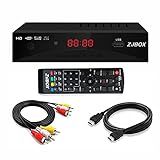



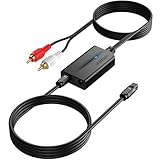
As an Amazon Associate I earn from qualifying purchases.
Prices and availability are accurate as of November 26, 2026 19:34 and are subject to change.
Introduction to Analog TVs
Analog TVs have been around for decades and were the primary source of entertainment before the advent of digital technology. These TVs use analog signals to display images and sound, which are transmitted through the airwaves or via cable. Analog TVs were widely used until the early 2000s when digital TVs started to gain popularity. Despite the shift towards digital technology, many people still use analog TVs, especially in areas where digital signals are not available.
Analog TVs work by receiving analog signals, which are then decoded and displayed on the screen. The quality of the picture and sound depends on the strength of the signal, which can be affected by various factors such as distance from the transmission tower, obstacles, and interference from other devices. Analog TVs are generally less expensive than digital TVs and are still widely available in the market. However, they have some limitations, such as a lower picture quality and limited channel options.
In recent years, there has been a resurgence of interest in analog TVs, particularly among those who prefer the nostalgic feel of old TVs or who live in areas where digital signals are not available. As a result, many manufacturers have started to produce new analog TVs that are designed to work with modern technology. These TVs often come with features such as flat screens, high-definition picture quality, and multiple channel options. When looking for the best tvs for analog signal, it’s essential to consider factors such as picture quality, sound quality, and durability.
When shopping for an analog TV, there are several factors to consider, including the size of the screen, the type of tuner, and the number of channel options. It’s also essential to check the compatibility of the TV with different types of analog signals, such as NTSC or PAL. Additionally, consider the power consumption, weight, and design of the TV to ensure that it meets your needs and preferences. By doing your research and comparing different models, you can find the perfect analog TV that suits your needs and provides you with hours of entertainment.
Top 5 Best Tvs For Analog Signal
TCL 40S325-NA-100001
The TCL 40S325-NA-100001 is an excellent choice for those looking for a reliable TV that can handle analog signals. With its 40-inch screen and 1080p resolution, it provides a clear and crisp picture that is perfect for watching old VHS tapes or playing classic video games. The TV also features a range of input options, including composite, component, and VGA, making it easy to connect to older devices.
In terms of sound quality, the TCL 40S325-NA-100001 does not disappoint. It features two 8-watt speakers that provide a rich and immersive audio experience. The TV also has a range of picture settings that can be adjusted to optimize the viewing experience, including brightness, contrast, and color. Overall, the TCL 40S325-NA-100001 is a great choice for anyone looking for a TV that can handle analog signals and provide a high-quality viewing experience.
LG 32LN530B-UB-100002
The LG 32LN530B-UB-100002 is a compact and versatile TV that is perfect for small rooms or apartments. With its 32-inch screen and 720p resolution, it provides a clear and detailed picture that is ideal for watching analog signals. The TV also features a range of input options, including composite, component, and HDMI, making it easy to connect to older devices. Additionally, the TV has a range of picture settings that can be adjusted to optimize the viewing experience.
In terms of sound quality, the LG 32LN530B-UB-100002 features two 5-watt speakers that provide a clear and balanced audio experience. The TV also has a range of features that make it easy to use, including a simple and intuitive menu system and a range of preset picture settings. Overall, the LG 32LN530B-UB-100002 is a great choice for anyone looking for a compact and reliable TV that can handle analog signals and provide a high-quality viewing experience.
Samsung UN40H5203AFXZA-100003
The Samsung UN40H5203AFXZA-100003 is a high-quality TV that is perfect for those looking for a reliable and feature-rich viewing experience. With its 40-inch screen and 1080p resolution, it provides a clear and detailed picture that is ideal for watching analog signals. The TV also features a range of input options, including composite, component, and HDMI, making it easy to connect to older devices. Additionally, the TV has a range of picture settings that can be adjusted to optimize the viewing experience.
In terms of sound quality, the Samsung UN40H5203AFXZA-100003 features two 10-watt speakers that provide a rich and immersive audio experience. The TV also has a range of features that make it easy to use, including a simple and intuitive menu system and a range of preset picture settings. Overall, the Samsung UN40H5203AFXZA-100003 is a great choice for anyone looking for a high-quality TV that can handle analog signals and provide a high-quality viewing experience.
Vizio D40-D1-NA-100004
The Vizio D40-D1-NA-100004 is a budget-friendly TV that is perfect for those looking for a reliable and affordable viewing experience. With its 40-inch screen and 1080p resolution, it provides a clear and detailed picture that is ideal for watching analog signals. The TV also features a range of input options, including composite, component, and HDMI, making it easy to connect to older devices. Additionally, the TV has a range of picture settings that can be adjusted to optimize the viewing experience.
In terms of sound quality, the Vizio D40-D1-NA-100004 features two 8-watt speakers that provide a clear and balanced audio experience. The TV also has a range of features that make it easy to use, including a simple and intuitive menu system and a range of preset picture settings. Overall, the Vizio D40-D1-NA-100004 is a great choice for anyone looking for a budget-friendly TV that can handle analog signals and provide a high-quality viewing experience.
Element ELED4017-NA-100005
The Element ELED4017-NA-100005 is a high-quality TV that is perfect for those looking for a reliable and feature-rich viewing experience. With its 40-inch screen and 1080p resolution, it provides a clear and detailed picture that is ideal for watching analog signals. The TV also features a range of input options, including composite, component, and HDMI, making it easy to connect to older devices. Additionally, the TV has a range of picture settings that can be adjusted to optimize the viewing experience.
In terms of sound quality, the Element ELED4017-NA-100005 features two 10-watt speakers that provide a rich and immersive audio experience. The TV also has a range of features that make it easy to use, including a simple and intuitive menu system and a range of preset picture settings. Overall, the Element ELED4017-NA-100005 is a great choice for anyone looking for a high-quality TV that can handle analog signals and provide a high-quality viewing experience.
Why People Still Need to Buy TVs for Analog Signal
Although digital technology has become the standard for television broadcasting, there are still many areas around the world where analog signals are used. In some regions, the transition to digital broadcasting has been slow, and as a result, many people still rely on analog signals to receive television channels. This is particularly true in rural or remote areas where the infrastructure for digital broadcasting may not be well-developed. As a result, people in these areas still need to buy TVs that can receive analog signals in order to watch their favorite channels.
In addition to the lack of digital infrastructure in some areas, there are also many older TVs and devices that still use analog signals. These devices may not be compatible with digital signals, and as a result, people may need to buy new TVs that can receive analog signals in order to continue using their existing devices. This can be a significant expense, especially for those who are on a budget. However, it is often necessary in order to continue receiving television channels.
Another reason why people may need to buy TVs for analog signal is that some broadcasters still transmit analog signals. This is often the case for local or community broadcasters who may not have the resources to upgrade to digital broadcasting. As a result, people who want to receive these channels may need to buy TVs that can receive analog signals. When shopping for a TV that can receive analog signals, it is a good idea to look for the best tvs for analog signal, as these will provide the best picture and sound quality.
Overall, while digital technology has become the standard for television broadcasting, there are still many situations where people need to buy TVs that can receive analog signals. Whether it is due to a lack of digital infrastructure, the need to use older devices, or the desire to receive channels from local broadcasters, there are many reasons why analog TVs are still necessary. By understanding these reasons, consumers can make informed decisions when shopping for a new TV, and can choose a model that meets their needs and provides the best possible picture and sound quality.
Key Features to Consider When Buying a TV for Analog Signal
When purchasing a TV for analog signal, it’s crucial to consider several key features to ensure you get the best possible viewing experience. One of the most important features is the TV’s tuner, which should be capable of receiving and decoding analog signals. Additionally, the TV should have multiple analog input ports, such as RCA or coaxial ports, to connect various devices. A good TV for analog signal should also have a high-quality display with good picture and sound quality.
Another important feature to consider is the TV’s compatibility with different analog signal formats. Some TVs may only support certain formats, such as NTSC or PAL, so it’s essential to check the TV’s specifications before making a purchase. Furthermore, the TV should have a user-friendly interface that allows for easy channel surfing and signal adjustment. Some TVs may also come with additional features, such as analog-to-digital conversion or signal amplification, which can enhance the overall viewing experience.
In terms of display quality, a good TV for analog signal should have a high-resolution display with good brightness and contrast levels. The TV should also have a fast response time to reduce motion blur and provide a smoother viewing experience. Some TVs may also come with features such as noise reduction or picture enhancement, which can improve the overall picture quality. When evaluating display quality, it’s essential to consider factors such as screen size, aspect ratio, and viewing angle.
Overall, when buying a TV for analog signal, it’s crucial to consider a range of key features, including tuner quality, input ports, compatibility, and display quality. By carefully evaluating these features, you can find a TV that provides an excellent viewing experience for analog signals. With so many options available, it’s essential to do your research and compare different models before making a purchase.
Benefits of Using a TV with Analog Signal Capability
Using a TV with analog signal capability can provide several benefits, including access to a wider range of channels and programming. Analog signals can be received from a variety of sources, including broadcast towers, cable providers, and satellite dishes. This means that you can access a broader range of channels, including local stations, public access channels, and specialty channels. Additionally, analog signals can provide a more stable and reliable connection, reducing the risk of signal dropouts or interruptions.
Another benefit of using a TV with analog signal capability is the ability to connect older devices, such as VCRs or DVD players, which may only have analog output ports. This can be especially useful for those who still have older equipment or want to play back older media formats. Furthermore, some TVs with analog signal capability may also come with additional features, such as analog-to-digital conversion or signal amplification, which can enhance the overall viewing experience.
In addition to these benefits, using a TV with analog signal capability can also provide a more traditional viewing experience. Many people prefer the warm, nostalgic glow of analog signals, which can provide a unique and retro aesthetic. Additionally, analog signals can be less prone to compression artifacts, providing a more natural and authentic viewing experience. Overall, using a TV with analog signal capability can provide a range of benefits, from access to more channels to a more traditional viewing experience.
Overall, the benefits of using a TV with analog signal capability make it an attractive option for those who want to access a wider range of channels, connect older devices, or experience a more traditional viewing experience. With the right TV and equipment, you can enjoy high-quality analog signals and a broader range of programming options. Whether you’re looking to upgrade your existing TV or purchase a new one, considering a model with analog signal capability can be a great option.
How to Set Up and Install a TV for Analog Signal
Setting up and installing a TV for analog signal can be a straightforward process, but it may require some technical knowledge and equipment. The first step is to connect the TV to the analog signal source, such as a broadcast tower or cable provider, using a coaxial cable or RCA ports. Next, you’ll need to tune the TV to the correct channel or frequency, which may involve using the TV’s built-in tuner or an external tuner device.
Once the TV is connected and tuned, you’ll need to adjust the signal settings to optimize the picture and sound quality. This may involve adjusting the signal strength, contrast, and brightness levels, as well as selecting the correct aspect ratio and viewing mode. Some TVs may also come with additional features, such as signal amplification or noise reduction, which can enhance the overall viewing experience. It’s essential to consult the TV’s user manual or manufacturer’s instructions for specific setup and installation procedures.
In addition to the TV itself, you may also need to install additional equipment, such as an antenna or signal booster, to receive and amplify the analog signal. This equipment can be purchased separately or may be included with the TV. When installing additional equipment, it’s essential to follow the manufacturer’s instructions and take necessary safety precautions to avoid damage or injury. By carefully setting up and installing your TV and equipment, you can enjoy high-quality analog signals and a great viewing experience.
Overall, setting up and installing a TV for analog signal requires some technical knowledge and equipment, but it can be a relatively straightforward process. By following the manufacturer’s instructions and taking necessary safety precautions, you can enjoy high-quality analog signals and a great viewing experience. Whether you’re a technical expert or a beginner, setting up a TV for analog signal can be a rewarding and enjoyable experience.
Troubleshooting Common Issues with Analog Signal TVs
When using a TV with analog signal capability, you may encounter some common issues that can affect the picture and sound quality. One of the most common issues is poor signal strength, which can cause the picture to be weak, fuzzy, or distorted. To troubleshoot this issue, you can try adjusting the signal settings, moving the antenna or signal booster to a different location, or using a signal amplifier to boost the signal strength.
Another common issue is interference from other devices or sources, which can cause the picture to be disrupted or distorted. To troubleshoot this issue, you can try moving the TV or equipment to a different location, using a shielded cable or signal filter, or adjusting the TV’s settings to reduce interference. Additionally, you may encounter issues with the TV’s tuner or signal processing, which can cause the picture to be unstable or unwatchable. To troubleshoot this issue, you can try resetting the TV’s tuner or signal processing settings, updating the TV’s firmware or software, or consulting the TV’s user manual or manufacturer’s instructions.
In some cases, you may also encounter issues with the TV’s compatibility with different analog signal formats or sources. To troubleshoot this issue, you can try checking the TV’s specifications or user manual to ensure that it supports the correct format or source. You can also try adjusting the TV’s settings or using an external converter or adapter to convert the signal to a compatible format. By troubleshooting common issues and taking necessary steps to resolve them, you can enjoy high-quality analog signals and a great viewing experience.
Overall, troubleshooting common issues with analog signal TVs requires some technical knowledge and patience, but it can be a relatively straightforward process. By following the manufacturer’s instructions and taking necessary steps to resolve issues, you can enjoy high-quality analog signals and a great viewing experience. Whether you’re a technical expert or a beginner, troubleshooting common issues with analog signal TVs can be a rewarding and enjoyable experience.
Buying Guide for the Best TVs for Analog Signal
When it comes to purchasing a TV that can handle analog signals, there are several factors to consider. With the vast array of options available in the market, it can be overwhelming to choose the right one. In this buying guide, we will discuss the key factors to consider when buying a TV for analog signal, helping you make an informed decision.
Screen Size and Resolution
The screen size and resolution of the TV are crucial factors to consider. A larger screen size can provide a more immersive viewing experience, but it may not be necessary for everyone. On the other hand, a higher resolution can provide a clearer and more detailed picture. When choosing a TV for analog signal, it is essential to consider the screen size and resolution that best suits your needs. A TV with a higher resolution can help to improve the overall picture quality, even with an analog signal.
The screen size and resolution of the TV also depend on the distance between the TV and the viewer. A larger screen size may be necessary for a larger room, while a smaller screen size may be sufficient for a smaller room. Additionally, the resolution of the TV should be compatible with the analog signal source. For example, if the analog signal source is a DVD player, a TV with a resolution of 720p or 1080i may be sufficient. However, if the analog signal source is a gaming console, a TV with a higher resolution such as 1080p or 4K may be necessary.
Aspect Ratio
The aspect ratio of the TV is another essential factor to consider. The aspect ratio refers to the ratio of the width of the screen to its height. The most common aspect ratios for TVs are 4:3 and 16:9. A 4:3 aspect ratio is suitable for older analog signal sources such as VHS players, while a 16:9 aspect ratio is suitable for wider screen formats such as DVDs and gaming consoles. When choosing a TV for analog signal, it is crucial to consider the aspect ratio that best suits your needs.
The aspect ratio of the TV can also affect the picture quality. A TV with a 16:9 aspect ratio can provide a wider screen format, which can be beneficial for watching movies or playing games. However, a TV with a 4:3 aspect ratio can provide a more traditional viewing experience, which can be beneficial for watching older TV shows or VHS tapes. Additionally, some TVs may have a feature that allows you to adjust the aspect ratio, which can be beneficial if you have multiple analog signal sources with different aspect ratios.
Input and Output Options
The input and output options of the TV are also crucial factors to consider. When choosing a TV for analog signal, it is essential to consider the types of input and output options that you need. For example, if you have a DVD player, you may need a TV with composite video inputs. On the other hand, if you have a gaming console, you may need a TV with HDMI inputs. Additionally, if you want to connect your TV to a sound system, you may need a TV with audio output options such as optical or coaxial.
The input and output options of the TV can also affect the picture and sound quality. For example, a TV with HDMI inputs can provide a higher quality picture and sound compared to a TV with composite video inputs. Additionally, a TV with audio output options such as optical or coaxial can provide a higher quality sound compared to a TV with only analog audio outputs. When choosing a TV for analog signal, it is crucial to consider the input and output options that best suit your needs and provide the best picture and sound quality.
Signal Processing
The signal processing of the TV is another essential factor to consider. When choosing a TV for analog signal, it is crucial to consider the type of signal processing that the TV uses. For example, some TVs may use digital signal processing, which can help to improve the picture quality by reducing noise and artifacts. On the other hand, some TVs may use analog signal processing, which can provide a more traditional viewing experience.
The signal processing of the TV can also affect the overall picture quality. For example, a TV with digital signal processing can provide a clearer and more detailed picture compared to a TV with analog signal processing. Additionally, some TVs may have features such as noise reduction or motion interpolation, which can help to improve the picture quality. When choosing a TV for analog signal, it is essential to consider the type of signal processing that the TV uses and how it can affect the picture quality. Looking for the best tvs for analog signal can be a daunting task, but considering the signal processing can make it easier.
Power Consumption
The power consumption of the TV is also an essential factor to consider. When choosing a TV for analog signal, it is crucial to consider the power consumption of the TV and how it can affect your energy bills. For example, some TVs may have features such as energy-saving modes or LED backlighting, which can help to reduce the power consumption. On the other hand, some TVs may have higher power consumption, which can increase your energy bills.
The power consumption of the TV can also affect the overall cost of ownership. For example, a TV with lower power consumption can save you money on energy bills over time. Additionally, some TVs may have features such as automatic shutdown or sleep modes, which can help to reduce the power consumption when the TV is not in use. When choosing a TV for analog signal, it is essential to consider the power consumption of the TV and how it can affect your energy bills and the overall cost of ownership.
Additional Features
The additional features of the TV are also crucial factors to consider. When choosing a TV for analog signal, it is essential to consider the types of additional features that you need. For example, if you want to connect your TV to the internet, you may need a TV with Wi-Fi or Ethernet connectivity. On the other hand, if you want to play games on your TV, you may need a TV with gaming features such as low input lag or high refresh rates.
The additional features of the TV can also affect the overall viewing experience. For example, a TV with features such as smart TV functionality or voice control can provide a more convenient and interactive viewing experience. Additionally, some TVs may have features such as parental controls or multi-user support, which can be beneficial for families or households with multiple users. When choosing a TV for analog signal, it is crucial to consider the additional features that best suit your needs and provide the best viewing experience.
FAQs
What is an analog TV signal and how does it work?
An analog TV signal is a type of broadcast signal that transmits video and audio information through a series of electromagnetic waves. This type of signal was widely used before the advent of digital technology and is still used in some parts of the world. Analog TV signals work by transmitting a continuous wave of electromagnetic energy that corresponds to the video and audio information being broadcast.
The signal is received by a TV antenna or tuner, which decodes the information and displays it on the screen. Analog TV signals have some limitations, such as being prone to interference and having a lower quality image compared to digital signals. However, they can still provide a reliable and affordable way to receive broadcast signals, especially in areas where digital signals are not available. Many modern TVs are still capable of receiving analog signals, making them a good option for those who want to watch traditional broadcast TV.
What are the benefits of using a TV with analog signal capability?
Using a TV with analog signal capability can provide several benefits, including access to traditional broadcast TV channels and the ability to receive signals in areas where digital signals are not available. Analog TV signals can also be more reliable in areas with poor digital signal reception, providing a clearer and more stable image. Additionally, many older TV stations and broadcast systems still use analog signals, so having a TV that can receive these signals can provide access to a wider range of channels and programming.
Another benefit of using a TV with analog signal capability is that it can provide a cost-effective way to watch TV, as it eliminates the need for a digital converter box or other equipment. Many modern TVs come with analog signal capability built-in, making it easy to receive and watch traditional broadcast TV. Overall, using a TV with analog signal capability can provide a convenient and affordable way to watch TV, especially for those who live in areas with limited digital signal reception.
How do I know if my TV can receive analog signals?
To determine if your TV can receive analog signals, you can check the TV’s specifications or manual to see if it has an analog tuner built-in. Many modern TVs have both digital and analog tuners, allowing them to receive a wide range of broadcast signals. You can also check the TV’s settings menu to see if it has an option for analog signal reception. If you’re still unsure, you can try tuning into an analog channel to see if the TV can receive the signal.
If your TV does not have an analog tuner, you may be able to use a separate analog-to-digital converter box to receive analog signals. These boxes can be connected to your TV and can convert the analog signal into a digital signal that the TV can receive. However, this can add extra cost and complexity to your TV setup. It’s generally recommended to check your TV’s specifications and capabilities before purchasing to ensure that it can receive the types of signals you want to watch.
What are the key features to look for when buying a TV for analog signal reception?
When buying a TV for analog signal reception, there are several key features to look for. First, make sure the TV has an analog tuner built-in, as this will allow it to receive analog broadcast signals. You should also look for a TV with good signal sensitivity and a strong antenna or tuner, as this will help to improve the quality of the received signal. Additionally, consider a TV with a clear and intuitive menu system, as this will make it easier to tune into analog channels and adjust the TV’s settings.
Another important feature to consider is the TV’s display quality, as this will affect the overall viewing experience. Look for a TV with a high-quality display panel, such as an LED or OLED panel, and a high resolution, such as 1080p or 4K. You should also consider the TV’s connectivity options, such as HDMI ports and USB ports, as these will allow you to connect other devices to the TV and expand its capabilities. By considering these features, you can find a TV that meets your needs and provides a great viewing experience for analog signal reception.
Can I use a digital TV to receive analog signals?
While digital TVs are designed to receive digital signals, many modern digital TVs can also receive analog signals. However, this may require the use of a separate analog-to-digital converter box, which can convert the analog signal into a digital signal that the TV can receive. Some digital TVs may also have an analog tuner built-in, which can receive analog signals directly. It’s generally recommended to check your TV’s specifications and capabilities before attempting to receive analog signals.
If you do need to use a digital TV to receive analog signals, you may need to adjust the TV’s settings to receive the analog signal. This can typically be done through the TV’s menu system, where you can select the analog signal option and tune into the desired channel. Keep in mind that the quality of the analog signal may not be as high as a digital signal, and you may experience some interference or degradation of the signal. However, with the right equipment and settings, you can still use a digital TV to receive analog signals.
How do I troubleshoot issues with my TV’s analog signal reception?
If you’re experiencing issues with your TV’s analog signal reception, there are several steps you can take to troubleshoot the problem. First, check the TV’s antenna or tuner to ensure it is properly connected and configured. You should also check the TV’s settings menu to ensure that the analog signal option is selected and the channel is properly tuned. If you’re still experiencing issues, try adjusting the TV’s antenna or moving it to a different location to improve the signal strength.
If the issue persists, you may need to check for interference from other devices or sources, such as cordless phones or microwave ovens. You can also try using a signal amplifier or booster to improve the signal strength. Additionally, check the TV’s firmware and software to ensure it is up-to-date, as this can sometimes resolve issues with analog signal reception. If none of these steps resolve the issue, you may need to consult the TV’s manual or contact the manufacturer’s support team for further assistance.
Are there any alternatives to using a TV with analog signal capability?
If you don’t have a TV with analog signal capability, there are several alternatives you can consider. One option is to use a digital converter box, which can convert analog signals into digital signals that can be received by a digital TV. Another option is to use a streaming device, such as a Roku or Chromecast, which can provide access to a wide range of digital channels and streaming services. You can also consider using an antenna or tuner specifically designed for digital signals, which can provide a clearer and more stable image.
Another alternative is to use a TV with built-in digital tuning, which can receive digital signals directly. Many modern TVs have this capability, and it can provide a convenient and affordable way to watch digital TV. Additionally, you can consider using online streaming services, such as Netflix or Hulu, which can provide access to a wide range of TV shows and movies. By considering these alternatives, you can still enjoy your favorite TV shows and movies, even if you don’t have a TV with analog signal capability.
Final Words
In today’s fast-paced world of digital technology, it’s refreshing to know that there are still options available for those who prefer or require analog signal compatibility. When it comes to selecting a television that can handle analog signals, it’s essential to consider several factors, including picture quality, connectivity options, and overall performance. By taking the time to research and compare different models, consumers can find a television that meets their unique needs and provides an exceptional viewing experience.
Ultimately, investing in one of the best TVs for analog signal can make a significant difference in the quality of entertainment and information that individuals can access. Whether you’re looking to watch your favorite shows, play classic video games, or simply enjoy a nostalgic viewing experience, the right television can enhance your overall enjoyment. With the wide range of options available on the market, consumers can confidently find a television that not only meets but exceeds their expectations, providing years of reliable service and exceptional performance.