For any culinary enthusiast or seasoned chef, having the right tools in the kitchen is essential to creating exquisite dishes. A good chef’s knife is an extension of the chef’s hand, allowing for precise cuts, effortless chopping, and efficient food preparation. The quality of the knife can make all the difference in the cooking experience, which is why investing in a high-quality blade is crucial. Whether you’re a professional chef or an avid home cook, the search for the perfect knife can be daunting, with numerous options available in the market.
In this article, we will delve into the world of culinary excellence, exploring the best professional chef’s knives that can elevate your cooking skills and take your dishes to the next level. With so many options available, it can be challenging to determine which knife is right for you. We will provide you with a comprehensive guide, including reviews of top-rated knives, to help you make an informed decision. From the materials used to the ergonomics of the handle, we will cover all the essential factors to consider when selecting the perfect knife for your needs, ensuring that you find the ideal blade to complement your cooking style and skills.
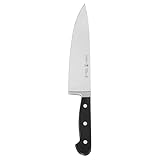
Before we get to our review of the best professional chef’s knives, let’s browse through some relevant products on Amazon:




As an Amazon Associate I earn from qualifying purchases.
Prices and availability are accurate as of November 27, 2026 04:52 and are subject to change.
Introduction to Professional Chef’s Knives
Professional chef’s knives are an essential tool for any culinary expert, and their importance cannot be overstated. These knives are designed to provide the user with precision, control, and versatility in the kitchen. A good chef’s knife can make all the difference in the preparation of a meal, allowing for efficient chopping, slicing, and dicing of ingredients.
The history of professional chef’s knives dates back to ancient times, with early civilizations using crude but effective tools to prepare their food. Over the centuries, the design and materials used in these knives have evolved significantly, with modern chef’s knives being made from high-quality steel and other durable materials. This evolution has led to the development of a wide range of knives, each with its own unique characteristics and uses.
In the world of professional cooking, having the right knife can be the key to success. Whether you are a seasoned chef or just starting out, investing in a high-quality knife is essential. The best professional chef’s knives are those that combine durability, sharpness, and comfort, allowing the user to work efficiently and effectively in the kitchen. With so many options available, it can be difficult to choose the right knife, but with a little research and experimentation, anyone can find the perfect tool for their needs.
When it comes to choosing a professional chef’s knife, there are many factors to consider. The type of steel used, the shape and size of the blade, and the comfort of the handle are all important considerations. By taking the time to research and compare different knives, culinary experts can find the perfect tool to help them create delicious meals and achieve their goals in the kitchen. With the right knife by their side, anything is possible, and the art of cooking can be taken to new heights.
5 Best Professional Chef’S Knives
The
Wüsthof Classic Ikon 8-Inch Cook’s Knife #WF-4514
is a top-of-the-line chef’s knife that offers exceptional performance and durability. Its high-carbon stainless steel blade is precision-forged to create a sharp, durable edge that resists corrosion and holds its edge well. The contoured handle is made from a durable synthetic material that provides a comfortable grip, even during extended use. The balance of the knife is also noteworthy, with a slight weight bias towards the blade that makes it easy to maneuver and control.
In practice, the
Wüsthof Classic Ikon 8-Inch Cook’s Knife #WF-4514
is a joy to use, gliding effortlessly through even the toughest ingredients with a smooth, silky action. The edge retention is excellent, requiring only occasional honing to maintain its sharpness. Cleaning is also a breeze, thanks to the smooth, polished surface of the blade and handle. Overall, the
Wüsthof Classic Ikon 8-Inch Cook’s Knife #WF-4514
is a superior choice for professional chefs and serious home cooks who demand the best.
The
Shun DM0706 Classic 8-Inch Chef’s Knife #DM0706-01
is a premium chef’s knife that boasts a stunning VG-MAX steel blade with a razor-sharp edge. The blade is precision-crafted using a proprietary heat-treating process that enhances its strength, durability, and resistance to corrosion. The walnut handle is beautifully crafted, providing a comfortable grip and a touch of elegance to the overall design. The
Shun DM0706 Classic 8-Inch Chef’s Knife #DM0706-01
is also remarkably well-balanced, with a subtle weight bias towards the blade that makes it easy to control and maneuver.
In use, the
Shun DM0706 Classic 8-Inch Chef’s Knife #DM0706-01
is a true delight, slicing through ingredients with a smooth, effortless action that is both precise and powerful. The edge retention is exceptional, requiring only occasional sharpening to maintain its razor-sharp edge. The
Shun DM0706 Classic 8-Inch Chef’s Knife #DM0706-01
is also surprisingly resistant to corrosion, even when exposed to acidic or salty foods. Overall, the
Shun DM0706 Classic 8-Inch Chef’s Knife #DM0706-01
is a top-tier choice for professional chefs and discerning home cooks who demand the very best.
The
Zwilling J.A. Henckels Twin Pro 8-Inch Chef’s Knife #316094011
is a high-performance chef’s knife that offers exceptional sharpness, durability, and comfort. The blade is precision-forged from high-carbon stainless steel, creating a sharp, durable edge that resists corrosion and holds its edge well. The ergonomic handle is designed to fit comfortably in the hand, reducing fatigue and strain during extended use. The
Zwilling J.A. Henckels Twin Pro 8-Inch Chef’s Knife #316094011
is also remarkably well-balanced, with a subtle weight bias towards the blade that makes it easy to control and maneuver.
In practice, the
Zwilling J.A. Henckels Twin Pro 8-Inch Chef’s Knife #316094011
is a joy to use, gliding effortlessly through even the toughest ingredients with a smooth, silky action. The edge retention is excellent, requiring only occasional honing to maintain its sharpness. The
Zwilling J.A. Henckels Twin Pro 8-Inch Chef’s Knife #316094011
is also easy to clean and maintain, thanks to its smooth, polished surface and durable construction. Overall, the
Zwilling J.A. Henckels Twin Pro 8-Inch Chef’s Knife #316094011
is a superior choice for professional chefs and serious home cooks who demand a high-quality, reliable chef’s knife.
The
Global G-2 8-Inch Chef’s Knife #G-2-01
is a premium chef’s knife that boasts a stunning CROMOVA 18 steel blade with a razor-sharp edge. The blade is precision-crafted using a proprietary heat-treating process that enhances its strength, durability, and resistance to corrosion. The ergonomic handle is designed to fit comfortably in the hand, reducing fatigue and strain during extended use. The
Global G-2 8-Inch Chef’s Knife #G-2-01
is also remarkably well-balanced, with a subtle weight bias towards the blade that makes it easy to control and maneuver.
In use, the
Global G-2 8-Inch Chef’s Knife #G-2-01
is a true delight, slicing through ingredients with a smooth, effortless action that is both precise and powerful. The edge retention is exceptional, requiring only occasional sharpening to maintain its razor-sharp edge. The
Global G-2 8-Inch Chef’s Knife #G-2-01
is also surprisingly resistant to corrosion, even when exposed to acidic or salty foods. Overall, the
Global G-2 8-Inch Chef’s Knife #G-2-01
is a top-tier choice for professional chefs and discerning home cooks who demand the very best.
The
Bob Kramer Signature 8-Inch Chef’s Knife #EPS-08-01
is a handcrafted chef’s knife that boasts a stunning 52100 high-carbon steel blade with a razor-sharp edge. The blade is precision-crafted using a proprietary heat-treating process that enhances its strength, durability, and resistance to corrosion. The ergonomic handle is designed to fit comfortably in the hand, reducing fatigue and strain during extended use. The
Bob Kramer Signature 8-Inch Chef’s Knife #EPS-08-01
is also remarkably well-balanced, with a subtle weight bias towards the blade that makes it easy to control and maneuver.
In practice, the
Bob Kramer Signature 8-Inch Chef’s Knife #EPS-08-01
is a joy to use, gliding effortlessly through even the toughest ingredients with a smooth, silky action. The edge retention is excellent, requiring only occasional honing to maintain its sharpness. The
Bob Kramer Signature 8-Inch Chef’s Knife #EPS-08-01
is also easy to clean and maintain, thanks to its smooth, polished surface and durable construction. Overall, the
Bob Kramer Signature 8-Inch Chef’s Knife #EPS-08-01
is a superior choice for professional chefs and serious home cooks who demand a high-quality, reliable chef’s knife.
Investing in Quality: The Importance of Professional Chef’s Knives
For home cooks and professional chefs alike, having the right tools in the kitchen is essential for preparing delicious meals efficiently. One of the most critical tools in any kitchen is a good set of knives. While it may be tempting to settle for inexpensive, low-quality knives, investing in professional chef’s knives can make a significant difference in the cooking experience. Professional chef’s knives are designed to provide a superior cutting experience, making food preparation faster and more enjoyable.
Professional chef’s knives are typically made with high-quality materials, such as stainless steel or carbon steel, which provide exceptional sharpness and durability. The ergonomic design of these knives also ensures a comfortable grip, reducing fatigue and strain on the hand and wrist. This is particularly important for professional chefs who spend long hours in the kitchen, as it can help prevent injuries and improve overall productivity. Additionally, professional chef’s knives are often crafted with attention to detail, ensuring a precise and smooth cutting action that makes food preparation a breeze.
When it comes to selecting the best professional chef’s knives, there are several factors to consider. The type of steel used, the shape and size of the blade, and the overall design of the knife are all important considerations. A good set of professional chef’s knives should include a variety of blades, such as a chef’s knife, paring knife, and serrated knife, to handle different tasks and ingredients. By investing in a high-quality set of professional chef’s knives, home cooks and professional chefs can elevate their cooking experience and take their culinary skills to the next level.
In conclusion, investing in professional chef’s knives is a worthwhile investment for anyone who spends time in the kitchen. Whether you are a home cook or a professional chef, having the right tools can make a significant difference in the quality and efficiency of your food preparation. With their superior materials, ergonomic design, and precise cutting action, professional chef’s knives are an essential component of any kitchen. By choosing the right set of knives, you can improve your cooking experience, reduce fatigue and strain, and take your culinary skills to new heights.
Types of Professional Chef’s Knives
Professional chef’s knives come in various types, each designed for specific tasks in the kitchen. The most common types include chef’s knives, paring knives, boning knives, and serrated knives. Chef’s knives, also known as cook’s knives, are the most versatile and widely used type of knife. They typically have a straight or curved edge and a pointed tip, making them suitable for chopping, slicing, and mincing ingredients.
Paring knives, on the other hand, are smaller and have a shorter blade, usually around 2-4 inches long. They are ideal for peeling and coring fruit and vegetables, as well as trimming and cutting small pieces of meat. Boning knives are designed for removing bones from meat, fish, and poultry. They have a thin, flexible blade that allows for precise cuts and easy maneuverability.
Serrated knives, also known as bread knives, have a serrated edge that is designed for cutting through tough or fibrous materials like bread, meat, and vegetables. They are also useful for cutting through bones and frozen foods. The type of knife needed will depend on the specific task and the ingredient being prepared. Having a variety of professional chef’s knives in the kitchen can make food preparation faster, easier, and more efficient.
In addition to these common types, there are also other specialized knives available, such as fillet knives, cleavers, and pastry knives. Fillet knives are designed for filleting fish and other delicate meats, while cleavers are used for chopping through bones and thick cuts of meat. Pastry knives, also known as pastry blades, are used for cutting and shaping pastry dough. Each type of knife has its own unique characteristics and uses, and having the right knife for the job can make a big difference in the kitchen.
Materials Used in Professional Chef’s Knives
Professional chef’s knives can be made from a variety of materials, each with its own strengths and weaknesses. The most common materials used are stainless steel, carbon steel, and titanium. Stainless steel knives are resistant to corrosion and easy to clean, but they can be less sharp than other materials. Carbon steel knives, on the other hand, are sharper and more durable, but they require more maintenance to prevent rust.
Titanium knives are lightweight, corrosion-resistant, and highly durable, making them a popular choice among professional chefs. They are also resistant to scratches and fading, and can withstand extreme temperatures. Other materials used in professional chef’s knives include ceramic, Damascus steel, and high-carbon stainless steel. Ceramic knives are extremely sharp and resistant to corrosion, but they can be brittle and prone to chipping.
Damascus steel knives are made from a type of steel that is known for its strength, durability, and distinctive pattern. They are highly prized among chefs and collectors for their beauty and performance. High-carbon stainless steel knives offer a balance between the benefits of stainless steel and carbon steel, providing a sharp, durable edge that is also resistant to corrosion. The choice of material will depend on the chef’s personal preference, the type of cooking being done, and the level of maintenance desired.
In addition to the material used for the blade, the handle of the knife is also an important consideration. Handles can be made from a variety of materials, including wood, plastic, and metal. Wooden handles are traditional and provide a comfortable grip, while plastic handles are durable and easy to clean. Metal handles are highly durable and can withstand extreme temperatures, but they can be slippery and uncomfortable to hold.
Care and Maintenance of Professional Chef’s Knives
Proper care and maintenance are essential to extending the life of professional chef’s knives. This includes cleaning, storing, and sharpening the knives regularly. After each use, knives should be cleaned with soap and water, and dried thoroughly to prevent rust or corrosion. They should be stored in a dry place, such as a knife block or on a magnetic strip, to prevent damage and injury.
Sharpening is also an important part of maintaining professional chef’s knives. A dull knife is not only less effective, but it can also be more dangerous to use. There are several ways to sharpen a knife, including using a whetstone, sharpening steel, or electric sharpener. The choice of sharpening method will depend on the type of knife, the level of sharpness desired, and the chef’s personal preference.
In addition to these basic care and maintenance tasks, there are also other steps that can be taken to extend the life of professional chef’s knives. For example, knives should be regularly inspected for signs of wear or damage, and repaired or replaced as needed. They should also be used correctly, with a gentle touch and a smooth, even motion, to prevent applying too much pressure or twisting the blade.
Regular honing is also important to maintain the edge of the knife. Honing involves realigning the edge of the blade to restore its sharpness and prevent it from becoming dull. This can be done using a honing steel or a ceramic hone, and should be done regularly to keep the knife in good condition. By following these care and maintenance tips, professional chefs can keep their knives in top condition and ensure they continue to perform well for a long time.
Benefits of Using Professional Chef’s Knives
Using professional chef’s knives can have a number of benefits for chefs and home cooks alike. One of the most significant benefits is improved performance and efficiency in the kitchen. Professional chef’s knives are designed to make food preparation faster, easier, and more precise, allowing chefs to work more efficiently and effectively. They are also designed to last longer and require less maintenance than lower-quality knives, making them a worthwhile investment for anyone who spends a lot of time in the kitchen.
Another benefit of using professional chef’s knives is increased safety. A sharp, well-maintained knife is less likely to slip or cause accidents, reducing the risk of injury in the kitchen. They are also designed to be comfortable to hold and use, reducing fatigue and strain on the hands and wrists. This can be especially important for professional chefs who spend long hours preparing food and may be at risk of developing repetitive strain injuries.
In addition to these practical benefits, using professional chef’s knives can also be a source of pride and satisfaction for chefs and home cooks. A high-quality knife can be a pleasure to use, and can make even the most mundane tasks more enjoyable. They can also be a statement of professionalism and commitment to quality, reflecting the chef’s attention to detail and dedication to their craft.
Overall, using professional chef’s knives can have a significant impact on the quality and efficiency of food preparation, as well as the safety and satisfaction of the chef. By investing in a set of high-quality, professional chef’s knives, chefs and home cooks can take their cooking to the next level and enjoy a more rewarding and enjoyable experience in the kitchen.
Buying Guide for Professional Chef’s Knives
When it comes to cooking, having the right tools can make all the difference. A good chef’s knife is an essential part of any kitchen, and with so many options available, it can be overwhelming to choose the right one. In this guide, we will discuss the key factors to consider when buying a professional chef’s knife, to help you make an informed decision and find the best tool for your needs.
Material and Construction
The material and construction of a chef’s knife are crucial factors to consider. A good chef’s knife should be made from high-quality materials that are durable and resistant to corrosion. The most common materials used to make chef’s knives are stainless steel, carbon steel, and titanium. Stainless steel is a popular choice because it is resistant to corrosion and easy to maintain. Carbon steel, on the other hand, is known for its sharpness and durability, but it requires more maintenance than stainless steel. Titanium is a lightweight and corrosion-resistant material that is ideal for chefs who prefer a lighter knife.
The construction of a chef’s knife is also important. A good chef’s knife should have a full tang, which means that the blade extends all the way to the end of the handle. This provides balance and stability to the knife. The handle should be made from a comfortable and durable material, such as wood, plastic, or metal. The handle should also be designed to fit comfortably in the hand, with a contoured shape that allows for a secure grip.
Sharpness and Edge Retention
The sharpness and edge retention of a chef’s knife are critical factors to consider. A sharp knife is essential for safe and efficient cutting. A dull knife, on the other hand, can be dangerous and require more force to cut, which can lead to accidents. The sharpness of a knife is measured by its edge angle, which is the angle at which the blade is sharpened. A good chef’s knife should have a sharp edge angle, typically between 20 and 30 degrees.
The edge retention of a knife refers to its ability to maintain its sharpness over time. A good chef’s knife should be able to retain its edge for a long time, even with heavy use. The edge retention of a knife depends on the material and construction of the blade, as well as the maintenance and sharpening of the knife. A knife with good edge retention will require less sharpening and maintenance, making it a more convenient option for busy chefs.
Balance and Ergonomics
The balance and ergonomics of a chef’s knife are important factors to consider. A good chef’s knife should be balanced, with the weight of the blade evenly distributed. This provides stability and control to the knife, making it easier to maneuver and use. The ergonomics of a knife refer to its design and comfort in the hand. A good chef’s knife should have a contoured handle that fits comfortably in the hand, with a secure grip that allows for precise control.
The balance and ergonomics of a knife can affect its performance and usability. A knife that is unbalanced or uncomfortable to hold can be difficult to use, leading to fatigue and accidents. On the other hand, a knife that is well-balanced and ergonomic can be a joy to use, making it easier to prepare ingredients and cook meals. When choosing a chef’s knife, it’s essential to consider the balance and ergonomics of the knife, to ensure that it feels comfortable and natural in the hand.
Size and Versatility
The size and versatility of a chef’s knife are important factors to consider. Chef’s knives come in a range of sizes, from 6 to 12 inches. The size of the knife will depend on the type of cooking and the ingredients being prepared. A smaller knife is ideal for precision work, such as chopping herbs and slicing small ingredients. A larger knife, on the other hand, is better suited for heavier tasks, such as chopping large vegetables and slicing meat.
The versatility of a knife refers to its ability to perform a range of tasks. A good chef’s knife should be able to handle a variety of ingredients and cooking techniques, from slicing and chopping to mincing and dicing. When choosing a chef’s knife, it’s essential to consider the size and versatility of the knife, to ensure that it can handle the tasks and ingredients that you will be working with. By considering these factors, you can find a knife that is well-suited to your needs and cooking style.
Brand and Reputation
The brand and reputation of a chef’s knife are important factors to consider. A good brand will stand behind its products, offering a warranty and customer support. A reputable brand will also use high-quality materials and construction methods, ensuring that the knife is durable and long-lasting. When choosing a chef’s knife, it’s essential to research the brand and read reviews from other customers, to get a sense of the knife’s quality and performance.
The brand and reputation of a knife can also affect its value and resale value. A knife from a well-known and reputable brand will typically hold its value better than a knife from a lesser-known brand. This is because a reputable brand is more likely to produce high-quality products that are in demand. When investing in a chef’s knife, it’s essential to consider the brand and reputation, to ensure that you are getting a high-quality product that will last for years to come.
Maintenance and Sharpening
The maintenance and sharpening of a chef’s knife are critical factors to consider. A good chef’s knife should be easy to maintain and sharpen, with a durable edge that can withstand heavy use. The maintenance of a knife will depend on the material and construction of the blade, as well as the user’s habits and techniques. A knife that is well-maintained will require less sharpening and will perform better over time.
To find the best professional chef’s knives, it’s essential to consider the maintenance and sharpening requirements of the knife. A knife that is easy to sharpen and maintain will be more convenient to use, making it a better option for busy chefs. By considering these factors, you can find a knife that is well-suited to your needs and cooking style, and that will provide years of reliable service in the kitchen.
FAQ
What makes a chef’s knife professional-grade?
A professional-grade chef’s knife is one that is designed and constructed with the highest quality materials and craftsmanship. These knives are typically made with high-carbon stainless steel, which provides exceptional sharpness, durability, and resistance to corrosion. The blade is usually forged or stamped from a single piece of steel, ensuring a strong and consistent edge.
The handle of a professional-grade chef’s knife is also designed for comfort and durability, often featuring ergonomic shapes and materials such as wood, stainless steel, or composite materials. The balance and weight of the knife are also carefully considered, allowing for smooth and precise cutting motions. Overall, a professional-grade chef’s knife is an investment that can last for many years with proper care and maintenance, making it an essential tool for any serious chef or cooking enthusiast.
How do I choose the right chef’s knife for my needs?
Choosing the right chef’s knife depends on several factors, including the type of cooking you will be doing, your personal preference for blade shape and size, and your budget. For example, if you will be doing a lot of chopping and slicing, a straight-edged knife with a flat blade may be the best choice. On the other hand, if you will be doing more precise work such as coring and trimming, a curved or serrated blade may be more suitable.
It’s also important to consider the size and weight of the knife, as well as the material and construction of the handle. A larger, heavier knife may be more suitable for chopping and slicing, while a smaller, lighter knife may be better for more precise work. Additionally, consider the level of maintenance you are willing to perform, as some knives may require more frequent sharpening or cleaning than others. By considering these factors and reading reviews from other users, you can find the perfect chef’s knife to meet your needs and enhance your cooking experience.
What is the difference between a German-style and Japanese-style chef’s knife?
The main difference between a German-style and Japanese-style chef’s knife is the shape and angle of the blade. German-style knives, such as those made by Wüsthof and Zwilling J.A. Henckels, typically have a more curved blade with a rounded tip and a straight or slightly curved edge. This shape is well-suited for chopping and slicing, and is often preferred by Western chefs.
Japanese-style knives, on the other hand, such as those made by Shun and Global, typically have a more straight or slightly curved blade with a pointed tip and a straight or slightly curved edge. This shape is well-suited for precise cutting and slicing, and is often preferred by Asian chefs. Japanese-style knives also tend to be made with harder, more brittle steel, which can hold a sharper edge but may be more prone to chipping or breaking. Ultimately, the choice between a German-style and Japanese-style chef’s knife will depend on your personal preference and cooking style.
How do I properly care for and maintain my chef’s knife?
Proper care and maintenance of your chef’s knife is essential to extend its lifespan and keep it in good condition. This includes regularly cleaning and drying the knife, as well as storing it in a dry place. It’s also important to avoid exposing the knife to extreme temperatures or using it to cut through bones or other hard objects, as this can cause damage to the blade.
Regular sharpening is also essential to maintain the knife’s edge and prevent it from becoming dull. This can be done using a sharpening stone or steel, and should be performed regularly to keep the knife in good condition. Additionally, consider applying a rust-inhibiting oil to the blade to prevent corrosion and maintain the knife’s appearance. By following these simple care and maintenance tips, you can keep your chef’s knife in good condition and ensure it continues to perform well for many years.
Can I use my chef’s knife for tasks other than cutting food?
While a chef’s knife is designed primarily for cutting and preparing food, it can be used for other tasks in a pinch. For example, a chef’s knife can be used to cut through twine or other thin materials, or to scrape and spread ingredients. However, it’s generally not recommended to use a chef’s knife for tasks that may damage the blade, such as cutting through bones or other hard objects.
Using a chef’s knife for non-food tasks can also compromise its sanitation and safety, as the blade may come into contact with non-food substances or bacteria. Additionally, using a chef’s knife for tasks other than cutting food can dull the blade or cause it to become misshapen, reducing its effectiveness and lifespan. If you need to perform tasks other than cutting food, it’s generally best to use a separate tool or utensil that is designed for that purpose.
What is the best way to store my chef’s knife when not in use?
The best way to store your chef’s knife when not in use is in a dry, secure location where it will not be damaged or come into contact with other objects. This can include a knife block or holder on your countertop, a magnetic strip on the wall, or a knife case or roll in a drawer. It’s also a good idea to store your chef’s knife in a location where it will not be easily accessed by children or others who may not be familiar with its safe use.
Regardless of where you store your chef’s knife, it’s essential to ensure that it is clean and dry before putting it away. This will help prevent corrosion and maintain the knife’s appearance. You should also consider storing your chef’s knife in a location where it will not be exposed to extreme temperatures or humidity, as this can cause damage to the blade or handle. By storing your chef’s knife properly, you can help extend its lifespan and keep it in good condition.
Can I sharpen my chef’s knife myself, or should I have it professionally sharpened?
While it is possible to sharpen your chef’s knife yourself, it’s generally recommended to have it professionally sharpened, especially if you are new to knife sharpening. Professional sharpening services have the expertise and equipment to sharpen your knife to a precise edge, and can also inspect the blade for any damage or wear.
If you do choose to sharpen your chef’s knife yourself, it’s essential to use the right tools and techniques to avoid damaging the blade. This can include using a sharpening stone or steel, and following proper sharpening techniques such as maintaining the correct angle and using light, smooth strokes. However, even with proper technique, it can be difficult to achieve a truly sharp edge, and professional sharpening may still be necessary to maintain your knife’s optimal performance.
The Bottom Line
In the world of culinary arts, having the right tools is essential to creating exquisite dishes. A good chef’s knife can make all the difference in the quality and presentation of the food. With so many options available in the market, it can be overwhelming to choose the perfect one. However, by considering factors such as material, sharpness, and ergonomics, one can narrow down their options and find the ideal knife that suits their needs. Whether you are a seasoned chef or an aspiring cook, investing in a high-quality knife is a decision that will pay off in the long run.
In conclusion, selecting the best professional chef’s knives requires careful consideration of various factors. By doing so, you can ensure that you have a reliable and efficient tool that will help you to prepare and cook meals with ease and precision. With the right knife by your side, you can unlock your full culinary potential and take your cooking to the next level. Remember, a good chef’s knife is an investment that will last for years to come, and with proper care and maintenance, it will remain a trusted companion in the kitchen, helping you to create delicious meals and unforgettable dining experiences.