As a beekeeper, having the right protective gear is essential to ensure a safe and enjoyable experience when working with bees. One of the most critical components of this gear is a good pair of boots, designed to prevent bee stings and other potential hazards. Beekeeping can be a rewarding hobby or profession, but it requires careful attention to safety protocols, and the right footwear plays a significant role in this. When it comes to selecting the best boots for beekeeping, there are several factors to consider, including the material, height, and overall durability of the boots.
Beekeeping involves working outdoors, often in rugged terrain and unpredictable weather conditions, which demands boots that are not only protective but also comfortable and reliable. A good pair of boots can make all the difference in preventing accidents and ensuring that beekeepers can focus on their work without distractions. With so many options available on the market, choosing the right boots can be overwhelming, especially for those new to beekeeping. In this article, we will explore the key features and considerations for selecting the ideal boots, and provide reviews of top-rated boots to help beekeepers make an informed decision and find the perfect footwear to suit their needs.
Before we get to our review of the best boots for beekeeping, let’s browse through some relevant products on Amazon:
| # | Preview | Product | Price | |
|---|---|---|---|---|
| 1 | MUCK Excursion Pro Mid-Height Men's Rubber Boots | $101.25 | View on Amazon | |
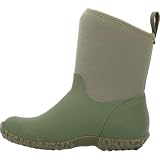
| 2 | MUCK Women's Muckster II Mid Boot, Green, Size 11(M) | $75.00 | View on Amazon | |
| 3 | Mama Bee Beekeeper Beekeeping Mother's Day 90s Bootleg Hardcover Journal, Black | $16.99 | View on Amazon | |
| 4 | Muck Boot Women's Muckster II Mid Boot, Black/Gray/roses print, 10 Regular ( US) | $70.00 | View on Amazon | |
| 5 | MUCK Women's Muckster II Mid Boot, Black, Size 7(M) | $70.00 | View on Amazon |



As an Amazon Associate I earn from qualifying purchases.
Prices and availability are accurate as of November 27, 2026 06:03 and are subject to change.
Introduction to Boots for Beekeeping
Boots for beekeeping are a crucial part of a beekeeper’s protective gear. They are designed to prevent bee stings on the feet and legs, which can be a common occurrence when working with bees. Beekeeping boots are typically made of durable materials such as leather or rubber and have a high ankle to provide extra protection.
The primary function of beekeeping boots is to create a barrier between the skin and the bees. They are usually worn with beekeeping suits and veils to provide full-body protection. Beekeeping boots come in different styles and designs, ranging from simple ankle boots to more complex designs with multiple layers of protection.
When it comes to beekeeping, having the right gear is essential. This includes investing in the best boots for beekeeping that can provide the necessary protection and comfort. Beekeeping can be a challenging task, especially for beginners, and having the right boots can make a significant difference in the overall experience.
Beekeeping boots are not just limited to protecting the feet from bee stings; they also provide protection from other hazards such as thorns, rocks, and uneven terrain. They are an essential part of a beekeeper’s gear and should be chosen carefully to ensure they meet the necessary standards of protection and durability.
The Best Boots For Beekeeping
1. Mann Lake Beekeeping Boots
The Mann Lake Beekeeping Boots are a top choice among beekeepers due to their excellent protection and durability. Made from high-quality materials, these boots are designed to withstand the demands of beekeeping, including exposure to honey, wax, and other substances that can be damaging to lesser boots. The boots also feature a sturdy sole that provides good traction, reducing the risk of slipping and falling while working with bees.
One of the standout features of the Mann Lake Beekeeping Boots is their comfort. The boots are designed to be worn for extended periods, and they feature a cushioned insole and a breathable lining that helps to keep feet cool and dry. The boots are also easy to clean and maintain, making them a practical choice for beekeepers who value convenience. Overall, the Mann Lake Beekeeping Boots are an excellent choice for anyone looking for a reliable and comfortable boot for beekeeping.
2. UltraBee Beekeeping Boots
The UltraBee Beekeeping Boots are a popular choice among beekeepers due to their exceptional protection and support. These boots feature a high ankle collar that provides excellent protection from bee stings, as well as a sturdy toe cap that helps to prevent injuries from heavy objects. The boots also feature a slip-resistant sole that provides good traction on a variety of surfaces, including grass, dirt, and concrete.
In addition to their protective features, the UltraBee Beekeeping Boots are also designed to be comfortable and durable. The boots feature a cushioned insole and a breathable lining that helps to keep feet cool and dry, even during extended periods of wear. The boots are also made from high-quality materials that are resistant to wear and tear, making them a great value for the price. Overall, the UltraBee Beekeeping Boots are an excellent choice for beekeepers who prioritize protection and support.
3. Honey Keeper Beekeeping Boots
The Honey Keeper Beekeeping Boots are a great choice for beekeepers who value comfort and flexibility. These boots feature a soft, flexible upper that allows for a full range of motion, making them ideal for beekeepers who need to move quickly and easily around the apiary. The boots also feature a breathable lining that helps to keep feet cool and dry, reducing the risk of discomfort and fatigue.
In addition to their comfort features, the Honey Keeper Beekeeping Boots also provide excellent protection from bee stings and other hazards. The boots feature a sturdy sole that provides good traction, as well as a high ankle collar that helps to prevent stings. The boots are also made from high-quality materials that are resistant to wear and tear, making them a great value for the price. Overall, the Honey Keeper Beekeeping Boots are an excellent choice for beekeepers who prioritize comfort and flexibility.
4. apiarist Beekeeping Boots
The apiarist Beekeeping Boots are a top choice among professional beekeepers due to their exceptional quality and durability. These boots feature a sturdy sole that provides excellent traction, as well as a high ankle collar that helps to prevent bee stings. The boots also feature a breathable lining that helps to keep feet cool and dry, reducing the risk of discomfort and fatigue.
In addition to their protective features, the apiarist Beekeeping Boots are also designed to be comfortable and convenient. The boots feature a cushioned insole and a soft, flexible upper that allows for a full range of motion. The boots are also easy to clean and maintain, making them a practical choice for beekeepers who value convenience. Overall, the apiarist Beekeeping Boots are an excellent choice for professional beekeepers who demand the best.
5. Beekeeper’s Dream Beekeeping Boots
The Beekeeper’s Dream Beekeeping Boots are a great choice for beekeepers who value protection and support. These boots feature a high ankle collar that provides excellent protection from bee stings, as well as a sturdy toe cap that helps to prevent injuries from heavy objects. The boots also feature a slip-resistant sole that provides good traction on a variety of surfaces, including grass, dirt, and concrete.
In addition to their protective features, the Beekeeper’s Dream Beekeeping Boots are also designed to be comfortable and durable. The boots feature a cushioned insole and a breathable lining that helps to keep feet cool and dry, even during extended periods of wear. The boots are also made from high-quality materials that are resistant to wear and tear, making them a great value for the price. Overall, the Beekeeper’s Dream Beekeeping Boots are an excellent choice for beekeepers who prioritize protection and support.
Why Beekeepers Need Protective Footwear
Beekeeping is an activity that requires careful consideration of safety precautions to prevent injuries from bee stings. One often overlooked aspect of beekeeping safety is the type of footwear worn during the activity. While it may seem insignificant, wearing the right boots can make a significant difference in protecting the beekeeper’s feet and ankles from bee stings. Bees are attracted to dark colors and can easily crawl up pants legs, making it essential to wear boots that cover the feet and ankles.
Bee stings on the feet and ankles can be particularly painful and may cause swelling, making it difficult to walk or stand. In severe cases, bee stings can also cause allergic reactions, which can be life-threatening. Wearing boots specifically designed for beekeeping can help prevent such incidents by providing a barrier between the skin and the bees. These boots are typically made of durable materials that are resistant to bee stings and are designed to prevent bees from crawling up the legs.
When it comes to choosing the right boots for beekeeping, there are several factors to consider. The boots should be made of a durable material, such as leather or rubber, and should have a smooth surface that prevents bees from crawling up. They should also be tall enough to cover the ankles and have a secure fit to prevent them from slipping off. Additionally, the boots should be comfortable to wear and provide adequate support for the feet and ankles. By wearing the best boots for beekeeping, beekeepers can minimize the risk of bee stings and enjoy a safe and successful beekeeping experience.
In conclusion, wearing boots is an essential part of beekeeping safety. By providing a barrier between the skin and the bees, boots can help prevent painful bee stings and allergic reactions. When choosing boots for beekeeping, it is essential to consider factors such as durability, comfort, and support. By taking the time to select the right boots and wearing them consistently, beekeepers can enjoy a safe and successful beekeeping experience. Whether you are a seasoned beekeeper or just starting out, investing in a good pair of boots is a crucial step in protecting yourself from the risks associated with beekeeping.
Types of Boots Suitable for Beekeeping
When it comes to beekeeping, it’s essential to wear boots that provide protection from stings and other potential hazards. There are several types of boots suitable for beekeeping, including rubber boots, leather boots, and synthetic boots. Rubber boots are a popular choice among beekeepers due to their waterproof and breathable design. They are also relatively inexpensive and easy to clean. Leather boots, on the other hand, offer excellent durability and protection but may require more maintenance than rubber boots.
In addition to these types, synthetic boots are also a viable option for beekeepers. They are often made from a combination of materials, such as nylon and polyester, and offer a balance of protection, comfort, and affordability. Regardless of the type of boot, it’s crucial to choose a pair that fits comfortably and provides adequate protection for the feet and ankles. Beekeepers should also consider the terrain and climate they will be working in when selecting boots, as this can impact the type of boot that is most suitable.
Beekeepers who work in wet or muddy conditions may prefer rubber boots, while those who work in dry or rocky terrain may prefer leather or synthetic boots. Ultimately, the type of boot that is best for beekeeping will depend on the individual’s specific needs and preferences. By considering the various types of boots available and their features, beekeepers can make an informed decision and choose the best boots for their needs.
The importance of choosing the right type of boot for beekeeping cannot be overstated. Wearing boots that are not suitable for the task can increase the risk of injury or illness, which can have serious consequences. By selecting a pair of boots that provides adequate protection and comfort, beekeepers can minimize their risk of injury and stay safe while working with bees.
Features to Look for in Beekeeping Boots
When shopping for boots for beekeeping, there are several features to look for to ensure that the boots provide adequate protection and comfort. One of the most critical features is a waterproof and breathable design. This will help keep the feet dry and comfortable, even in wet or muddy conditions. A good pair of beekeeping boots should also have a sturdy sole that provides traction and stability, reducing the risk of slipping or falling.
Another essential feature to look for is a high ankle collar, which will help protect the ankles from stings and other hazards. The boots should also have a secure closure system, such as laces or buckles, to prevent them from coming off while working. Additionally, beekeepers may want to consider boots with a puncture-resistant midsole, which will provide extra protection from sharp objects or stingers.
In terms of comfort, beekeepers should look for boots with a cushioned insole and a comfortable, breathable lining. This will help reduce fatigue and discomfort during long periods of standing or walking. The boots should also be lightweight and flexible, allowing for ease of movement and maneuverability. By considering these features, beekeepers can find a pair of boots that provides the right balance of protection, comfort, and performance.
Furthermore, beekeepers may also want to consider boots with additional features, such as a gusseted tongue or a reinforced toe cap. These features can provide extra protection and durability, making the boots more suitable for demanding beekeeping tasks. By taking the time to research and compare different boots, beekeepers can find the perfect pair to meet their needs and stay safe while working with bees.
Caring and Maintaining Beekeeping Boots
To extend the lifespan of beekeeping boots and ensure they continue to provide adequate protection and comfort, it’s essential to properly care for and maintain them. One of the most critical aspects of boot maintenance is cleaning. Beekeepers should regularly clean their boots to remove dirt, debris, and other substances that can damage the materials or compromise the boots’ performance.
The cleaning method will depend on the type of boot material. For example, rubber boots can be cleaned with soap and water, while leather boots may require a specialized cleaner and conditioner. Synthetic boots can be cleaned with a mild detergent and water. Regardless of the material, beekeepers should avoid using harsh chemicals or abrasive cleaners, as these can damage the boots or compromise their waterproofing.
In addition to cleaning, beekeepers should also condition and waterproof their boots regularly. This will help maintain the materials’ integrity and prevent cracking or drying out. For leather boots, a leather conditioner can be applied to keep the material supple and moisturized. For synthetic boots, a waterproofing spray or cream can be applied to maintain the boot’s water resistance.
By properly caring for and maintaining their beekeeping boots, beekeepers can extend their lifespan and ensure they continue to provide adequate protection and comfort. This can also help prevent injuries and illnesses, reducing the risk of accidents and improving overall safety while working with bees. Regular maintenance can also help identify potential issues before they become major problems, allowing beekeepers to take proactive steps to address them.
Common Mistakes to Avoid When Buying Beekeeping Boots
When buying boots for beekeeping, there are several common mistakes to avoid to ensure that the boots provide adequate protection and comfort. One of the most critical mistakes is buying boots that are too small or too large. Ill-fitting boots can compromise protection and comfort, increasing the risk of injury or illness. Beekeepers should try on boots before buying them to ensure a comfortable fit.
Another mistake is prioritizing style over substance. While it’s essential to choose boots that look good, beekeepers should not compromise on protection and comfort. Boots that are stylish but lack essential features, such as a waterproof design or high ankle collar, may not provide adequate protection for beekeeping tasks. Beekeepers should prioritize features and functionality over style when selecting boots.
Beekeepers may also make the mistake of buying boots that are not suitable for their specific needs. For example, a beekeeper who works in wet or muddy conditions may need boots with a waterproof design and aggressive tread, while a beekeeper who works in dry or rocky terrain may prefer boots with a more aggressive sole and better ankle support. By considering their specific needs and preferences, beekeepers can choose boots that are tailored to their requirements.
By avoiding these common mistakes, beekeepers can find the perfect pair of boots to meet their needs and stay safe while working with bees. This can also help prevent injuries and illnesses, reducing the risk of accidents and improving overall safety. By taking the time to research, compare, and try on different boots, beekeepers can make an informed decision and choose the best boots for their beekeeping tasks.
Buying Guide: Best Boots For Beekeeping
When it comes to beekeeping, having the right protective gear is essential to ensure a safe and enjoyable experience. One of the most critical components of beekeeping attire is a good pair of boots. Beekeeping boots are designed to protect the feet and legs from bee stings, while also providing comfort and support during long hours of working with bees. In this buying guide, we will discuss the key factors to consider when selecting the right boots for beekeeping.
Material and Construction
The material and construction of the boots are crucial factors to consider when buying boots for beekeeping. The boots should be made from a durable and breathable material that can withstand the rigors of working with bees. Leather and synthetic materials are popular choices for beekeeping boots, as they are durable and easy to clean. The boots should also have a sturdy construction that can provide support and protection for the feet and legs. A good pair of boots should have a robust sole that can withstand rough terrain and a comfortable insole that can provide cushioning and support.
The material and construction of the boots can also affect their ability to keep bees out. Bees can crawl through small openings, so it is essential to choose boots with a seamless construction or a tight weave that can prevent bees from entering. Some boots may also have a bee-proof membrane or a layer of protection that can prevent stings. When selecting boots, look for materials and construction that can provide a high level of protection and comfort.
Height and Coverage
The height and coverage of the boots are also critical factors to consider when buying boots for beekeeping. The boots should be tall enough to cover the legs and provide protection from bee stings. A minimum height of 12 inches is recommended, but some beekeepers prefer boots that are even taller. The boots should also have a wide enough coverage to prevent bees from crawling up the legs. A good pair of boots should have a snug fit around the calf and a secure closure system that can prevent bees from entering.
The height and coverage of the boots can also affect their ability to provide support and comfort. Taller boots can provide more support and stability, especially when working on uneven terrain. However, they can also be heavier and more cumbersome. When selecting boots, consider the type of terrain you will be working on and the level of support and comfort you need. Look for boots that have a comfortable height and coverage that can provide protection and support without compromising mobility.
Waterproofing and Breathability
Waterproofing and breathability are essential factors to consider when buying boots for beekeeping. Beekeeping often involves working in wet and humid conditions, so it is crucial to choose boots that can keep the feet dry. A waterproof membrane or coating can provide a high level of protection against water and moisture. However, the boots should also be breathable to prevent the buildup of sweat and moisture. A breathable material or mesh panels can provide ventilation and help to keep the feet cool and dry.
The waterproofing and breathability of the boots can also affect their ability to provide comfort and support. Boots that are too hot and humid can cause discomfort and fatigue, while boots that are too cold and wet can cause numbness and pain. When selecting boots, look for a balance between waterproofing and breathability. Consider the type of conditions you will be working in and the level of protection and comfort you need. Look for boots that have a waterproof and breathable membrane that can provide a high level of protection and comfort.
Slip Resistance and Traction
Slip resistance and traction are critical factors to consider when buying boots for beekeeping. Beekeeping often involves working on uneven and slippery terrain, so it is essential to choose boots that can provide a high level of traction and slip resistance. A good pair of boots should have a robust sole with deep treads and a slip-resistant material that can provide grip and stability. The boots should also have a comfortable and supportive insole that can provide cushioning and support.
The slip resistance and traction of the boots can also affect their ability to provide safety and protection. Slipping and falling can cause serious injuries, especially when working with bees. When selecting boots, look for a high level of slip resistance and traction. Consider the type of terrain you will be working on and the level of grip and stability you need. Look for boots that have a robust sole and a slip-resistant material that can provide a high level of protection and safety. The best boots for beekeeping should have a good balance between slip resistance, traction, and comfort.
Comfort and Support
Comfort and support are essential factors to consider when buying boots for beekeeping. Beekeeping can involve long hours of standing and walking, so it is crucial to choose boots that can provide a high level of comfort and support. A good pair of boots should have a comfortable and supportive insole that can provide cushioning and support. The boots should also have a breathable material and a moisture-wicking lining that can help to keep the feet cool and dry.
The comfort and support of the boots can also affect their ability to provide protection and safety. Uncomfortable boots can cause fatigue and distraction, which can increase the risk of accidents and injuries. When selecting boots, look for a high level of comfort and support. Consider the type of terrain you will be working on and the level of support and comfort you need. Look for boots that have a comfortable and supportive insole and a breathable material that can provide a high level of protection and comfort.
Price and Value
Price and value are critical factors to consider when buying boots for beekeeping. Beekeeping boots can range from affordable to very expensive, so it is essential to choose boots that provide a high level of value and protection. A good pair of boots should have a durable construction and a high-quality material that can provide a long lifespan. The boots should also have a comfortable and supportive design that can provide a high level of comfort and protection.
The price and value of the boots can also affect their ability to provide safety and protection. Cheap boots may not provide a high level of protection and safety, while expensive boots may not be necessary for every beekeeper. When selecting boots, consider the level of protection and comfort you need and the budget you have available. Look for boots that have a good balance between price and value, and consider the long-term benefits of investing in a high-quality pair of boots. By considering these factors, you can find the right boots for your needs and enjoy a safe and enjoyable beekeeping experience.
FAQs
What are the key features to look for in boots for beekeeping?
When it comes to choosing the best boots for beekeeping, there are several key features to consider. The boots should be made of a durable, high-quality material that can withstand the rigors of working with bees. They should also have a waterproof membrane to prevent moisture from entering the boot and causing discomfort. Additionally, the boots should have a sturdy sole that provides good traction and support, as beekeepers often work on uneven or slippery surfaces.
The boots should also have a high ankle collar to prevent bees from crawling up the leg and stinging the beekeeper. A breathable lining is also important to keep the feet cool and dry during long periods of wear. Some boots may also have additional features such as a steel toe or puncture-resistant midsole for added protection. By considering these key features, beekeepers can choose the best boots for their needs and stay safe and comfortable while working with their bees.
How do I choose the right size of boots for beekeeping?
Choosing the right size of boots for beekeeping is crucial to ensure a comfortable and safe fit. To choose the right size, beekeepers should try on several different sizes and styles of boots to find the one that fits best. It’s also a good idea to wear the same type of socks that you plan to wear while beekeeping to ensure a accurate fit. The boots should fit snugly but not too tightly, and should have enough room in the toe box to wiggle your toes.
It’s also important to consider the width of the boot, as some beekeepers may have wider or narrower feet than others. Some boots may be available in different widths, so it’s worth checking the manufacturer’s sizing chart to find the best fit. Additionally, beekeepers should consider the type of arch support they need, as some boots may have more arch support than others. By taking the time to try on different sizes and styles of boots, beekeepers can find the perfect fit for their needs and stay comfortable while working with their bees.
Can I use regular boots for beekeeping?
While it may be tempting to use regular boots for beekeeping, it’s not recommended. Regular boots may not provide the same level of protection and support as boots specifically designed for beekeeping. Beekeeping boots are designed to be durable and long-lasting, and are often made with materials that are resistant to punctures and abrasions. They also typically have a higher ankle collar to prevent bees from crawling up the leg and stinging the beekeeper.
Regular boots, on the other hand, may not have these features and may not provide the same level of protection. Additionally, regular boots may not be waterproof, which can be a problem when working with bees in wet or damp conditions. Beekeeping boots are also designed to be breathable and moisture-wicking, which can help keep the feet cool and dry during long periods of wear. By investing in a good pair of beekeeping boots, beekeepers can stay safe and comfortable while working with their bees.
How often should I replace my beekeeping boots?
The frequency at which you should replace your beekeeping boots depends on several factors, including the quality of the boots, how often you use them, and the conditions in which you use them. Generally, beekeeping boots should be replaced every 2-3 years, or sooner if they show signs of wear and tear. If the boots are no longer waterproof, or if the soles are worn down, it’s time to replace them.
Additionally, if the boots are no longer comfortable or supportive, it’s time to consider replacing them. Beekeeping boots are an investment in your safety and comfort, and it’s worth replacing them regularly to ensure that you have the best possible protection while working with your bees. By replacing your beekeeping boots regularly, you can stay safe and comfortable, and avoid the risk of injury or illness.
Can I wear beekeeping boots for other activities?
While beekeeping boots are specifically designed for beekeeping, they can also be worn for other activities such as gardening, hiking, or working outdoors. However, it’s worth noting that beekeeping boots may not be suitable for all activities, and may not provide the same level of support or protection as boots specifically designed for those activities. For example, beekeeping boots may not have the same level of ankle support as hiking boots, and may not be suitable for high-impact activities.
That being said, beekeeping boots can be a great option for activities that involve working outdoors in wet or damp conditions. They are often waterproof and breathable, making them a great choice for gardening or working in the yard. Additionally, beekeeping boots are often durable and long-lasting, making them a great investment for anyone who spends a lot of time outdoors. By wearing beekeeping boots for other activities, you can stay safe and comfortable, and get the most out of your investment.
How do I care for my beekeeping boots?
To extend the life of your beekeeping boots, it’s essential to care for them properly. This includes cleaning them regularly to remove dirt and debris, and conditioning the leather to keep it soft and supple. You should also store your boots in a cool, dry place, away from direct sunlight and moisture. Additionally, you should avoid using harsh chemicals or abrasive cleaners, as these can damage the materials and compromise the waterproof membrane.
Regularly inspecting your boots for signs of wear and tear is also crucial. Check the soles for wear, and the uppers for cracks or holes. If you notice any damage, it’s essential to repair or replace your boots as soon as possible. By taking the time to care for your beekeeping boots, you can extend their life and ensure that they continue to provide the best possible protection and support for your feet. This will help you stay safe and comfortable while working with your bees, and get the most out of your investment.
Are beekeeping boots worth the investment?
Beekeeping boots are a worthwhile investment for anyone who works with bees regularly. They provide a level of protection and support that is essential for safe and comfortable beekeeping. While they may be more expensive than regular boots, they are designed to be durable and long-lasting, and can provide years of service with proper care. Additionally, beekeeping boots can help prevent injuries and illnesses, such as bee stings and fungal infections, which can be costly and time-consuming to treat.
By investing in a good pair of beekeeping boots, beekeepers can stay safe and comfortable while working with their bees, and avoid the risk of injury or illness. They can also enjoy the benefits of beekeeping, such as harvesting honey and pollinating plants, without worrying about their safety. Overall, beekeeping boots are a worthwhile investment for anyone who is serious about beekeeping, and can provide a high level of protection and support for years to come.
Final Verdict
In conclusion, selecting the right footwear is a crucial aspect of beekeeping, as it provides protection and comfort during this delicate and potentially hazardous activity. Beekeepers face numerous risks, including stings and slippery surfaces, which can be mitigated by wearing high-quality, specialized boots. By investing in a pair of boots designed specifically for this purpose, beekeepers can minimize the risks associated with their work and focus on maintaining the health and productivity of their bees.
Ultimately, choosing the best boots for beekeeping is essential for any serious beekeeper, as it can make a significant difference in their overall experience and success. With the numerous options available on the market, it is crucial to consider factors such as protection, comfort, and durability when making a decision. By doing so, beekeepers can ensure that they are well-equipped to handle the demands of their work, while also prioritizing their safety and well-being. With the right boots, beekeepers can confidently tend to their bees, knowing that they have taken the necessary steps to protect themselves and optimize their beekeeping experience.