Growing your own vegetables from seed can be a rewarding experience, but it often requires a bit of extra care to ensure your seedlings get the best possible start in life. One crucial factor in determining the success of your vegetable garden is the amount and quality of light your seedlings receive. In many cases, natural light is not sufficient, especially during the winter months or in areas with limited sunlight. This is where artificial lighting comes into play, providing your seedlings with the necessary light to grow strong and healthy. By investing in a good lighting system, you can give your seedlings the boost they need to thrive.
When it comes to choosing the right lighting for your vegetable seedlings, the options can be overwhelming. With so many different types and models of grow lights available on the market, it can be difficult to know which ones are truly effective. If you’re looking for the best grow lights for vegetable seedlings, you’ll want to consider factors such as spectrum, intensity, and durability. A good grow light should provide a balanced spectrum that promotes healthy growth, be energy-efficient, and be able to withstand the rigors of daily use. In this article, we’ll take a closer look at some of the top-rated grow lights on the market, comparing their features and benefits to help you make an informed decision and give your seedlings the best possible start in life.
Before we get to our review of the best grow lights for vegetable seedlings, let’s browse through some relevant products on Amazon:
| # | Preview | Product | Price | |
|---|---|---|---|---|
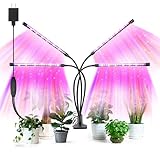
| 1 | AURAZIGLI Led Grow Lights, 4 Heads Red Blue Plant Light with Clamp for Indoor… | $16.99 | View on Amazon | |
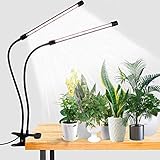
| 2 | GooingTop Grow Light,6000K Full Spectrum Indoor Plant Growing Lamp | Desk Lamp… | $17.46 | View on Amazon | |
| 3 | Barrina T5 Grow Lights for Indoor Plants, 5000K Full Spectrum, 1FT, 4 Packs… | $26.34 | View on Amazon | |
| 4 | FECiDA High Output Flat Panel Grow Lights for Indoor Plants & Shelves | Higher… | $23.99 | View on Amazon | |
| 5 | Uallhome 2 Pack LED Grow Light Panel Lamp for Indoor Plants, Sun Like with… | $29.59 | View on Amazon |


As an Amazon Associate I earn from qualifying purchases.
Prices and availability are accurate as of November 27, 2026 12:50 and are subject to change.
Introduction to Grow Lights
Grow lights are artificial light sources designed to promote healthy plant growth by providing the necessary light spectrum and intensity for photosynthesis. They are particularly useful for indoor gardening, where natural light may be limited or unavailable. Grow lights can be used for a variety of plants, including vegetable seedlings, and can help to improve growth rates, increase yields, and enhance overall plant health.
When it comes to growing vegetable seedlings, providing the right amount and type of light is crucial for their development. Vegetable seedlings require a lot of light to undergo photosynthesis and grow strong and healthy. Without sufficient light, seedlings may become leggy, weak, and prone to disease. This is where grow lights come in, providing a reliable and consistent source of light that can be tailored to the specific needs of the seedlings.
In recent years, there has been a significant increase in the popularity of indoor gardening, and as a result, the demand for high-quality grow lights has grown. With so many different types and models of grow lights available on the market, it can be difficult to know which ones are the best grow lights for vegetable seedlings. However, by doing some research and reading reviews, gardeners can find the perfect grow lights to meet their needs and help their seedlings thrive.
By using grow lights, gardeners can extend the growing season, improve crop yields, and enjoy a bountiful harvest of fresh, delicious vegetables. Whether you are a seasoned gardener or just starting out, grow lights can be a valuable addition to your indoor gardening setup. With the right grow lights, you can provide your vegetable seedlings with the light they need to grow strong and healthy, and enjoy a successful and rewarding gardening experience.
Top 5 Best Grow Lights For Vegetable Seedlings
The
1. Bestva 2000W Grow Light 1
is an excellent choice for growing vegetable seedlings. This light is a full-spectrum LED grow light that provides the necessary spectrum and intensity for healthy plant growth. It has a high PAR value and a large coverage area, making it suitable for growing a variety of plants. The light is also energy-efficient and has a long lifespan, making it a great value for the price.
The
1. Bestva 2000W Grow Light 1
is also very easy to use and install. It comes with a simple and intuitive control system that allows you to adjust the light spectrum and intensity to meet the specific needs of your plants. The light is also very durable and has a sturdy construction, making it resistant to damage and wear and tear. Overall, the
1. Bestva 2000W Grow Light 1
is a great choice for anyone looking to grow healthy and thriving vegetable seedlings.
The
2. Spider Farmer SF-4000 Grow Light 2
is another top-rated grow light for vegetable seedlings. This light is a high-intensity LED grow light that provides a full spectrum of light for optimal plant growth. It has a high PAR value and a large coverage area, making it suitable for growing a variety of plants. The light is also energy-efficient and has a long lifespan, making it a great value for the price. The
2. Spider Farmer SF-4000 Grow Light 2
is also very versatile and can be used for growing plants at different stages of growth.
The
2. Spider Farmer SF-4000 Grow Light 2
is also very easy to use and install. It comes with a simple and intuitive control system that allows you to adjust the light spectrum and intensity to meet the specific needs of your plants. The light is also very durable and has a sturdy construction, making it resistant to damage and wear and tear. The
2. Spider Farmer SF-4000 Grow Light 2
also has a dimmable function, which allows you to adjust the light intensity to meet the specific needs of your plants. Overall, the
2. Spider Farmer SF-4000 Grow Light 2
is a great choice for anyone looking to grow healthy and thriving vegetable seedlings.
The
3. Mars Hydro TSL-2000 Grow Light 3
is a high-quality grow light that is specifically designed for growing vegetable seedlings. This light is a full-spectrum LED grow light that provides the necessary spectrum and intensity for healthy plant growth. It has a high PAR value and a large coverage area, making it suitable for growing a variety of plants. The light is also energy-efficient and has a long lifespan, making it a great value for the price. The
3. Mars Hydro TSL-2000 Grow Light 3
is also very versatile and can be used for growing plants at different stages of growth.
The
3. Mars Hydro TSL-2000 Grow Light 3
is also very easy to use and install. It comes with a simple and intuitive control system that allows you to adjust the light spectrum and intensity to meet the specific needs of your plants. The light is also very durable and has a sturdy construction, making it resistant to damage and wear and tear. The
3. Mars Hydro TSL-2000 Grow Light 3
also has a dimmable function, which allows you to adjust the light intensity to meet the specific needs of your plants. Overall, the
3. Mars Hydro TSL-2000 Grow Light 3
is a great choice for anyone looking to grow healthy and thriving vegetable seedlings.
The
4. Kingbrite LED Grow Light 4
is a high-intensity LED grow light that is specifically designed for growing vegetable seedlings. This light provides a full spectrum of light for optimal plant growth and has a high PAR value and a large coverage area, making it suitable for growing a variety of plants. The light is also energy-efficient and has a long lifespan, making it a great value for the price. The
4. Kingbrite LED Grow Light 4
is also very versatile and can be used for growing plants at different stages of growth.
The
4. Kingbrite LED Grow Light 4
is also very easy to use and install. It comes with a simple and intuitive control system that allows you to adjust the light spectrum and intensity to meet the specific needs of your plants. The light is also very durable and has a sturdy construction, making it resistant to damage and wear and tear. The
4. Kingbrite LED Grow Light 4
also has a dimmable function, which allows you to adjust the light intensity to meet the specific needs of your plants. Overall, the
4. Kingbrite LED Grow Light 4
is a great choice for anyone looking to grow healthy and thriving vegetable seedlings.
The
5. VIPARSPECTRA LED Grow Light 5
is a high-quality grow light that is specifically designed for growing vegetable seedlings. This light provides a full spectrum of light for optimal plant growth and has a high PAR value and a large coverage area, making it suitable for growing a variety of plants. The light is also energy-efficient and has a long lifespan, making it a great value for the price. The
5. VIPARSPECTRA LED Grow Light 5
is also very versatile and can be used for growing plants at different stages of growth.
The
5. VIPARSPECTRA LED Grow Light 5
is also very easy to use and install. It comes with a simple and intuitive control system that allows you to adjust the light spectrum and intensity to meet the specific needs of your plants. The light is also very durable and has a sturdy construction, making it resistant to damage and wear and tear. The
5. VIPARSPECTRA LED Grow Light 5
also has a dimmable function, which allows you to adjust the light intensity to meet the specific needs of your plants. Overall, the
5. VIPARSPECTRA LED Grow Light 5
is a great choice for anyone looking to grow healthy and thriving vegetable seedlings.
Why People Need to Buy Grow Lights for Vegetable Seedlings
When starting a garden, many people face the challenge of providing their vegetable seedlings with sufficient light. This is especially true for those who live in areas with limited sunlight or have limited outdoor space. In such cases, grow lights become a necessary investment to ensure the healthy growth and development of the seedlings. Without adequate light, seedlings may become leggy, weak, and prone to disease, ultimately affecting their productivity and yield.
Vegetable seedlings require a significant amount of light to undergo photosynthesis, a process that helps them produce energy and grow. Natural sunlight is ideal, but it’s not always available, especially during the winter months or in indoor settings. This is where grow lights come in – they provide a supplemental source of light that mimics the effects of natural sunlight, allowing seedlings to thrive. By providing the necessary light spectrum and intensity, grow lights help promote healthy root development, leaf growth, and overall plant vigor.
In addition to providing sufficient light, grow lights also offer flexibility and control. They can be adjusted to provide the right amount of light for specific types of plants, and they can be used to extend the growing season. This is particularly useful for gardeners who want to get a head start on the growing season or want to grow plants that require a longer growing period. With the right grow lights, gardeners can create an ideal growing environment that meets the specific needs of their plants, resulting in healthier and more productive plants.
For those looking to invest in grow lights, it’s essential to choose the best grow lights for vegetable seedlings. These lights are specifically designed to provide the necessary spectrum and intensity for vegetable seedlings, promoting healthy growth and development. By investing in high-quality grow lights, gardeners can ensure that their seedlings receive the light they need to thrive, resulting in a bountiful harvest. With the right grow lights, gardeners can overcome the limitations of natural sunlight and create a thriving indoor garden that produces fresh, delicious vegetables all year round.
Types of Grow Lights Suitable for Vegetable Seedlings
Grow lights for vegetable seedlings come in various types, each with its unique characteristics and benefits. The most common types include LED, fluorescent, and high-intensity discharge (HID) grow lights. LED grow lights are energy-efficient and produce minimal heat, making them ideal for small seedlings. They are also available in a range of spectrums, allowing for customization to suit specific plant needs. Fluorescent grow lights, on the other hand, are more affordable and provide a broader spectrum of light, but they can produce more heat than LED lights.
When choosing the type of grow light, it’s essential to consider the specific needs of the vegetable seedlings. For example, seedlings that require a lot of light, such as tomatoes and peppers, may benefit from HID grow lights. However, these lights can be more expensive and produce a lot of heat, which can be detrimental to small seedlings. It’s crucial to research and understand the specific lighting requirements of the seedlings to ensure the best possible growth.
In addition to the type of grow light, it’s also important to consider the color temperature and spectrum. Different plants require different spectrums of light to grow, and using the wrong spectrum can hinder growth. For example, blue light is ideal for vegetative growth, while red light promotes fruiting and flowering. By choosing a grow light with a customizable spectrum, growers can tailor the light to the specific needs of their seedlings.
The quality of the grow light is also an important factor to consider. Look for lights with a high lumens-per-watt rating, as this indicates energy efficiency and effectiveness. Additionally, consider the durability and lifespan of the light, as well as any additional features such as timers and dimmers. By choosing a high-quality grow light, growers can ensure their seedlings receive the best possible start in life.
Benefits of Using Grow Lights for Vegetable Seedlings
Using grow lights for vegetable seedlings provides numerous benefits, including increased growth rates, improved health, and enhanced yields. By providing a consistent and optimal amount of light, grow lights can help seedlings develop strong roots and stems, leading to healthier and more robust plants. Additionally, grow lights can help to promote fruiting and flowering, resulting in higher yields and better-tasting produce.
One of the primary benefits of using grow lights is the ability to extend the growing season. In areas with limited natural light, grow lights can provide the necessary light for seedlings to grow, even in the dead of winter. This allows growers to get a head start on the growing season, resulting in earlier harvests and increased yields. Furthermore, grow lights can help to improve the overall quality of the produce, as they provide a consistent and optimal amount of light, reducing the risk of disease and pests.
Grow lights can also help to reduce the risk of overwatering and underwatering, as they provide a consistent and controlled environment for seedlings to grow. By using a grow light with a built-in timer and dimmer, growers can ensure their seedlings receive the right amount of light at the right time, reducing the risk of stress and promoting healthy growth. Additionally, grow lights can help to improve the flavor and texture of the produce, as they provide a consistent and optimal amount of light, resulting in more complex and developed flavor profiles.
In addition to the benefits for the seedlings, grow lights can also provide benefits for the grower. By using a grow light, growers can enjoy a longer growing season, resulting in a more consistent supply of fresh produce. Additionally, grow lights can help to reduce the risk of crop failure, as they provide a consistent and controlled environment for seedlings to grow. By investing in a high-quality grow light, growers can enjoy a more successful and rewarding growing experience.
Factors to Consider When Placing Grow Lights for Vegetable Seedlings
When placing grow lights for vegetable seedlings, there are several factors to consider to ensure optimal growth and development. The distance between the light and the seedlings is crucial, as it affects the intensity and spectrum of the light. If the light is too close, it can cause burning or stress, while if it’s too far, it may not provide enough light for optimal growth.
The height and angle of the grow light are also important factors to consider. The light should be positioned at an angle that allows for even coverage and minimizes hotspots. Additionally, the height of the light should be adjustable, allowing growers to raise or lower the light as the seedlings grow. This ensures that the seedlings receive the optimal amount of light at all stages of growth.
The reflectivity of the growing area is also an important factor to consider. A reflective surface, such as a white wall or a reflective grow tray, can help to increase the intensity and efficiency of the grow light. This is because the reflective surface bounces the light back onto the seedlings, reducing waste and promoting healthy growth. By using a reflective surface, growers can maximize the effectiveness of their grow light and promote optimal growth.
The air circulation and ventilation in the growing area are also crucial factors to consider. Good air circulation helps to prevent the buildup of heat and moisture, which can lead to disease and pests. By ensuring good air circulation, growers can promote healthy growth and reduce the risk of crop failure. Additionally, good ventilation can help to remove excess heat and moisture, reducing the risk of overheating and promoting a healthy growing environment.
Tips for Maintaining and Troubleshooting Grow Lights for Vegetable Seedlings
To ensure optimal growth and development, it’s essential to maintain and troubleshoot grow lights for vegetable seedlings regularly. One of the most important tips is to clean the grow light regularly, as dust and debris can reduce the effectiveness of the light. Additionally, growers should check the grow light for signs of wear and tear, such as burned-out bulbs or damaged reflectors, and replace them as needed.
Growers should also monitor the temperature and humidity levels in the growing area, as these can affect the performance and lifespan of the grow light. By ensuring optimal temperature and humidity levels, growers can promote healthy growth and reduce the risk of crop failure. Furthermore, growers should keep an eye out for signs of stress or disease in the seedlings, such as yellowing leaves or black spots, and adjust the grow light accordingly.
When troubleshooting issues with the grow light, growers should first check the power source and ensure that the light is receiving adequate power. They should also check the cord and plug for signs of damage or wear, and replace them if necessary. Additionally, growers should consult the user manual or manufacturer’s instructions for troubleshooting guides and tips. By following these tips and maintaining the grow light regularly, growers can ensure optimal growth and development and enjoy a successful and rewarding growing experience.
In addition to regular maintenance and troubleshooting, growers should also consider upgrading or replacing their grow light as needed. As technology advances and new products become available, growers may find that their old grow light is no longer providing the optimal amount of light for their seedlings. By upgrading to a newer model or replacing the old light with a new one, growers can ensure that their seedlings receive the best possible start in life and promote healthy growth and development.
Buying Guide: Best Grow Lights For Vegetable Seedlings
When it comes to growing vegetable seedlings indoors, one of the most crucial factors to consider is providing them with sufficient light. Since natural light may not be available or sufficient, grow lights have become a popular solution. With so many options available in the market, choosing the right grow light can be overwhelming. This buying guide will help you navigate through the key factors to consider when selecting the best grow lights for your vegetable seedlings.
Spectrum and Color Temperature
The spectrum and color temperature of a grow light refer to the type of light it emits and its intensity. Different plants require different spectrums and intensities of light to grow. For vegetable seedlings, a full-spectrum grow light with a color temperature of around 5000-6500K is ideal. This range mimics natural daylight and promotes healthy growth and development. When choosing a grow light, look for one that provides a balanced spectrum with a mix of blue, red, and green light.
The spectrum and color temperature of a grow light can affect the growth and development of your vegetable seedlings. For example, a grow light with a higher blue light spectrum can promote leaf growth, while a grow light with a higher red light spectrum can promote fruiting and flowering. It’s essential to choose a grow light that provides the right spectrum and color temperature for your specific plants. Some grow lights come with adjustable spectrum and color temperature settings, allowing you to customize the light to your plants’ needs.
Intensity and Wattage
The intensity and wattage of a grow light refer to its brightness and energy consumption. The intensity of a grow light is measured in lumens, while the wattage is measured in watts. For vegetable seedlings, a grow light with an intensity of around 20-40 watts per square foot is recommended. This provides sufficient light for photosynthesis and growth without being too intense. When choosing a grow light, consider the size of your growing area and the number of plants you’re growing to determine the required intensity and wattage.
The intensity and wattage of a grow light can affect the growth and development of your vegetable seedlings. A grow light that’s too intense can cause burning or scorching, while a grow light that’s too weak can result in weak and leggy growth. It’s essential to choose a grow light that provides the right intensity and wattage for your specific plants. Some grow lights come with adjustable intensity settings, allowing you to customize the light to your plants’ needs. Additionally, consider the energy efficiency of the grow light, as some models may consume more energy than others.
Distance and Coverage
The distance and coverage of a grow light refer to how far it can be placed from the plants and the area it can cover. The distance between the grow light and the plants can affect the intensity and spectrum of the light. For vegetable seedlings, a grow light should be placed around 6-12 inches above the plants. The coverage of a grow light refers to the area it can illuminate, which can range from a few square feet to several square feet. When choosing a grow light, consider the size of your growing area and the number of plants you’re growing to determine the required coverage.
The distance and coverage of a grow light can affect the growth and development of your vegetable seedlings. A grow light that’s too far away may not provide sufficient light, while a grow light that’s too close can cause burning or scorching. It’s essential to choose a grow light that provides the right distance and coverage for your specific plants. Some grow lights come with adjustable arms or hanging kits, allowing you to customize the distance and coverage to your plants’ needs. Additionally, consider the shape and size of the growing area, as some grow lights may be more suitable for rectangular or square areas.
Durability and Build Quality
The durability and build quality of a grow light refer to its construction and materials. A well-built grow light can last for several years, while a poorly built one may need to be replaced frequently. When choosing a grow light, look for one that’s made with high-quality materials, such as metal or durable plastics. Additionally, consider the grow light’s cooling system, as some models may be more prone to overheating than others.
The durability and build quality of a grow light can affect its performance and lifespan. A grow light that’s built with low-quality materials may not provide consistent light output, while a grow light that’s prone to overheating can reduce its lifespan. It’s essential to choose a grow light that’s built to last and can withstand the demands of indoor growing. Some grow lights come with warranties or guarantees, providing peace of mind and protection against defects or malfunctions. Additionally, consider the grow light’s maintenance requirements, as some models may need to be cleaned or replaced more frequently than others.
Energy Efficiency and Cost
The energy efficiency and cost of a grow light refer to its energy consumption and operating costs. LED grow lights are generally more energy-efficient than other types of grow lights, using up to 50% less energy. When choosing a grow light, consider its energy efficiency and operating costs, as well as its initial cost. While some grow lights may be more expensive upfront, they may save you money in the long run through reduced energy consumption.
The energy efficiency and cost of a grow light can affect your budget and the environment. A grow light that’s energy-efficient can reduce your energy bills and minimize your carbon footprint. It’s essential to choose a grow light that balances energy efficiency with performance and cost. Some grow lights come with energy-saving features, such as timers or dimmers, allowing you to customize the light output and reduce energy consumption. Additionally, consider the grow light’s certification, such as Energy Star or UL, which can indicate its energy efficiency and safety.
Brand and Customer Support
The brand and customer support of a grow light refer to the manufacturer’s reputation and the level of support provided. When choosing a grow light, consider the brand’s reputation and customer reviews. Look for brands that specialize in indoor growing and have a track record of producing high-quality grow lights. Additionally, consider the level of customer support provided, such as warranties, guarantees, and technical support.
The brand and customer support of a grow light can affect your overall satisfaction and the performance of your vegetable seedlings. A reputable brand with good customer support can provide peace of mind and assistance when needed. It’s essential to choose a grow light from a brand that stands behind its products and provides reliable customer support. Some grow lights come with dedicated customer support teams, providing assistance with setup, maintenance, and troubleshooting. Additionally, consider the brand’s commitment to research and development, as some manufacturers may be more invested in improving their products and technologies, ultimately providing you with the best grow lights for vegetable seedlings.
FAQ
What are the benefits of using grow lights for vegetable seedlings?
Using grow lights for vegetable seedlings provides several benefits, including increased growth rates and healthier plants. By supplementing natural light with artificial light, you can promote photosynthesis and encourage seedlings to develop stronger roots and stems. This is especially important for seedlings that are started indoors, where natural light may be limited.
In addition to promoting healthy growth, grow lights can also help to increase yields and improve the overall quality of your vegetables. By providing a consistent and reliable source of light, you can reduce the risk of seedlings becoming leggy or weak, and instead produce sturdy and vigorous plants that are better equipped to thrive in a variety of conditions. With the right grow lights, you can give your vegetable seedlings the best possible start in life, and set yourself up for a successful and bountiful harvest.
What types of grow lights are best for vegetable seedlings?
There are several types of grow lights that are well-suited for vegetable seedlings, including LED, fluorescent, and HID lights. LED grow lights are a popular choice due to their energy efficiency and customizable spectrum, which allows you to tailor the light to the specific needs of your plants. Fluorescent grow lights, on the other hand, are a more affordable option that still provides a reliable source of light for seedlings.
When choosing a grow light for your vegetable seedlings, consider the specific needs of your plants and the space where they will be grown. For example, if you are growing seedlings in a small indoor space, a compact LED grow light may be the best option. If you are growing a large number of seedlings, a more powerful fluorescent or HID light may be necessary. Regardless of the type of light you choose, make sure it is designed specifically for plant growth and provides the necessary spectrum and intensity for healthy development.
How far should grow lights be from vegetable seedlings?
The distance between grow lights and vegetable seedlings will depend on the type and intensity of the light, as well as the specific needs of the plants. As a general rule, LED grow lights can be placed 6-12 inches above seedlings, while fluorescent lights may need to be placed 12-18 inches away. HID lights, which are more intense, may need to be placed 18-24 inches or more above seedlings to avoid burning or scorching.
It’s also important to consider the age and stage of development of your seedlings when determining the distance between the light and the plants. Younger seedlings may require more gentle light, and can be placed closer to the light source. As seedlings grow and mature, they may require more intense light, and can be moved further away from the light source. Be sure to monitor your seedlings closely and adjust the distance between the light and the plants as needed to ensure healthy growth and development.
Can I use regular household lights to grow vegetable seedlings?
While it may be tempting to use regular household lights to grow vegetable seedlings, this is not a recommended approach. Household lights are not designed to provide the specific spectrum and intensity of light that plants need to grow and thrive. In fact, using household lights can actually do more harm than good, as they can produce too much heat and not enough light in the necessary spectrum for plant growth.
Instead, it’s best to use grow lights that are specifically designed for plant growth and development. These lights are tailored to provide the necessary spectrum and intensity of light for healthy growth, and are typically much more energy-efficient than household lights. By using grow lights, you can give your vegetable seedlings the best possible start in life, and set yourself up for a successful and bountiful harvest. With the right grow lights, you can promote healthy growth, increase yields, and enjoy a wide range of delicious and nutritious vegetables.
How long should I leave grow lights on for vegetable seedlings?
The length of time that you should leave grow lights on for vegetable seedlings will depend on the specific needs of the plants and the stage of development. As a general rule, seedlings require 14-16 hours of light per day to promote healthy growth and development. This can be achieved by leaving the grow lights on for 14-16 hours, and then turning them off for 8-10 hours to allow the plants to rest.
It’s also important to consider the intensity of the light when determining how long to leave the grow lights on. If you are using a more intense light, you may need to reduce the duration of the light period to avoid burning or scorching the plants. Conversely, if you are using a less intense light, you may need to increase the duration of the light period to provide enough light for healthy growth. Be sure to monitor your seedlings closely and adjust the light period as needed to ensure optimal growth and development.
Can I use grow lights outdoors for vegetable seedlings?
While grow lights are typically used indoors, they can also be used outdoors in certain situations. For example, if you are starting seedlings in a cold frame or greenhouse, you can use grow lights to supplement natural light and promote healthy growth. However, it’s generally not recommended to use grow lights outdoors in direct sunlight, as this can cause the lights to overheat and reduce their effectiveness.
If you do plan to use grow lights outdoors, make sure to choose lights that are specifically designed for outdoor use and can withstand the elements. You should also take steps to protect the lights from wind, rain, and extreme temperatures, and ensure that they are securely anchored to prevent them from being damaged or displaced. By using grow lights outdoors in a thoughtful and intentional way, you can extend the growing season and give your vegetable seedlings a head start on the growing season.
How much do grow lights cost for vegetable seedlings?
The cost of grow lights for vegetable seedlings can vary widely, depending on the type, size, and quality of the light. Basic LED grow lights can start at around $20-30, while more advanced models can cost $100-200 or more. Fluorescent grow lights can range from $30-100, while HID grow lights can cost $100-500 or more.
In addition to the initial cost of the light, you should also consider the cost of replacement bulbs and any additional equipment that may be needed, such as ballasts or reflectors. It’s also important to consider the energy efficiency of the light and the cost of operating it over time. By choosing a high-quality and energy-efficient grow light, you can save money in the long run and enjoy a successful and bountiful harvest. Be sure to research and compare different options to find the best grow light for your needs and budget.
Verdict
In conclusion, cultivating healthy and thriving vegetable seedlings requires a combination of proper care, attention to detail, and the right equipment. One of the most crucial factors in determining the success of your seedlings is the type of lighting they receive. By investing in a high-quality lighting system, you can provide your seedlings with the necessary spectrum and intensity of light to promote robust growth and development. This, in turn, will lead to a bountiful harvest and a rewarding gardening experience.
When it comes to selecting the ideal lighting solution for your vegetable seedlings, it is essential to consider factors such as energy efficiency, durability, and adjustability. By doing so, you can ensure that your seedlings receive the optimal conditions for growth, leading to stronger and more resilient plants. If you are looking to give your vegetable seedlings the best possible start in life, consider investing in the best grow lights for vegetable seedlings. With the right lighting system in place, you can enjoy a thriving and productive garden, filled with an abundance of fresh and delicious vegetables to enjoy throughout the year.