Real estate photography is a specialized field that requires a unique set of skills and equipment to capture the beauty and essence of a property. One of the most crucial elements in real estate photography is the use of the right lens, as it can make or break the overall quality of the images. A wide-angle lens is particularly useful in this field, as it allows photographers to capture more of the scene, making rooms appear larger and more spacious. With so many options available in the market, it can be overwhelming to choose the right lens, which is why it’s essential to do thorough research and read reviews before making a purchase.
When it comes to capturing stunning images of properties, having the best wide angle lenses for real estate photography can be a game-changer. These lenses enable photographers to shoot from unique angles, highlighting the best features of a room or exterior space. With the right wide-angle lens, photographers can create a sense of depth and grandeur, making the property more appealing to potential buyers. In this article, we will explore the top options available, discussing their features, pros, and cons, to help real estate photographers make an informed decision when it comes to choosing the perfect lens for their needs. Whether you’re a seasoned professional or just starting out, this guide will provide you with the necessary information to take your real estate photography to the next level.
Before we get to our review of the best wide angle lenses for real estate photography, let’s browse through some relevant products on Amazon:

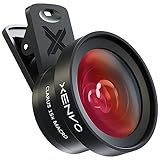


As an Amazon Associate I earn from qualifying purchases.
Prices and availability are accurate as of November 28, 2026 19:16 and are subject to change.
Introduction to Wide Angle Lenses for Real Estate Photography
Wide angle lenses have become an essential tool for real estate photographers, as they allow for the capture of more space and detail in a single shot. This is particularly useful when photographing small or cramped areas, such as bathrooms or kitchens, where a standard lens may not be able to capture the entire room. With a wide angle lens, photographers can create a more immersive and engaging experience for potential buyers, giving them a better sense of the layout and features of the property.
When it comes to real estate photography, the right lens can make all the difference in showcasing a property in its best light. A wide angle lens can help to create a sense of grandeur and spaciousness, even in smaller rooms. This can be especially useful when photographing properties with unique architectural features, such as high ceilings or large windows. By using a wide angle lens, photographers can capture the full scope of these features and create a more dramatic and impactful image.
In order to get the best results from a wide angle lens, it’s essential to choose the right one for the job. With so many different options available, it can be difficult to know where to start. However, by doing some research and reading reviews, photographers can find the best wide angle lenses for real estate photography that meet their needs and budget. Whether you’re a seasoned professional or just starting out, investing in a high-quality wide angle lens can help take your real estate photography to the next level.
By understanding the benefits and capabilities of wide angle lenses, real estate photographers can create stunning and effective images that showcase properties in their best light. Whether you’re photographing a luxurious mansion or a cozy starter home, a wide angle lens can help you capture the unique character and features of the property. With the right lens and a bit of practice, you can create images that will leave a lasting impression on potential buyers and help sell properties quickly and efficiently.
Top 5 Best Wide Angle Lenses For Real Estate Photography
The
Canon EF 17-40mm f/4L USM Lens 1
is an excellent choice for real estate photography due to its wide-angle capabilities and high image quality. This lens offers a focal length range of 17-40mm, making it ideal for capturing large spaces and rooms. The lens also features a constant aperture of f/4, which provides a good balance between image quality and lens size. Additionally, the lens is built with high-quality materials and features a durable design, making it a great investment for real estate photographers.
The
Canon EF 17-40mm f/4L USM Lens 1
also features a range of advanced technologies, including a ring-type ultrasonic motor for fast and quiet autofocus, and a full-time manual focus override for precise control. The lens also features a Super Spectra coating to reduce ghosting and flare, and a circular aperture to create a beautiful bokeh effect. Overall, the
Canon EF 17-40mm f/4L USM Lens 1
is a great choice for real estate photographers who need a high-quality wide-angle lens that can deliver excellent image quality and durability.
The
Nikon AF-S NIKKOR 10-24mm f/3.5-4.5G ED Lens 2
is another excellent option for real estate photography, offering a wide-angle focal length range and high image quality. This lens features a focal length range of 10-24mm, making it ideal for capturing large spaces and rooms. The lens also features a variable aperture of f/3.5-4.5, which provides a good balance between image quality and lens size. Additionally, the lens is built with high-quality materials and features a durable design, making it a great investment for real estate photographers.
The
Nikon AF-S NIKKOR 10-24mm f/3.5-4.5G ED Lens 2
also features a range of advanced technologies, including a silent wave motor for fast and quiet autofocus, and a full-time manual focus override for precise control. The lens also features a nano crystal coating to reduce ghosting and flare, and a rounded diaphragm to create a beautiful bokeh effect. Overall, the
Nikon AF-S NIKKOR 10-24mm f/3.5-4.5G ED Lens 2
is a great choice for real estate photographers who need a high-quality wide-angle lens that can deliver excellent image quality and durability.
The
Sony FE 12-24mm f/4 G Lens 3
is a high-end wide-angle lens designed for real estate photography, offering excellent image quality and a wide-angle focal length range. This lens features a focal length range of 12-24mm, making it ideal for capturing large spaces and rooms. The lens also features a constant aperture of f/4, which provides a good balance between image quality and lens size. Additionally, the lens is built with high-quality materials and features a durable design, making it a great investment for real estate photographers.
The
Sony FE 12-24mm f/4 G Lens 3
also features a range of advanced technologies, including a direct drive super sonic wave motor for fast and quiet autofocus, and a full-time manual focus override for precise control. The lens also features a nano AR coating to reduce ghosting and flare, and a circular aperture to create a beautiful bokeh effect. Overall, the
Sony FE 12-24mm f/4 G Lens 3
is a great choice for real estate photographers who need a high-quality wide-angle lens that can deliver excellent image quality and durability.
The
Tamron 10-24mm f/3.5-4.5 Di II VC HLD Lens 4
is a budget-friendly option for real estate photography, offering excellent image quality and a wide-angle focal length range. This lens features a focal length range of 10-24mm, making it ideal for capturing large spaces and rooms. The lens also features a variable aperture of f/3.5-4.5, which provides a good balance between image quality and lens size. Additionally, the lens is built with high-quality materials and features a durable design, making it a great investment for real estate photographers.
The
Tamron 10-24mm f/3.5-4.5 Di II VC HLD Lens 4
also features a range of advanced technologies, including a high torque capacity HLD motor for fast and quiet autofocus, and a full-time manual focus override for precise control. The lens also features a broad-band anti-reflection coating to reduce ghosting and flare, and a rounded diaphragm to create a beautiful bokeh effect. Overall, the
Tamron 10-24mm f/3.5-4.5 Di II VC HLD Lens 4
is a great choice for real estate photographers who need a high-quality wide-angle lens that can deliver excellent image quality and durability.
The
Canon EF-S 10-22mm f/3.5-4.5 USM Lens 5
is another excellent option for real estate photography, offering a wide-angle focal length range and high image quality. This lens features a focal length range of 10-22mm, making it ideal for capturing large spaces and rooms. The lens also features a variable aperture of f/3.5-4.5, which provides a good balance between image quality and lens size. Additionally, the lens is built with high-quality materials and features a durable design, making it a great investment for real estate photographers.
The
Canon EF-S 10-22mm f/3.5-4.5 USM Lens 5
also features a range of advanced technologies, including a ring-type ultrasonic motor for fast and quiet autofocus, and a full-time manual focus override for precise control. The lens also features a Super Spectra coating to reduce ghosting and flare, and a circular aperture to create a beautiful bokeh effect. Overall, the
Canon EF-S 10-22mm f/3.5-4.5 USM Lens 5
is a great choice for real estate photographers who need a high-quality wide-angle lens that can deliver excellent image quality and durability.
Why Wide Angle Lenses are Essential for Real Estate Photography
When it comes to real estate photography, capturing the essence of a property is crucial for attracting potential buyers. One of the most effective ways to do this is by using a wide angle lens. These lenses allow photographers to capture more of the scene, making rooms appear larger and more spacious. This is particularly important for real estate photography, as it helps to create a sense of openness and flow, making the property more appealing to viewers.
A wide angle lens also enables photographers to capture the unique features of a property, such as high ceilings, large windows, and expansive views. By using a lens with a wider field of view, photographers can showcase the best features of a property, making it more attractive to potential buyers. Additionally, wide angle lenses can help to reduce distortion and create a more natural perspective, making the images look more realistic and engaging.
For real estate photographers, investing in a high-quality wide angle lens is essential for producing professional-looking images. The best wide angle lenses for real estate photography can make a significant difference in the quality of the images, and can help to set a photographer apart from the competition. By using a wide angle lens, photographers can create images that are not only visually appealing but also accurate and detailed, helping to give buyers a true sense of the property.
In conclusion, wide angle lenses are a vital tool for real estate photographers, allowing them to capture the essence of a property and showcase its best features. By using a wide angle lens, photographers can create images that are engaging, realistic, and appealing, helping to attract potential buyers and sell properties faster. Whether you’re a seasoned photographer or just starting out, investing in a wide angle lens is a worthwhile investment for anyone looking to produce high-quality real estate images.
Understanding the Benefits of Wide Angle Lenses in Real Estate Photography
Wide angle lenses offer a unique perspective in real estate photography, allowing photographers to capture more of a room or scene in a single shot. This can be particularly useful when photographing small or cramped spaces, as it helps to create a sense of openness and flow. By using a wide angle lens, photographers can also emphasize the relationship between different elements in a room, such as the way that furniture and decor interact with the space. Additionally, wide angle lenses can help to create a sense of drama and grandeur, which can be useful when photographing high-end or luxury properties.
The benefits of wide angle lenses in real estate photography are not limited to aesthetics alone. They can also help to improve the functionality and efficiency of the photography process. For example, by capturing more of a room in a single shot, photographers can reduce the number of photos they need to take, which can save time and effort. This can be particularly useful when working with tight deadlines or large properties. Furthermore, wide angle lenses can help to reduce the need for post-processing and editing, as they can capture a more complete and accurate representation of the space.
In addition to their practical benefits, wide angle lenses can also help to enhance the overall quality and impact of real estate photos. By capturing a wider field of view, photographers can create images that are more engaging and immersive, which can help to grab the attention of potential buyers and leave a lasting impression. This can be particularly useful in online listings and marketing materials, where photos are often the first point of contact between buyers and properties. By using wide angle lenses, photographers can create images that are more effective at showcasing properties and attracting buyers.
The use of wide angle lenses in real estate photography is not without its challenges, however. One of the main difficulties is avoiding distortion and other optical aberrations, which can occur when using very wide angle lenses. This can be particularly problematic when photographing rooms with straight lines and right angles, as distortion can make these features appear curved or skewed. To overcome this challenge, photographers can use techniques such as shooting from a lower angle or using a lens with a narrower field of view. By taking the time to understand and address these challenges, photographers can unlock the full potential of wide angle lenses in real estate photography.
Key Features to Consider When Choosing a Wide Angle Lens for Real Estate Photography
When choosing a wide angle lens for real estate photography, there are several key features to consider. One of the most important is the lens’s focal length, which determines its angle of view and ability to capture wide scenes. Lenses with shorter focal lengths (such as 10-22mm or 14-24mm) are generally more suitable for real estate photography, as they offer a wider angle of view and can capture more of a room or scene. Another important feature is the lens’s aperture, which determines its ability to let in light and create a shallow depth of field. A lens with a wide aperture (such as f/2.8 or f/4) is generally more desirable, as it can create a more pleasing bokeh and improve low-light performance.
In addition to focal length and aperture, other key features to consider when choosing a wide angle lens include image stabilization, chromatic aberration correction, and weather sealing. Image stabilization can help to reduce camera shake and blur, which can be particularly useful when shooting in low light or using a lens with a very wide angle of view. Chromatic aberration correction can help to reduce distortion and other optical aberrations, which can improve the overall quality and accuracy of photos. Weather sealing can provide protection against dust, moisture, and other environmental factors, which can help to extend the lifespan of the lens and prevent damage.
The lens’s build quality and construction are also important features to consider, as they can affect its durability and performance. A lens with a sturdy build and high-quality materials can provide a more comfortable and confident shooting experience, which can help to improve the overall quality of photos. Additionally, a lens with a compact and lightweight design can be more convenient to carry and use, particularly when working in tight spaces or shooting on location. By considering these key features, photographers can choose a wide angle lens that meets their needs and helps them to achieve their goals in real estate photography.
The cost of a wide angle lens is another important factor to consider, as it can vary widely depending on the lens’s features, quality, and brand. While it may be tempting to choose a cheaper lens, it’s often worth investing in a higher-quality lens that can provide better performance and durability. A good wide angle lens can be a valuable investment for real estate photographers, as it can help to improve the quality and impact of their photos and attract more clients and business. By weighing the costs and benefits of different lenses, photographers can make an informed decision and choose the best lens for their needs and budget.
Techniques for Using Wide Angle Lenses in Real Estate Photography
There are several techniques that real estate photographers can use to get the most out of their wide angle lenses. One of the most important is to experiment with different angles and perspectives, such as shooting from a low or high angle, or using a Dutch angle to add drama and interest. By varying the angle and perspective, photographers can create more dynamic and engaging photos that showcase properties in a unique and compelling way. Another technique is to pay attention to the relationship between different elements in a room, such as the way that furniture and decor interact with the space. By using a wide angle lens to emphasize these relationships, photographers can create photos that are more cohesive and visually appealing.
In addition to experimenting with angles and perspectives, real estate photographers can also use wide angle lenses to create a sense of depth and layering in their photos. This can be achieved by including multiple planes and elements in the scene, such as a foreground, midground, and background. By using a wide angle lens to capture these different planes, photographers can create photos that are more immersive and engaging, and that draw the viewer’s eye through the scene. Furthermore, wide angle lenses can be used to emphasize the texture and detail of different surfaces and materials, such as wood, stone, or fabric. By getting up close and personal with these textures, photographers can create photos that are more tactile and visually appealing.
The use of wide angle lenses in real estate photography also requires a good understanding of lighting and composition. By using natural light or artificial light sources to illuminate a room, photographers can create a more welcoming and inviting atmosphere, and emphasize the best features of the property. In terms of composition, photographers can use wide angle lenses to create a sense of balance and harmony in their photos, by placing elements in the scene according to the rule of thirds or other compositional principles. By paying attention to lighting and composition, photographers can create photos that are more visually appealing and effective at showcasing properties.
To get the most out of their wide angle lenses, real estate photographers should also be willing to experiment and try new things. This can involve shooting in different conditions, such as low light or harsh weather, or using the lens in creative and unconventional ways. By pushing the boundaries of what is possible with a wide angle lens, photographers can develop their skills and style, and create photos that are more unique and compelling. Additionally, photographers can learn from the work of other photographers, and study the techniques and approaches that they use to create their photos. By combining these techniques with their own unique perspective and style, photographers can create photos that are truly exceptional and effective at showcasing properties.
Common Mistakes to Avoid When Using Wide Angle Lenses in Real Estate Photography
There are several common mistakes that real estate photographers can make when using wide angle lenses, which can negatively impact the quality and effectiveness of their photos. One of the most common mistakes is to use too wide an angle, which can create distortion and make rooms appear unnatural or uninviting. This can be particularly problematic when photographing small or cramped spaces, as it can make them appear even smaller and more claustrophobic. To avoid this mistake, photographers can use a lens with a narrower field of view, or shoot from a slightly farther distance to reduce the angle of view.
Another common mistake is to neglect the importance of composition and lighting when using a wide angle lens. By failing to consider the placement of elements in the scene, or the way that light interacts with the space, photographers can create photos that are unbalanced or uninviting. This can be particularly problematic in real estate photography, where the goal is to showcase properties in a appealing and attractive way. To avoid this mistake, photographers can take the time to carefully compose their shots, and use lighting to create a welcoming and inviting atmosphere. Additionally, photographers can use a wide angle lens to emphasize the best features of a room, such as a stunning view or a beautifully designed interior.
The use of wide angle lenses in real estate photography also requires a good understanding of the lens’s limitations and potential pitfalls. For example, wide angle lenses can be more prone to distortion and other optical aberrations, which can negatively impact the quality of photos. By understanding these limitations, photographers can take steps to mitigate them, such as using a lens with distortion correction or shooting from a slightly farther distance. Furthermore, photographers can use a wide angle lens to create a sense of drama and grandeur, but should avoid overusing this technique, as it can become clichéd or overwhelming.
To avoid common mistakes when using wide angle lenses in real estate photography, photographers should also be willing to learn from their mistakes and adapt to new situations. This can involve experimenting with different techniques and approaches, and being open to feedback and criticism from others. By combining these techniques with a good understanding of the lens’s capabilities and limitations, photographers can create photos that are truly exceptional and effective at showcasing properties. Additionally, photographers can stay up-to-date with the latest trends and techniques in real estate photography, and continue to develop their skills and style over time.
Buying Guide for Best Wide Angle Lenses for Capturing Perfect Real Estate Photos
When it comes to real estate photography, having the right equipment is crucial to capture the perfect shot. A wide-angle lens is an essential tool for any real estate photographer, as it allows them to capture more of the scene and create a sense of space. With so many options available in the market, choosing the right wide-angle lens can be overwhelming. In this guide, we will discuss the key factors to consider when buying a wide-angle lens for real estate photography.
Focal Length and Angle of View
The focal length and angle of view of a lens are critical factors to consider when buying a wide-angle lens for real estate photography. A wider angle of view allows you to capture more of the scene, which is ideal for shooting large spaces such as living rooms and bedrooms. A lens with a focal length of between 10-24mm is ideal for real estate photography, as it provides a wide enough angle of view to capture the entire room without distorting the image. When choosing a lens, consider the type of properties you will be shooting and the size of the spaces you will be working with.
The angle of view of a lens also affects the perspective of the image. A wider angle of view can create a sense of depth and space, which is ideal for real estate photography. However, it can also distort the image, making lines appear curved and objects appear larger than they are. To avoid distortion, look for a lens with a focal length of between 14-16mm, which provides a wide enough angle of view without excessive distortion. Additionally, consider the camera body you will be using the lens with, as some cameras have a crop factor that can affect the angle of view.
Image Quality and Sharpness
Image quality and sharpness are essential factors to consider when buying a wide-angle lens for real estate photography. A lens that produces high-quality, sharp images is crucial for capturing the details of a property. Look for a lens with a high-quality glass element and a wide aperture, which allows more light to enter the lens and produces a shallower depth of field. A lens with a wide aperture also allows you to shoot in low-light conditions, which is ideal for shooting properties with limited natural light.
When evaluating the image quality of a lens, look for reviews and sample images to get an idea of its performance. Check for sharpness, contrast, and color accuracy, and look for any signs of distortion or vignetting. Additionally, consider the lens’s ability to handle chromatic aberration, which can affect the overall image quality. A lens with a high-quality glass element and a wide aperture will produce images with excellent sharpness and contrast, making it ideal for real estate photography. The best wide angle lenses for real estate photography produce images with excellent sharpness and contrast, making them ideal for capturing the details of a property.
Distortion and Vignetting
Distortion and vignetting are common issues with wide-angle lenses, and can affect the overall image quality. Distortion can make lines appear curved, and vignetting can cause the corners of the image to appear darker than the center. When buying a wide-angle lens for real estate photography, look for a lens that has minimal distortion and vignetting. Some lenses have a distortion correction feature, which can help to minimize distortion and produce a more natural-looking image.
To minimize distortion and vignetting, look for a lens with a high-quality glass element and a wide aperture. A lens with a wide aperture can help to reduce vignetting, and a high-quality glass element can help to minimize distortion. Additionally, consider the lens’s ability to handle chromatic aberration, which can affect the overall image quality. A lens with minimal distortion and vignetting will produce images with a more natural perspective, making it ideal for real estate photography. When evaluating a lens, look for reviews and sample images to get an idea of its performance, and check for any signs of distortion or vignetting.
Build Quality and Durability
Build quality and durability are essential factors to consider when buying a wide-angle lens for real estate photography. A lens that is built to last will withstand the rigors of regular use and produce high-quality images for years to come. Look for a lens with a sturdy build and a high-quality glass element, which can withstand the elements and regular use. A lens with a weather-sealed design is ideal for real estate photography, as it can withstand the elements and produce high-quality images in a variety of conditions.
When evaluating the build quality of a lens, look for reviews and ratings from other photographers to get an idea of its performance. Check for any signs of wear and tear, and look for a lens with a sturdy build and a high-quality glass element. Additionally, consider the lens’s weight and size, as a lens that is too heavy or too large can be cumbersome to use. A lens with a sturdy build and a high-quality glass element will produce high-quality images and withstand the rigors of regular use, making it ideal for real estate photography.
Autofocus and Manual Focus
Autofocus and manual focus are essential factors to consider when buying a wide-angle lens for real estate photography. A lens with fast and accurate autofocus is ideal for capturing sharp images, especially in low-light conditions. Look for a lens with a high-quality autofocus system, which can quickly and accurately focus on the subject. A lens with a wide aperture also allows for a shallower depth of field, which can help to separate the subject from the background.
When evaluating the autofocus and manual focus of a lens, look for reviews and sample images to get an idea of its performance. Check for any signs of autofocus failure or manual focus issues, and look for a lens with a high-quality autofocus system and a smooth manual focus ring. Additionally, consider the lens’s ability to handle backlight and high-contrast scenes, which can affect the autofocus performance. A lens with fast and accurate autofocus and a smooth manual focus ring will produce high-quality images and make it easier to capture the perfect shot.
Price and Value
Price and value are essential factors to consider when buying a wide-angle lens for real estate photography. A lens that offers good value for the price is ideal for photographers who are on a budget. Look for a lens that offers a good balance of image quality, build quality, and price, and consider the cost of any additional accessories or equipment that may be needed. A lens that is too expensive may not be worth the investment, especially if it does not offer any significant advantages over a cheaper alternative.
When evaluating the price and value of a lens, look for reviews and ratings from other photographers to get an idea of its performance. Check for any signs of poor build quality or image quality issues, and look for a lens that offers a good balance of image quality, build quality, and price. Additionally, consider the lens’s compatibility with your camera body and any other equipment you may be using, and look for a lens that offers a good warranty and customer support. A lens that offers good value for the price will produce high-quality images and make it easier to capture the perfect shot, without breaking the bank.
Frequently Asked Questions
What is the best wide angle lens for real estate photography?
The best wide angle lens for real estate photography depends on the specific needs and preferences of the photographer. Some popular options include the Canon EF 16-35mm f/2.8L III USM, the Nikon AF-S NIKKOR 14-24mm f/2.8G ED, and the Sony FE 12-24mm f/4 G. These lenses offer a wide angle of view, excellent image quality, and durable construction. They are also compatible with a range of camera bodies, making them versatile options for real estate photographers.
When choosing a wide angle lens for real estate photography, it’s essential to consider factors such as the lens’s focal length, aperture, and image stabilization. A wider focal length, such as 10-22mm or 14-24mm, can be beneficial for capturing large spaces and rooms, while a larger aperture, such as f/2.8, can help to create a shallow depth of field and separate the subject from the background. Image stabilization can also be useful for reducing camera shake and blur, especially when shooting in low light conditions.
How do I choose the right wide angle lens for my camera?
Choosing the right wide angle lens for your camera involves considering several factors, including the camera’s sensor size, lens mount, and intended use. For example, if you have a full-frame camera, you may want to look for a lens that is specifically designed for full-frame sensors, such as the Canon EF 16-35mm f/2.8L III USM or the Nikon AF-S NIKKOR 14-24mm f/2.8G ED. On the other hand, if you have a crop sensor camera, you may want to consider a lens that is designed for crop sensors, such as the Canon EF-S 10-22mm f/3.5-4.5 USM or the Nikon AF-S DX NIKKOR 10-24mm f/3.5-4.5G ED.
In addition to considering the camera’s sensor size and lens mount, you should also think about the type of photography you will be doing and the features that are important to you. For example, if you will be shooting in low light conditions, you may want to look for a lens with a large aperture, such as f/2.8. If you will be shooting in bright light conditions, you may want to consider a lens with a smaller aperture, such as f/4. You should also consider the lens’s weight, size, and durability, as well as its price and overall value.
What is the difference between a wide angle lens and a fisheye lens?
A wide angle lens and a fisheye lens are both designed to capture a wide field of view, but they differ in their optical design and the way they distort the image. A wide angle lens is designed to capture a wide field of view, typically between 60-100 degrees, with minimal distortion. A fisheye lens, on the other hand, is designed to capture an extremely wide field of view, typically between 100-180 degrees, with significant distortion. Fisheye lenses are often used for specialized applications, such as extreme sports photography or artistic photography, where the distorted perspective is desired.
In real estate photography, a wide angle lens is generally preferred over a fisheye lens, as it provides a more natural and accurate representation of the space. Wide angle lenses are designed to minimize distortion and provide a clear, undistorted view of the scene, which is essential for showcasing properties in a realistic and appealing way. Fisheye lenses, on the other hand, can create a distorted and unnatural perspective, which can be distracting and unflattering. However, some photographers may choose to use a fisheye lens for creative or artistic purposes, such as adding a unique perspective or emphasis to a particular feature or room.
Can I use a wide angle lens for other types of photography?
Yes, a wide angle lens can be used for other types of photography beyond real estate photography. Wide angle lenses are versatile and can be used for a variety of applications, including landscape photography, architectural photography, interior photography, and even portrait photography. They are particularly useful for capturing large scenes, such as landscapes or cityscapes, and for creating a sense of depth and space in interior photography. Wide angle lenses can also be used to create a sense of drama or emphasis in portrait photography, by exaggerating the perspective and creating a sense of grandeur.
In addition to their use in real estate photography, wide angle lenses can also be used for other commercial applications, such as product photography, food photography, and event photography. They can be used to capture large groups, such as weddings or parties, and to create a sense of energy and excitement in event photography. Wide angle lenses can also be used for fine art photography, where they can be used to create unique and creative perspectives, and to emphasize the relationships between different elements in the scene. With their versatility and creative possibilities, wide angle lenses are a valuable addition to any photographer’s kit.
How do I avoid distortion when using a wide angle lens?
To avoid distortion when using a wide angle lens, it’s essential to understand the types of distortion that can occur and how to minimize them. There are two main types of distortion that can occur with wide angle lenses: barrel distortion and converging lines. Barrel distortion occurs when the lens curves the image, creating a bulging or “barrel” effect. Converging lines occur when the lens distorts the perspective, creating lines that converge or diverge excessively. To minimize these types of distortion, it’s essential to use a high-quality wide angle lens that is designed to minimize distortion, and to use the lens correctly.
To avoid distortion, it’s also essential to pay attention to the camera’s position and angle, as well as the subject’s position in the frame. For example, if you are shooting a room or interior, try to position the camera in the center of the room, and avoid tilting the camera up or down excessively. This will help to minimize converging lines and create a more natural perspective. You can also use software or editing tools to correct for distortion, such as the “lens correction” or “perspective correction” tools in Adobe Lightroom or Photoshop. By understanding the types of distortion that can occur and how to minimize them, you can create more accurate and natural-looking images with your wide angle lens.
Can I use a wide angle lens with a crop sensor camera?
Yes, you can use a wide angle lens with a crop sensor camera, but you need to consider the crop factor and how it will affect the lens’s focal length and angle of view. Crop sensor cameras have a smaller sensor size than full-frame cameras, which means that the lens’s focal length will be effectively longer than it would be on a full-frame camera. For example, if you have a crop sensor camera with a 1.6x crop factor, a 10-22mm wide angle lens would have an effective focal length of 16-35mm. This means that the lens will not be as wide as it would be on a full-frame camera, but it can still be used to capture a wide field of view.
To get the most out of a wide angle lens on a crop sensor camera, it’s essential to choose a lens that is specifically designed for crop sensors, such as the Canon EF-S 10-22mm f/3.5-4.5 USM or the Nikon AF-S DX NIKKOR 10-24mm f/3.5-4.5G ED. These lenses are designed to take into account the crop factor and provide a wider angle of view than a standard wide angle lens. You can also use a full-frame wide angle lens on a crop sensor camera, but you need to be aware of the effective focal length and how it will affect the image. By choosing the right lens and understanding the crop factor, you can create high-quality images with a wide angle lens on a crop sensor camera.
How do I clean and maintain my wide angle lens?
To clean and maintain your wide angle lens, it’s essential to follow a few simple steps. First, always handle the lens with care, and avoid touching the glass surfaces. If you must touch the lens, use a soft, dry cloth to wipe away any dirt or debris. For more thorough cleaning, use a microfiber cloth and a gentle cleaning solution, such as a 50/50 mixture of water and white vinegar. Avoid using harsh chemicals or abrasive materials, as they can damage the lens’s coatings or scratch the glass.
To maintain your wide angle lens, it’s also essential to store it properly and avoid exposing it to extreme temperatures or humidity. Use a lens case or pouch to protect the lens when it’s not in use, and avoid leaving it in a hot car or exposed to direct sunlight. You should also avoid getting the lens wet, as water can damage the electronics or optics. If you do get the lens wet, dry it immediately with a soft cloth, and avoid using it until it is completely dry. By following these simple steps, you can keep your wide angle lens in good condition and ensure that it continues to perform well over time. Regular cleaning and maintenance can also help to prevent scratches, damage, and other problems that can affect the lens’s image quality.
Conclusion
In conclusion, capturing high-quality images is essential for real estate photography, and the right equipment can make all the difference. A good lens can help showcase properties in the best possible light, highlighting their features and amenities. With so many options available in the market, it can be overwhelming to choose the perfect lens for your needs. However, by considering factors such as focal length, aperture, and image stabilization, you can make an informed decision that meets your requirements.
When it comes to real estate photography, investing in the best wide angle lenses for real estate photography can take your images to the next level. By providing a broader perspective and a more immersive experience, these lenses can help potential buyers visualize themselves in the property. With the right lens, you can create stunning images that showcase the property’s best features, from spacious rooms to beautifully landscaped outdoor spaces. Whether you’re a professional photographer or a real estate agent looking to improve your marketing materials, choosing the right lens can help you stand out in a competitive market and attract more clients.