Engaging in regular physical activity such as walking and jogging is an excellent way to improve overall health and wellbeing. Not only can it help to boost cardiovascular fitness, but it can also reduce the risk of chronic diseases and improve mental health. For those who enjoy walking and jogging, having the right footwear is essential to ensure a comfortable and enjoyable experience. With so many different types of shoes available on the market, it can be difficult to know which ones to choose, particularly for those who are new to these activities.
When it comes to finding the perfect footwear for these activities, it is crucial to consider several factors such as comfort, support, and durability. The best shoes for walking and jogging should provide adequate arch support, cushioning, and traction to prevent injuries and ensure a smooth ride. With the numerous options available, selecting the right pair can be overwhelming, especially for beginners. In this article, we will provide a comprehensive guide to help you make an informed decision when choosing the perfect shoes for your walking and jogging needs, including reviews of top-rated models and expert tips on what to look for when making your purchase.
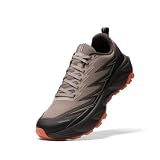
Before we get to our review of the best shoes for walking and jogging, let’s browse through some relevant products on Amazon:


As an Amazon Associate I earn from qualifying purchases.
Prices and availability are accurate as of November 28, 2026 10:19 and are subject to change.
Introduction to Shoes for Walking and Jogging
When it comes to engaging in physical activities such as walking and jogging, having the right footwear is essential. This is because the right shoes can provide the necessary support and comfort to help prevent injuries and ensure a pleasant experience. Shoes designed for walking and jogging are typically designed with specific features in mind, such as arch support, cushioning, and breathability.
These features are crucial in helping to absorb the impact of each step, reduce friction, and keep the feet cool and dry. Additionally, shoes for walking and jogging often have a more substantial heel-to-toe drop than other types of shoes, which helps to reduce the stress on the feet and ankles. By wearing shoes that are designed specifically for walking and jogging, individuals can help to reduce their risk of injury and improve their overall performance.
For individuals who engage in walking and jogging on a regular basis, finding the best shoes for walking and jogging is crucial. This is because the right shoes can make all the difference in terms of comfort, support, and performance. By choosing shoes that are designed with the specific needs of walkers and joggers in mind, individuals can help to ensure that they are getting the most out of their workout.
Overall, shoes for walking and jogging are an essential piece of equipment for anyone who engages in these activities on a regular basis. By providing the necessary support, comfort, and protection, these shoes can help to improve performance, reduce the risk of injury, and enhance the overall walking and jogging experience. Whether you are a seasoned athlete or just starting out, investing in a good pair of shoes is a crucial step in getting the most out of your workout.
Best Shoes For Walking And Jogging – Reviewed
1. Brooks Ghost
The Brooks Ghost is a popular choice among walkers and joggers due to its superior cushioning and smooth ride. It features a DNA LOFT midsole that provides customized cushioning, making it suitable for runners with different running styles. The shoe also has a Segmented Crash Pad that allows for smooth heel-to-toe transition, reducing the impact on the joints. Additionally, the Ghost has a breathable mesh upper that keeps the feet cool and dry during long walks or jogs.
The Brooks Ghost is a great option for those who prioritize comfort and support. It is available in various widths, making it suitable for runners with different foot shapes. The shoe also has a reasonable price point, making it an excellent value for its quality. However, some users have reported that the Ghost can be a bit heavy, which may affect its performance during faster runs. Nevertheless, it remains one of the best shoes for walking and jogging, offering a perfect balance of comfort, support, and performance.
2. ASICS Gel-Kayano
The ASICS Gel-Kayano is a high-end shoe designed for walkers and joggers who need superior support and stability. It features a Spacer Mesh upper that provides excellent breathability and a comfortable fit. The shoe also has a FlyteFoam midsole that offers a responsive and springy ride, making it suitable for runners who need a bit of extra bounce. Additionally, the Gel-Kayano has a Dynamic DuoMax Support System that provides excellent support and stability, making it an excellent choice for runners with flat feet or other foot issues.
The ASICS Gel-Kayano is a great option for those who need a high-level of support and stability. It is designed to provide a comfortable and smooth ride, making it suitable for long walks or jogs. The shoe also has a durable outsole that provides excellent traction, making it suitable for running on various surfaces. However, the Gel-Kayano can be a bit pricey, which may be a deterrent for some users. Nevertheless, it remains one of the best shoes for walking and jogging, offering a perfect balance of support, stability, and performance.
3. New Balance Fresh Foam
The New Balance Fresh Foam is a versatile shoe that is suitable for walking, jogging, and even running. It features a Fresh Foam midsole that provides a responsive and cushioned ride, making it comfortable for long walks or jogs. The shoe also has a breathable mesh upper that keeps the feet cool and dry during exercise. Additionally, the Fresh Foam has a supportive and stable ride, making it suitable for runners with different foot shapes and running styles.
The New Balance Fresh Foam is a great option for those who prioritize comfort and versatility. It is available in various widths and sizes, making it suitable for runners with different foot shapes. The shoe also has a reasonable price point, making it an excellent value for its quality. However, some users have reported that the Fresh Foam can be a bit heavy, which may affect its performance during faster runs. Nevertheless, it remains one of the best shoes for walking and jogging, offering a perfect balance of comfort, support, and performance.
4. Nike Air Zoom Pegasus
The Nike Air Zoom Pegasus is a popular shoe among walkers and joggers due to its superior cushioning and responsive ride. It features a Zoom Air unit in the heel that provides a springy and responsive feel, making it suitable for runners who need a bit of extra bounce. The shoe also has a breathable mesh upper that keeps the feet cool and dry during exercise. Additionally, the Pegasus has a supportive and stable ride, making it suitable for runners with different foot shapes and running styles.
The Nike Air Zoom Pegasus is a great option for those who prioritize comfort and performance. It is designed to provide a smooth and responsive ride, making it suitable for long walks or jogs. The shoe also has a durable outsole that provides excellent traction, making it suitable for running on various surfaces. However, the Pegasus can be a bit pricey, which may be a deterrent for some users. Nevertheless, it remains one of the best shoes for walking and jogging, offering a perfect balance of comfort, support, and performance.
5. Saucony Guide
The Saucony Guide is a supportive shoe designed for walkers and joggers who need a bit of extra stability. It features a PWRTRAC technology that provides a supportive and stable ride, making it suitable for runners with flat feet or other foot issues. The shoe also has a breathable mesh upper that keeps the feet cool and dry during exercise. Additionally, the Guide has a EVERUN topsole that provides a responsive and cushioned ride, making it comfortable for long walks or jogs.
The Saucony Guide is a great option for those who prioritize support and stability. It is designed to provide a comfortable and smooth ride, making it suitable for walkers and joggers who need a bit of extra support. The shoe also has a durable outsole that provides excellent traction, making it suitable for running on various surfaces. However, the Guide can be a bit heavy, which may affect its performance during faster runs. Nevertheless, it remains one of the best shoes for walking and jogging, offering a perfect balance of support, stability, and performance.
Importance of Proper Footwear for Walking and Jogging
Engaging in regular walking and jogging can have numerous health benefits, including improved cardiovascular health, increased strength, and enhanced mental well-being. However, it is essential to wear the right type of shoes to maximize these benefits and prevent potential injuries. Walking and jogging involve repetitive movements that can put significant stress on the feet, ankles, and legs. Without proper support and cushioning, individuals may experience discomfort, pain, and even long-term damage to their joints and muscles.
The primary reason people need to buy shoes specifically designed for walking and jogging is to provide adequate support and protection for their feet. These shoes are typically designed with features such as arch support, cushioning, and breathable materials to keep the feet cool and dry. They also often have a more substantial heel-to-toe drop to facilitate a smooth transition from heel strike to toe-off, reducing the impact on the joints. Furthermore, walking and jogging shoes are usually made with durable materials that can withstand the repeated stress and friction associated with these activities.
In addition to providing support and protection, shoes designed for walking and jogging can also improve performance and overall comfort. They can help individuals maintain a consistent stride, reduce their risk of injury, and enhance their overall walking or jogging experience. When selecting shoes for these activities, it is crucial to consider factors such as foot shape, running or walking style, and personal preferences. By choosing the best shoes for walking and jogging, individuals can optimize their performance, reduce their risk of injury, and enjoy a more comfortable and enjoyable experience.
Ultimately, investing in proper footwear is essential for anyone who engages in regular walking or jogging. Not only can it prevent injuries and improve performance, but it can also enhance the overall enjoyment of these activities. With the numerous benefits associated with walking and jogging, it is no wonder that so many people incorporate these activities into their daily routines. By prioritizing proper footwear and selecting shoes that meet their specific needs, individuals can maximize the benefits of walking and jogging while minimizing the risks of injury and discomfort.
Key Features to Consider When Choosing Shoes for Walking and Jogging
When it comes to selecting the right shoes for walking and jogging, there are several key features to consider. One of the most important features is the level of cushioning and support provided by the shoe. A good walking or jogging shoe should have sufficient cushioning to absorb the impact of each step, reducing the risk of injury and discomfort. Additionally, the shoe should provide adequate support for the foot, particularly in the arch and ankle areas. This can help to prevent conditions such as plantar fasciitis and ankle sprains.
Another important feature to consider is the breathability of the shoe. A breathable shoe will allow for airflow and moisture transfer, helping to keep the foot cool and dry during exercise. This can be particularly important for joggers, who may be exercising for extended periods of time and generating a significant amount of heat and sweat. Look for shoes with mesh panels or other breathable materials to help keep the foot cool and dry.
The traction and grip of the shoe are also important considerations, particularly for joggers who may be running on uneven or slippery surfaces. A good jogging shoe should have a sturdy sole with deep treads to provide traction and grip, reducing the risk of slipping or falling. Finally, consider the weight and flexibility of the shoe, as a lighter and more flexible shoe can be more comfortable and easier to wear during exercise.
In addition to these features, it’s also important to consider the fit and comfort of the shoe. A good walking or jogging shoe should fit comfortably and provide adequate support and cushioning for the foot. Look for shoes with a comfortable and breathable upper material, and consider features such as a padded collar and tongue for added comfort.
The Benefits of Wearing Proper Shoes for Walking and Jogging
Wearing proper shoes for walking and jogging can have a significant impact on overall health and well-being. One of the most significant benefits is the reduction of injury risk. Wearing shoes that are designed specifically for walking or jogging can help to reduce the risk of injury, particularly in the feet and ankles. This is because walking and jogging shoes are designed to provide support and cushioning, reducing the impact of each step and minimizing the risk of conditions such as plantar fasciitis and ankle sprains.
In addition to reducing injury risk, wearing proper shoes for walking and jogging can also improve overall performance and comfort during exercise. Shoes that are designed for walking or jogging can provide a more comfortable and supportive fit, allowing for a more enjoyable and effective workout. This can be particularly important for joggers, who may be exercising for extended periods of time and generating a significant amount of heat and sweat. By wearing shoes that are designed to keep the foot cool and dry, joggers can stay comfortable and focused throughout their workout.
Wearing proper shoes for walking and jogging can also have long-term health benefits. For example, wearing shoes that provide adequate support and cushioning can help to reduce the risk of chronic conditions such as arthritis and osteoporosis. This is because walking and jogging can be high-impact activities, and wearing shoes that are designed to reduce the impact of each step can help to minimize the risk of long-term damage to the joints and bones.
Furthermore, wearing proper shoes for walking and jogging can also improve overall mental health and well-being. Exercise has been shown to have a positive impact on mental health, reducing stress and anxiety and improving mood and self-esteem. By wearing shoes that are comfortable and supportive, individuals can stay focused and motivated throughout their workout, enjoying the many benefits that exercise has to offer.
How to Choose the Right Size and Fit for Your Shoes
Choosing the right size and fit for your shoes is crucial for comfort and performance during walking and jogging. One of the most important things to consider is the length and width of the shoe. A good walking or jogging shoe should fit comfortably, with enough room in the toe box to wiggle the toes and a snug fit in the heel. Consider trying on shoes at the end of the day, as feet tend to swell throughout the day and you want to ensure a comfortable fit.
In addition to considering the length and width of the shoe, it’s also important to think about the depth and volume of the shoe. A good walking or jogging shoe should have a comfortable and supportive fit, with enough room for the foot to breathe and move. Consider features such as a padded collar and tongue, as well as a breathable upper material, to help keep the foot cool and dry during exercise.
Another important consideration is the type of foot you have. For example, individuals with flat feet or low arches may require a shoe with additional support and stability, while those with high arches may require a shoe with more cushioning and flexibility. Consider visiting a specialty running or walking store, where knowledgeable staff can help you determine the best type of shoe for your foot type and needs.
It’s also important to consider the type of walking or jogging you will be doing, as well as the terrain and surface you will be on. For example, joggers who will be running on trails or uneven surfaces may require a shoe with more traction and grip, while walkers who will be walking on flat surfaces may require a shoe with more cushioning and support. By considering these factors, you can choose a shoe that is tailored to your specific needs and preferences.
Common Mistakes to Avoid When Buying Shoes for Walking and Jogging
When buying shoes for walking and jogging, there are several common mistakes to avoid. One of the most significant mistakes is buying a shoe that is too small or too large. A shoe that is too small can cause discomfort and pain, particularly in the toes and heel, while a shoe that is too large can cause blisters and instability. Consider trying on shoes at the end of the day, as feet tend to swell throughout the day and you want to ensure a comfortable fit.
Another common mistake is not considering the type of foot you have. For example, individuals with flat feet or low arches may require a shoe with additional support and stability, while those with high arches may require a shoe with more cushioning and flexibility. Failing to consider the type of foot you have can result in a shoe that is not tailored to your specific needs and preferences, leading to discomfort and injury.
In addition to these mistakes, it’s also important to avoid buying a shoe based solely on price or brand. While it may be tempting to choose a shoe based on its low price or popular brand, this can be a mistake. Instead, consider the features and benefits of the shoe, as well as the type of walking or jogging you will be doing. By choosing a shoe that is tailored to your specific needs and preferences, you can ensure a comfortable and effective workout.
Furthermore, it’s also important to avoid neglecting to break in your shoes. Breaking in your shoes can help to reduce the risk of blisters and discomfort, particularly during the first few wearings. Consider wearing your shoes for short periods of time at first, gradually increasing the duration and intensity of your workouts as the shoes become more comfortable and broken in. By avoiding these common mistakes, you can choose a shoe that is comfortable, supportive, and tailored to your specific needs and preferences.
Comprehensive Buying Guide for the Best Shoes for Fitness Enthusiasts
When it comes to engaging in physical activities such as walking and jogging, having the right footwear is essential to ensure comfort, support, and performance. With numerous options available in the market, selecting the ideal shoe can be a daunting task. This buying guide aims to provide valuable insights and information to help individuals make an informed decision when purchasing shoes for their fitness needs.
Comfort and Fit
Comfort and fit are crucial factors to consider when buying shoes for walking and jogging. A shoe that fits well and provides adequate comfort can make a significant difference in the overall walking or jogging experience. It is essential to try on several options and walk around to ensure the shoe feels comfortable and supportive. The shoe should have a snug fit, but not too tight, allowing for a full range of motion. Additionally, the shoe’s upper material should be breathable, allowing for airflow and moisture-wicking properties to keep the feet dry and cool.
The comfort and fit of a shoe can also be determined by the type of cushioning and support it provides. Shoes with adequate cushioning and support can help reduce the impact of each step, minimizing the risk of injury and discomfort. Furthermore, shoes with a comfortable and supportive fit can help improve performance, allowing individuals to walk or jog for longer periods without feeling fatigued. It is also important to consider the width and depth of the shoe, as a shoe that is too narrow or too shallow can cause discomfort and pain.
Support and Stability
Support and stability are vital factors to consider when buying shoes for walking and jogging. A shoe that provides adequate support and stability can help reduce the risk of injury and improve overall performance. Shoes with good arch support and a stable heel counter can help prevent excessive pronation or supination, reducing the risk of ankle and knee injuries. Additionally, shoes with a supportive and stable midsole can help absorb the impact of each step, minimizing the risk of shock and discomfort.
The level of support and stability required can vary depending on individual needs and preferences. For example, individuals with flat feet or low arches may require shoes with additional support and stability, while those with high arches may prefer shoes with more cushioning and flexibility. It is also important to consider the type of walking or jogging activity, as shoes designed for trail walking or jogging may require more support and stability than shoes designed for road walking or jogging. By considering these factors, individuals can select a shoe that provides the right level of support and stability for their specific needs.
Traction and Grip
Traction and grip are essential factors to consider when buying shoes for walking and jogging. A shoe with good traction and grip can help prevent slipping and falling, reducing the risk of injury. Shoes with aggressive tread patterns and lugs can provide excellent traction on various surfaces, including trails, roads, and sidewalks. Additionally, shoes with a durable and grippy outsole can help improve stability and confidence, allowing individuals to walk or jog with ease.
The type of traction and grip required can vary depending on the terrain and surface. For example, shoes designed for trail walking or jogging may require more aggressive tread patterns and lugs to provide traction on uneven and slippery surfaces. On the other hand, shoes designed for road walking or jogging may require less aggressive tread patterns and more emphasis on durability and grip. It is also important to consider the weather conditions, as shoes with good traction and grip can help prevent slipping and falling on wet or icy surfaces. By selecting a shoe with the right level of traction and grip, individuals can enjoy a safe and confident walking or jogging experience.
Weight and Flexibility
Weight and flexibility are important factors to consider when buying shoes for walking and jogging. A shoe that is lightweight and flexible can help improve performance and reduce fatigue. Shoes with a lightweight and breathable upper material can help keep the feet cool and dry, while a flexible midsole can help absorb the impact of each step and provide a smooth ride. Additionally, shoes with a low-profile design can help improve stability and reduce the risk of ankle rolls.
The weight and flexibility of a shoe can also be determined by the type of materials used. For example, shoes made from lightweight and flexible materials such as mesh and synthetic materials can provide a more responsive and agile feel. On the other hand, shoes made from heavier and more supportive materials such as leather and rubber can provide more stability and support. It is also important to consider the type of walking or jogging activity, as shoes designed for long-distance walking or jogging may require more cushioning and support, while shoes designed for short-distance walking or jogging may require more flexibility and responsiveness. By selecting a shoe with the right weight and flexibility, individuals can enjoy a comfortable and enjoyable walking or jogging experience.
Breathability and Moisture Management
Breathability and moisture management are crucial factors to consider when buying shoes for walking and jogging. A shoe that is breathable and moisture-wicking can help keep the feet dry and cool, reducing the risk of blisters and discomfort. Shoes with a breathable upper material such as mesh can provide excellent airflow and moisture-wicking properties, while a moisture-wicking lining can help keep the feet dry and cool. Additionally, shoes with a drainage system can help remove excess moisture and reduce the risk of waterlogging.
The breathability and moisture management of a shoe can also be determined by the type of materials used. For example, shoes made from breathable and moisture-wicking materials such as mesh and synthetic materials can provide a more comfortable and dry feel. On the other hand, shoes made from less breathable materials such as leather and rubber can provide more support and stability, but may require more frequent cleaning and maintenance. It is also important to consider the type of walking or jogging activity, as shoes designed for high-intensity walking or jogging may require more breathability and moisture management, while shoes designed for low-intensity walking or jogging may require less. By selecting a shoe with good breathability and moisture management, individuals can enjoy a comfortable and dry walking or jogging experience, and the best shoes for walking and jogging will provide the necessary features to keep feet happy and healthy.
Durability and Maintenance
Durability and maintenance are important factors to consider when buying shoes for walking and jogging. A shoe that is durable and easy to maintain can help extend its lifespan and reduce the need for frequent replacements. Shoes with a durable outsole and midsole can provide excellent traction and support, while a breathable and moisture-wicking upper material can help keep the feet dry and cool. Additionally, shoes with a easy-to-clean design can help reduce the risk of dirt and debris buildup, making maintenance easier and more convenient.
The durability and maintenance of a shoe can also be determined by the type of materials used and the quality of construction. For example, shoes made from high-quality materials such as rubber and synthetic materials can provide a more durable and long-lasting performance, while shoes made from lower-quality materials may require more frequent replacements. It is also important to consider the type of walking or jogging activity, as shoes designed for high-intensity walking or jogging may require more durable and supportive materials, while shoes designed for low-intensity walking or jogging may require less. By selecting a shoe with good durability and maintenance, individuals can enjoy a long-lasting and comfortable walking or jogging experience, and reduce the need for frequent replacements and maintenance.
FAQ
What are the key features to look for in walking and jogging shoes?
When it comes to walking and jogging shoes, there are several key features to look for. First and foremost, you want to make sure the shoes have a good amount of cushioning and support. This will help to reduce the impact on your joints and prevent injuries. You should also look for shoes with a breathable upper material, such as mesh, to help keep your feet cool and dry. Additionally, consider the type of terrain you will be walking or jogging on and choose shoes with a suitable outsole, such as trails or roads.
The weight of the shoe is also an important factor to consider. Lighter shoes can be beneficial for jogging, as they can help to improve your speed and efficiency. However, if you plan on walking or jogging on uneven terrain, you may want to opt for a slightly heavier shoe with more support and stability. Finally, consider the fit of the shoe, making sure it is comfortable and secure. A good fit will help to prevent blisters and discomfort, allowing you to focus on your walk or jog.
How do I choose the right size and fit for my walking and jogging shoes?
Choosing the right size and fit for your walking and jogging shoes is crucial to ensure a comfortable and enjoyable experience. Start by trying on shoes at the end of the day, as your feet tend to swell throughout the day. Wear the same type of socks you plan on wearing while walking or jogging, and try on several different sizes to find the best fit. Make sure there is enough room in the toe box for your toes to wiggle and that the heel fits snugly.
It’s also a good idea to walk or jog around the store to make sure the shoes feel comfortable and supportive. Pay attention to any areas of discomfort or pressure, and don’t be afraid to ask for advice from a sales associate. Keep in mind that different brands and models may fit slightly differently, so it’s a good idea to try on several options to find the best fit for you. By taking the time to find the right size and fit, you can help prevent blisters, discomfort, and other issues that can ruin your walk or jog.
What is the difference between walking and jogging shoes?
Walking and jogging shoes are designed for different activities and have distinct features. Walking shoes are designed for low-impact activities and typically have a more relaxed fit and a softer, more cushioned ride. They often have a more substantial heel-to-toe offset and a more supportive upper material. Jogging shoes, on the other hand, are designed for high-impact activities and typically have a more secure fit and a more responsive ride. They often have a more minimal heel-to-toe offset and a more breathable upper material.
The main difference between walking and jogging shoes is the amount of cushioning and support. Jogging shoes need to be able to absorb the impact of each step, so they tend to have more substantial midsoles and more supportive features. Walking shoes, on the other hand, can have less cushioning and support, as the impact is lower. However, both types of shoes should have good arch support and a comfortable fit to help prevent injuries and discomfort. By choosing the right type of shoe for your activity, you can help ensure a comfortable and enjoyable experience.
Can I wear walking shoes for jogging?
While it’s technically possible to wear walking shoes for jogging, it’s not recommended. Walking shoes are designed for low-impact activities and may not provide enough support or cushioning for the high-impact activity of jogging. Jogging in walking shoes can increase your risk of injury, particularly to your joints and feet. Walking shoes may not have enough stability or support to handle the repetitive impact of jogging, which can lead to problems such as plantar fasciitis or shin splints.
If you plan on jogging regularly, it’s best to invest in a pair of jogging shoes specifically designed for the activity. Jogging shoes are designed to handle the high-impact nature of jogging and provide the necessary support and cushioning to help prevent injuries. However, if you only plan on jogging occasionally, you may be able to get away with wearing walking shoes. Just be sure to listen to your body and stop if you experience any discomfort or pain. It’s always better to err on the side of caution and choose the right shoe for the activity.
How often should I replace my walking and jogging shoes?
The frequency at which you should replace your walking and jogging shoes depends on several factors, including the type of shoe, your walking or jogging style, and the terrain you walk or jog on. Generally, it’s recommended to replace your shoes every 300-500 miles or every 3-6 months, whichever comes first. This can help to prevent the breakdown of the midsole and outsole, which can lead to reduced support and cushioning.
Signs that you need to replace your shoes include a noticeable decrease in cushioning, a change in the feel of the shoe, or an increase in discomfort or pain. You may also notice that your shoes are no longer providing the same level of support or stability, which can increase your risk of injury. By replacing your shoes regularly, you can help to prevent injuries and ensure a comfortable and enjoyable walking or jogging experience. Keep in mind that different brands and models may have different lifespans, so be sure to check the manufacturer’s recommendations for replacement.
Can I wear jogging shoes for other activities, such as hiking or cross-training?
While jogging shoes are designed specifically for jogging, they can be worn for other activities, such as hiking or cross-training. However, it’s essential to consider the specific demands of the activity and whether the shoe is suitable. For example, if you plan on hiking on trails, you may want to choose a shoe with a more aggressive tread and better traction. If you plan on cross-training, you may want to choose a shoe with a more supportive upper material and better stability.
Jogging shoes can be a good option for other activities that involve running or high-impact movements, such as agility training or plyometrics. However, they may not be the best choice for activities that involve lateral movements, such as tennis or basketball. In these cases, a shoe with a more supportive upper material and better stability may be a better option. Ultimately, the key is to choose a shoe that is suitable for the specific activity and provides the necessary support, cushioning, and traction to help prevent injuries and ensure a comfortable experience.
What are the most important features to consider when buying walking and jogging shoes online?
When buying walking and jogging shoes online, there are several key features to consider. First and foremost, make sure to choose a reputable brand and retailer that offers high-quality shoes. Read reviews and product descriptions carefully to ensure the shoe meets your needs and preferences. Consider the type of terrain you will be walking or jogging on and choose a shoe with a suitable outsole. You should also consider the level of cushioning and support, as well as the fit and comfort of the shoe.
It’s also essential to consider the return and exchange policies of the retailer, in case the shoe doesn’t fit or meet your expectations. Look for retailers that offer free returns and exchanges, as well as a reasonable return window. Additionally, consider the price and value of the shoe, as well as any additional features, such as waterproofing or reflective materials. By taking the time to carefully consider these factors, you can help ensure that you find the right shoe for your needs and preferences, even when buying online.
Final Words
In conclusion, selecting the right footwear is crucial for individuals who engage in regular walking and jogging activities. A good pair of shoes can make a significant difference in terms of comfort, performance, and injury prevention. With numerous options available in the market, it can be overwhelming to choose the perfect pair that meets your specific needs. However, by considering factors such as arch support, cushioning, and traction, you can narrow down your options and find a pair that provides the necessary support and comfort for your walking and jogging routine.
Ultimately, investing in the best shoes for walking and jogging can have a profound impact on your overall fitness journey. By prioritizing your foot health and comfort, you can enhance your performance, reduce the risk of injuries, and enjoy a more enjoyable walking and jogging experience. Whether you’re a seasoned athlete or a casual walker, a good pair of shoes can make all the difference. With the right pair, you can take your fitness journey to the next level, achieve your goals, and maintain a healthy and active lifestyle.