Devil’s ivy, also known as Pothos, is a popular and versatile houseplant that can thrive in a variety of environments. With its beautiful, heart-shaped leaves and trailing vines, it’s no wonder why many plant enthusiasts adore this low-maintenance plant. However, to keep your devil’s ivy happy and healthy, it’s essential to provide it with the right growing conditions, including the perfect soil. Choosing the right soil can be overwhelming, especially with the numerous options available in the market.
To ensure your devil’s ivy receives the necessary nutrients and care, it’s crucial to select the best soil for devil’s ivy that meets its specific needs. The right soil will not only promote healthy growth but also prevent common problems such as root rot and nutrient deficiencies. With so many soil options available, it can be challenging to make an informed decision. In this article, we will guide you through the process of selecting the perfect soil for your devil’s ivy, discussing the key factors to consider and reviewing some of the top-rated soils on the market to help you make the best choice for your beloved plant.
Before we get to our review of the best soil for devil’s ivy, let’s browse through some relevant products on Amazon:
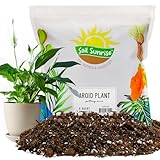


As an Amazon Associate I earn from qualifying purchases.
Prices and availability are accurate as of November 30, 2026 03:02 and are subject to change.
Introduction to Soil for Devil’s Ivy
Devil’s Ivy, also known as Pothos, is a popular houseplant known for its ability to thrive in a variety of environments. When it comes to choosing the right soil for this plant, there are several factors to consider. The soil should be well-draining, rich in nutrients, and have a slightly acidic pH. This will help to promote healthy growth and prevent root rot.
The type of soil used can greatly impact the overall health of the Devil’s Ivy plant. A good quality soil will contain a mix of peat moss, perlite, and vermiculite, which will help to retain moisture and provide drainage. It’s also important to choose a soil that is specifically designed for tropical plants, as these soils tend to have the right balance of nutrients and pH.
In order to find the best soil for devil’s ivy, it’s a good idea to read reviews and do some research. Look for soils that are specifically designed for indoor plants and have a good reputation among gardeners. It’s also a good idea to check the ingredients and make sure they align with the needs of your plant. By choosing the right soil, you can help your Devil’s Ivy plant thrive and enjoy its beautiful, trailing vines.
By taking the time to select the right soil, you can help your Devil’s Ivy plant grow and flourish. With the right combination of nutrients, drainage, and pH, your plant will be able to thrive and bring beauty and life to your home. Whether you’re a seasoned gardener or just starting out, choosing the right soil is an important step in caring for your Devil’s Ivy plant.
The Best Soil For Devil’S Ivy
The
1. Miracle-Gro Potting Mix for Devil’s Ivy
is a popular choice among gardeners due to its well-balanced formula that promotes healthy root growth and water retention. This potting mix is specifically designed for indoor plants like devil’s ivy, and it contains the necessary nutrients to support their growth. The mix is also formulated to prevent waterlogging, which can be detrimental to the roots of the plant.
The Miracle-Gro Potting Mix for Devil’s Ivy has received rave reviews from customers who have used it to grow their devil’s ivy plants. Many have reported significant improvements in the health and appearance of their plants, with some even noting an increase in the plant’s ability to climb and trail. The mix is easy to use and can be found at most gardening stores, making it a convenient option for those looking to give their devil’s ivy the best chance to thrive.
The
2. Black Kow All Purpose Potting Mix for Devil’s Ivy
is another highly-regarded option for growing devil’s ivy. This potting mix is made from a combination of peat moss, perlite, and vermiculite, which provides excellent drainage and aeration for the roots of the plant. The mix is also rich in organic matter, which helps to support the growth of beneficial microorganisms in the soil.
The Black Kow All Purpose Potting Mix for Devil’s Ivy is a favorite among gardeners due to its ability to retain moisture without becoming waterlogged. This makes it an ideal choice for devil’s ivy, which prefers to grow in moist but well-draining soil. Customers have reported excellent results with this potting mix, with many noting an improvement in the plant’s ability to grow and thrive. The mix is also relatively inexpensive compared to other options on the market, making it a great value for gardeners on a budget.
The
3. Espoma Organic Potting Mix for Devil’s Ivy
is a great choice for gardeners who prefer to use organic and natural products. This potting mix is made from a combination of peat moss, perlite, and vermiculite, and is rich in organic matter that helps to support the growth of beneficial microorganisms in the soil. The mix is also free from synthetic fertilizers and pesticides, making it a safe choice for indoor gardens.
The Espoma Organic Potting Mix for Devil’s Ivy has received excellent reviews from customers who have used it to grow their devil’s ivy plants. Many have reported significant improvements in the health and appearance of their plants, with some even noting an increase in the plant’s ability to climb and trail. The mix is easy to use and can be found at most gardening stores, making it a convenient option for those looking to give their devil’s ivy the best chance to thrive. The organic formula also makes it a great choice for gardeners who are concerned about the environmental impact of their gardening practices.
The
4. Pro-Mix All Purpose Potting Mix for Devil’s Ivy
is a high-quality potting mix that is specifically designed for growing indoor plants like devil’s ivy. This mix is made from a combination of peat moss, perlite, and vermiculite, which provides excellent drainage and aeration for the roots of the plant. The mix is also rich in nutrients, including fertilizer that is released slowly over time to provide ongoing support for the plant.
The Pro-Mix All Purpose Potting Mix for Devil’s Ivy has received excellent reviews from customers who have used it to grow their devil’s ivy plants. Many have reported significant improvements in the health and appearance of their plants, with some even noting an increase in the plant’s ability to climb and trail. The mix is easy to use and can be found at most gardening stores, making it a convenient option for those looking to give their devil’s ivy the best chance to thrive. The high-quality formula also makes it a great choice for gardeners who are looking for a reliable and consistent potting mix.
The
5. E.B. Stone Organics Potting Mix for Devil’s Ivy
is a great choice for gardeners who are looking for a high-quality, organic potting mix. This mix is made from a combination of peat moss, perlite, and vermiculite, and is rich in organic matter that helps to support the growth of beneficial microorganisms in the soil. The mix is also free from synthetic fertilizers and pesticides, making it a safe choice for indoor gardens.
The E.B. Stone Organics Potting Mix for Devil’s Ivy has received excellent reviews from customers who have used it to grow their devil’s ivy plants. Many have reported significant improvements in the health and appearance of their plants, with some even noting an increase in the plant’s ability to climb and trail. The mix is easy to use and can be found at most gardening stores, making it a convenient option for those looking to give their devil’s ivy the best chance to thrive. The organic formula also makes it a great choice for gardeners who are concerned about the environmental impact of their gardening practices, and the high-quality ingredients make it a great value for the price.
Why People Need to Buy Soil for Devil’s Ivy
Devil’s ivy, also known as Pothos, is a popular houseplant known for its low-maintenance requirements and ability to thrive in a variety of environments. However, like all plants, it still requires certain conditions to grow and flourish. One of the key factors in the health and well-being of devil’s ivy is the type of soil it is planted in. While it can survive in poor soil, it will not reach its full potential without the right nutrients and conditions.
The soil that devil’s ivy is planted in can affect its ability to absorb nutrients and water. If the soil is too dense or too sandy, it can prevent the roots of the plant from growing properly, leading to a range of problems. For example, if the soil is too dense, it can cause the roots to become waterlogged, leading to root rot and other issues. On the other hand, if the soil is too sandy, it can cause the plant to dry out too quickly, leading to nutrient deficiencies and other problems.
To ensure that their devil’s ivy plants are healthy and thriving, many people choose to buy soil that is specifically designed for houseplants. This type of soil is usually formulated to provide the right balance of nutrients and moisture, and can help to prevent many of the common problems that can affect devil’s ivy. By using the best soil for devil’s ivy, people can help to create an optimal growing environment for their plants, and enjoy the many benefits that come with having healthy and thriving houseplants.
In addition to providing the right nutrients and conditions, buying soil for devil’s ivy can also help to prevent the spread of pests and diseases. Many types of soil that are specifically designed for houseplants are sterilized to prevent the spread of pests and diseases, and can help to keep the plant healthy and thriving. By taking the time to choose the right soil for their devil’s ivy plants, people can help to ensure that their plants remain healthy and thriving, and enjoy the many benefits that come with having beautiful and lush houseplants.
Characteristics of Ideal Soil for Devil’s Ivy
The ideal soil for Devil’s Ivy should have a well-draining property to prevent waterlogged soil. This is crucial because Devil’s Ivy is prone to root rot when the soil is too moist. A mix specifically designed for tropical plants like Devil’s Ivy would be perfect, as it would contain the right balance of nutrients and moisture retention. The soil should also be rich in organic matter to provide the necessary nutrients for healthy growth.
Devil’s Ivy prefers a slightly acidic to neutral soil pH, ranging from 6.0 to 7.0. Soil with this pH range would allow the plant to absorb the necessary nutrients for optimal growth. It’s also essential to choose a soil that is free of contaminants and has a good structure to support the plant’s roots. A soil with a mix of peat moss, perlite, and vermiculite would provide the perfect balance of water retention and aeration.
In addition to the physical properties, the ideal soil for Devil’s Ivy should also contain the necessary nutrients for healthy growth. A balanced fertilizer with a ratio of 20-20-20 (nitrogen-phosphorus-potassium) would provide the necessary nutrients for leaf growth, root development, and flower production. However, it’s essential to follow the instructions on the fertilizer package to avoid over-fertilizing, which can damage the plant.
The right soil can make a significant difference in the health and appearance of Devil’s Ivy. By choosing a soil that meets the plant’s specific needs, you can ensure that your Devil’s Ivy grows well and thrives. Whether you’re a seasoned gardener or a beginner, selecting the ideal soil for your Devil’s Ivy is crucial for its success.
Benefits of Using High-Quality Soil for Devil’s Ivy
Using high-quality soil for Devil’s Ivy can have numerous benefits for the plant’s health and appearance. One of the primary benefits is improved drainage, which helps prevent waterlogged soil and root rot. High-quality soil would also contain the necessary nutrients for healthy growth, resulting in lush, green leaves and vigorous stem growth.
Another benefit of using high-quality soil is increased resistance to pests and diseases. A well-draining soil with the right balance of nutrients would help prevent the growth of fungi and bacteria that can harm the plant. Additionally, high-quality soil can help improve the plant’s ability to absorb nutrients, resulting in faster growth and better overall health.
High-quality soil can also help reduce the need for frequent watering, as it would retain the right amount of moisture for the plant’s needs. This can be especially beneficial for busy people or those who tend to forget to water their plants. By using high-quality soil, you can enjoy the benefits of having a healthy and thriving Devil’s Ivy with minimal maintenance.
In terms of cost, high-quality soil may seem more expensive than lower-quality options. However, the benefits of using high-quality soil far outweigh the costs. By investing in high-quality soil, you can ensure that your Devil’s Ivy grows well and thrives, reducing the need for frequent repotting or replacement.
Common Mistakes to Avoid When Choosing Soil for Devil’s Ivy
When choosing soil for Devil’s Ivy, there are several common mistakes to avoid. One of the most significant mistakes is selecting a soil that is too dense or heavy, which can prevent proper drainage and lead to root rot. Another mistake is choosing a soil that lacks the necessary nutrients for healthy growth, resulting in weak and spindly stems.
Using a soil that is too dry or lacks moisture retention can also be detrimental to Devil’s Ivy. This can cause the plant to become stressed, leading to yellowing leaves and reduced growth. Additionally, using a soil that is contaminated with pests or diseases can harm the plant and even kill it.
To avoid these mistakes, it’s essential to read the labels carefully and look for soils that are specifically designed for tropical plants like Devil’s Ivy. You should also avoid using soil from your garden, as it may contain contaminants or lack the necessary nutrients for healthy growth. By taking the time to choose the right soil, you can ensure that your Devil’s Ivy grows well and thrives.
It’s also important to avoid over-fertilizing, as this can damage the plant and even kill it. By following the instructions on the fertilizer package and using a balanced fertilizer, you can provide your Devil’s Ivy with the necessary nutrients for healthy growth without over-fertilizing.
Tips for Repotting Devil’s Ivy with New Soil
Repotting Devil’s Ivy with new soil can be a great way to give the plant a fresh start and provide it with the necessary nutrients for healthy growth. When repotting, it’s essential to choose a pot that is only slightly larger than the previous one, as Devil’s Ivy prefers to be slightly root-bound. You should also select a soil that is specifically designed for tropical plants like Devil’s Ivy, as it would contain the right balance of nutrients and moisture retention.
Before repotting, make sure to water the plant thoroughly to make the soil easier to handle. You should also gently remove the plant from its pot, taking care not to damage the roots. Once you have removed the plant, you can gently prune the roots to encourage new growth and prevent the plant from becoming too pot-bound.
When placing the plant in its new pot, make sure to handle the roots with care and avoid compacting the soil too much. You should also water the plant thoroughly after repotting to settle the soil and provide enough moisture for the plant’s needs. By following these tips, you can ensure that your Devil’s Ivy grows well and thrives in its new soil.
It’s also essential to monitor the plant’s condition after repotting and adjust its care accordingly. You may need to adjust the watering schedule or provide more fertilizer to ensure that the plant is receiving the necessary nutrients for healthy growth. By taking the time to repot your Devil’s Ivy with new soil, you can give the plant a fresh start and enjoy its beautiful, trailing stems and leaves.
Best Soil For Devil’S Ivy Buying Guide
When it comes to growing Devil’s Ivy, the right soil can make all the difference. With so many options available, choosing the best soil for your plant can be overwhelming. However, by considering a few key factors, you can find the perfect soil to help your Devil’s Ivy thrive. In this guide, we will discuss the key factors to consider when buying soil for your Devil’s Ivy, helping you make an informed decision.
Drainage and Aeration
Drainage and aeration are crucial factors to consider when buying soil for your Devil’s Ivy. The soil should be well-draining to prevent waterlogged soil, which can lead to root rot and other problems. A well-draining soil will allow excess water to drain away from the roots, preventing the plant from sitting in water. This is especially important for Devil’s Ivy, as it is prone to root rot if the soil is too wet. Look for soils that contain ingredients such as perlite, vermiculite, or sand, which help to improve drainage and aeration.
The importance of drainage and aeration cannot be overstated. If the soil is too dense and does not drain well, it can lead to a range of problems, including root rot, nutrient deficiencies, and poor plant growth. On the other hand, a well-draining soil will allow your Devil’s Ivy to thrive, with healthy roots and lush, green leaves. By choosing a soil that drains well and provides good aeration, you can help prevent many common problems and ensure your plant stays healthy.
pH Level
The pH level of the soil is another important factor to consider when buying soil for your Devil’s Ivy. Devil’s Ivy prefers a slightly acidic to neutral soil pH, ranging from 6.0 to 7.0. If the soil is too alkaline or too acidic, it can affect the plant’s ability to absorb nutrients, leading to poor growth and other problems. Look for soils that are specifically formulated to meet the pH needs of your Devil’s Ivy, and avoid soils that are too extreme in either direction.
It’s also important to note that the pH level of the soil can affect the availability of nutrients for your Devil’s Ivy. If the soil is too acidic or too alkaline, it can lock up certain nutrients, making them unavailable to the plant. By choosing a soil with the right pH level, you can help ensure that your Devil’s Ivy has access to all the nutrients it needs to thrive. This, in turn, will help promote healthy growth and prevent many common problems.
Nutrient Content
The nutrient content of the soil is another key factor to consider when buying soil for your Devil’s Ivy. Devil’s Ivy is a heavy feeder and requires a range of nutrients to grow well. Look for soils that contain a balanced mix of nutrients, including nitrogen, phosphorus, and potassium. These nutrients are essential for healthy plant growth, and a deficiency in any one of them can lead to poor growth and other problems.
In addition to the major nutrients, it’s also important to consider the presence of micronutrients in the soil. Micronutrients such as iron, zinc, and copper are essential for many plant functions, including photosynthesis and enzyme production. By choosing a soil that contains a range of micronutrients, you can help ensure that your Devil’s Ivy has everything it needs to thrive. This will help promote healthy growth, prevent nutrient deficiencies, and ensure your plant stays looking its best.
Organic Matter Content
The organic matter content of the soil is another important factor to consider when buying soil for your Devil’s Ivy. Organic matter such as peat moss, coconut coir, or compost helps to improve the soil’s structure and fertility, providing a range of benefits for your plant. Look for soils that contain a high percentage of organic matter, as these will help to retain moisture, suppress weeds, and regulate soil temperature.
The benefits of organic matter in the soil cannot be overstated. Not only does it help to improve the soil’s structure and fertility, but it also provides a range of other benefits, including improved drainage and aeration. By choosing a soil that contains a high percentage of organic matter, you can help create a healthy and thriving environment for your Devil’s Ivy. This will help promote healthy growth, prevent many common problems, and ensure your plant stays looking its best.
Moisture Retention
The moisture retention of the soil is another key factor to consider when buying soil for your Devil’s Ivy. Devil’s Ivy prefers a moist but well-draining soil, and a soil that retains too much water can lead to root rot and other problems. Look for soils that contain ingredients such as peat moss or coconut coir, which help to retain moisture without waterlogging the soil.
The right moisture retention is crucial for healthy plant growth, and a soil that is too dry or too wet can lead to a range of problems. By choosing a soil that retains the right amount of moisture, you can help ensure that your Devil’s Ivy has the water it needs to thrive, without the risk of root rot or other problems. This will help promote healthy growth, prevent many common problems, and ensure your plant stays looking its best. When looking for the best soil for devil’s ivy, consider a soil that has the right balance of moisture retention and drainage.
Price and Availability
The price and availability of the soil are also important factors to consider when buying soil for your Devil’s Ivy. While it may be tempting to choose the cheapest option, this can often be a false economy. Cheap soils may not contain the necessary ingredients to promote healthy plant growth, and may even contain contaminants or other substances that can harm your plant. Look for soils that are specifically formulated for Devil’s Ivy, and be prepared to pay a little more for a high-quality product.
The availability of the soil is also an important consideration. Look for soils that are widely available and can be easily sourced, either online or in-store. This will help ensure that you can get the soil you need when you need it, without having to wait or search around. By choosing a soil that is widely available and specifically formulated for Devil’s Ivy, you can help ensure that your plant has the best possible start in life, and will thrive for years to come.
FAQs
What is the best type of soil for Devil’s Ivy?
The best type of soil for Devil’s Ivy is a well-draining potting mix that is rich in organic matter. This type of soil will help to prevent waterlogged soil and root rot, which can be detrimental to the health of the plant. A good potting mix should contain a combination of peat moss, vermiculite, and perlite, which will help to retain moisture and provide good drainage.
In addition to a well-draining potting mix, it’s also important to consider the pH level of the soil. Devil’s Ivy prefers a slightly acidic to neutral soil pH, ranging from 6.0 to 7.0. If the soil is too alkaline, it can cause the leaves to become discolored and the plant to become stressed. By choosing a potting mix that is specifically designed for tropical plants like Devil’s Ivy, you can help to ensure that your plant receives the right amount of nutrients and moisture to thrive.
How often should I water my Devil’s Ivy plant?
The frequency of watering your Devil’s Ivy plant will depend on a number of factors, including the temperature, humidity, and light levels in your home. As a general rule, it’s best to water your Devil’s Ivy plant when the top inch of soil feels dry to the touch. This will help to prevent overwatering, which can be detrimental to the health of the plant. During the spring and summer months, you may need to water your plant more frequently, as it will be producing new growth and requiring more moisture.
During the fall and winter months, you can reduce the frequency of watering, as the plant will be dormant and requiring less moisture. It’s also important to make sure that the pot has good drainage holes to prevent water from accumulating in the soil. By watering your Devil’s Ivy plant correctly, you can help to keep it healthy and thriving. It’s also a good idea to check the moisture level of the soil by sticking your finger into the soil up to the first knuckle, if the soil feels dry, it’s time to water.
Can I use regular garden soil for my Devil’s Ivy plant?
Regular garden soil is not the best option for Devil’s Ivy plants, as it can be too dense and may not drain well. Garden soil is designed for outdoor use and can compact easily, which can prevent roots from growing and thriving. Devil’s Ivy plants prefer a well-draining potting mix that is specifically designed for indoor plants. Using regular garden soil can also increase the risk of root rot and other problems, as it can retain too much water and cause the roots to become waterlogged.
If you want to create your own potting mix for your Devil’s Ivy plant, you can mix regular garden soil with other ingredients such as peat moss, vermiculite, and perlite. This will help to improve the drainage and structure of the soil, making it more suitable for your plant. However, it’s often easier and more convenient to purchase a pre-made potting mix that is specifically designed for tropical plants like Devil’s Ivy. This will help to ensure that your plant receives the right amount of nutrients and moisture to thrive.
What are the benefits of using a high-quality potting soil for Devil’s Ivy?
Using a high-quality potting soil for your Devil’s Ivy plant can provide a number of benefits, including improved drainage, increased nutrient availability, and better root growth. A good potting soil will contain a mix of ingredients such as peat moss, vermiculite, and perlite, which will help to retain moisture and provide good drainage. This will help to prevent waterlogged soil and root rot, which can be detrimental to the health of the plant.
In addition to these benefits, a high-quality potting soil can also help to promote healthy growth and development in your Devil’s Ivy plant. By providing the right amount of nutrients and moisture, you can help to encourage your plant to produce new leaves and stems, and to thrive in its environment. A good potting soil can also help to reduce the risk of pests and diseases, by providing a healthy and balanced environment for your plant to grow. By choosing a high-quality potting soil, you can help to ensure that your Devil’s Ivy plant receives the best possible start in life.
How do I know if my Devil’s Ivy plant needs to be repotted?
If your Devil’s Ivy plant has outgrown its container or is showing signs of nutrient deficiency, it may be time to repot it. Some common signs that a Devil’s Ivy plant needs to be repotted include roots growing out of the drainage holes, water pooling on the surface of the soil, and a decrease in plant growth. If you notice any of these signs, it’s a good idea to repot your plant into a slightly larger container with fresh potting mix.
When repotting your Devil’s Ivy plant, make sure to choose a container that is only slightly larger than the previous one. This will help to prevent the soil from becoming too wet and will give the roots room to grow. You should also prune the roots of the plant gently before repotting, to help stimulate new growth and prevent the plant from becoming pot-bound. By repotting your Devil’s Ivy plant regularly, you can help to keep it healthy and thriving, and prevent it from becoming stressed and diseased.
Can I make my own potting soil for my Devil’s Ivy plant?
Yes, you can make your own potting soil for your Devil’s Ivy plant, but it’s often easier and more convenient to purchase a pre-made potting mix. To make your own potting soil, you will need to mix together a combination of ingredients such as peat moss, vermiculite, and perlite. You can also add other ingredients such as compost or worm castings to provide extra nutrients for your plant.
When making your own potting soil, it’s a good idea to start with a basic recipe and then adjust it to meet the specific needs of your Devil’s Ivy plant. For example, you may need to add more perlite to improve drainage, or more peat moss to retain moisture. You should also sterilize the ingredients before mixing them together, to prevent the introduction of pests and diseases. By making your own potting soil, you can help to ensure that your Devil’s Ivy plant receives the right amount of nutrients and moisture to thrive, and you can also customize the mix to meet the specific needs of your plant.
Are there any specific nutrients that my Devil’s Ivy plant needs to thrive?
Devil’s Ivy plants are relatively low-maintenance and can thrive in a variety of conditions, but they do require a balanced diet of nutrients to stay healthy. Some of the key nutrients that Devil’s Ivy plants need include nitrogen, phosphorus, and potassium. These nutrients can be provided through the use of a balanced fertilizer, which should be applied regularly to the soil.
In addition to these macronutrients, Devil’s Ivy plants also require a range of micronutrients such as iron, magnesium, and calcium. These nutrients can be provided through the use of a balanced fertilizer, or by adding supplements to the soil. It’s also a good idea to repot your Devil’s Ivy plant regularly, to provide it with fresh potting mix and to prevent the buildup of toxins in the soil. By providing your Devil’s Ivy plant with the right amount of nutrients, you can help to promote healthy growth and development, and keep your plant thriving.
The Bottom Line
In conclusion, choosing the right soil for your devil’s ivy plant is crucial to its overall health and growth. A well-draining and nutrient-rich soil can make all the difference in helping your plant thrive. By considering factors such as pH levels, moisture retention, and fertilization, you can create an ideal environment for your devil’s ivy to flourish. Whether you’re a seasoned gardener or a beginner, selecting the perfect soil can be a daunting task, but with the right guidance, you can make an informed decision.
Ultimately, finding the best soil for devil’s ivy is essential to unlocking its full potential. By investing in a high-quality soil that meets the specific needs of your plant, you can enjoy the many benefits of having a lush and vibrant devil’s ivy in your home or office. With the numerous options available in the market, it’s essential to do your research and choose a soil that is tailored to the unique requirements of your plant. By doing so, you can reap the rewards of a thriving and beautiful devil’s ivy that will bring joy and elegance to any space.